How to Build a P2P Server: A Step-by-Step Guide to Bandwidth Mining
TL;DR
- ✓ Turn your idle home internet into a profitable digital asset today.
- ✓ Understand how DePIN protocols utilize residential IPs for decentralized network infrastructure.
- ✓ Learn the best hardware choices like Raspberry Pi for reliable node operation.
- ✓ Secure your home network while maximizing your tokenized bandwidth rewards.
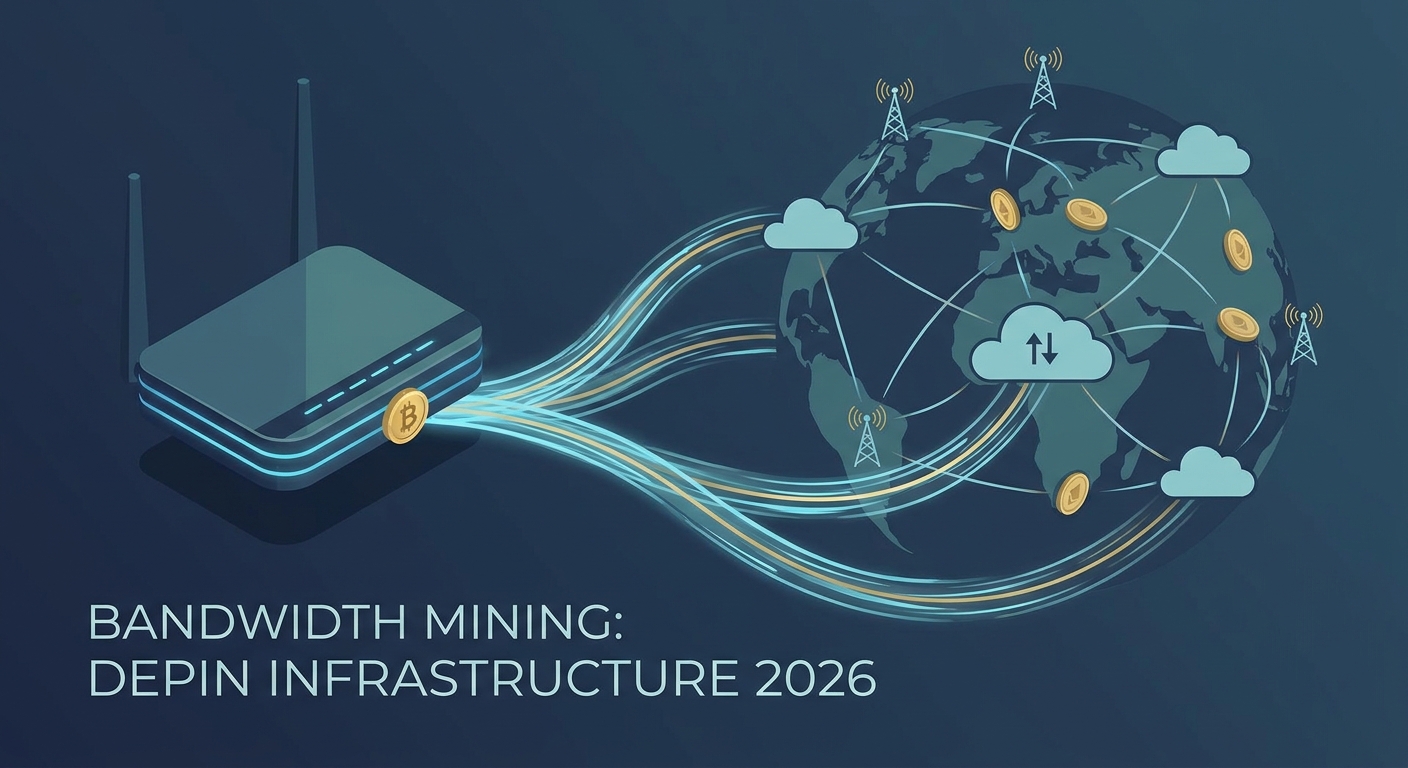
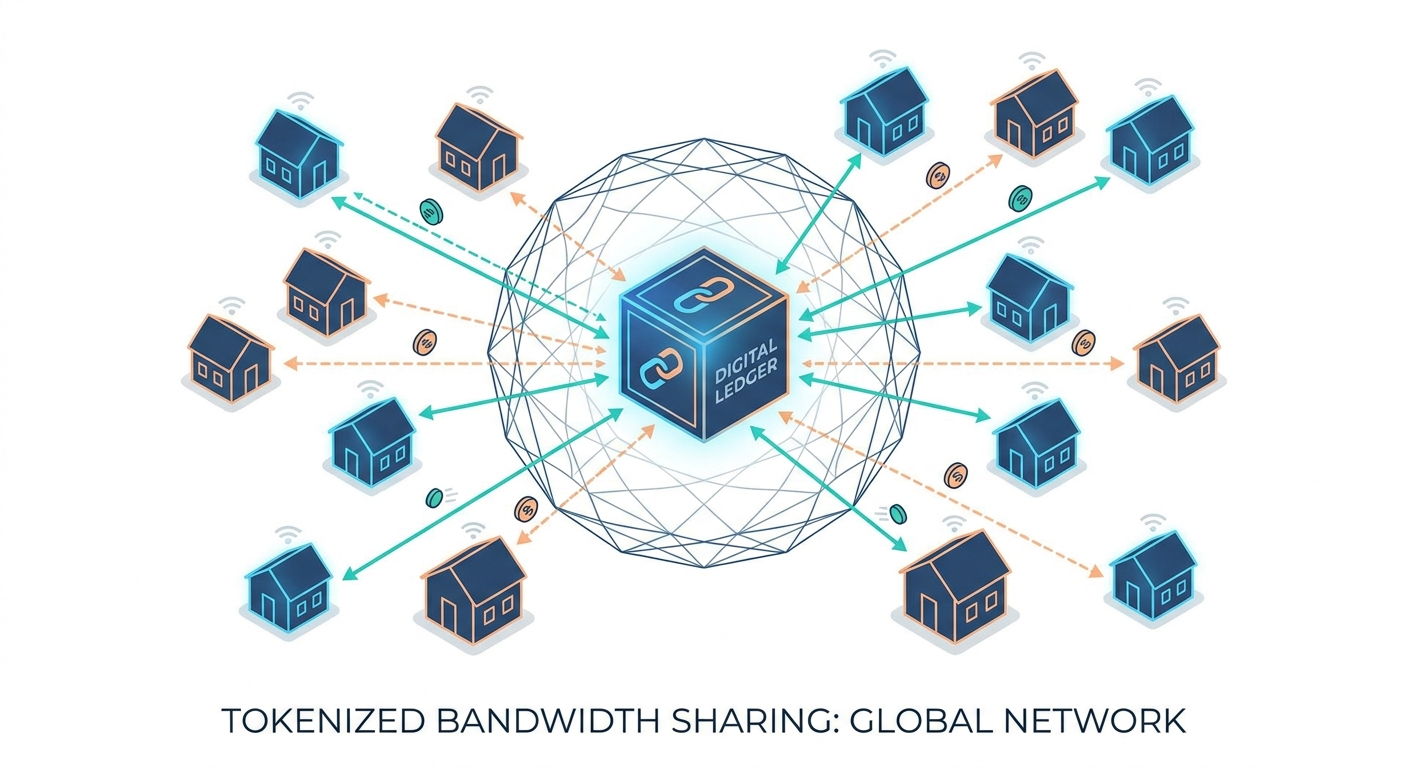
Building a P2P server isn't just some geeky weekend project anymore. It’s about becoming a mini-ISP in the burgeoning Decentralized Physical Infrastructure Network (DePIN) economy. By opening up a slice of your home internet to a decentralized network, you’re turning that idle bandwidth—which you’re already paying for—into a genuine asset.
This guide pulls back the curtain. We’re going to cover the architecture, the hardware that won’t quit, and how to keep your home network safe while you stack rewards.
What is the DePIN Revolution, and Why Should You Care?
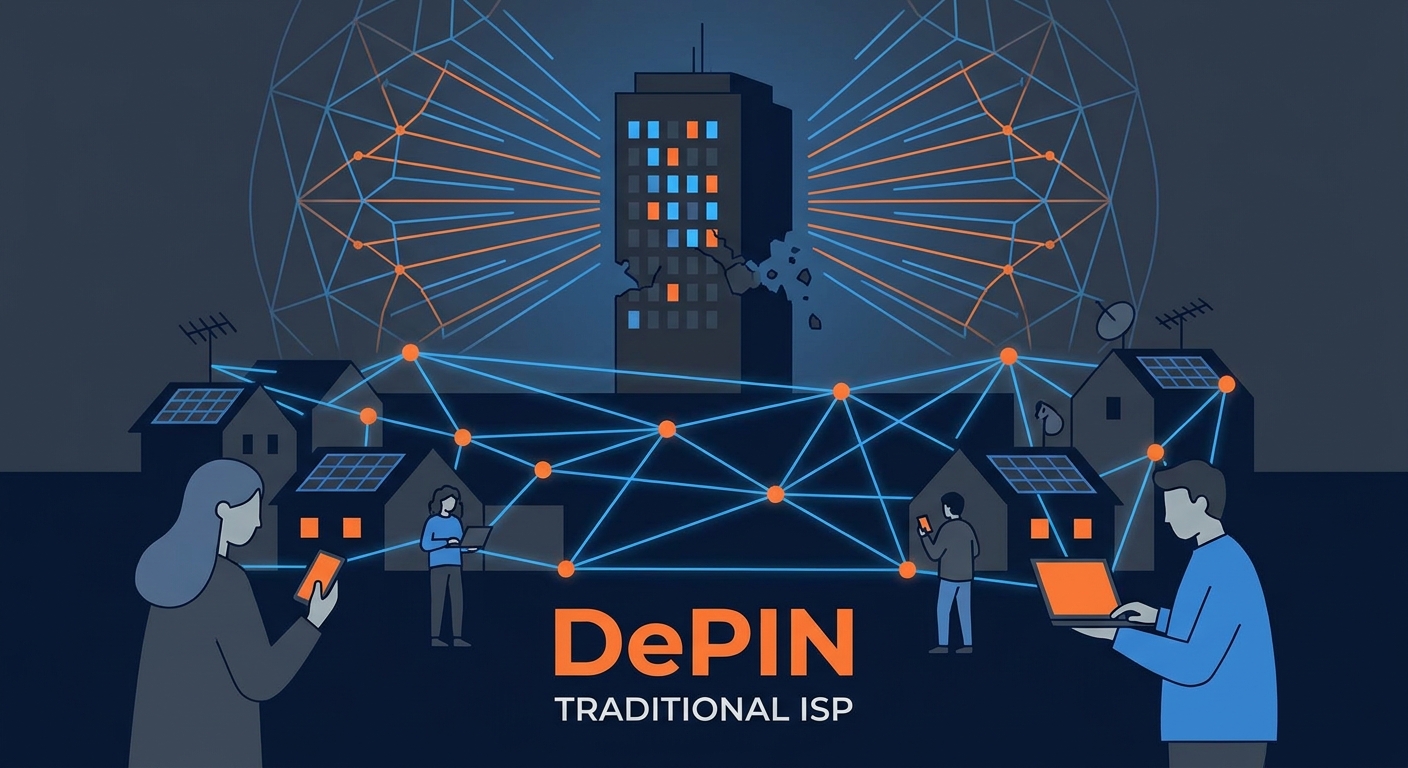
Digital infrastructure is shifting under our feet. We’re moving away from the old-school, monolithic telecom giants toward DePIN. Think of it as the "Airbnb for the Internet." Just like Airbnb turned your spare bedroom into a hotel room, DePIN protocols turn your unused upload capacity into a digital resource.
By 2026, this sector has grown up. It’s moved past simple "bandwidth sharing." Now, it’s about providing the backbone for decentralized AI, edge computing, and privacy-focused routing. If you want to grasp the basics of moving from a simple relay to a real infrastructure player, this guide on how to start bandwidth mining is your best starting point. As demand for edge computing skyrockets, your node isn't just a pipe; it’s a compute engine.
How Does a P2P Bandwidth Node Actually Work?
A relay node is essentially a smart, automated gatekeeper. When someone on the decentralized network needs to visit a site, the protocol routes that request through your residential IP. Your node acts as the bridge—masking the user's origin while providing a high-trust, residential-grade exit point.
Why does this matter? Data-center IPs are easy to spot and block. They’re "dirty." Your residential connection, however, looks like a normal human browsing the web. You aren't just selling bits; you’re selling your IP’s reputation. That’s why you get paid.
What are the Essential Requirements for a Professional Node?
Stop treating your node like a toy. If you want real rewards, you need real hardware.
Hardware: The Engine Forget your gaming rig. It’s loud, power-hungry, and overkill. A Raspberry Pi 5 is the gold standard here—low power, high reliability, and it runs for months without a hiccup. If you need more grunt for AI tasks, grab a refurbished OptiPlex Micro. These "Small Form Factor" PCs are quiet, reliable, and cheap. Whatever you do, avoid Cloud VPS providers. Most DePIN protocols flat-out ban them because they lack that "residential" credibility you’re getting paid to provide.
Network: The Infrastructure Upload speed is king. Most home plans are lopsided, prioritizing download, but you need that upload pipe. Anything under 50Mbps is going to hold you back. And please, use an Ethernet cable. Wi-Fi introduces jitter, and jitter kills your node’s QoS (Quality of Service) score. If your connection isn't stable, you aren't earning.
IP Credibility Your residential IP is your golden goose. If your ISP uses CGNAT (Carrier-Grade NAT), you’re going to have a rough time opening ports. A static IP is the dream, but for most of us, a simple DDNS (Dynamic DNS) setup will keep your node reachable even when your ISP decides to cycle your IP.
Which DePIN Projects Should You Prioritize in 2026?
The market is noisy. There are a thousand projects, but most are junk. When you’re picking one, look for projects that show their work. Check out this Best DePIN Projects 2026 list to see who’s actually building something sustainable. You want a protocol that balances rewards with real-world enterprise demand—not just a pyramid scheme built on token inflation. As highlighted in the DePIN Sector Growth Report, the winners are the ones integrating with actual business needs.
Step-by-Step: Setting Up Your P2P Server
Keep it simple. Keep it isolated.
Phase 1: Wallet Configuration Create a new, dedicated wallet just for your node earnings. Never use your "forever" savings wallet. If something happens, you want your operational earnings to be siloed from your long-term wealth.
Phase 2: Environment Preparation Always use Docker. It puts your node in its own little box, keeping it away from the rest of your system. If you need to update it or wipe it, it’s a breeze. Run it on a clean Linux distro like Ubuntu Server or Debian.
Phase 3: Port Forwarding and Firewall Configuration This is where people get stuck. You have to forward the specific ports for your chosen protocol in your router settings. Then, lock down your firewall (UFW on Linux is great for this). If you really want to be a pro, put your node on a separate VLAN. It’s the best way to ensure that if the node software ever has a security hole, it can't touch the rest of your home network.
How Do You Calculate Your Potential ROI?
The days of getting paid just for "existing" are over. Modern protocols care about "Proof of Bandwidth." If you’re pushing 100Mbps but your latency is all over the place, someone with a 20Mbps connection and rock-solid stability is going to out-earn you every time. Read up on tokenomics of resource-weighted bandwidth mining to understand why uptime is your best friend.
Don't forget to subtract your electricity costs. If you’re earning twenty bucks a month but spending fifteen on power, you’re basically running a hobby, not a business.
What are the Real-World Risks of Running an Exit Node?
Let’s be honest: you are the final point of contact for traffic. While "Trusted Node" programs usually filter out the bad actors, it’s still your connection.
- Legal Liability: If someone does something illegal, your IP is the one pointing at the scene.
- ISP TOS: Most residential ISPs have a "no servers" clause. They usually look the other way for small-scale stuff, but if you start moving terabytes of data, they might throttle you or send a nasty email.
- IP Reputation: If a user does something shady, your IP might end up on a blacklist, meaning you’ll be solving CAPTCHAs for every site you visit.
Check your ISP’s rules before you go big.
How Can You Optimize Your Node for Maximum Uptime?
Heat is the enemy. If you’re using a Pi, get a good heatsink or a fan. If you’re using an SFF PC, blow the dust out of it every few months. And again, use DDNS. It’s the only way to stay online when your ISP changes your IP address at 3 AM.
The Future: Is Bandwidth Mining Just the Beginning?
Bandwidth is just the entry point. We’re already seeing nodes start to handle decentralized AI training and compute tasks. By setting up now, you’re getting in on the ground floor of the decentralized web. If you’re looking for the long-game strategy, check out this guide on how to earn passive income with bandwidth mining. It’s the first step toward becoming a permanent fixture in the new digital economy.
Frequently Asked Questions
Is bandwidth mining safe for my home network?
Yes, but only if you’re smart about it. Use a separate VLAN. It’s like putting a deadbolt on the door between your node and your personal devices.
How much can I realistically earn in 2026?
It changes constantly. Don't quit your day job. Think of this as a way to make your internet bill disappear, not a way to buy a yacht. It depends on where you live and how much demand there is for your specific region.
Do I need a static IP address to run a node?
Not strictly. DDNS handles the "moving target" problem effectively for 99% of node operators.
Will my ISP block me for bandwidth sharing?
Most won't care about a little traffic. If you start pushing serious volume, they might notice. Start small, watch your usage, and keep your traffic within reasonable limits.
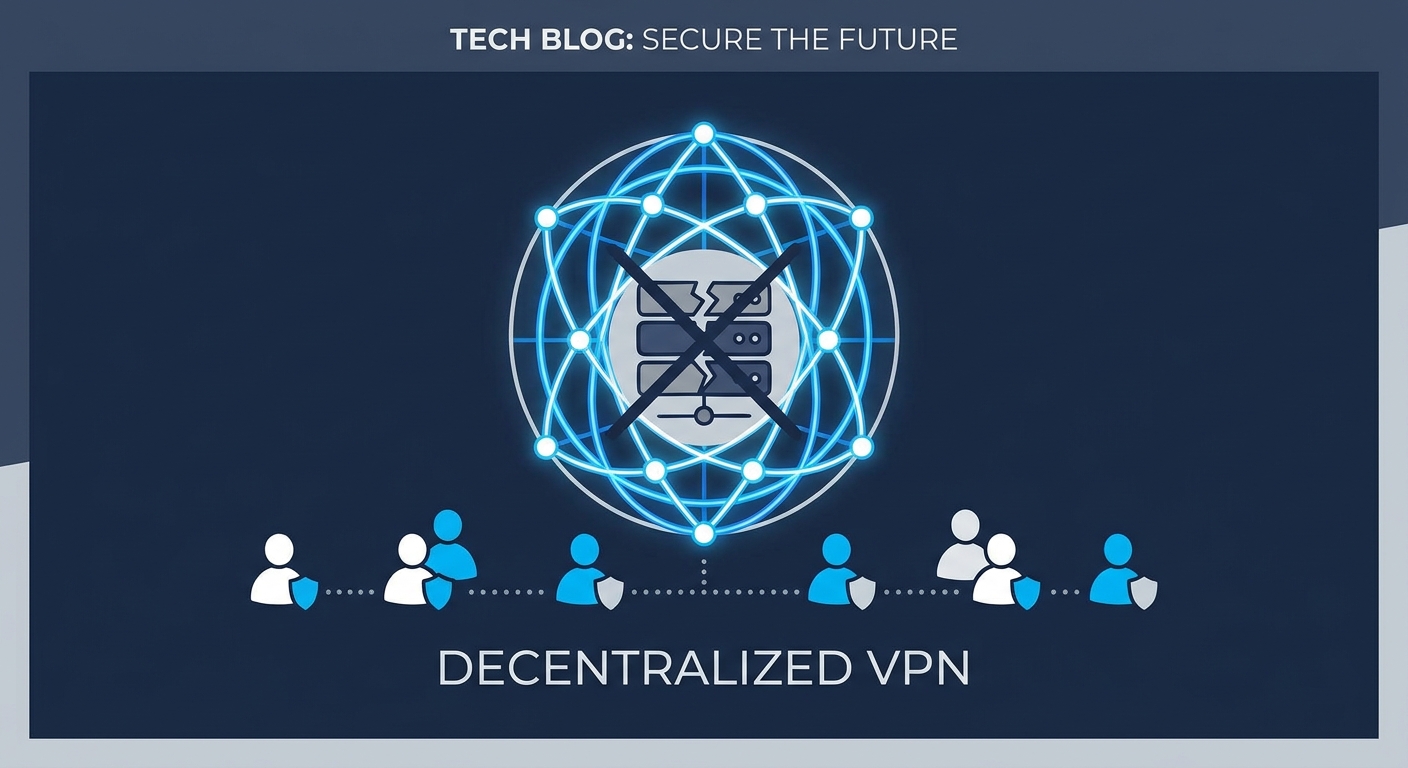
What is the difference between a traditional VPN and a DePIN node?
Traditional VPNs are centralized—you’re trusting one company with your data. A DePIN node is part of a distributed, transparent protocol. You are the infrastructure, not the customer.