Airbnb for Bandwidth: A Deep Dive into Tokenized Network Resources
TL;DR
- ✓ DePIN allows users to monetize idle internet bandwidth using tokenized network models.
- ✓ Current ISP monopolies create inefficient infrastructure that ignores consumer-owned hardware potential.
- ✓ Tokenized networks enable passive income by routing data through your residential connection.
- ✓ Blockchain technology verifies bandwidth usage to ensure secure and transparent reward distribution.
The internet is a bloated, inefficient machine held together by a handful of telecommunications giants. For decades, we’ve played the role of the passive consumer. We pay our premiums, we browse our feeds, and we ignore the fact that our hardware—the very gear we spent good money on—sits idle most of the day, wasting terabytes of potential.
That’s changing.
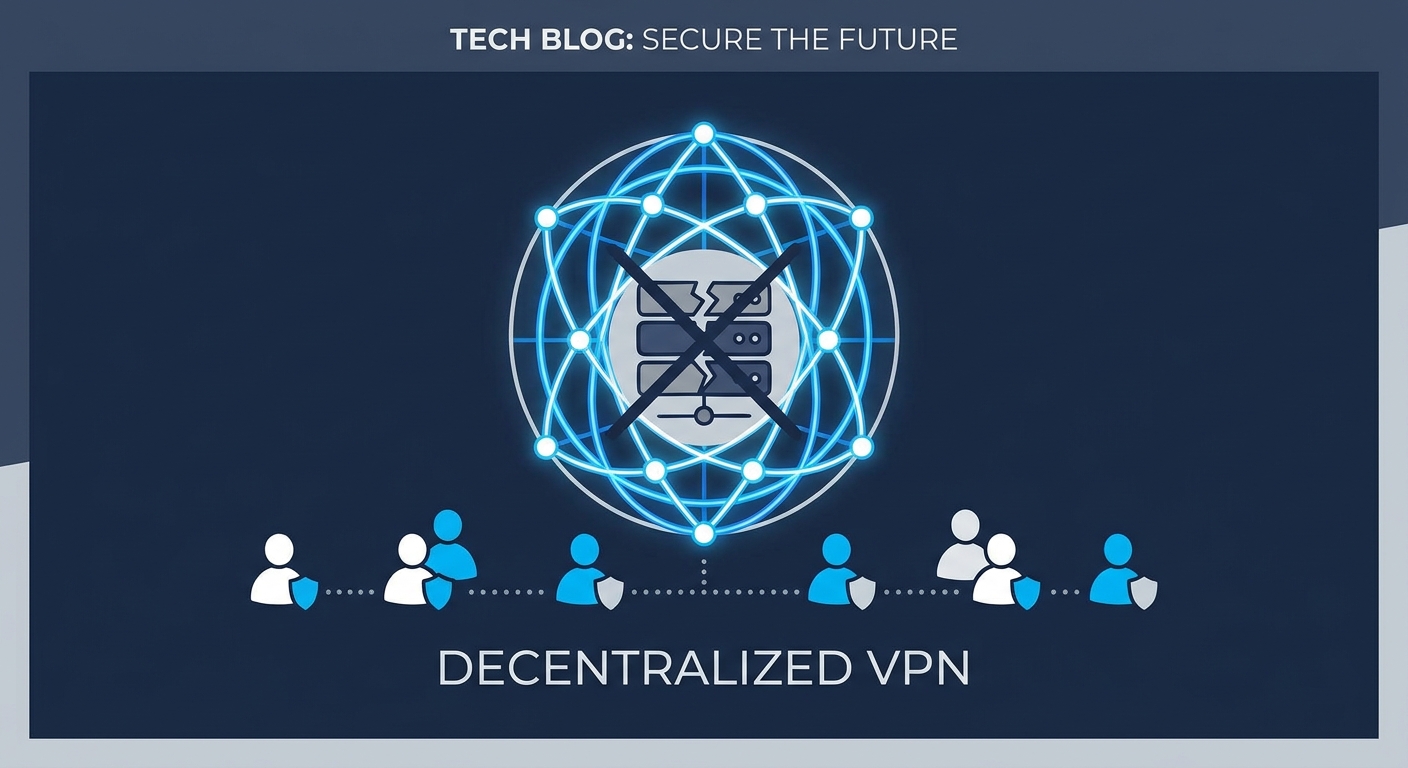
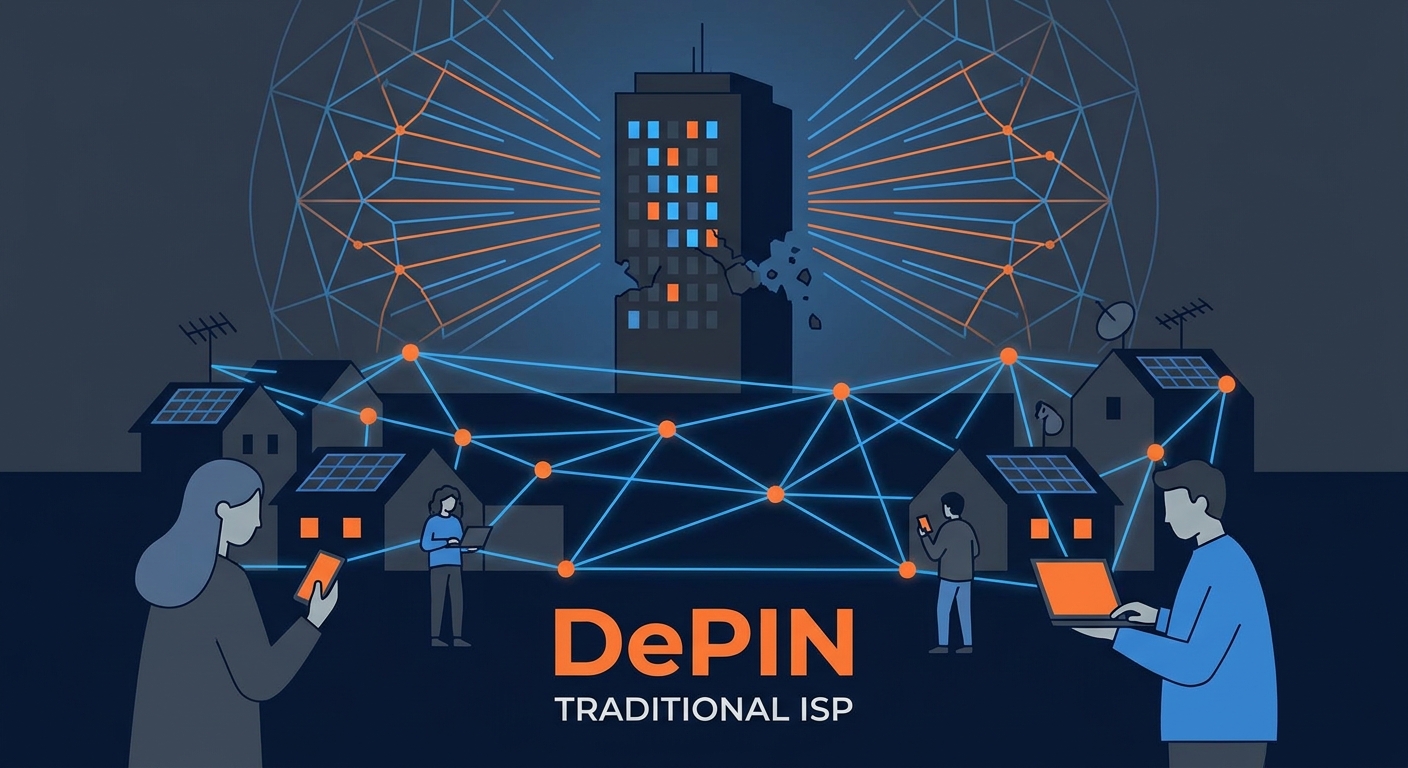
Tokenized network resources, or "Airbnb for Bandwidth," are flipping the script. It’s no longer a one-way street where you just feed the machine. It’s becoming a decentralized marketplace. Your unused connection? It’s now an asset. By leveraging Decentralized Physical Infrastructure Networks (DePIN), we’re finally moving away from the era of corporate-owned bottlenecks. We’re moving toward a future where the users actually own the pipes.
The Problem: Why Is Our Internet Infrastructure So Inefficient?
The internet currently suffers from what I call the "Capex Trap." If you want to build a global network, you need billions of dollars to lay cables, erect towers, and build server farms. Because the cost of entry is so astronomical, the market naturally collapses into a few monopolistic ISPs.
These companies don’t have any incentive to lower prices or get creative. Why would they? They have you cornered. The result is a rigid, opaque system that feels stuck in the early 2000s.
For startups and AI labs, this centralization is a nightmare. Trying to build a data-scraping or content-delivery network means begging at the gates of these same monopolists. It’s expensive, slow, and frustrating. But the shift we’re seeing today is the transition from "consumer" to "provider." Instead of letting your fiber-optic connection go dormant while you sleep, your hardware can act as a node in a global, distributed network. We’re democratizing the infrastructure that powers the web.
What Exactly is the "Airbnb for Bandwidth" Model?
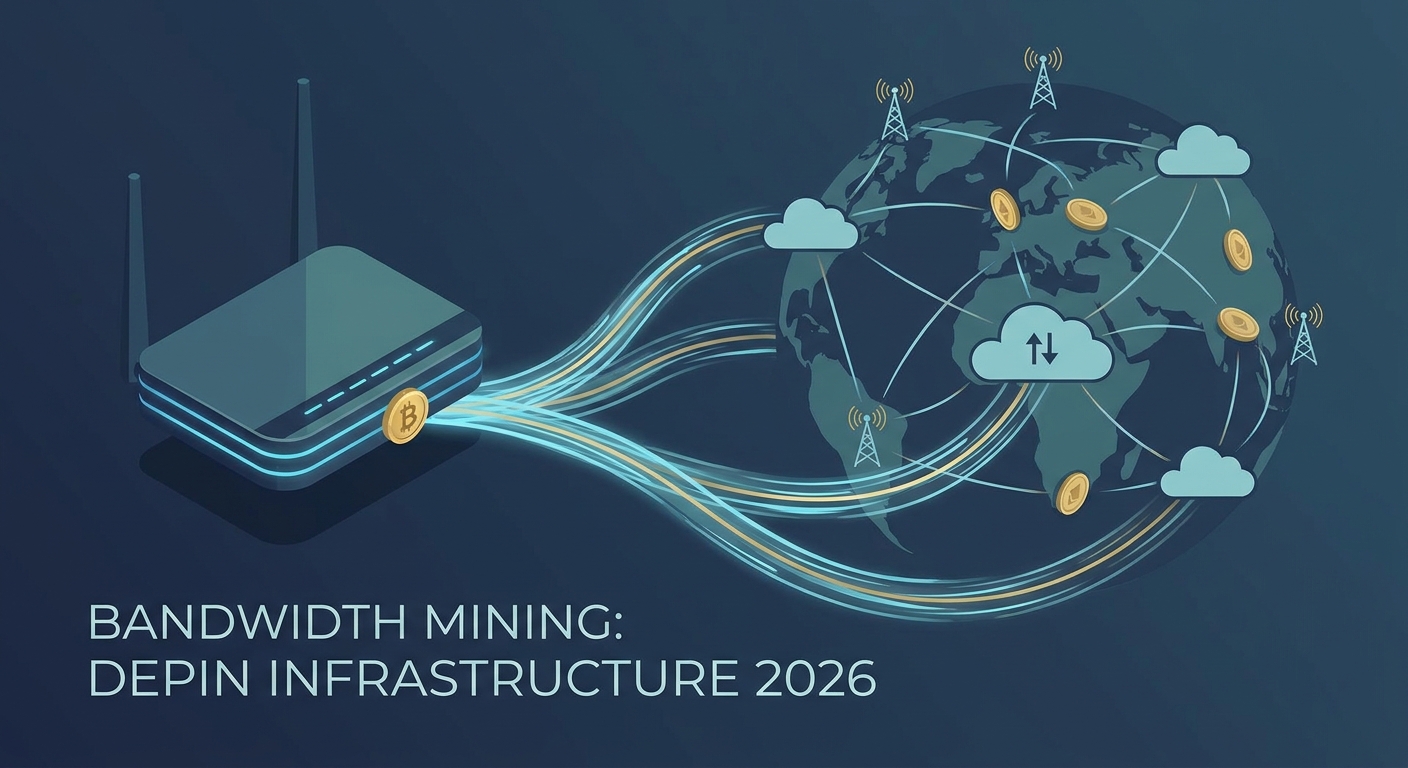
At its heart, this is the killer app for DePIN. It relies on something simple: Idle Resource Monetization. Think about your daily routine. You have a high-speed connection that you use for Zoom calls and Netflix during the day. But at 3:00 AM? That bandwidth is just sitting there, burning a hole in your pocket.
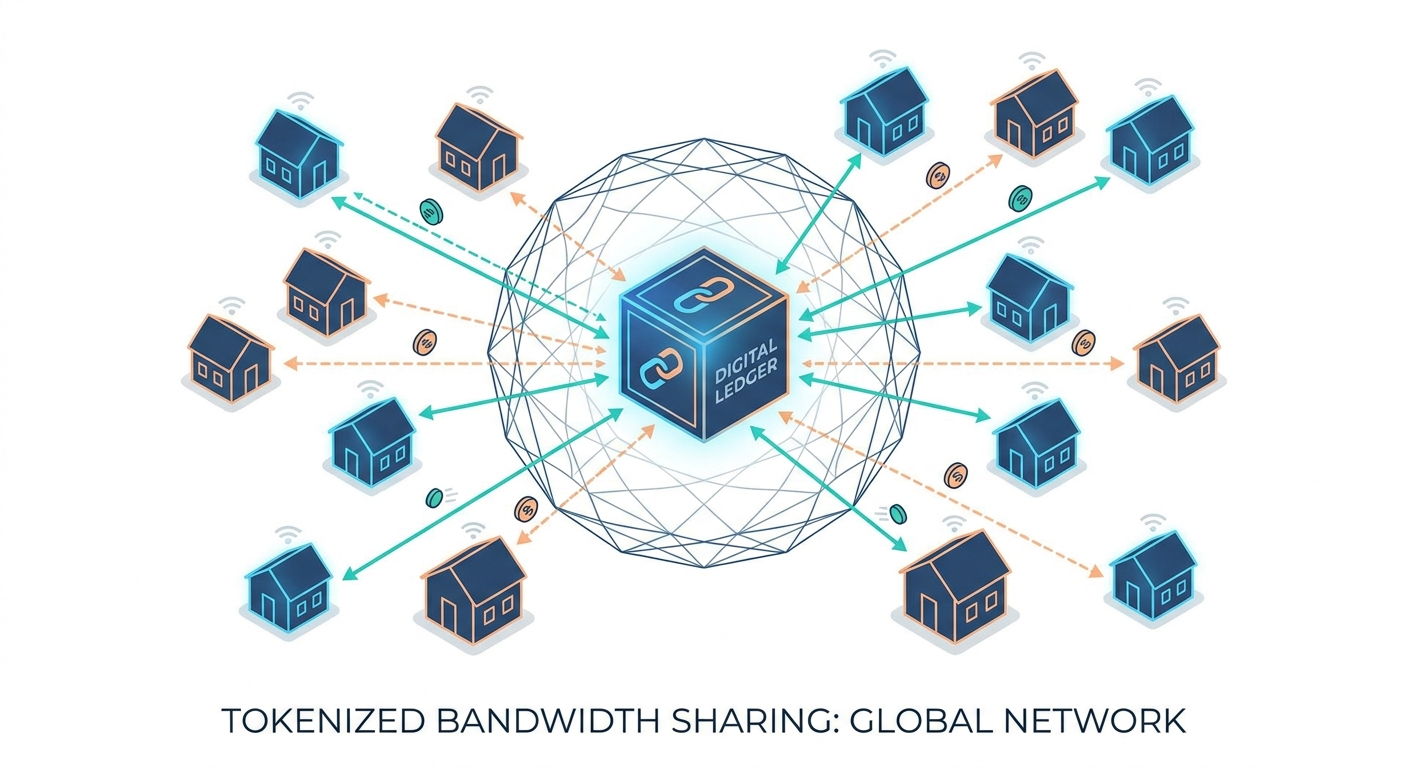
By installing a lightweight node—usually just a browser extension or a background app—you allow the network to route small, non-sensitive packets of data through your connection.
In exchange, you get paid in tokens. And let’s be clear: by 2026, this isn't just some speculative crypto-mining fad. We’re talking about a utility-based market where the reward is tied to the actual value of your residential IP address.
How Does the Tokenized Bandwidth Cycle Actually Work?
It’s all about supply and demand. On the supply side, everyday folks run nodes that provide "residential" IP addresses to the network. On the demand side, you have AI labs, market researchers, and cybersecurity firms. They need these IP addresses to train models or check regional pricing—tasks where they need to look like a regular human, not a data center.
When a company needs to scrape data, they don’t go to a central ISP and pay through the nose. They tap into this decentralized pool. Understanding what a residential proxy is remains critical for users, as it explains why your specific IP is valuable: it is indistinguishable from a standard home user, making it the "gold standard" for companies that need to avoid being blocked by anti-bot systems.
Which Projects Are Leading the DePIN Revolution in 2026?
The "wild west" phase is over. We’re in the era of real-world utility. Look at Grass.io, which has become the poster child for ethical AI data scraping. They reward users for contributing to a decentralized web-crawling layer. Then there’s Helium Mobile, which is proving that you don’t need a massive telecom board to provide connectivity—you just need a crowd of people willing to share their coverage.
These projects are part of a broader trend outlined in the Top 10 DePIN Projects 2026. The common thread? Transparency. These aren't just "crypto projects." They’re functional tools that solve the high-cost infrastructure problem for businesses while putting a little extra cash in the pockets of the average person.
How Do You Calculate Your Potential Earnings?
Don't quit your day job. This isn't a "get rich quick" scheme. It’s a function of what I call the "Tiered City" phenomenon.
If you’re in a major metropolitan area—think London, New York, or Berlin—your IP is hot property. AI firms are desperate for that kind of geographic footprint. If you’re in a less active region, the demand is lower.
Your earnings depend on uptime, latency, and regional demand. As the network grows, we see the "Flywheel Effect" in action: more nodes mean a better network, which attracts more corporate clients, which drives higher rewards. It’s a self-sustaining cycle.
Is This Model Ethically and Legally Sound?
One of the biggest hurdles is the "botnet" stigma. People hear "routing traffic through my device" and they think of malware. But the modern DePIN model is the polar opposite. It’s built on consent, transparency, and math.
By using Zero-Knowledge (ZK) proofs, these networks verify that the data is handled correctly without ever needing to peek at your personal traffic. You stay private; they get the "clean" IP they need. Companies love these nodes because they aren't on the blacklists that plague hijacked botnets. For a deeper look at the rules of the road, the DePIN Ecosystem Map 2026 is your best bet for understanding the regulatory side of things.
How Can You Start Sharing Your Bandwidth Safely?
It’s easier than you think. Most platforms use "no-code" browser extensions or apps. But stay smart. Security is your job, not the network's. I always recommend running these nodes on a separate VLAN or a sandboxed environment to keep your personal stuff isolated.
If you’re worried about your digital footprint, use a privacy-first tool like SquirrelVPN. It adds a layer of security, letting you participate in the DePIN economy without sacrificing your personal safety. Keep your main traffic private, and let your idle bandwidth do the heavy lifting.
What Does the Future of Decentralized Infrastructure Look Like in 2027?
We’re heading toward a "Telco-DePIN" integration. Traditional providers are going to have to adapt or die. The next frontier? Mobile-first bandwidth sharing. Imagine your 5G connection earning you rewards while you commute.
This isn't just a trend. It’s a fundamental shift in how we value our connection to the world. By 2027, "Airbnb for Bandwidth" won't be a niche experiment. It’ll be just another part of the digital economy—like using a credit card or a cloud drive.
Frequently Asked Questions
Is sharing my bandwidth legal?
Yes. Participating in authorized, transparent P2P networks is legal. The key difference between these networks and malicious botnets is that you are an active, consenting participant in a regulated marketplace rather than a victim of unauthorized traffic interception.
Will using a bandwidth-sharing app slow down my internet?
Modern networks use "idle capacity" management. These systems detect when you are actively using your internet for gaming, streaming, or work, and automatically pause or throttle the background resource sharing to ensure your user experience remains unaffected.
Can I be held liable for what others do with my IP address?
Professional DePIN networks use ZK-proofs and strict routing policies to ensure that traffic is legitimate and compliant with safety standards. By utilizing reputable networks, you are protected from being the "exit point" for illicit activity, as the network operators actively filter and verify the nature of the data traffic.
How much can I actually earn in 2026?
Earnings typically range from $5 to $20 per month. It is important to view this as a supplemental "passive income" stream rather than a full-time job replacement. Your specific earnings will depend on your geography, your network's uptime, and the current demand for residential IPs in your region.