DePIN Explained: Why Blockchain-Powered Privacy is Changing the Web3 Landscape
TL;DR
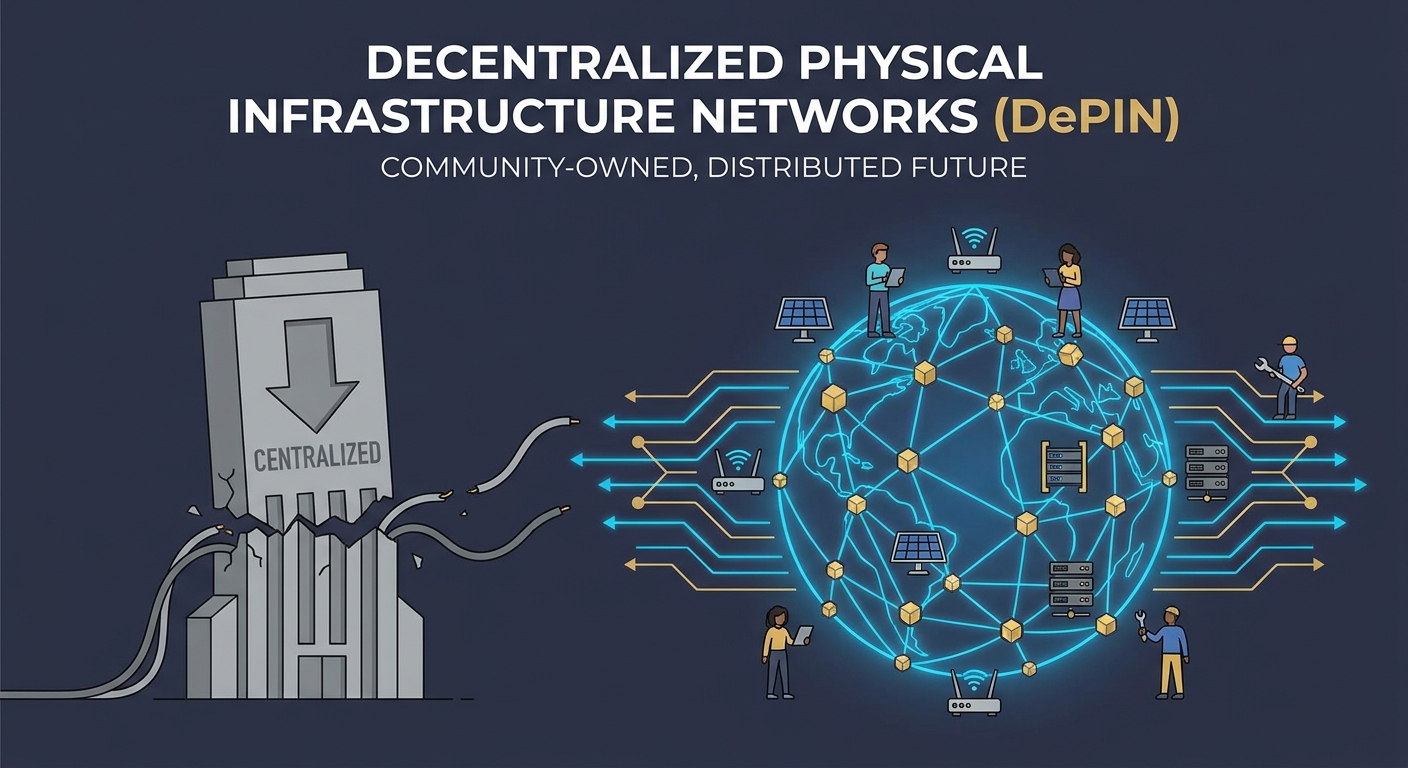
- ✓ DePIN replaces centralized internet monopolies with community-owned physical infrastructure networks.
- ✓ Token incentives bootstrap network growth by rewarding users for sharing spare bandwidth.
- ✓ Zero-knowledge proofs enhance privacy by hiding user identity and metadata from networks.
- ✓ The DePIN flywheel creates a self-sustaining cycle of lower costs and higher performance.
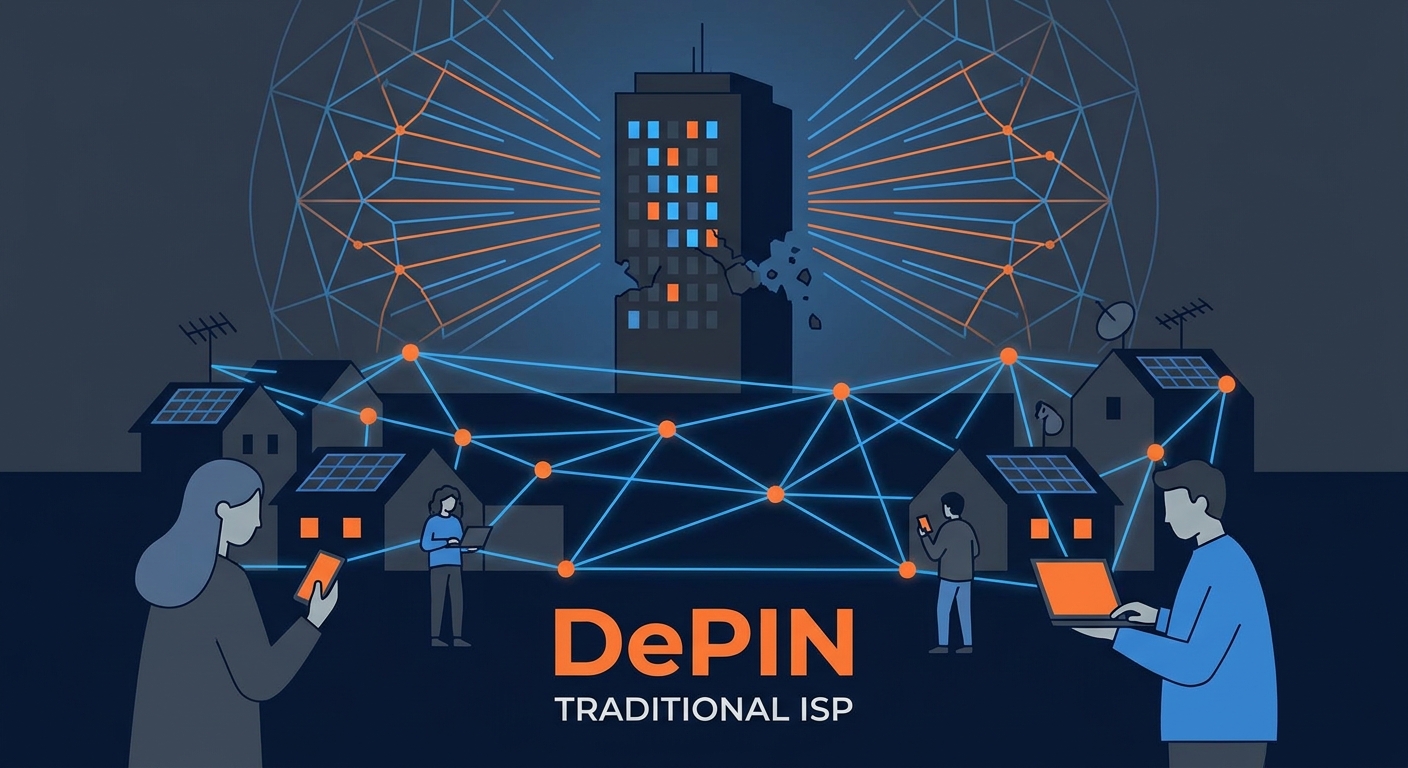
Decentralized Physical Infrastructure Networks—or DePIN, if you like the acronym—mark the biggest shake-up in internet architecture since the cloud first took hold. For years, we’ve been shackled to tech giants who treat our connection as a commodity to be strip-mined for data. DePIN flips the script. Instead of relying on centralized monopolies, it uses blockchain to coordinate hardware. It’s infrastructure owned by the people who actually use it, not a handful of boardroom executives. If you want to see the blueprint for this shift, this report from Messari lays out exactly how these protocols are rewriting the rules of the 2026 digital landscape.
Why Traditional Infrastructure is Cracked
The internet we use today is getting brittle. We’re watching the rise of the "Splinternet"—a fractured mess of geo-blocking, state-sponsored censorship, and ISP throttling. Centralized data centers are single points of failure. If the provider goes dark—or decides you’re no longer welcome—your access vanishes into thin air.
But the real kicker? The privacy trade-off. When you pipe your traffic through a standard ISP or a "no-logs" VPN provider, you’re placing blind trust in a single entity. They see your patterns, your location, and your habits. As noted in The State of Web3 Privacy (2026 Report), the death of anonymity isn't some distant, theoretical risk. It’s the daily reality for billions. Centralized systems have proven, over and over, that they can’t resist the pressure to track and monetize us. DePIN changes the math by cutting the middleman out entirely.
How the DePIN "Flywheel" Actually Works
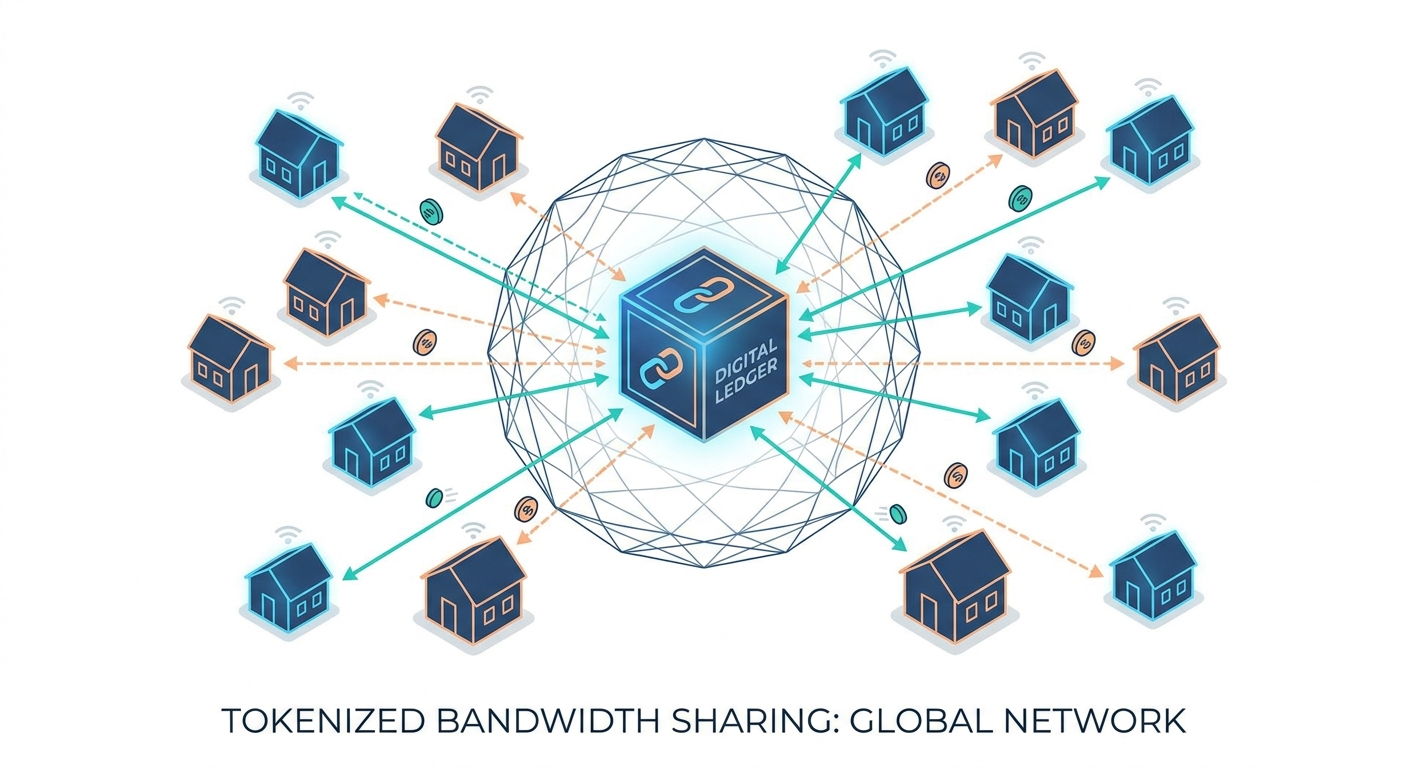
DePIN’s secret sauce is its economic engine. It creates a self-reinforcing loop that aligns what the builders want with what the users need. Most startups burn through mountains of VC cash just to buy users. DePIN protocols do it differently: they use token incentives to bootstrap supply.
By rewarding people for sharing their spare bandwidth or compute power, the network grows organically. More capacity means lower costs. Lower costs mean more users. More users drive demand for the token, which makes it more profitable to run a node. It’s a virtuous cycle—a self-sustaining machine that top-down infrastructure simply can’t replicate.
The Role of Zero-Knowledge Proofs (ZKPs)
Encryption is the baseline, but it isn't enough. Even if your data is scrambled, the metadata—who you are and where you’re connecting from—is still exposed. Enter Zero-Knowledge Proofs (ZKPs). These are the real heavy lifters of modern Web3 privacy.
ZKPs let you prove you’re authorized to access a network or that you’ve paid for a service without ever revealing your identity or specific usage habits. It’s like flashing your passport at a border without letting the guard photocopy it. By baking these proofs into dVPN protocols, we can verify network integrity without keeping a paper trail of logs. For the technical deep-dive on how this works, Ethereum’s documentation on ZK-rollups is the gold standard for understanding the bedrock of private, scalable applications.
DePIN vs. Traditional VPNs: The Reality Check
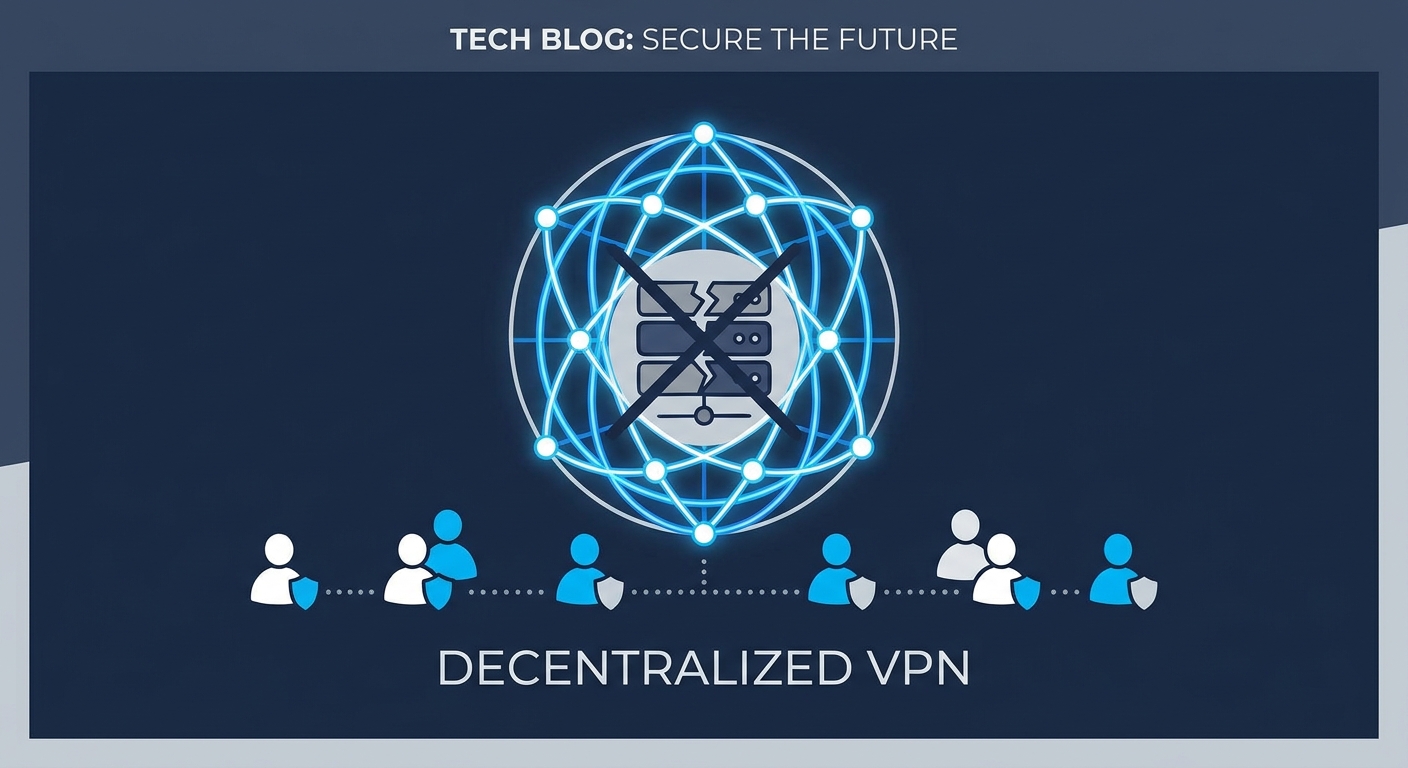
The gap between a centralized VPN and a decentralized one isn't just technical; it’s a fundamental difference in philosophy. A centralized VPN says "no logs," but you have to take their word for it. In a decentralized network, the architecture makes logging impossible.
| Feature | Centralized VPN | DePIN/dVPN |
|---|---|---|
| Data Ownership | Owned by the Provider | Owned by the User |
| Logging | Possible (Trust-based) | Impossible (Math-based) |
| Resilience | SPOF (Server failure) | Distributed (Self-healing) |
| Cost | Fixed Subscription | Pay-as-you-go / Utility |
| Transparency | Black Box | Open Source / Verifiable |
Centralized VPNs are often just another layer of the data-harvesting pie. Decentralized routing kills the gatekeeper. Your data path becomes randomized and ephemeral. Check out how SquirrelVPN ensures your privacy by stripping away the centralized intermediaries that make traditional tracking possible.
Is "Bandwidth Mining" the New Side Hustle?
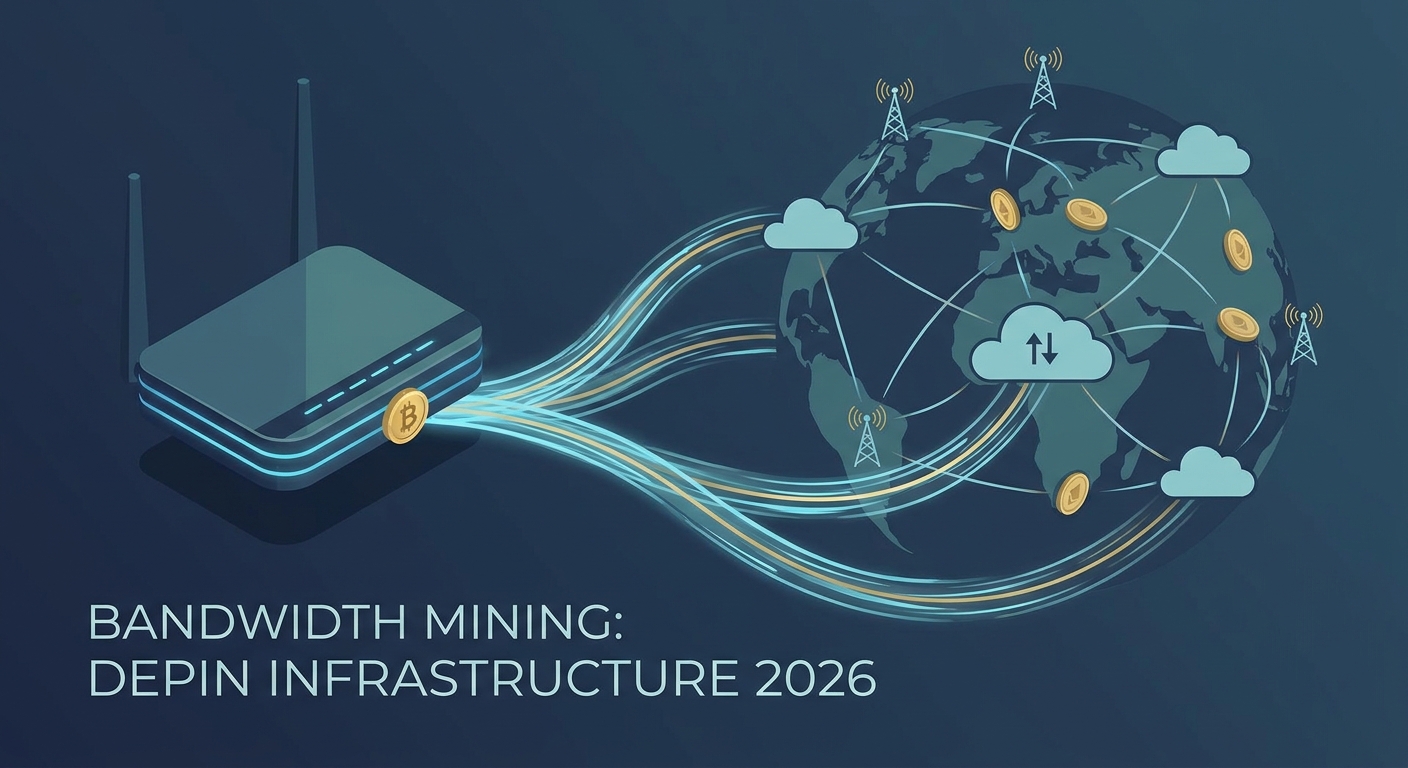
"Plug-and-Earn" hardware is turning average home routers into miniature ISP nodes. This isn't just about mining tokens; it's about plugging into a global, distributed network that provides real-world value.
When you run a node, you’re basically renting out your unused internet capacity to people who need secure, censorship-resistant access. You aren’t just a consumer anymore—you’re a service provider. If you want to help build a more open internet, you can get started with our decentralized node program and see how your hardware can become part of the Web3 backbone.
The Future of Censorship Resistance: 2026 and Beyond
The "Splinternet" is real, but it’s not unbeatable. Decentralized routing is the ultimate bypass. By bouncing your traffic through a multi-hop, peer-to-peer network, you can obscure your origin and destination, effectively routing around geo-blocks and ISP throttling.
The shift from Big Tech clouds to global, distributed compute is inevitable. We’re heading toward a world where internet access is a utility, not a privilege that can be toggled off by a government or a corporation. That’s the promise of DePIN: a resilient, private infrastructure that actually belongs to everyone.
The Risks: A Reality Check on Regulation
Let’s be honest: DePIN is still the Wild West. Token prices swing wildly, and the regulatory landscape for node operators is currently a blank page being written in real-time. Innovation always moves faster than the law, and that gap is where the biggest opportunities—and the biggest risks—live. Before diving in, check your local ISP’s terms of service and keep your eyes open. This is cutting-edge tech, not a guaranteed payday.
Frequently Asked Questions
Is DePIN just another crypto speculation bubble?
Not at all. While early projects were fueled by token hype, the 2026 DePIN landscape is defined by utility. These networks provide actual, usable services like bandwidth, storage, and compute that compete directly with legacy providers on price and performance.
How does a dVPN actually protect my privacy better than a traditional VPN?
Traditional VPNs rely on a central server that you must trust not to log your activity. A dVPN uses a distributed network of nodes where no single entity has a complete view of your traffic, making it mathematically impossible for a single point to record your history.
Do I need technical skills to join a DePIN network or run a node?
The industry has moved toward "plug-and-play" hardware. Many modern nodes are as simple to set up as a standard home router, allowing non-technical users to participate in the network without needing to manage complex software configurations.
Is it legal to share my bandwidth on these networks?
Generally, yes, but you should always review your ISP’s terms of service. Most residential plans allow for personal usage, but participating in a global network is a gray area that is currently being tested by the rapid adoption of decentralized infrastructure globally.
How do I know if my data is truly secure in a decentralized network?
Because the network is open-source and decentralized, the protocols are subject to community audit. Your data is encrypted end-to-end, and the decentralized routing ensures that the nodes handling your traffic never have access to your personal identity or your unencrypted data packets.