The Ultimate Guide to Bandwidth Monetization: Getting Started with Tokenized Networks in 2026
TL;DR
- ✓ Turn your idle internet bandwidth into a consistent passive income stream.
- ✓ Learn how DePIN technology connects users directly to AI infrastructure buyers.
- ✓ Understand the role of tokenized networks in democratizing internet connectivity.
- ✓ Discover how modern encryption and ZKPs keep your browsing data secure.
Your internet connection isn't just a monthly bill that drains your bank account. It’s an asset. In 2026, residential IP addresses have become the "gold" of the AI supply chain. Big tech companies are desperate for real-world, human-like data to train their models, and they’ve realized that traditional data centers just don’t cut it. They get flagged, blocked, and filtered.
What they need is you.
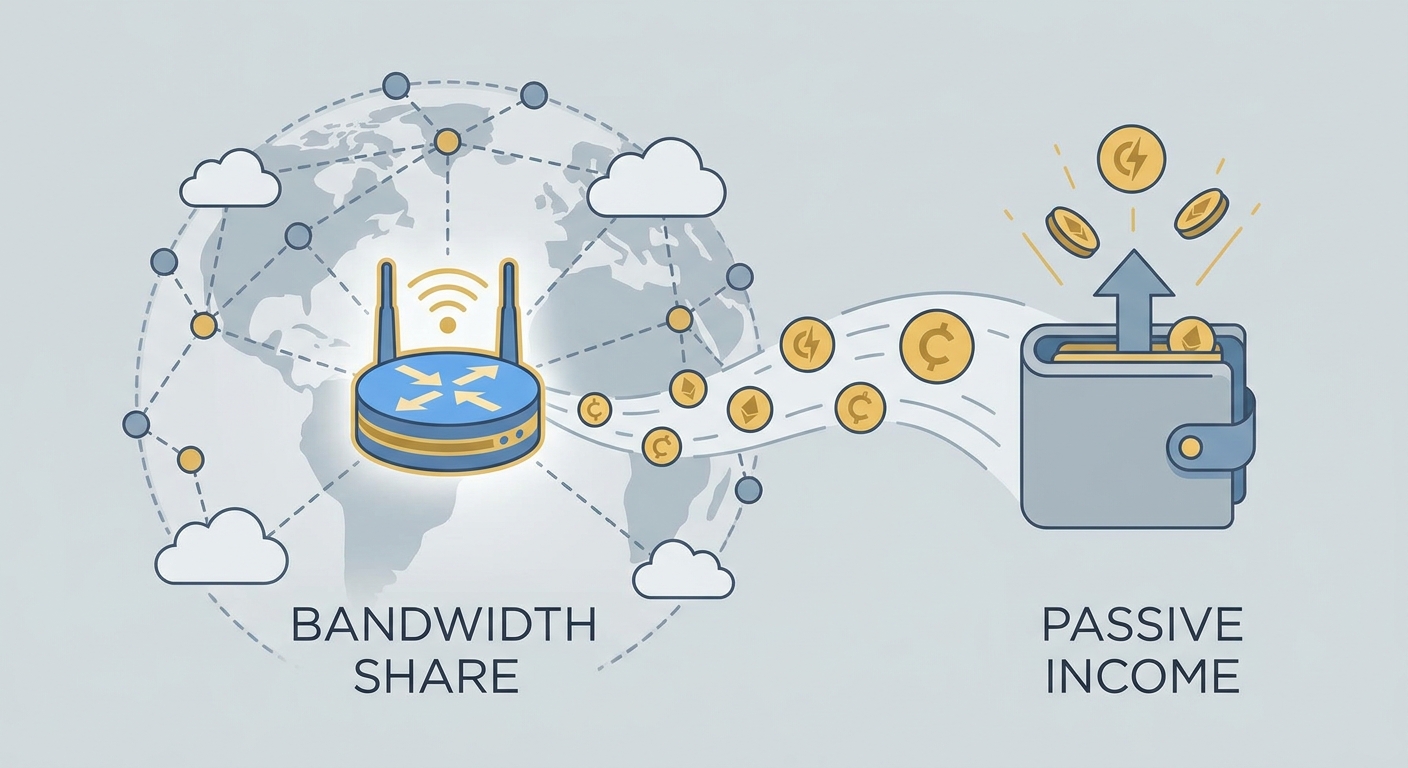
By turning your idle bandwidth into a revenue stream, you’re moving from a passive consumer to an "Infrastructure Provider." You aren't just browsing the web anymore—you’re powering it.
The New Digital Economy: From Utility Bill to Revenue Stream
For years, we’ve treated bandwidth like electricity: a flat-rate utility we pay for and forget. That era is dead. AI companies are currently hitting a brick wall. They need massive amounts of verifiable data, but they can’t get it through corporate servers. They need the "human" digital fingerprint that only a residential connection provides.
This is the AI-Infrastructure Nexus. When you share your bandwidth, you aren't "mining" crypto in the sense of burning up your GPU or spiking your electric bill. You’re providing a service. You’re the bridge that allows AI agents to see the internet the way a human does. You’re renting out the excess capacity of your connection, and in return, the market rewards your uptime, reliability, and data integrity with tokens.
What Exactly is DePIN and Why Does it Matter in 2026?
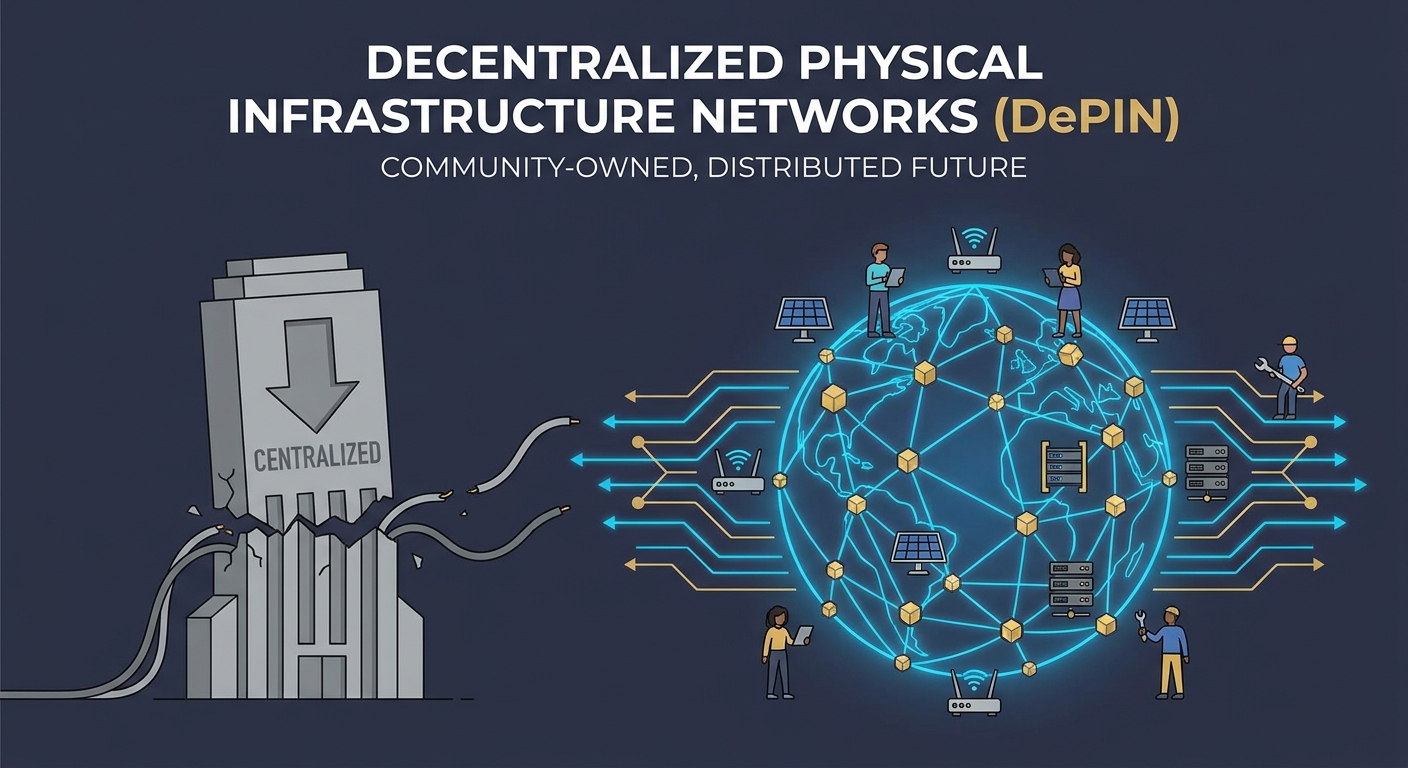
DePIN—Decentralized Physical Infrastructure Networks—is the biggest shift in how we handle connectivity since the early days of the web. If you’re curious about the technical backbone, check out what is DePIN. At its core, DePIN cuts out the middleman. No more massive, opaque cloud providers. Instead, we have a distributed network of real people.
Enterprise buyers are ditching proxy farms. They’re expensive, they’re messy, and they get blocked instantly. Decentralized networks offer them a transparent, reliable alternative. This is why many experts argue that DePIN is the Future of Infrastructure. It democratizes ownership. You aren't just earning a few bucks; you’re helping build a web that’s harder to censor and easier to access.
How Does Bandwidth Monetization Actually Work?
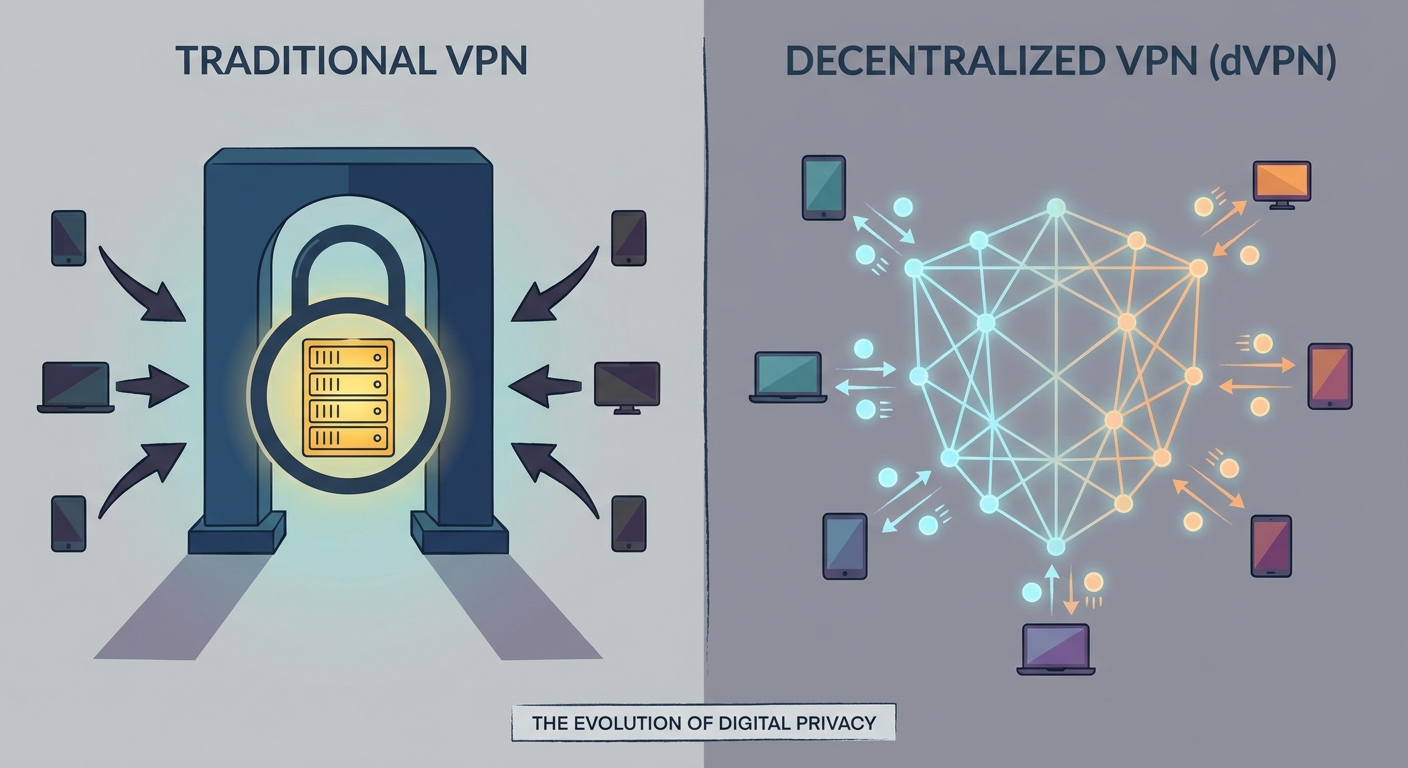
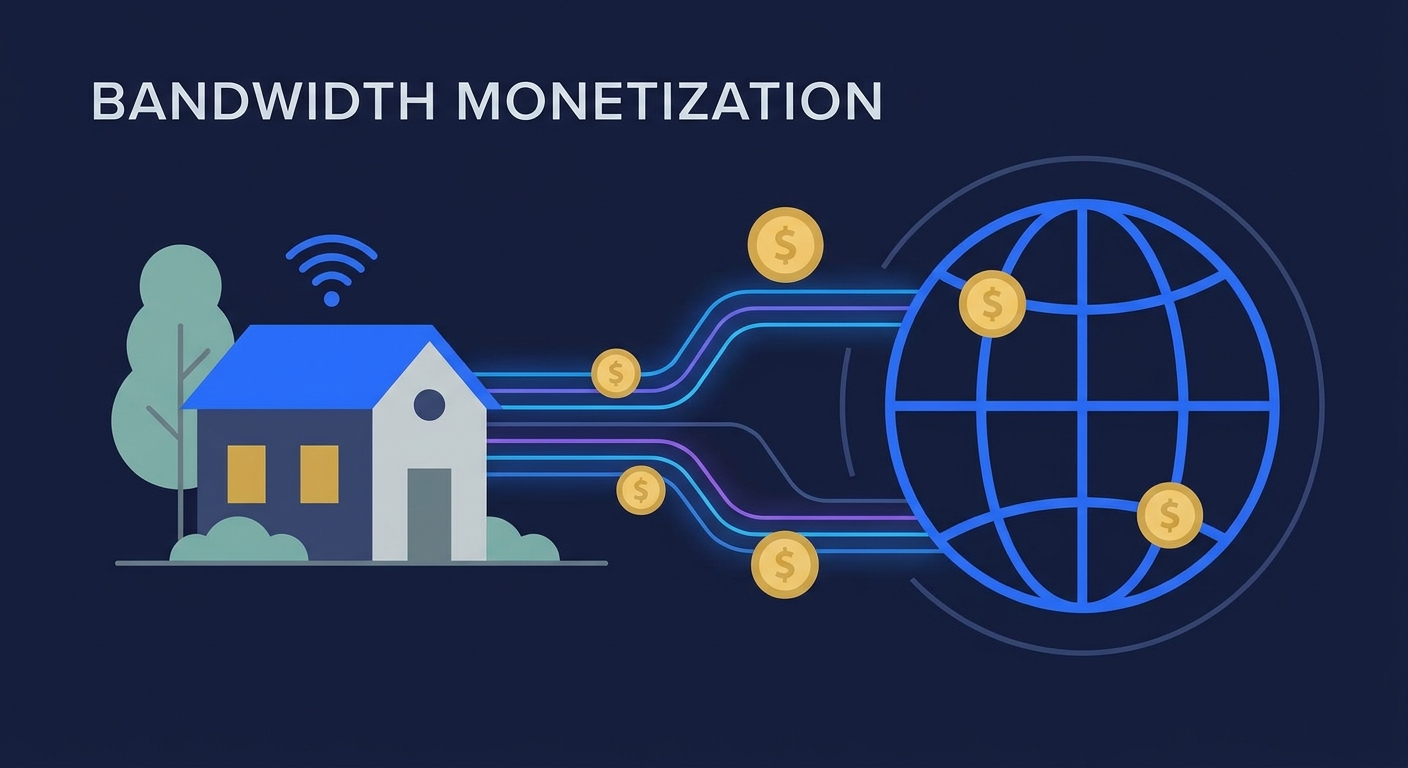
It’s surprisingly simple. You install a lightweight client, it creates a secure, encrypted tunnel to a relay, and your device acts as an exit node when an enterprise user needs to verify a website or scrape data.
Security? It’s locked down. Modern protocols use Zero-Knowledge Proofs (ZKPs). This keeps your identity decoupled from the traffic. You’re essentially a secure gateway. The network validates the data without ever peeking into your private browsing history. You’re safe, you’re anonymous, and you’re paid.
Why is Geographic Arbitrage Driving Your Earnings?
You’ve probably seen people complaining online that their earnings are lower than someone else’s. Welcome to the world of geographic arbitrage.
Not all bandwidth is valued the same. If you’re in a "High Demand" zone—think major US cities, London, or Western European hubs—your IP address is worth a premium. Why? Because the AI models need to understand the internet experience of those specific regions to be accurate. A request from a residential ISP in New York is worth way more to a market researcher than one from a data center.
A word of advice: stop looking for "get-rich-quick" schemes. This is passive income, not a lottery ticket. Your earnings will fluctuate based on demand. Treat this as a long-term infrastructure play, and you’ll see the rewards stack up over time.
Top Projects Shaping the Ecosystem
The "Wild West" phase is ending. We’re moving into an era of enterprise-grade reliability. Here are the big players:
- Grass: Currently the heavy hitter. Grass.io set the gold standard for ethical AI data scraping. It’s a browser extension that runs in the background with almost zero effort. Their documentation is arguably the best starting point for beginners.
- Helium Mobile: They started with wireless, but they’ve become a blueprint for how to tokenize physical infrastructure.
- Titan Network: If you want more control, the Titan Network is your go-to. It’s a node-based approach. It requires a bit more technical know-how, but it’s built for those who want stability and higher potential rewards.
Usability Scorecard
| Project | Ease of Use | Technical Commitment | Primary Use Case |
|---|---|---|---|
| Grass | High | Low (Extension) | AI Data Scraping |
| Helium | Medium | Medium (Hardware) | Wireless/Connectivity |
| Titan | Low | High (Node/Server) | Infrastructure/Storage |
The Privacy-First Approach: Is Your Data Safe?
I get it. The idea of letting "strangers" use your internet connection sounds sketchy. But here’s the reality: these protocols are built for privacy. Your identity is stripped away from the traffic. The person using your bandwidth is an enterprise buyer, and they have zero access to your local network, your files, or your Netflix history.
Before you dive in, always check our privacy promise. A reputable network will never ask for your passwords or access to your local drive. It’s all network-layer traffic.
Actionable Roadmap: How to Get Started Today
Want to start earning by this afternoon? Follow these steps:
- Pick Your Tool: Decide if you want a simple browser extension (like Grass) or a dedicated app (like Titan). Make sure it’s something you can leave running without it killing your computer's performance.
- Check Your ISP: Most residential internet providers don’t care, but check your Terms of Service just to be safe. You don't want any surprises.
- Watch the Dashboard: Keep an eye on your uptime. Uptime is the secret sauce for consistent payouts. If you’re offline, you aren't earning.
- Secure Your Wallet: Create a dedicated Web3 wallet for your earnings. Do not use your primary "cold storage" wallet. Keep your earnings separate—it makes tax season a lot less painful.
Frequently Asked Questions
Is sharing my bandwidth safe for my home network?
Yes. Modern protocols use encrypted tunnels that isolate the traffic passing through your device. The enterprise buyers interacting with your network have no access to your local devices, smart home appliances, or private data; they are merely using your connection as a gateway to the public web.
Do I need expensive hardware to start earning in 2026?
Absolutely not. The trend has shifted heavily toward lightweight browser extensions and mobile applications that run in the background. You can start with the computer or phone you already use daily.
Will this affect my internet speed or data caps?
In most cases, the impact is negligible. Most platforms allow you to set bandwidth limits, ensuring that the network only uses a fraction of your available speed during idle times. However, if you have a capped data plan, monitor your usage in the first month to ensure the background traffic doesn't trigger overages.
How are these tokens taxed or regulated in 2026?
In 2026, most jurisdictions view tokens earned through network participation as either miscellaneous income or business revenue. It is essential to track your rewards and consult with a tax professional, as you are responsible for reporting the value of these tokens at the time they are received.
Why is my earning potential lower than what I see online?
Earnings are hyper-local. If you are in a region with low demand for AI training data, your payouts will be lower than someone in a high-demand Tier-1 city. Additionally, connection stability and uptime play a massive role; a node that stays online 24/7 will always outperform one that is frequently disconnected.