Airbnb for Bandwidth: How You Can Earn Crypto by Sharing Your Internet Connection
TL;DR
- ✓ Turn your idle home internet connection into a passive income stream using DePIN.
- ✓ Earn crypto rewards by providing residential IP addresses to AI and research companies.
- ✓ Understand how bandwidth mining acts as a decentralized alternative to traditional data centers.
- ✓ Benefit from a secure and automated node-based system that operates in the background.
You’re already paying for a massive digital pipe that sits mostly idle. Think about it: when you’re asleep, at the office, or just binge-watching a show, your connection is humming along with plenty of unused capacity. It’s essentially a vacant hotel room that no one is sleeping in.
What if you could rent that out?
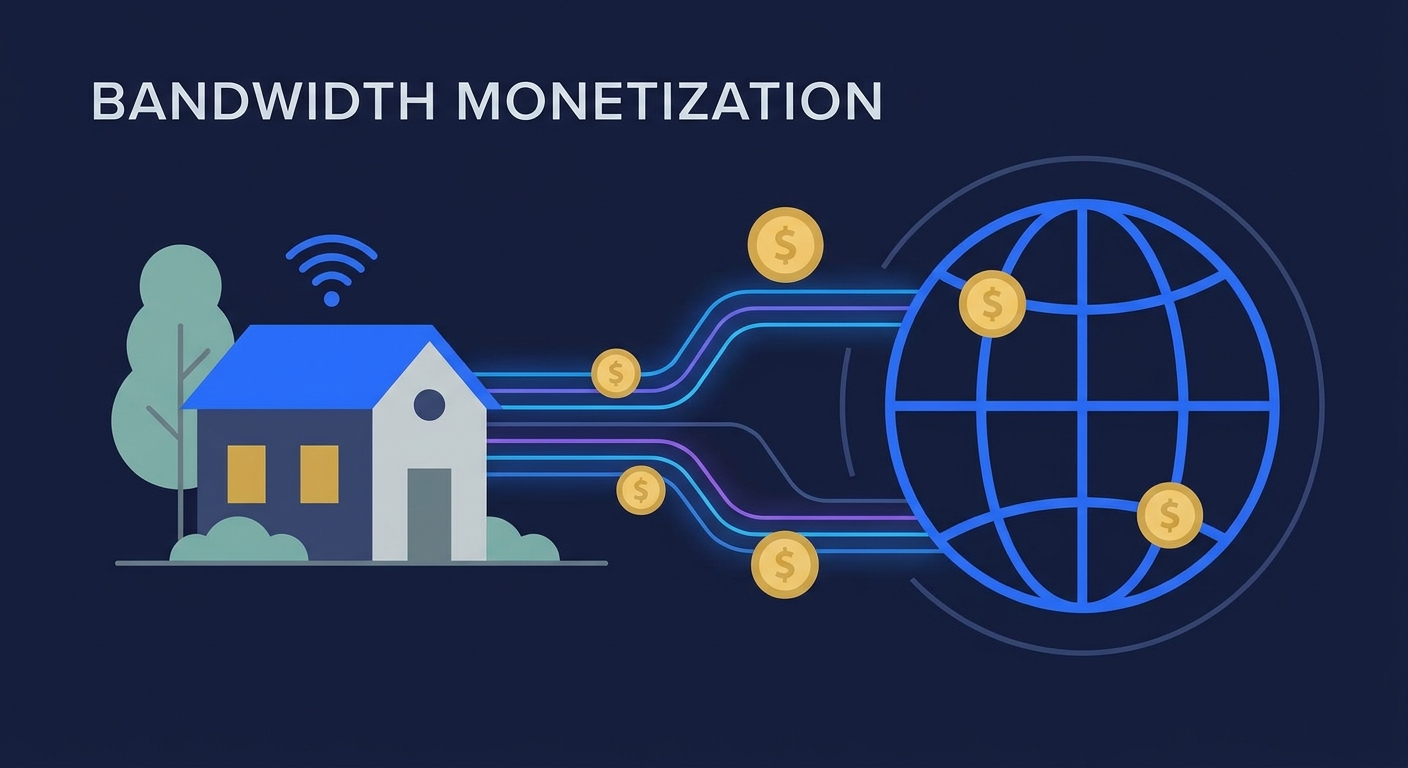
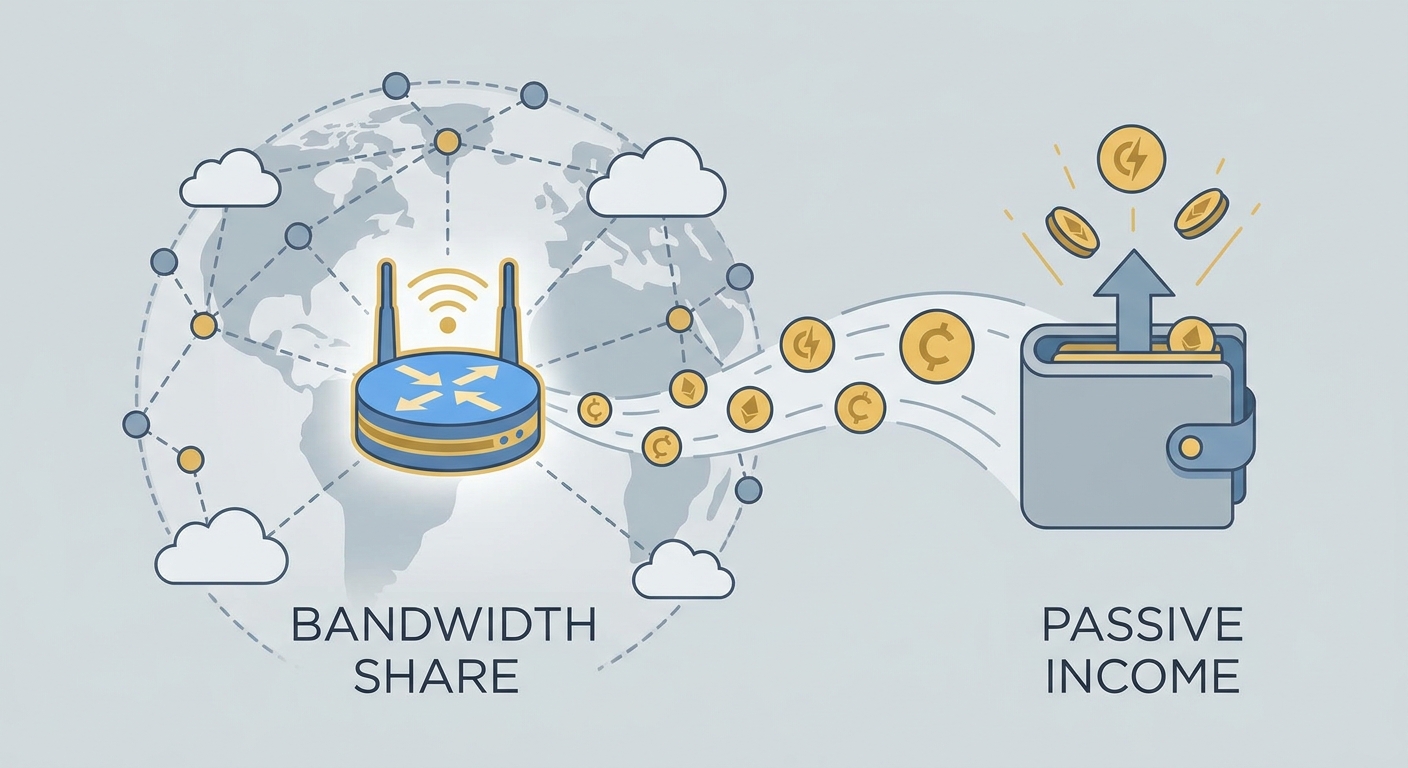
That’s the core idea behind the latest shift in decentralized infrastructure. By sharing your bandwidth, you turn a dormant utility into a digital asset. You’re essentially leasing your spare internet to AI companies and data aggregators who desperately need it. In return, you get paid in crypto.
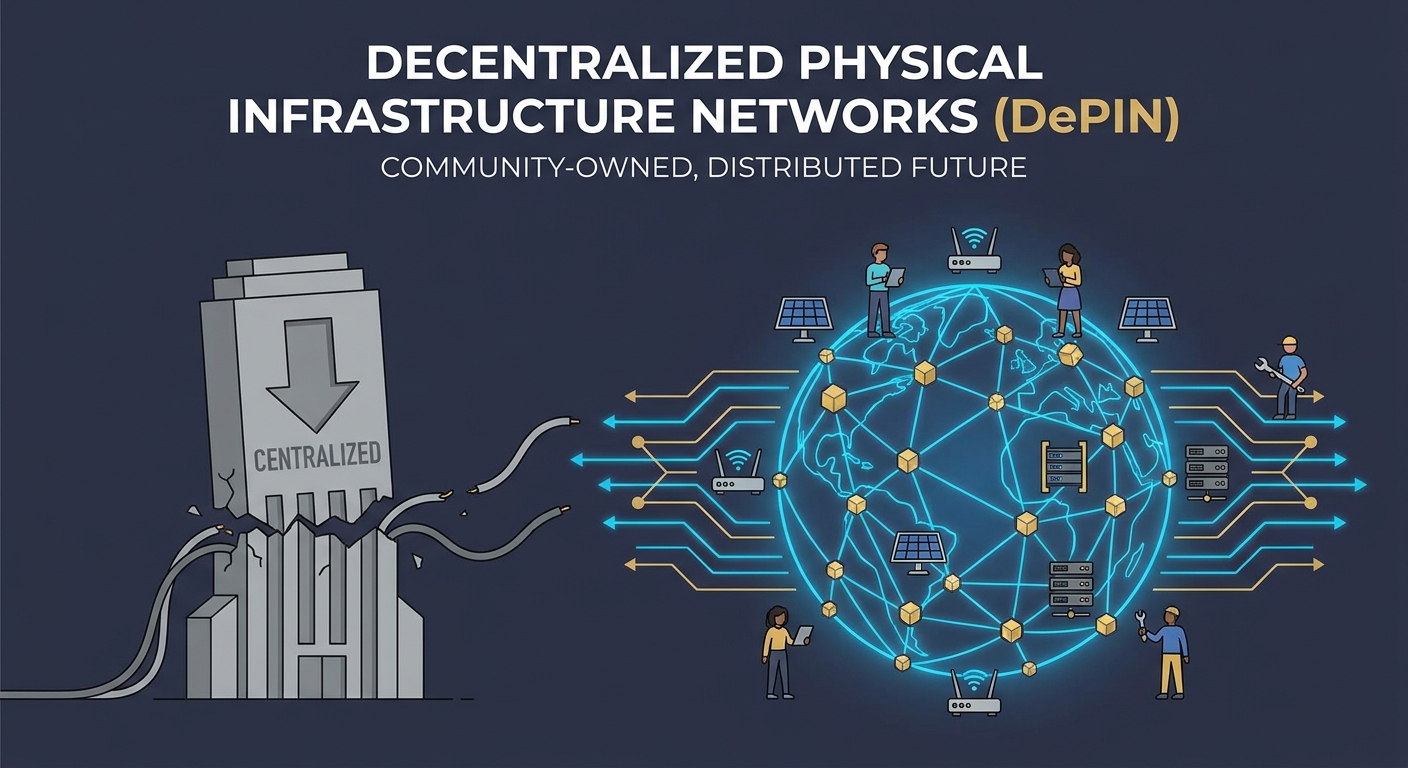
Welcome to the world of DePIN—Decentralized Physical Infrastructure Networks. It’s the bridge between your router and the massive global demand for residential-grade internet. Big tech and AI researchers are tired of being blocked by the rigid geo-fencing that plagues traditional data centers. They need "clean" residential IP addresses to train models and run market research. Instead of building their own massive, expensive networks, they’re outsourcing the heavy lifting to folks like you.
The Unused Asset in Your Router
Most of us treat our home router like a background appliance—a black box we only notice when the Wi-Fi drops. But that box is actually a gateway to a global marketplace. When you aren’t saturating your upload and download speeds, that space is real estate.
In the old days, corporations grabbed residential data through shady, centralized proxy services. DePIN flips the script. By running a node, you stop being a passive user and start being the infrastructure. You’re the host. When you share a slice of your bandwidth, you aren’t just earning a few tokens; you’re helping build a more resilient, censorship-resistant internet. You’re helping decentralize the web, pulling power away from the walled gardens of the massive data centers that currently hold all the cards.
How Does Bandwidth Mining Actually Work?
At its heart, bandwidth mining is just creating a "bridge" for traffic. AI companies and data scrapers are in a constant tug-of-war with bot-detection systems. If a request hits a server from a known data center IP, it gets blocked or fed "honey-potted" (fake) data. But if that same request comes from a residential IP—your IP—it looks and acts like a real person browsing the web.
This is where the bandwidth proof protocol comes into play. Your node proves to the network that it’s active, stable, and providing a legitimate residential connection. In exchange, the network drips tokens into your wallet.
The heavy lifting is all automated. Your node talks to the network layer, which gathers traffic from various sources. The protocol keeps tabs on your uptime and how much data you’ve pushed, ensuring you get paid for your contribution. Plus, the network is designed to filter out the weird stuff, making sure your connection is only used for verified, non-malicious tasks.
The Best Platforms to Start Earning Today
The "get-rich-quick" phase of crypto is mostly behind us, and that’s a good thing. Today’s projects are focused on actual utility and sustainable tokenomics. Projects like Grass, Titan Network, and OpenLoop are the current heavy hitters.
| Platform | Ease of Use | Hardware Requirement | Earning Potential |
|---|---|---|---|
| Grass | High (Browser Extension) | Minimal | Moderate |
| Titan | Medium | PC/Docker/Node | High |
| OpenLoop | High | PC/Browser | Moderate |
If you want to keep a pulse on the market, track real-time network growth on DePINscan. And if you’re curious about whether the tokens you’re earning are trending up or down, view market-wide token performance via CoinGecko’s DePIN category. These tools strip away the marketing fluff and give you the raw data you need to decide if it’s worth your time.
How Much Can You Actually Earn?
Let’s keep it real: this isn’t a path to early retirement. This is "beer money." It’s a way to chip away at your monthly internet bill or stack a little extra crypto while you sleep. Your take-home pay depends on three things: where you live, how long your node stays online, and how hungry the network is for your specific region.
If you’re in a Tier 1 country like the US, UK, or Germany, you’re in high demand. Scrapers want your IP, so your rewards tend to be more consistent. But remember, markets shift. As industry growth and institutional interest reports from Messari suggest, this sector is a wild ride. Don’t bank on this as a salary. Treat it as variable income. Electricity costs for a software node are basically zero, but if you go full-tilt with dedicated hardware, keep an eye on your power consumption so you don't eat your own profits.
Is Sharing Your Internet Safe?
Safety is the elephant in the room. When you open your connection, you’re letting traffic route through your home. The big fear is liability: what if someone does something illegal through your IP?
Reputable DePIN projects act as a "residential proxy" network. They use strict filters to make sure the traffic is legitimate—like SEO monitoring or web scraping—rather than anything illicit. Still, it pays to be smart. If you want peace of mind, read up on best practices for your home network security.
Pro-Tip: Run your node on a guest network or inside a Docker container. This creates a digital firewall between your node and your personal laptop, phone, and smart home devices. Even in a worst-case scenario, your private data stays isolated. If you’re new to this side of the tech, understanding personal privacy in the Web3 era is a must-read for any aspiring network entrepreneur.
Software vs. Dedicated Hardware: Which Path Should You Choose?
Most people start with a browser extension. It’s the "low-friction" entry point. You click install, log in, and forget it exists. It’s great for testing the waters, but it’s tethered to your computer. If your PC is off, your earnings stop.
The industry is moving toward dedicated DePIN hardware. Think of these as small, specialized boxes—roughly the size of a router—that you plug directly into your modem. They’re built to run 24/7 with tiny power draw. If you’re serious about this as a long-term hobby, dedicated hardware is the gold standard. It provides the rock-solid uptime the network craves, which usually translates to more consistent rewards.
Why Decentralized VPNs are Evolving Beyond Simple Bandwidth Sharing
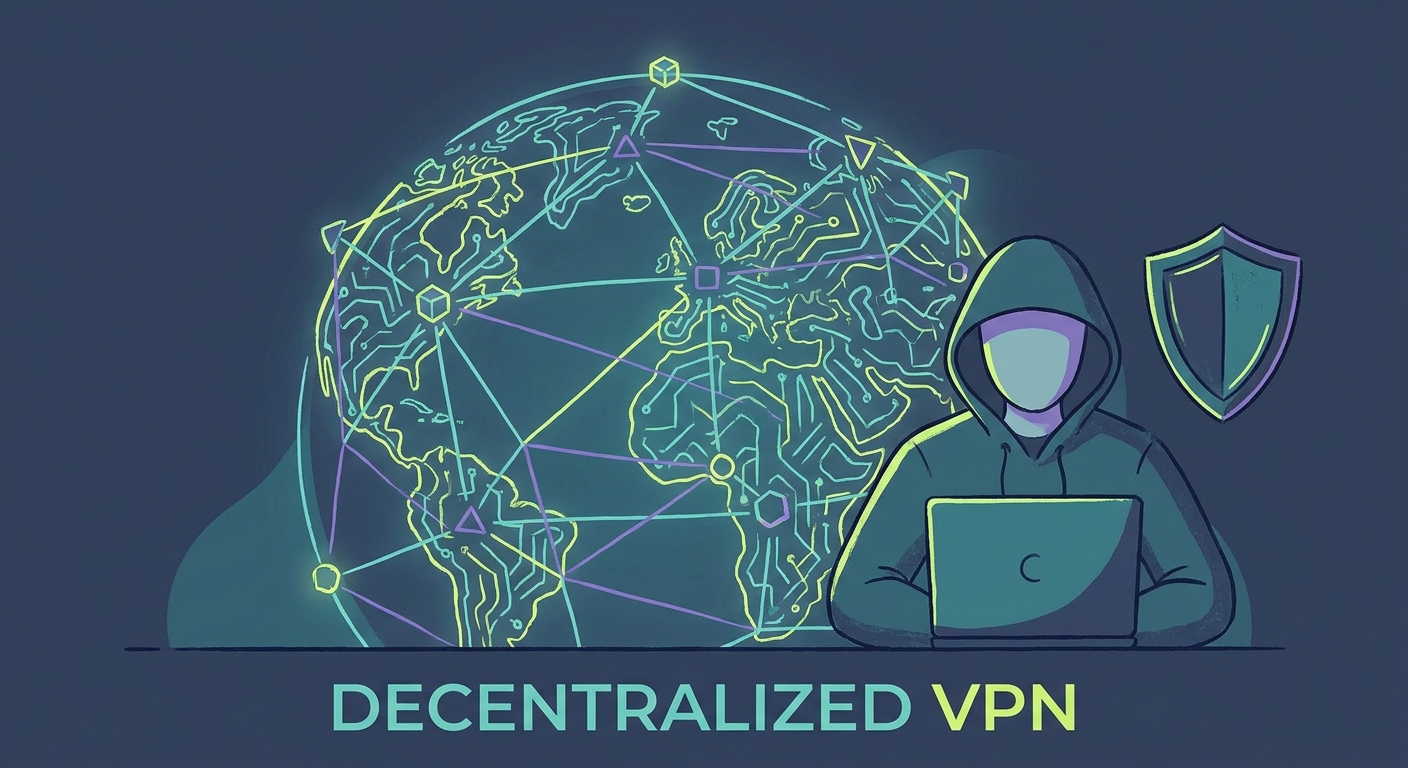
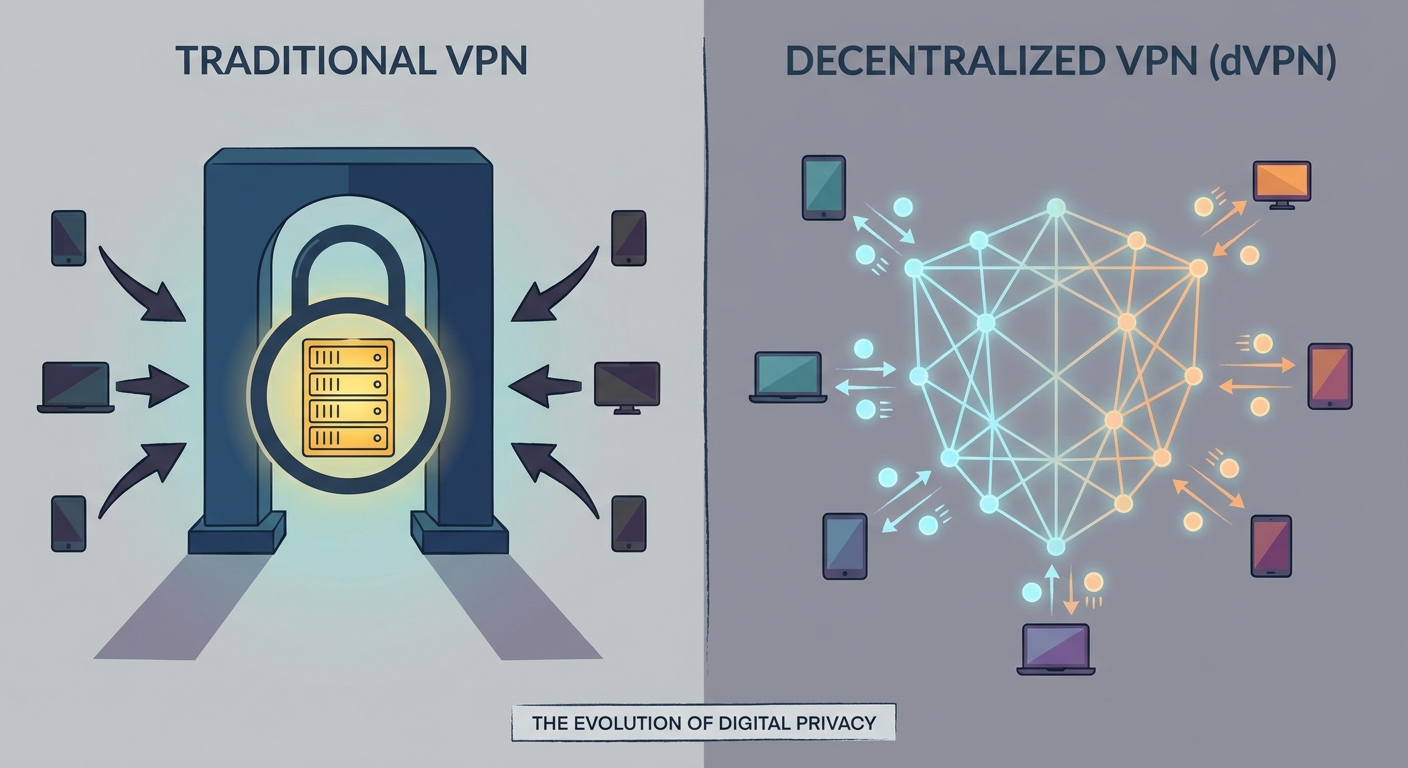
The narrative is shifting. It’s not just about "selling your data" anymore; it’s about participating in a movement. Traditional VPN providers are centralized, which means they can log your activity or be strong-armed by governments to hand over your data.
Decentralized VPNs (dVPNs) work differently. By participating, you aren't just earning tokens—you’re contributing to a censorship-resistant infrastructure. You’re helping build an internet that can’t be shut down by a single corporation or central authority. It turns your home connection into a node of global freedom, making the whole web a little more robust and a lot less reliant on the giants.
Frequently Asked Questions
Is sharing my bandwidth safe, and can I be held liable for what others do on my connection?
Reputable DePIN networks use strict filtering to ensure that only verified, legitimate traffic passes through your node. However, you should always isolate your node using a guest network or Docker container to protect your personal devices.
How much money can I actually earn, and does it cover my electricity costs?
Earnings are variable based on your location and network demand. While most users earn enough to cover a portion of their internet bill, it is best viewed as passive "beer money" rather than a full-time income.
Does sharing my internet connection slow down my browsing or gaming experience?
Most platforms allow you to set bandwidth limits. By capping the percentage of your connection that the node can use, you can ensure that your gaming and streaming remain unaffected while your node continues to earn in the background.
Do I need a high-end PC to participate in bandwidth mining or DePIN networks?
No. Most software-based nodes are incredibly lightweight and can run on basic hardware, such as an old laptop or even a Raspberry Pi. Dedicated hardware nodes are even more efficient.
What happens if I go offline or have a dynamic IP address?
Most networks are designed to handle dynamic IPs, which are standard for residential connections. If you go offline, your node simply stops earning; there are generally no penalties for downtime, though consistency is usually rewarded.