Censorship-Resistant Routing via Multi-Hop Tokenized Relays
TL;DR
The breakdown of traditional vpn models
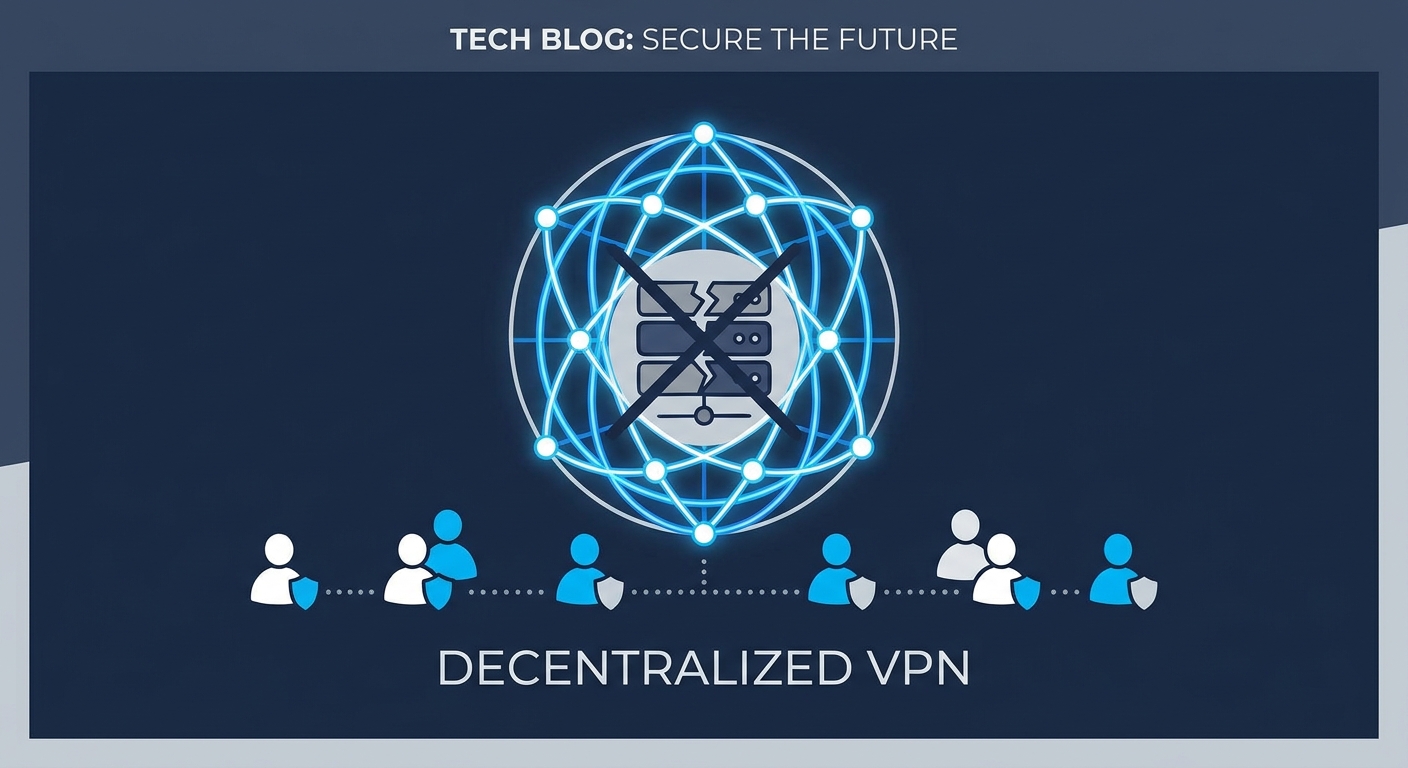
Ever feel like your VPN is just a fancy way of handing your data to a different middleman? Most people think they're invisible online when they toggle that "connect" button, but the truth is the old-school vpn model is basically a centralized house of cards waiting for a breeze to knock it over.
Traditional vpns usually own or rent big clusters of servers in data centers. This is great for speed, but it’s a nightmare for actual privacy. If a government wants to block a service, they just blackhole the known ip addresses of those data centers. It’s like trying to hide a skyscraper; eventually, someone’s gonna see it.
Then you got the "honeypot" risk. When one company manages all the traffic, a single breach at the head-end means every user's session data is potentially up for grabs. We've seen this in various sectors where centralized databases get popped, and suddenly millions of records are on the dark web. vpns aren't immune to that.
And don't even get me started on "no-log" policies. You’re basically taking a ceo's word for it. Without open-source audits or a decentralized architecture, you can't actually verify what's happening to your packets once they hit the tun0 interface—which is just the virtual tunnel interface where your data enters the VPN software—on their end.
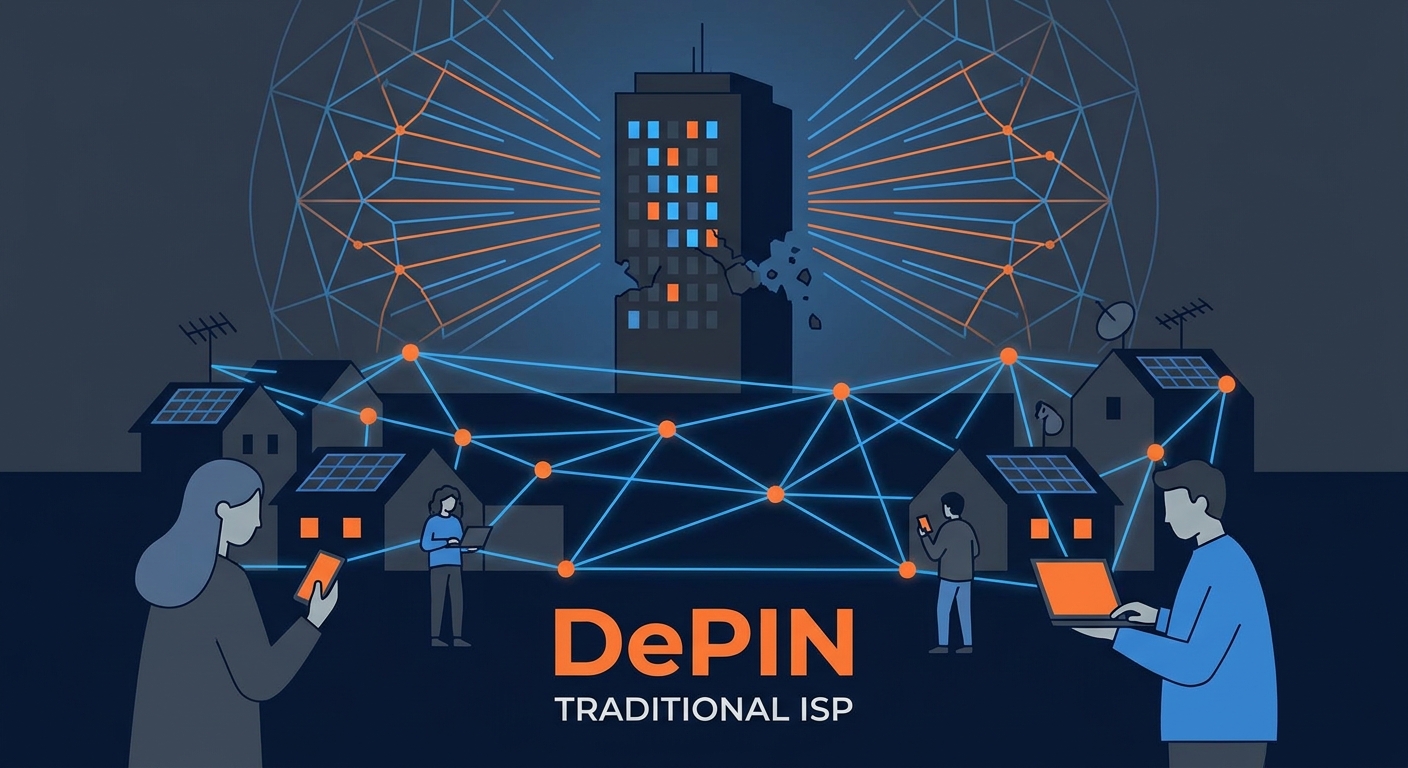
The shift toward decentralized networks (dVPNs) isn't just a trend; it's a necessity for surviving modern censorship. Instead of relying on a corporate data center, we’re moving toward DePIN (Decentralized Physical Infrastructure Networks). This means the "nodes" are actually residential connections—real people sharing a slice of their bandwidth.

According to research on the MEV Ecosystem at ethereum research (2024), moving toward decentralized mempools and public auctions helps kill off predatory "sandwich attacks" and centralizing forces. The same logic applies to your internet traffic. By distributing the load across thousands of p2p nodes, there's no single server for a firewall to target.
Anyway, this shift to p2p is just the start. Next, we gotta look at how token incentives actually keep these nodes running without a boss.
Understanding multi-hop tokenized relays
Ever wondered why your packets take a direct flight to a VPN server only to get stopped by a basic firewall at the border? It’s because a single hop is a single point of failure—like wearing a neon sign in a dark alleyway.
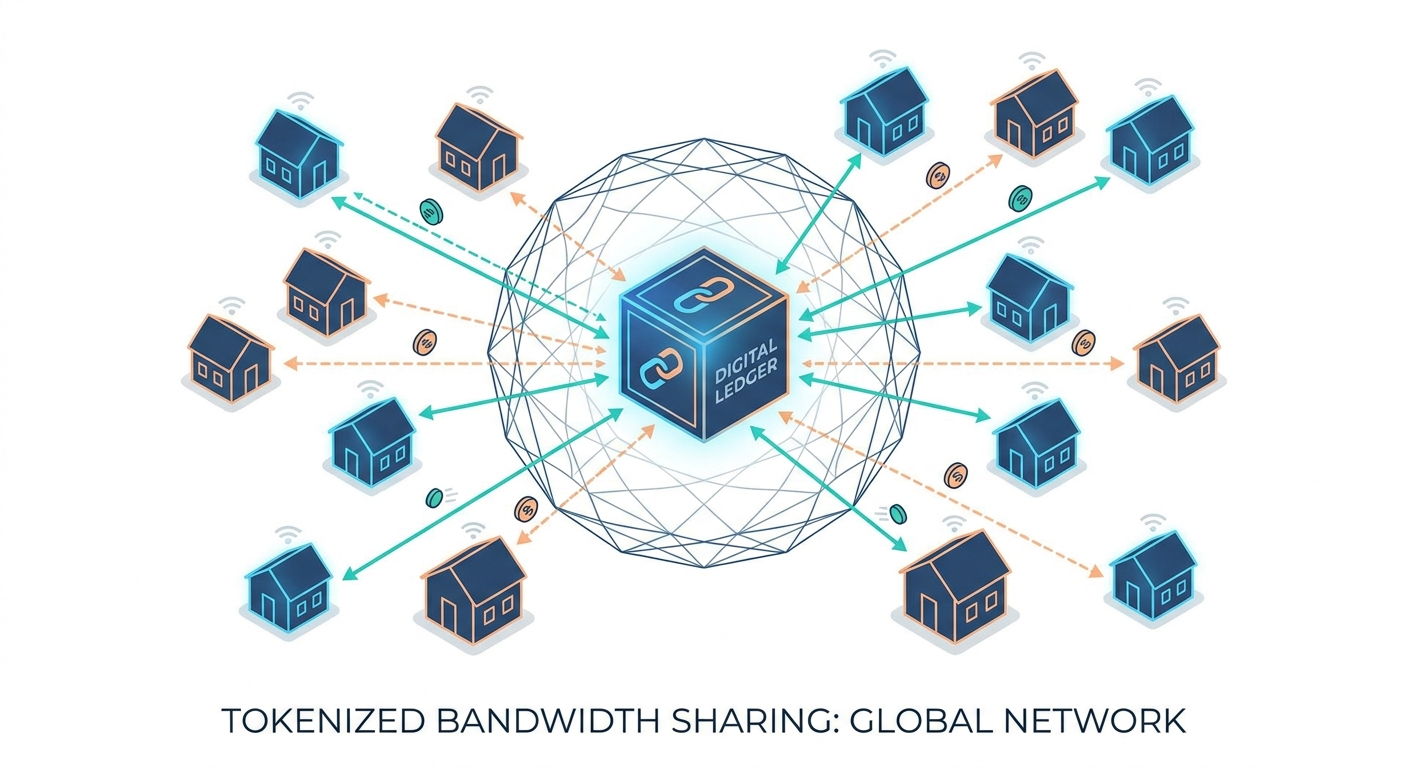
Moving to a multi-hop setup changes the game entirely. Instead of one tunnel, your data bounces through a chain of independent nodes. In a tokenized ecosystem, these aren't just random servers; they are part of a decentralized bandwidth marketplace where every relay has "skin in the game."
In a standard setup, the exit node knows exactly who you are (your IP) and where you’re going. That sucks for privacy. Multi-hop—specifically when built on onion routing principles—wraps your data in layers of encryption.
Each node in the chain only knows the "hop" immediately before and after it. Node A knows you sent something, but doesn't know the final destination. Node C (the exit) knows the destination, but thinks the traffic originated from Node B.

This prevents "exit node sniffing." Even if someone is watching the traffic leave Node C, they can't trace it back to you because of the intermediate layers. For developers, this is often handled by specialized tunneling protocols like wireguard or custom implementations of the onion routing spec.
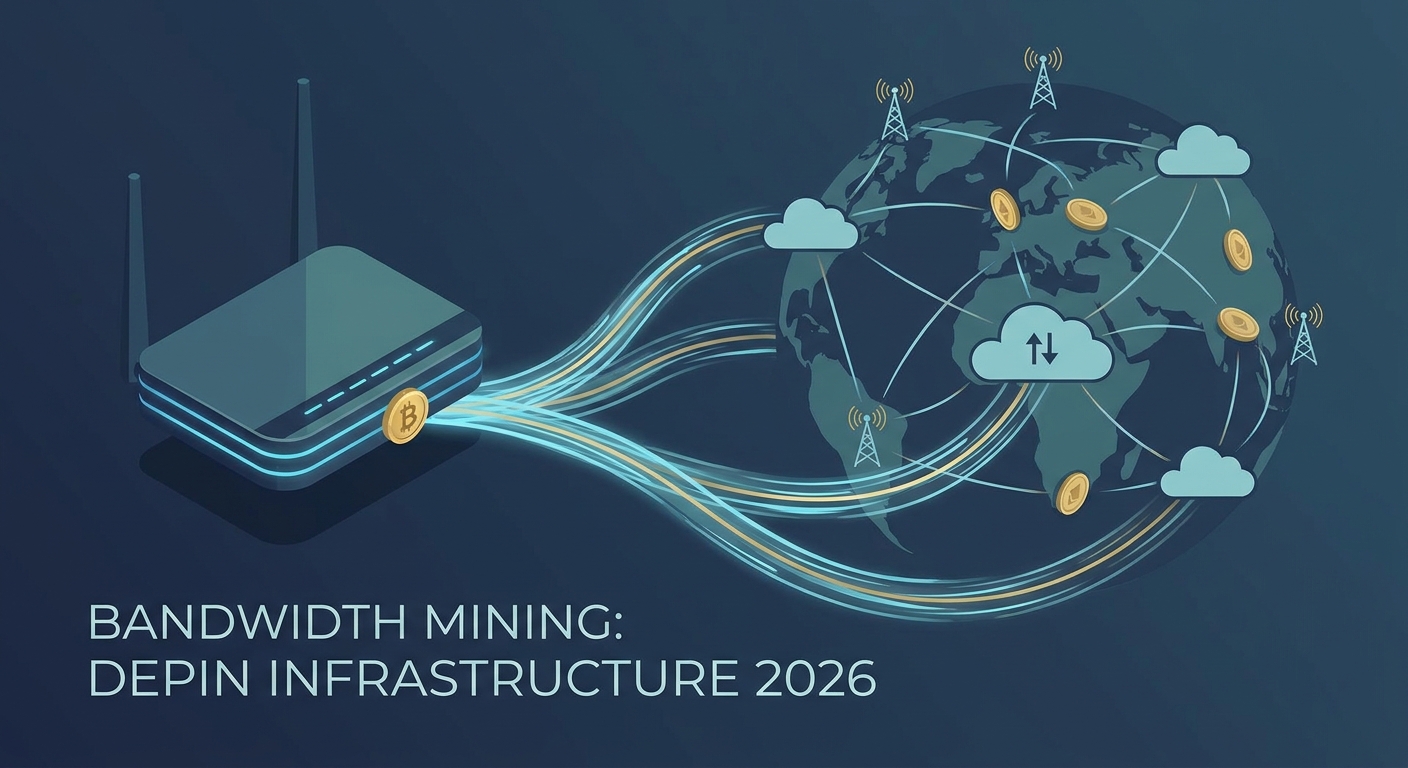
Why would a random person in Berlin or Tokyo let your encrypted junk pass through their home router? In the old days, it was strictly volunteer-based (like Tor), which meant slow speeds. Now, we have "bandwidth mining."
According to How to Remove the Relay by paradigm (2024), removing centralized intermediaries can significantly reduce latency and stop a "single boss" from controlling the flow. While that paper suggests removing relays to streamline things, dVPNs take a slightly different path: they replace the centralized relay with multiple decentralized ones. It achieves the same goal of removing the middleman but keeps the privacy of the multi-hop path.
It's a messy, beautiful bit of game theory. You pay a few tokens for privacy, and some guy with a high-speed fiber connection gets paid to keep your trail cold.
Next, we need to look at the actual math—specifically how "Proof of Bandwidth" proves these nodes aren't just faking the work.
The technical backbone of censorship resistance
So, we've talked about why the old vpn model is basically a leaky bucket. Now, let’s get into the actual "how" of making a network that can't be easily turned off by some bored bureaucrat with a firewall.
The coolest bit of tech hitting this space right now is Silent Threshold Encryption. Usually, if you want to encrypt something so a group of people (like a committee of nodes) can decrypt it later, you need a massive, messy setup phase called a DKG. It’s a headache for devs.
But we can actually use existing bls keypairs—the same ones validators already use for signing blocks—to handle this. This means a user can encrypt the routing instructions (not the actual payload, which stays end-to-end encrypted) to a "threshold" of nodes.
The routing data stays dark until, say, 70% of the nodes in that hop-chain agree to pass it along. No single node has the key to see the full path. It’s like a digital version of those bank vaults that need two keys to open, except here, the keys are scattered across a dozen residential routers in five different countries.

Most firewalls look for patterns. If they see a ton of traffic going to one "relay" or "sequencer," they just snip the wire. By using threshold encryption and inclusion lists, we remove that central "brain." Inclusion lists are basically a protocol-level rule that says nodes must process all pending packets regardless of what’s in them—they can't just pick and choose what to censor.
Honestly, this is the only way to stay ahead of ai-driven deep packet inspection. If the network doesn't have a center, there's nothing to aim the ban-hammer at.
Next, we’re going to look at the "Proof of Bandwidth"—the math that proves these nodes aren't just taking your tokens and dropping your packets in the trash.
Economic models of bandwidth marketplaces
If you're going to build a network that actually survives a state-level firewall, you can't just rely on people being "nice." You need a cold, hard economic engine that proves work is being done without a central bank watching the till.
In a modern dVPN, we use Proof of Bandwidth (PoB). This isn't just a pinky promise; it’s a cryptographic challenge-response. A node has to prove it actually moved X amount of data for a user before the smart contract releases any tokens.
- Verifying Service: Nodes periodically sign small "heartbeat" packets. If a node claims to offer 1Gbps but latency spikes or packets drop, the consensus layer slashes their reputation score.
- Automated Rewards: Using smart contracts means no waiting for a check. As soon as the circuit closes, the tokens move from the user's escrow to the provider's wallet.
- Sybil Resistance: To stop someone from spinning up 10,000 fake nodes on one laptop (a sybil attack), we usually require "staking." You gotta lock up tokens to prove you're a real provider with something to lose.
As mentioned earlier in the research on the MEV Ecosystem at ethereum research (2024), these public auctions and inclusion lists keep the system honest. If a node tries to censor your traffic, they lose their spot in the profitable relay queue.
Honestly, it’s just a more efficient way to run an isp. Why build a server farm when there’s already millions of idle fiber lines in people's living rooms?
Industry Applications: Why it matters
Before we wrap up, let's look at how this actually changes things for different sectors. It's not just for people trying to watch Netflix in another country.
- Healthcare: Clinics can share patient records across branches without a single central gateway that could be targeted by ransomware. Researchers sharing sensitive genomic data use tokenized relays to ensure no single isp or state actor can map the data flow between institutions.
- Retail: Small shops running p2p nodes can process payments even if a major isp goes down, because their traffic routes through a neighbor's mesh network. Global brands can also verify their localized pricing without being fed "spoofed" data by centralized proxy detection bots.
- Finance: A p2p trading desk uses multi-hop relays to mask their ip, preventing competitors from front-running their trades based on geographic metadata. Crypto traders can submit orders to a mempool without getting "sandwiched" by bots because the auction is public and the relay is decentralized.
Next up, we’re going to look at how you can actually set up your own node and start "mining" this bandwidth yourself.
Technical Walkthrough: Setting up your node
If you want to stop being a consumer and start being a provider (and earning tokens), here is the quick and dirty on how to get a node live.
- Hardware: You don't need a supercomputer. A Raspberry Pi 4 or an old laptop with at least 4GB of RAM and a stable fiber connection works best.
- Environment: Most dVPN nodes run on Docker. Make sure you have Docker and Docker Compose installed on your linux machine.
- The Config: You'll need to pull the node image from the network's repository. Create a
.envfile to store your wallet address (where the tokens go) and your "stake" amount. - Ports: You gotta open specific ports on your router (usually UDP ports for wireguard) so other users can actually connect to you. This is the part where most people get stuck, so check your router's "Port Forwarding" settings.
- Launch: Run
docker-compose up -d. If everything is green, your node will start heartbeat pings to the network, and you'll show up on the global map.
Once you're live, you can monitor your "Proof of Bandwidth" stats through the network dashboard to see how much traffic you're relaying.
Future outlook for web3 internet freedom
So, we’re at the part where everyone asks: "is this actually going to be fast enough for daily use?" It’s a fair question because nobody wants to wait ten seconds for a cat meme to load just to stay private.
The good news is that the "latency tax" of multi-hop is dropping fast. By using the geographic distribution of residential nodes, we can optimize paths so your data isn't unnecessarily trekking across the Atlantic twice.
Most of the lag in old p2p networks came from inefficient routing and slow nodes. Modern dVPN protocols are getting smarter about how they pick the next hop.
- Smart Path Selection: Instead of random bounces, the client uses latency-weighted probes to find the fastest route through the mesh.
- Edge acceleration: By placing nodes physically closer to popular web services, we cut down the "last mile" delay.
- Hardware Offloading: As more people run nodes on dedicated home servers instead of old laptops, the packet processing speed is hitting near-line rates.
This isn't just about hiding your torrents; it's about making the internet impossible to turn off. When the network is a living, breathing p2p marketplace, state-level firewalls struggle because there's no "off" switch to flip.

As mentioned earlier, removing the centralized relay—much like the shift in ethereum's mev-boost—is the key to a truly resilient web. We’re building an internet where privacy isn't a premium feature; it's the default setting. Catch you on the mesh.