The Rise of DePIN Crypto: Why Investors are Betting on Tokenized Connectivity
TL;DR
- ✓ DePIN replaces centralized telecom monopolies with resilient decentralized physical infrastructure networks.
- ✓ Tokenized connectivity crowdsources idle home bandwidth to fuel the growing AI compute demand.
- ✓ Blockchain incentives allow everyday users to monetize their hardware by becoming network nodes.
- ✓ Zero-knowledge proofs ensure high-quality data authenticity for modern AI model training.
The era of the digital landlord is dying. For decades, we’ve let massive telecom monopolies and faceless data centers dictate the rules of the internet. They own the pipes, they set the prices, and they harvest your data like a cash crop. But the tide is turning.
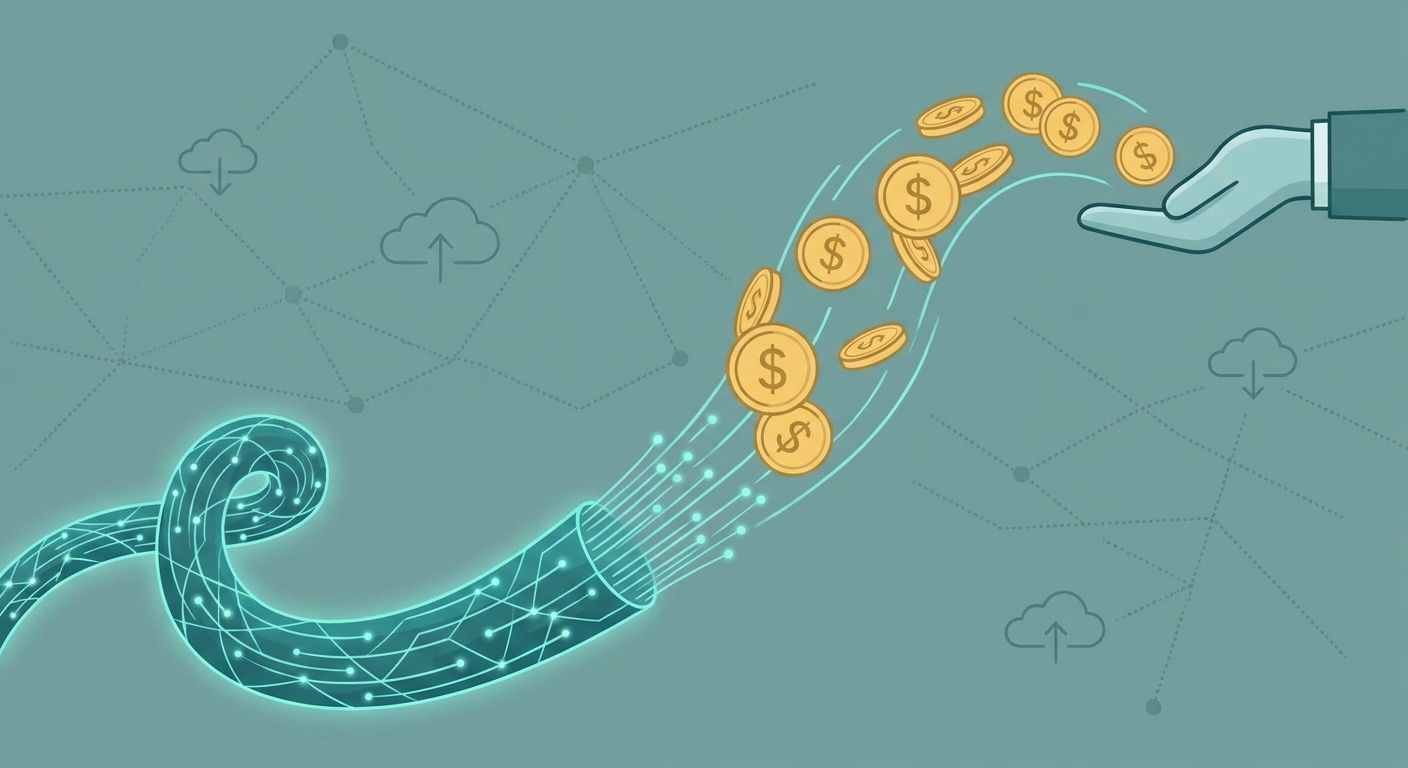
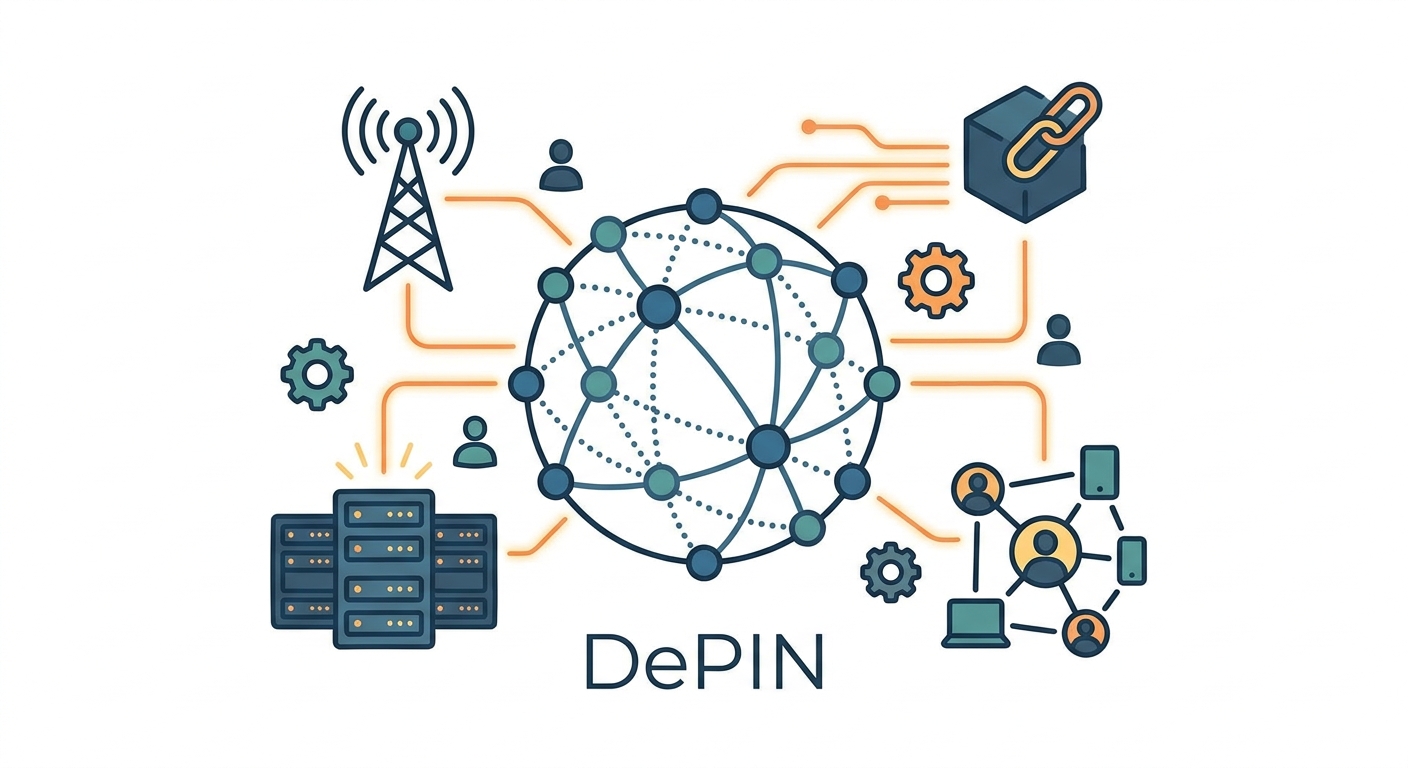
Investors aren't chasing the next flash-in-the-pan meme coin anymore. They’re pivoting to something built of steel, silicon, and real-world utility: Decentralized Physical Infrastructure Networks (DePIN). This isn't just another crypto trend; it’s a pragmatic response to a global emergency. The AI compute crisis is real, and the traditional cloud infrastructure is buckling under the weight of it. We need more bandwidth, more compute, and more speed than any single corporation can provide. DePIN turns your idle home wifi and unused processing power into the engine room for the 2026 AI economy.
It’s about crowdsourcing the future. And for once, the little guy gets a cut of the action.
What Exactly is DePIN, and Why Does It Matter Now?
Think of DePIN as the "Airbnb-ification" of infrastructure. Instead of one massive company owning a thousand servers, you have a thousand individuals owning one server each.
The traditional "hub-and-spoke" model is fragile. If the central data center goes dark, you’re offline. If they decide to hike subscription fees, you pay up or get out. DePIN flips that script. It uses blockchain incentives to stitch together thousands of independent nodes into a resilient, decentralized mesh. It’s not just a philosophical win for decentralization—it’s an economic necessity.
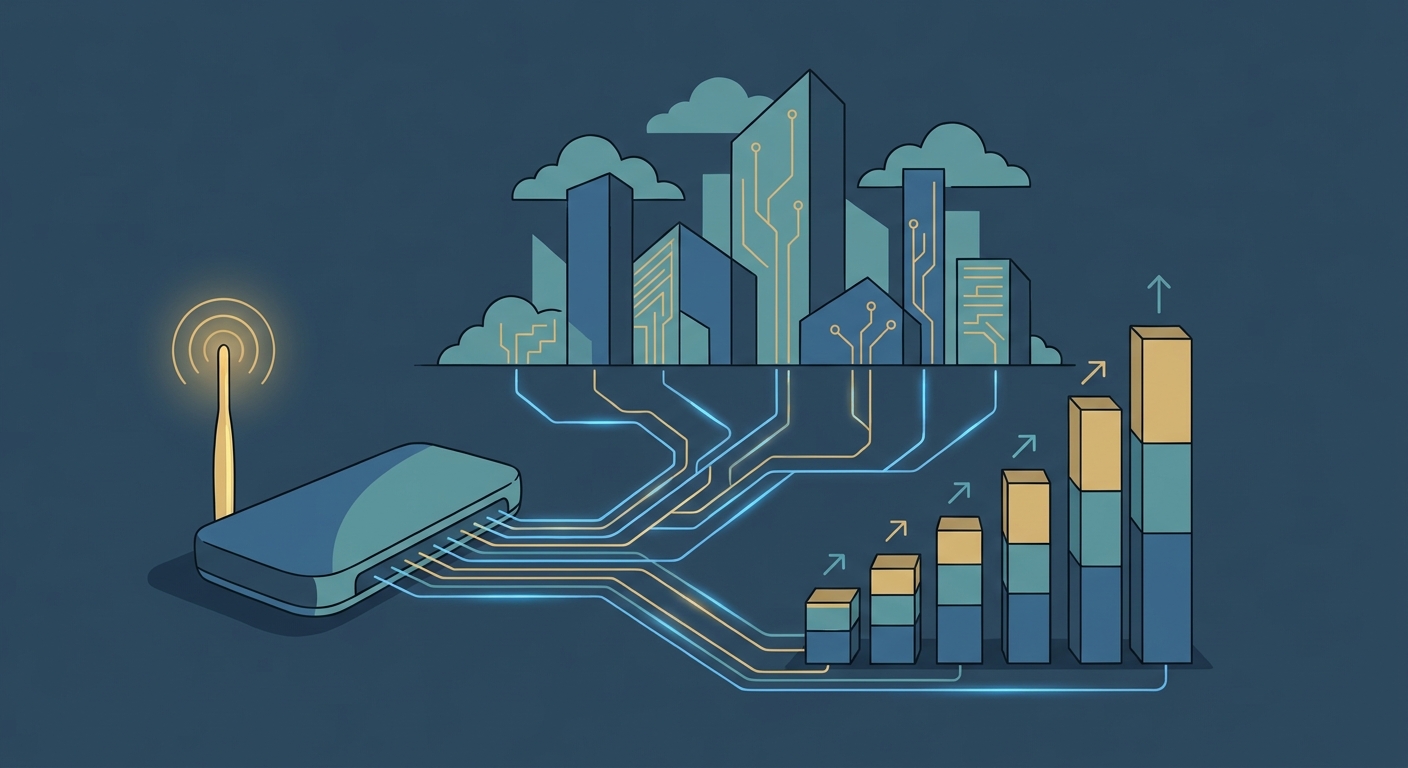
According to the DePIN State of the Industry 2026, this shift toward crowdsourced hardware is the only way we’ll ever have enough low-latency bandwidth to keep up with the hunger of modern AI. We’re running out of room in the old data centers. The only way forward is to build at the edges.
How Does Tokenized Connectivity Power Modern AI?
AI models are gluttonous. They need petabytes of verified, high-quality data to learn, and the current internet is a mess of bot-generated junk. This is where DePIN gets clever.
By incentivizing a global army of "nodes," AI companies can scrape data through residential IPs. Why does that matter? Because residential IPs look like you—a real person—to a website. Data center traffic gets flagged and blocked by firewalls constantly. Your home connection? It’s the golden ticket.
But what about the quality of that data? Nobody wants an AI trained on garbage. To fix this, these networks use Zero-Knowledge Proofs. This is high-level cryptographic wizardry that lets a node prove, "Yes, this data is authentic and untouched," without actually exposing your private digital life. It’s a trustless pipeline. Enterprise-grade AI gets the raw, clean fuel it needs without having to deal with the gatekeepers of the cloud.
Is Sharing Your Bandwidth Actually Safe?
Let’s address the elephant in the room. If you’re sharing your internet, aren't you letting strangers into your living room?
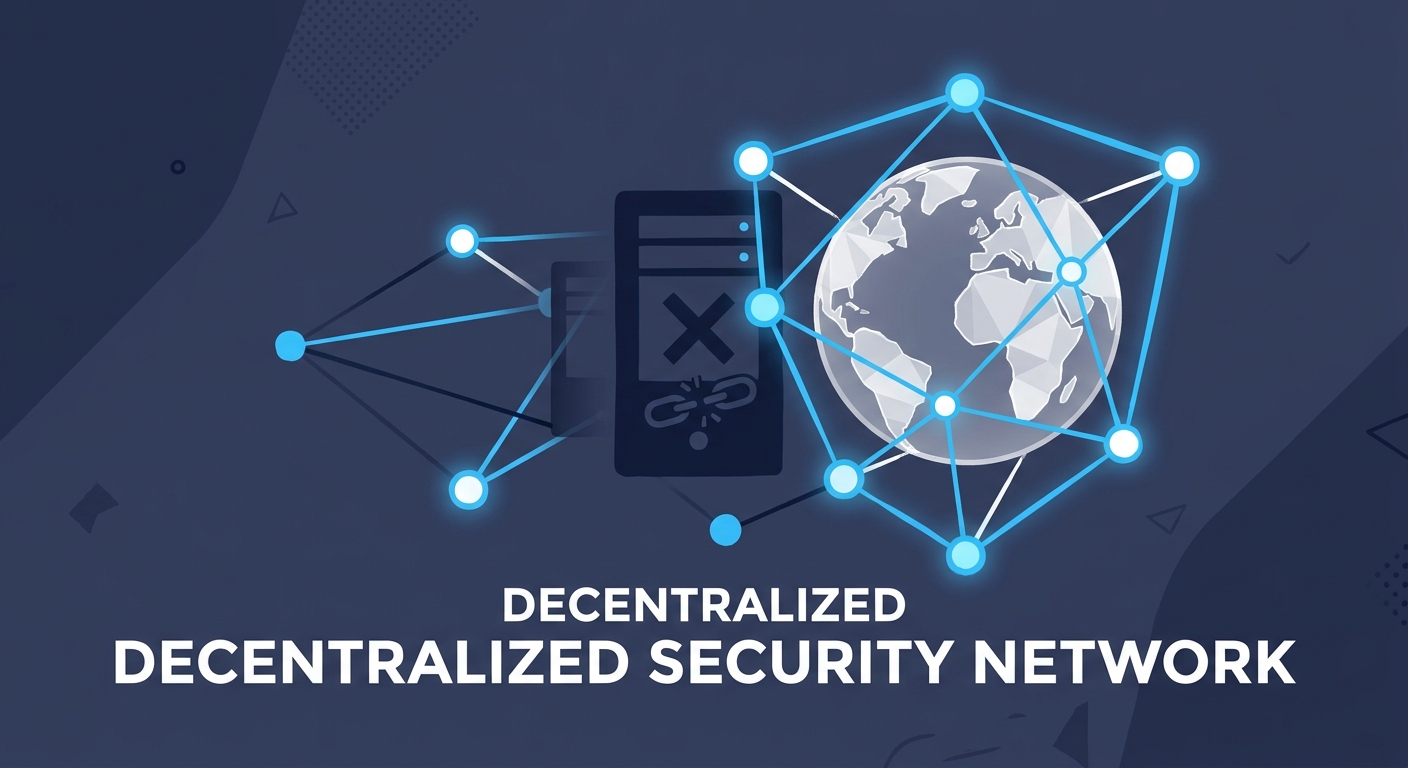
It’s a fair concern. But here’s the reality: modern DePIN protocols are built with a "security-first" mindset that makes your average ISP look like a sieve. You aren't just opening a port and hoping for the best. You’re running an isolated, encrypted tunnel.
Much like how our decentralized VPN works, the traffic flowing through your node is strictly separated from your own files and devices. These networks use sophisticated containerization—think of it like a digital plexiglass box. Even if someone tries to push malicious traffic through, it’s scrubbed and isolated before it ever gets near your personal footprint. For the privacy-conscious, practicing privacy-first browsing while you contribute is simply the standard way to operate. The encryption isn't a feature tacked on at the end; it’s the foundation.
DePIN Project Deep-Dives: Who is Leading the Charge?
The market is currently shaking out into three distinct, powerhouse pillars.
Wireless Connectivity: Pioneers like Helium proved that you don't need a legacy telecom giant to build a network. By rewarding individuals for hosting hotspots, they’ve filled massive coverage gaps in cellular and IoT networks. They’re solving the "last mile" problem by letting the community build the infrastructure themselves.
Compute & Data: This is where the heavy lifting happens. Projects like Grass and Titan are the backbone of the AI-bandwidth pipeline. They allow you to lease your unused bandwidth, acting as a massive, distributed proxy layer for AI companies. They are the "picks and shovels" of the AI gold rush, providing the raw connectivity needed to train the LLMs of tomorrow.
Mapping: Hivemapper is proving that crowdsourcing isn't just for data—it’s for the physical world. By paying drivers to record high-def road data, they’re taking on the mapping monopolies that have dominated GPS for decades. It’s a perfect loop: better data for the world, passive income for the driver.
How Can You Participate in the "Bandwidth-as-a-Service" Economy?
Remember when "crypto mining" meant a garage full of loud, hot, expensive rigs? Those days are fading. We’re in the "plug-and-play" era now.
For most people, participating is as easy as installing a browser extension or a simple desktop app. It runs in the background, sips a bit of power, and earns tokens while you work or sleep. Sure, dedicated hardware miners might earn more because they’re always on, but the browser-based model has opened the gates for everyone. Your earnings will vary based on where you live—nodes in high-demand, high-cost regions like the US or Europe are generally more valuable because their IP reputation is prized by AI scrapers.
DePIN vs. Traditional ISP: Is the Switch Worth It?
Comparing a traditional ISP to a DePIN node is like comparing a walled garden to a public utility. Your ISP watches what you do, sells your browsing history to advertisers, and throttles your speed whenever they feel like it.
DePIN is about taking the power back. It offers a level of censorship resistance and uptime that a centralized company can’t touch, simply because there is no "off" switch for a decentralized network.
What Risks Should Every Investor Keep in Mind?
Don't mistake the utility of a protocol for the price of a token. Just because a project has brilliant tech doesn't mean its token is going to "moon" tomorrow.
We’re moving away from the "hype-driven" era. Back then, a project was worth whatever the community felt it was worth. Now, we’re looking at "usage-driven" metrics. If the network isn't actually being used by enterprises, the token is just a number on a screen. Look for real partnerships, transparent growth data, and clear compliance roadmaps. In 2026, the winners won't be the ones with the loudest marketing—they’ll be the ones that provide actual, boring, useful infrastructure.
Frequently Asked Questions
Is sharing my bandwidth through DePIN safe for my home network?
Yes. Modern DePIN protocols utilize hardware-level isolation and end-to-end encryption. Your node acts as a secure, independent gateway for external traffic, ensuring that the data passing through your connection remains completely separate from your personal files, private devices, and sensitive home network data.
Do I need expensive hardware to start earning in DePIN?
Not necessarily. While dedicated hardware miners can provide higher, more consistent earnings, many leading projects now offer lightweight browser extensions or software nodes. These allow you to start earning with the hardware you already own, making the entry barrier significantly lower than traditional crypto mining.
How does DePIN actually help the AI industry?
DePIN provides the decentralized bandwidth and compute power necessary to scrape, clean, and verify data at scale. By distributing these tasks across thousands of residential nodes, AI developers can source high-quality, authentic data that isn't blocked by corporate firewalls, effectively solving the "dirty data" crisis that plagues centralized AI training.
What happens to my tokens if the project network fails?
Investing in early-stage infrastructure carries inherent risk. If a network fails to achieve critical mass or sustains a technical collapse, the underlying token value may decrease significantly. Investors should prioritize projects with established protocols, transparent usage metrics, and clear utility value to mitigate the risk of protocol failure.