Bandwidth Sharing 101: Monetize Your Idle Internet with Tokenized Network Resources
TL;DR
- ✓ Turn your unused home internet connection into a passive revenue stream today.
- ✓ Understand how DePIN networks utilize your bandwidth for AI data and verification.
- ✓ Learn why residential IP addresses are highly valuable to modern AI models.
- ✓ Discover how to participate in decentralized infrastructure to earn tokenized rewards.
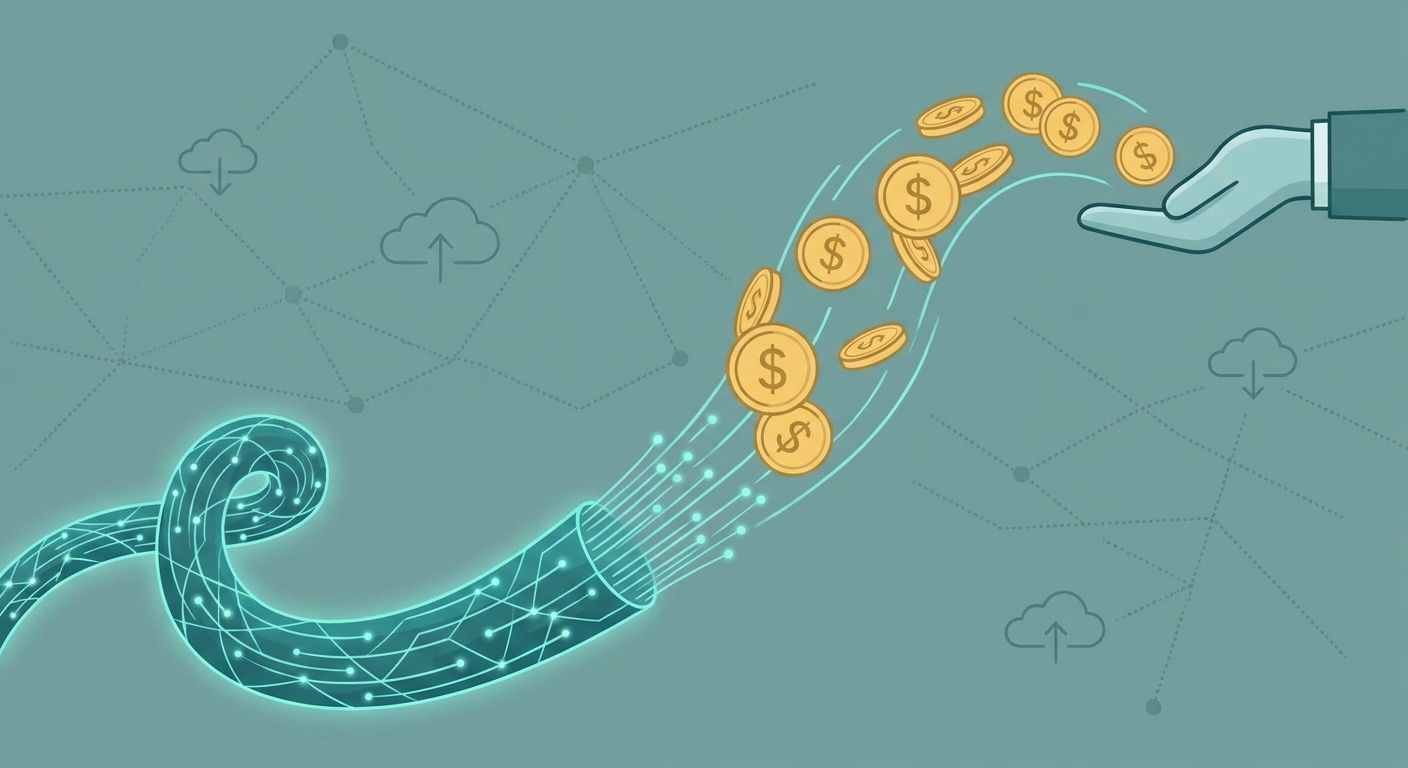
Let’s be real: your internet connection is probably sitting idle about 80% of the time. While you’re sleeping, at work, or just away from your desk, that pipe into your home is a goldmine—and you’re currently letting that value evaporate.
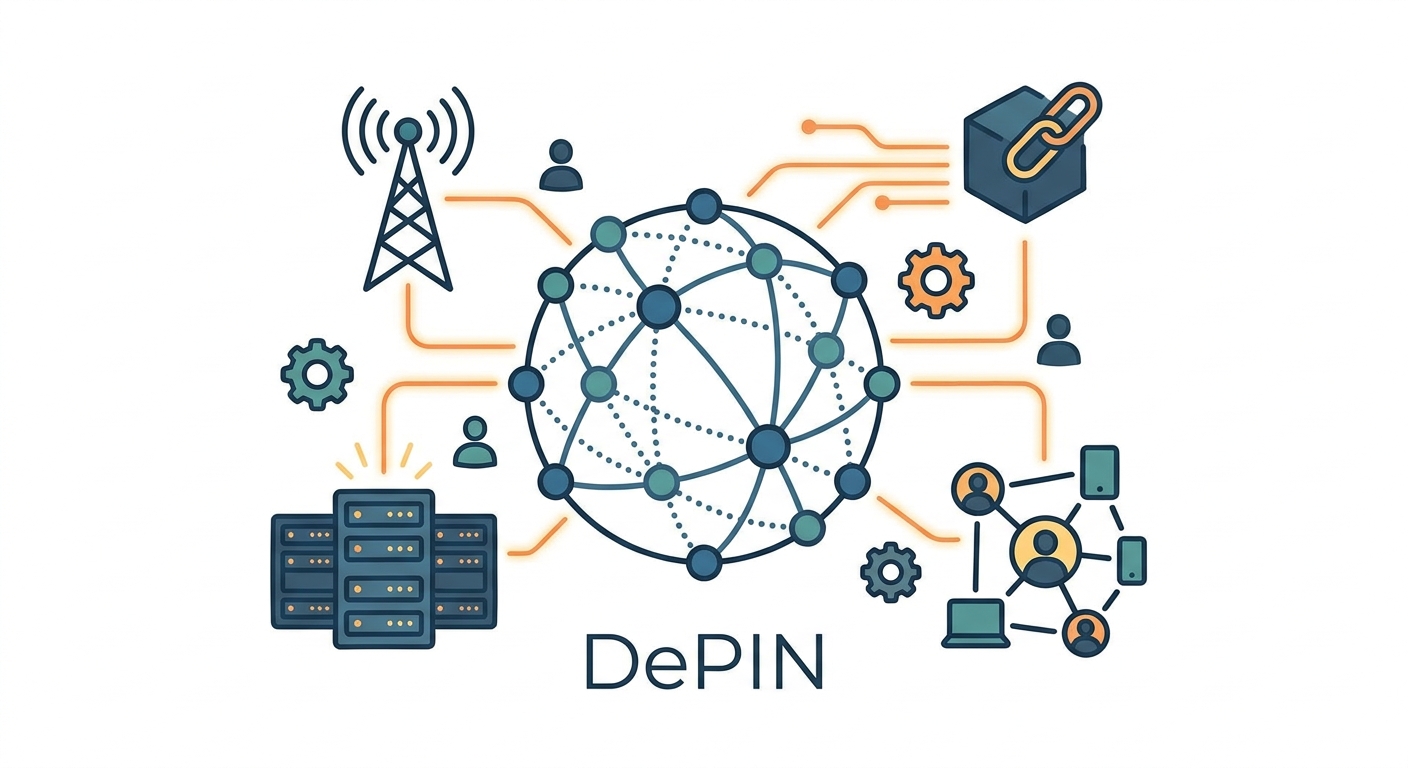
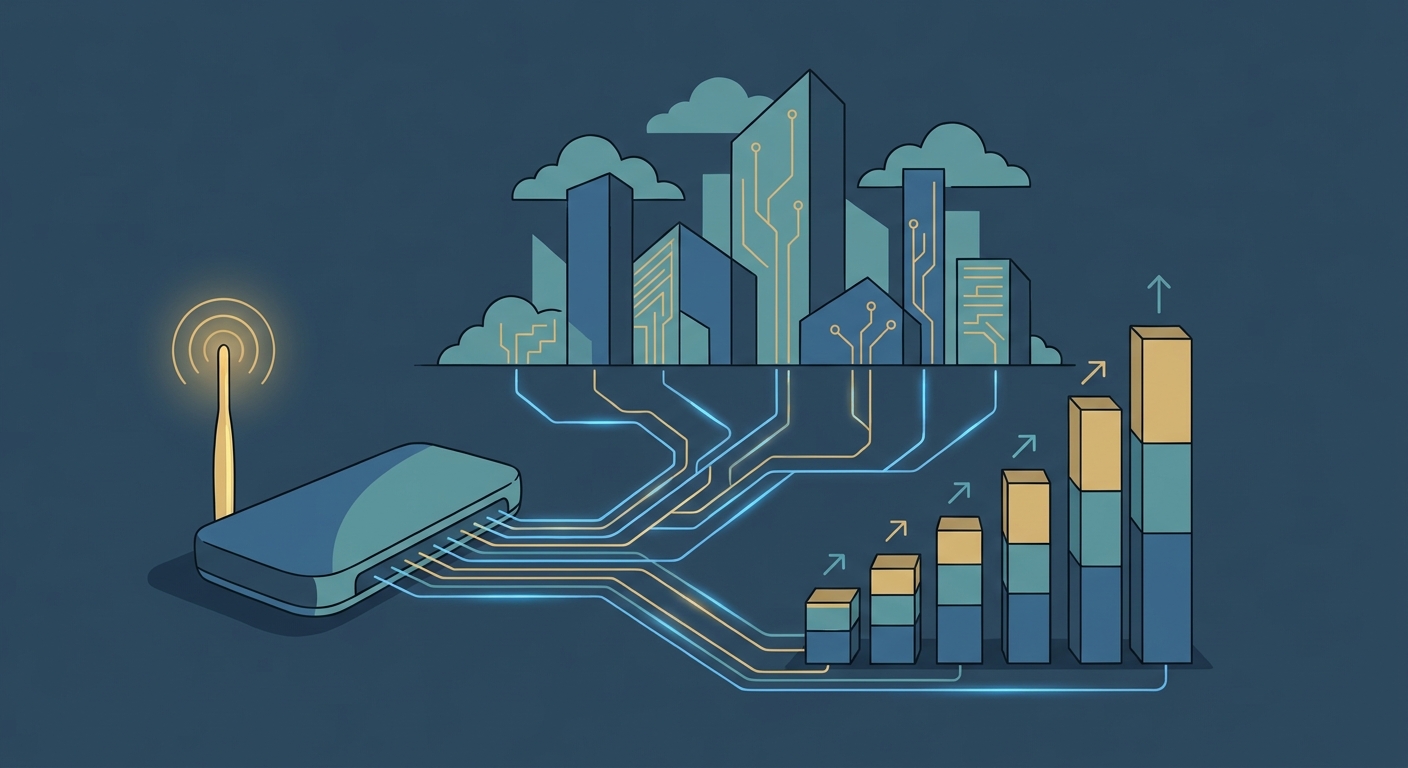
Bandwidth sharing isn't some sci-fi concept. It’s the simple act of renting out your unused internet capacity to a distributed network. These networks use your connection for data verification, AI web scraping, or routing traffic through decentralized VPNs. By turning your router from a passive monthly expense into a revenue-generating node, you’re stepping into the Decentralized Physical Infrastructure Network (DePIN) movement. It’s a massive middle finger to the centralized ISP monopolies that have held the internet hostage for decades.
The Infrastructure Crisis and the Birth of DePIN
We’re hitting a wall. Artificial Intelligence is growing at a breakneck speed, but our physical internet infrastructure is struggling to keep up. Centralized AI data centers are absolute power hogs, devouring electricity at a rate that’s frankly terrifying—projections suggest they could suck up 12% of all U.S. electricity by 2028. This "Old Guard" model is brittle, expensive, and, let’s be honest, it’s a censorship magnet.
DePIN flips the script. Instead of building massive, power-chugging server farms in the middle of nowhere, developers are pivoting to an "Airbnb for Bandwidth" model. By tapping into millions of residential connections already active in homes across the globe, we can build something more resilient and efficient. As explained in this authoritative DePIN definition, these networks incentivize you to provide physical hardware—like your router, your bandwidth, or even your storage—in exchange for tokens. You aren't just a user anymore; you’re an owner.
Why is My Idle Bandwidth Valuable? (The AI-DePIN Synergy)
If you’re wondering why a protocol wants to pay you for your internet, follow the money. Big Tech’s AI models are constantly "learning," which is code for "scraping the web 24/7." But here’s the catch: these models get blocked constantly. Sophisticated anti-bot software knows exactly what a data center IP address looks like and shuts the door.
That’s where your home connection becomes high-value real estate. AI models crave "Residential IP" data because it looks and acts like human traffic. By routing requests through your home, these networks ensure the data is clean, verifiable, and legitimate. It’s a transparent, opt-in alternative to the sketchy, massive scraping farms that currently rule the roost. You’re essentially acting as a vital node in a global data verification pipeline.
How Does the Ecosystem Work?
Not all bandwidth projects are built the same. If you want to dive in, you need to know what you’re actually running. Here’s the breakdown:
- Data Scraping Nodes: These are your entry-level options, like Grass.io. They use your spare bandwidth to scrape public data for AI training. Usually, it’s as simple as installing a browser extension and forgetting it exists.
- dVPN/Bandwidth Relays: These form a decentralized VPN. By acting as a relay, you’re letting others route their traffic through your connection, creating a private, censorship-resistant tunnel.
- Wireless/Compute Networks: This is the big leagues. These projects go beyond simple bandwidth, often requiring you to host hardware to provide localized 5G coverage or distributed computing power for heavy, complex tasks.
How Do I Get Started?
Getting started is usually a three-step dance, but the complexity depends on how much you want to tinker. For the "set and forget" crowd, browser extensions are the way to go. Just install, log in, and let it run in the background.
If you’re the type who wants to squeeze out every drop of reward, node-based setups are the gold standard. We’re talking dedicated software running on your desktop or even a Raspberry Pi. It provides better uptime and more consistent routing.
A quick word of caution: treat your security like a fortress. Never, ever use your primary personal wallet for these rewards. Create a dedicated "hot wallet" specifically for your DePIN earnings. Spend some time on the project dashboard, too. Watch your latency and uptime. If your connection is flaky, your rewards will tank because the network prioritizes nodes that provide clean, reliable throughput.
Is Sharing My Internet Safe? (The Privacy & Security Reality Check)
The big question: "If someone uses my IP to browse the web, am I going to get a knock on my door from the authorities?"
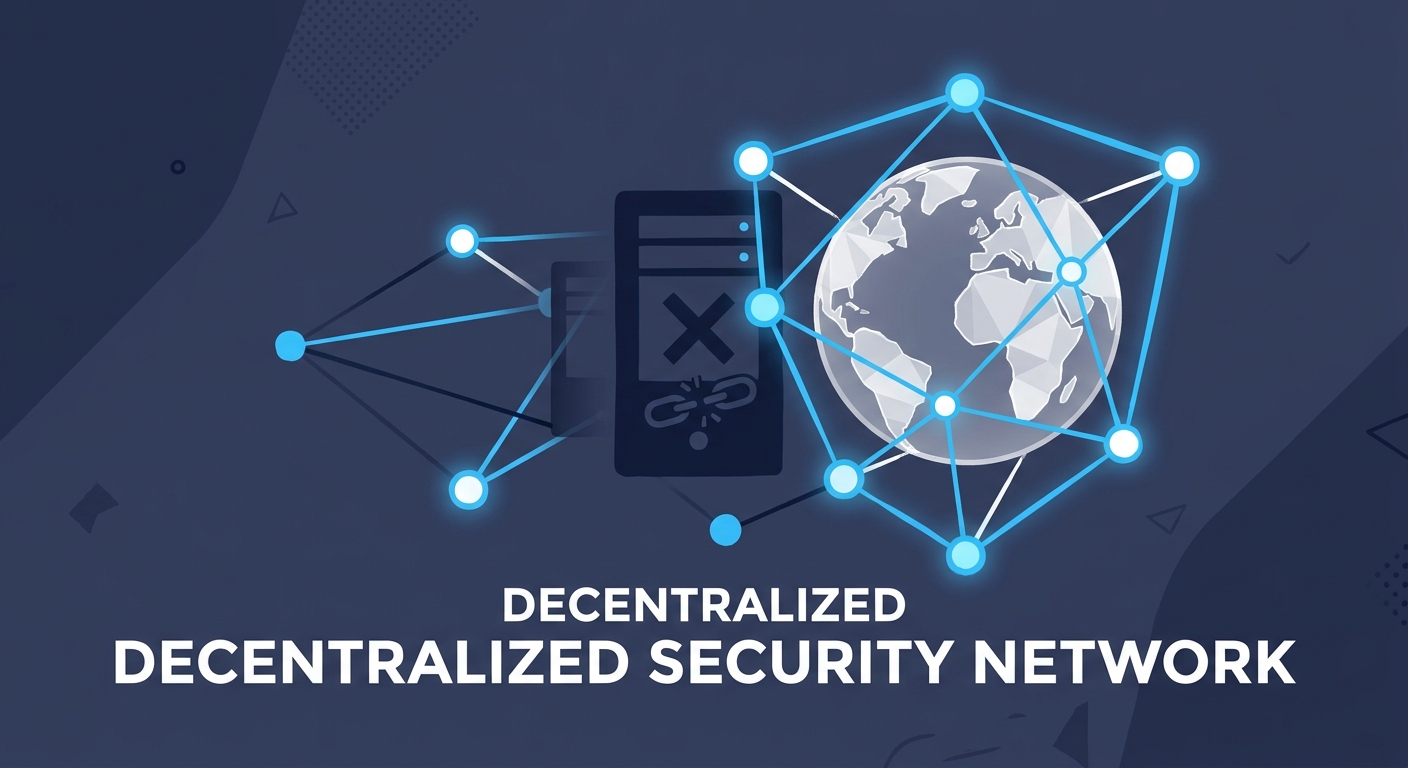
It’s a valid fear, but the tech has evolved. You have to distinguish between a basic "proxy" and a "dVPN." Modern protocols use strict "Exit Node" protections. They employ advanced encryption and Zero-Knowledge (ZK) proofs to ensure the data transmitted is legit without ever touching your personal identity or revealing what the traffic actually contains.
Plus, the industry is finally taking Sybil resistance seriously. Early on, bot farms were gaming the system, but today’s reputable networks require verified identity or staked collateral. This keeps the network from becoming a cesspool and ensures that every node is a real, human-operated connection. It’s cleaner, safer, and much more trustworthy than it was even two years ago.
How Much Can I Actually Earn? (The Reality of Location-Based Demand)
Let’s kill the "get rich quick" fantasy right now. That era is over. In 2026, it’s all about utility. Your earnings aren't just random numbers; they’re a direct reflection of how much demand there is for your specific geographic location.
If you’re sitting in the U.S. or Europe, your residential IP is a premium asset. AI firms and privacy-seekers are constantly hunting for connections in those regions to bypass geofencing and anti-scraping blocks. If you’re in an emerging market, the demand—and the rewards—will likely be lower. It's not a pension plan, but it’s a damn good way to offset your monthly internet bill.
What Does the Future of Decentralized Infrastructure Look Like?
We’re hitting a stage of maturity. The "raw user count" race is dead; the "network quality" race is on. Projects that can prove their data is authentic and their infrastructure is rock-solid are going to survive. The speculative junk is already starting to fade away.
The tokens you earn are shifting, too. They’re becoming less like lottery tickets and more like functional currency. Imagine using the tokens you earned by sharing your bandwidth to pay for your own dVPN subscription or to unlock premium AI tools. That’s a circular economy, and it’s the backbone of the next generation of the web. We aren't just building a way to make a few extra bucks—we’re building a more equitable, efficient internet that actually belongs to the people using it.
Frequently Asked Questions
Is sharing my internet bandwidth legal and safe?
Yes, as long as you stick to reputable, established protocols. These networks use encryption and ZK-proofs so your IP isn't linked to shady activity, and they operate under clear terms of service that protect node operators like you.
How much can I actually earn, and does it depend on where I live?
Earnings vary wildly based on your location. Users in high-demand regions like the US and EU generally earn more because their residential IP addresses are highly coveted by AI models. It’s not a "get rich" scheme, but it’s a great way to subsidize your internet costs.
Will participating in bandwidth sharing slow down my home internet?
Most professional protocols let you set bandwidth caps. You can allocate a specific percentage of your connection, ensuring your own streaming, gaming, or work tasks are never throttled.
What is the difference between a traditional VPN and a dVPN?
A traditional VPN relies on a centralized company that owns the servers, which means you have to trust them with your logs. A dVPN is a decentralized network where you connect through residential nodes, removing the central point of failure and significantly boosting your privacy.
How do these projects ensure my personal data isn't being scraped?
These protocols are built to handle traffic, not to snoop through your files. They act as a secure tunnel for external traffic, keeping your local network and personal data completely firewalled from the traffic passing through your node.