How to Earn Passive Income with Crypto Mining Bandwidth: A Beginner’s Guide

TL;DR
- ✓ Monetize your idle home internet connection by renting bandwidth to decentralized networks.
- ✓ Understand how AI labs and researchers use residential IP addresses to gather real-world data.
- ✓ Learn the basics of DePIN and how it rewards users with crypto tokens.
- ✓ Start earning passive income by installing lightweight bandwidth sharing applications on your device.
You’ve got a router sitting in your living room, blinking away, doing nothing but serving your Netflix habit. What if that idle internet connection could actually pay for itself?
It’s not a pipe dream. You can earn passive income by renting out your unused bandwidth to decentralized networks. These networks feed the insatiable appetite of AI models and web scrapers. By installing a lightweight app or browser extension, you turn your residential IP address into a digital asset. We’re talking about $5 to $20 a month—not enough to retire on a beach in Bali, sure, but it’s a tangible return on an asset you’re already paying for.
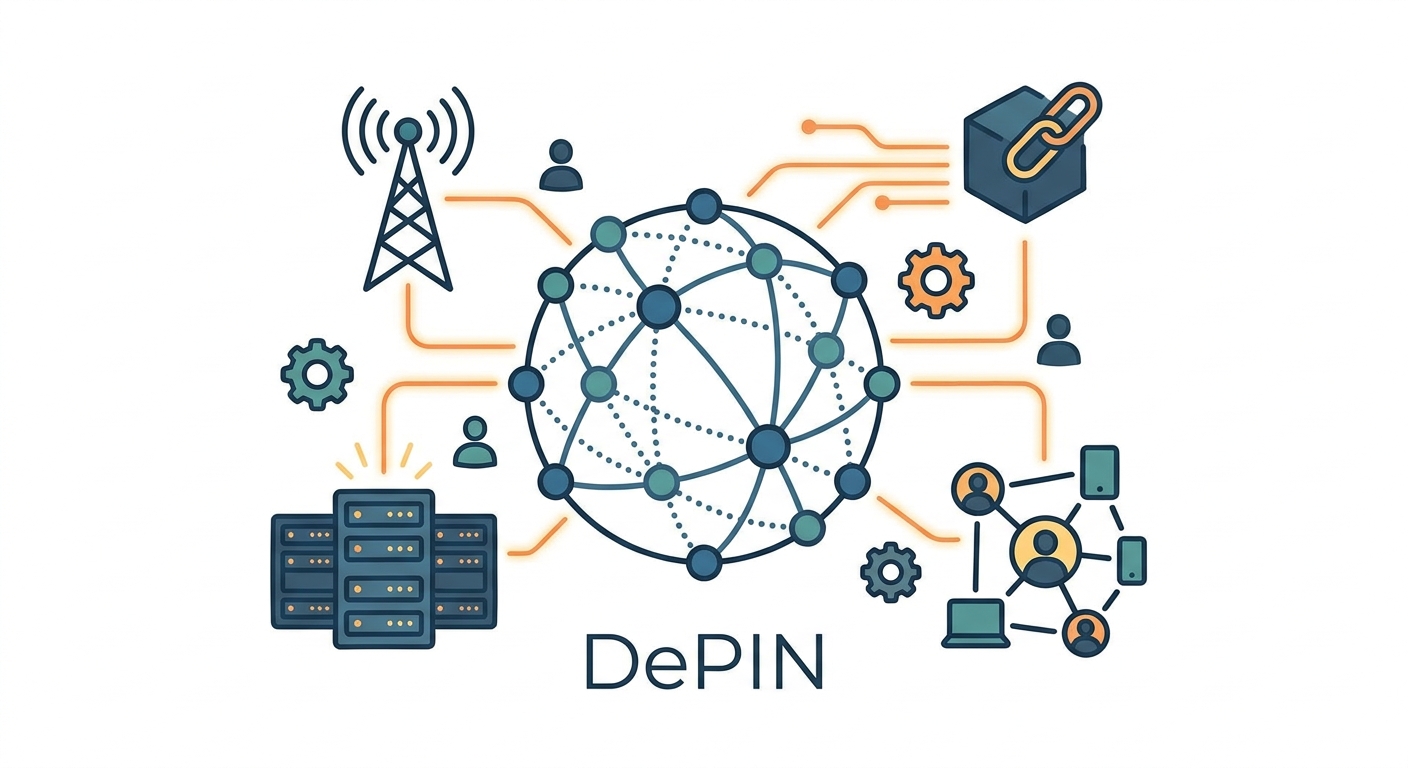
This isn't some "get-rich-quick" scheme. It’s the practical application of Decentralized Physical Infrastructure Networks, or DePIN. It’s a fancy term for a simple shift: moving the power of the internet away from giant data centers and back into the hands of individual users.
What is Bandwidth Mining and Why Does the AI Industry Need It?
To understand why anyone would pay for your internet, you have to look at the hunger of modern AI. Large Language Models (LLMs) and web crawlers are ravenous. They need "real-world" data to learn and verify information.
Here’s the rub: traditional data centers are easy to spot. Websites and search engines have them blacklisted in a heartbeat. They look like bots. AI labs need residential IP addresses—the kind assigned to your home router—because those IPs look like you. They look like a human browsing from a couch. When a researcher needs to see how a search result looks in a specific city or how a price aggregator displays data, they can’t use a data center proxy. They need your connection. You are the bridge between the AI and the real world. This is the core of DePIN, a model that puts infrastructure ownership back where it belongs: with you.
How Does the Sharing Economy Model Work?
The mechanics are surprisingly simple. You provide a small slice of your connection, and the network uses it as a gateway for verified data requests. You’re essentially acting as a micro-node in a global distributed network.
When an AI lab needs to scrape data, they don’t go through a centralized server that can be blocked. They ping the decentralized network, which routes the request through your device. To the target website, it looks like a standard home user. For your trouble, you get rewarded in tokens, which you can swap for stablecoins or other crypto. It’s a win-win, provided you know what you’re doing.
Which Projects Should Beginners Start With?
The barrier to entry has plummeted in the last two years. You don’t need to be a systems architect to start earning.
- Browser-based/Passive: Projects like Grass.io are the gold standard for ease of use. It’s a browser extension. You install it, it runs quietly in the background, and it uses almost zero CPU. It’s the closest thing to "set it and forget it" in the crypto space.
- Node-based/Infrastructure: If you want more control, platforms like the Titan Network offer a deeper dive. This involves running dedicated software. It’s a bit more work to configure, but it often leads to more consistent uptime and potentially higher rewards.
| Project Name | Barrier to Entry | Potential Yield | Hardware Requirement |
|---|---|---|---|
| Grass.io | Very Low | Low-Moderate | Browser/PC |
| Titan Network | Moderate | Moderate-High | PC/Node Software |
Passive Income vs. Active Participation: Which Path is Right for You?
Newbies often ask: "Should I go passive or active?"
If you want zero headaches, stick to browser extensions. They are perfect for monetizing your bandwidth without changing your daily habits. But let’s be real: the yields are modest.
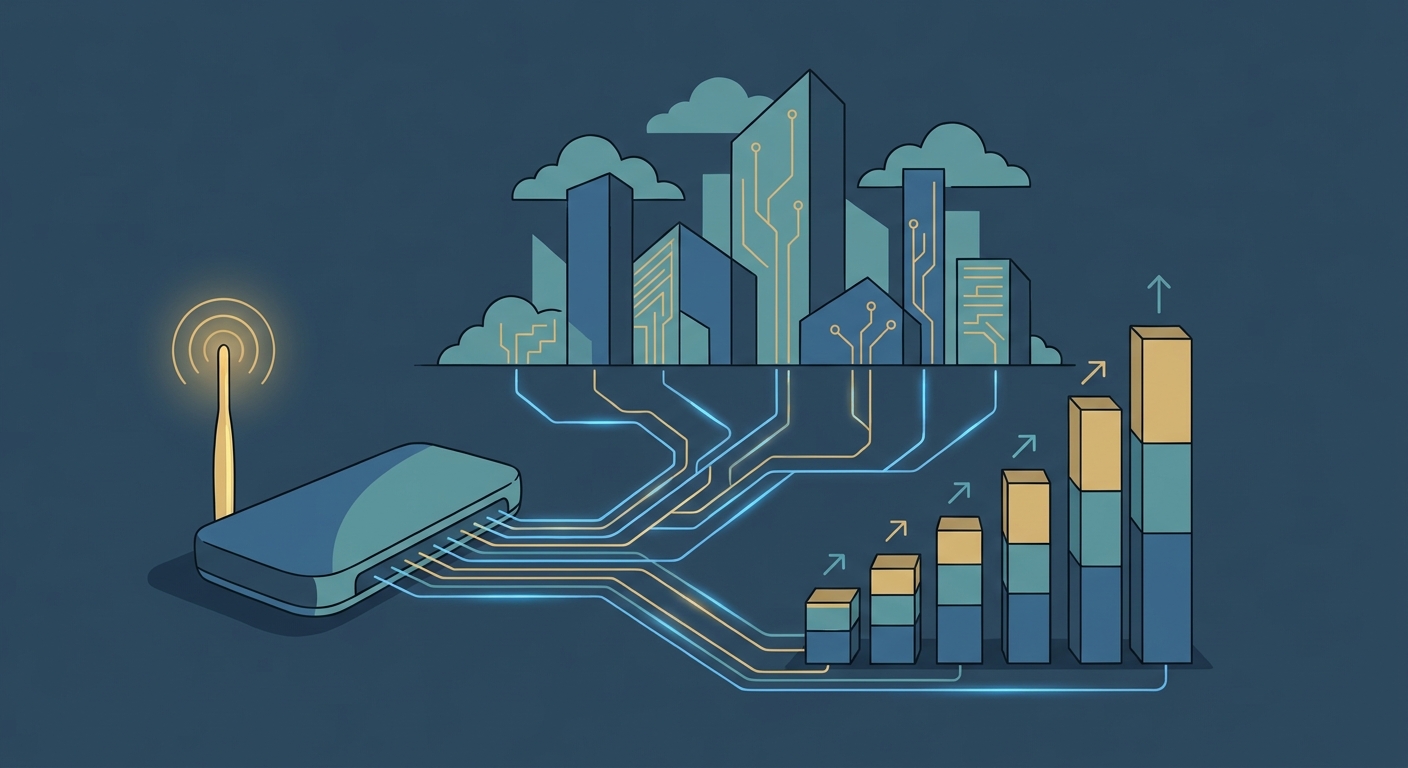
If you’re looking to scale, you might consider dedicated hardware nodes. These are small, power-efficient boxes that stay on 24/7. They require an upfront investment and a bit of technical grit, but networks love them for their reliability. If you’re in a "premium" region—like the US, UK, or parts of the EU—your residential IP is worth more. AI companies pay a premium for high-quality data from these specific geographies. If you live there, you’re sitting on a goldmine.
How Can You Protect Your Privacy While Sharing Bandwidth?
Sharing your connection feels a bit like letting a stranger into your house. You need to be smart about it. Never let your primary traffic mix with your shared traffic.
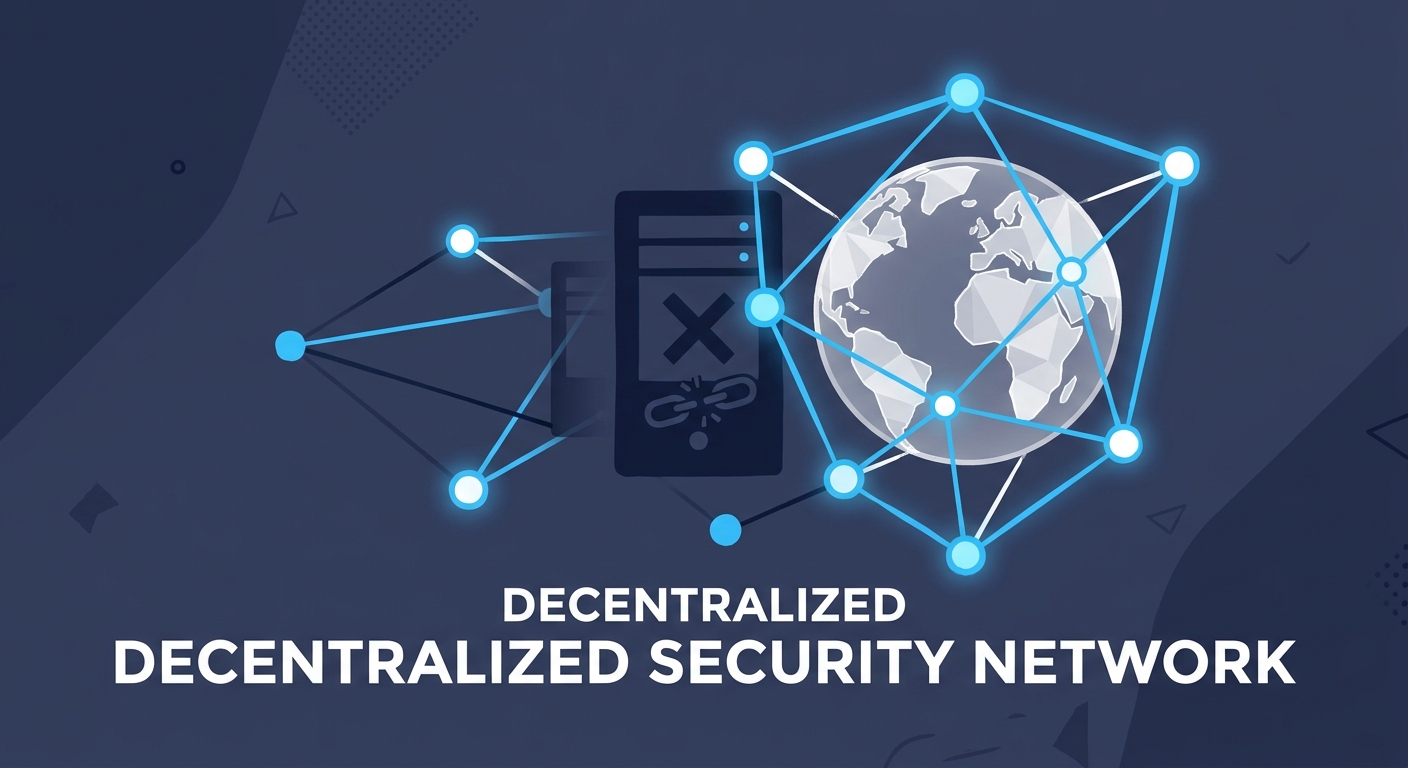
Using modern privacy-preserving tools is non-negotiable. Many of the newer protocols use Zero-Knowledge (ZK) proofs, which allow the network to verify your bandwidth without actually seeing your personal data. That’s great, but you should still go the extra mile. Set up a secure connection that creates a "sandbox" around your node. This keeps your banking, emails, and browsing history completely invisible to the network. Think of it as putting a padlock on your digital front door.
Troubleshooting: Why Am I Earning Less Than Expected?
If your earnings are lagging, check your "IP Quality Score." Websites and networks are picky. If your ISP assigned you an IP address that was previously used for spam or shady data center activity, the network might throttle you. Your IP is "dirty."
Latency is the silent killer, too. If your connection is jittery, the network will deprioritize you. If you can, use an Ethernet cable instead of Wi-Fi. Check your router settings to make sure you aren't blocking the ports your node software needs to breathe.
What are the Risks and Regulatory Realities?
We’re in a new era of scrutiny. While bandwidth mining is currently a grey area, you need to keep one eye on the regulatory landscape in your home country. GDPR and CCPA are becoming the standard.
Then there’s the token problem. Your "earnings" are usually paid out in project-native tokens. These can swing wildly in value. Don't leave your gains sitting in a volatile token if you’re worried about a downturn. Have a plan: are you holding for the long haul, or are you swapping into stablecoins the moment they hit your wallet?
Frequently Asked Questions
Is sharing my bandwidth safe for my home network?
Yes, as long as you stick to reputable protocols that use sandboxing and ZK-proofs. These tools ensure the network only touches the "pipe" of your connection. They cannot peek into your smart home devices or your personal files.
Will my IP address get banned or blacklisted by streaming services?
Most reputable bandwidth networks filter out the junk traffic that gets IPs banned. Because you’re providing a residential IP, you’re treated differently than a data center proxy. That’s exactly why AI researchers want your connection in the first place.
How much can I actually earn, and is it worth the electricity?
You can realistically expect $5–$20 per month per device. The software is lightweight and doesn't rely on heavy GPU or CPU power, so your electricity bill shouldn't even blink.
Do I need a high-end PC to mine bandwidth?
Not at all. Unlike traditional crypto mining that burns through graphics cards, this relies on your network speed. A basic laptop or a dedicated low-power node device is plenty.
What is the most important step to take before installing any node software?
Secure your perimeter. Before running any third-party code, make sure your own traffic is isolated and that you understand exactly what permissions the software is asking for. Always prioritize your privacy over a few extra bucks.