Passive Income Through DePIN: A Realistic Look at Crypto-Earning VPNs in 2026
TL;DR
- ✓ DePIN has shifted from speculative hype to a utility-driven bandwidth marketplace.
- ✓ Running a dVPN node requires high-quality fiber connections to earn meaningful rewards.
- ✓ Passive income from dVPNs is currently better described as modest beer money.
- ✓ Node operators must account for ISP terms and electricity costs before starting.
Forget the dream of quitting your job to let your router do the heavy lifting. If you’re looking to get rich while glued to the couch, close the tab now. That “passive income” fever dream was a casualty of the 2021 bull market.
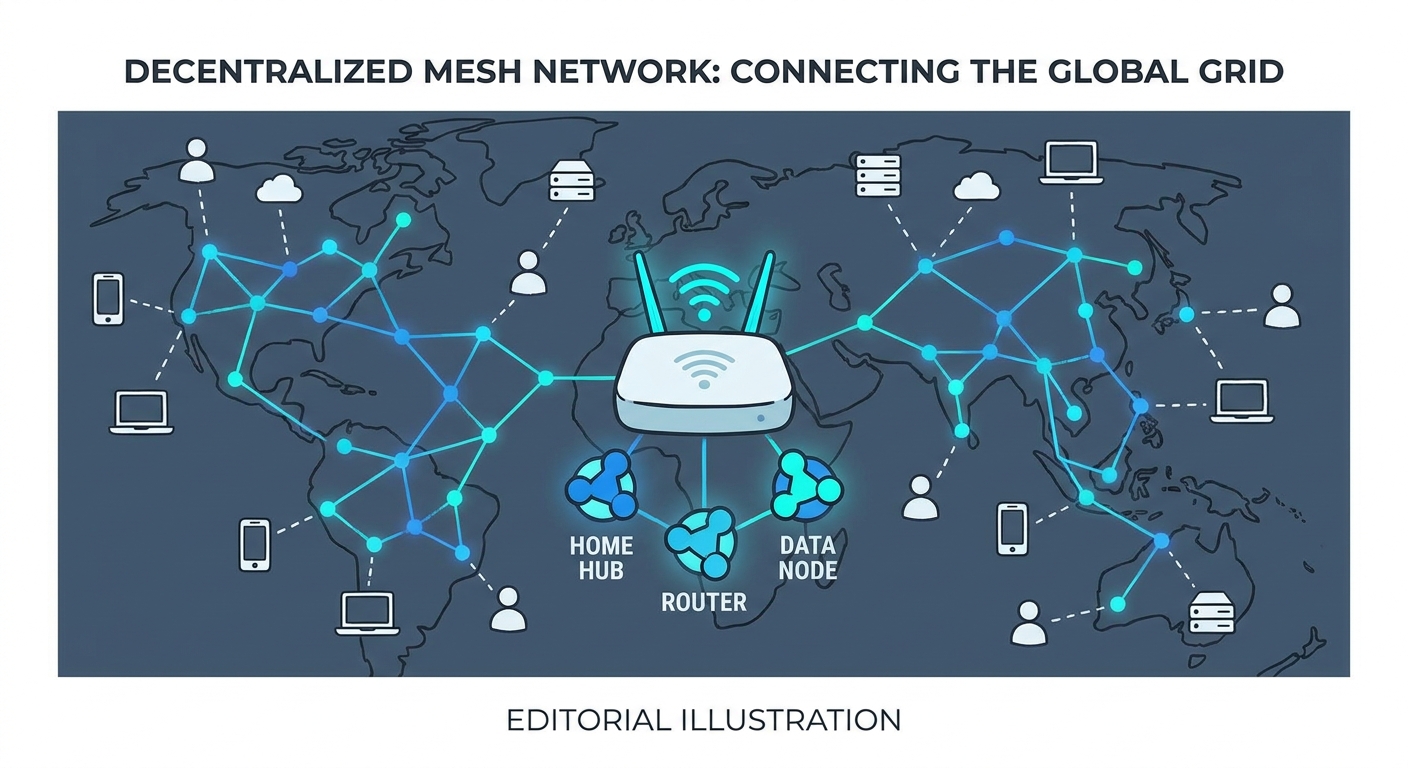
Fast forward to 2026: the Decentralized Physical Infrastructure Network (DePIN) sector has grown up. It’s no longer about chasing moon-bound tokens or speculative hype. It’s a utility-driven economy, plain and simple. You earn based on the bandwidth you actually provide. Decentralized VPNs (dVPNs) are at the forefront of this shift, having evolved from buggy experiments into a legitimate, albeit modest, side hustle for anyone who understands how the bandwidth marketplace functions.
How Does the dVPN Bandwidth Economy Actually Work?
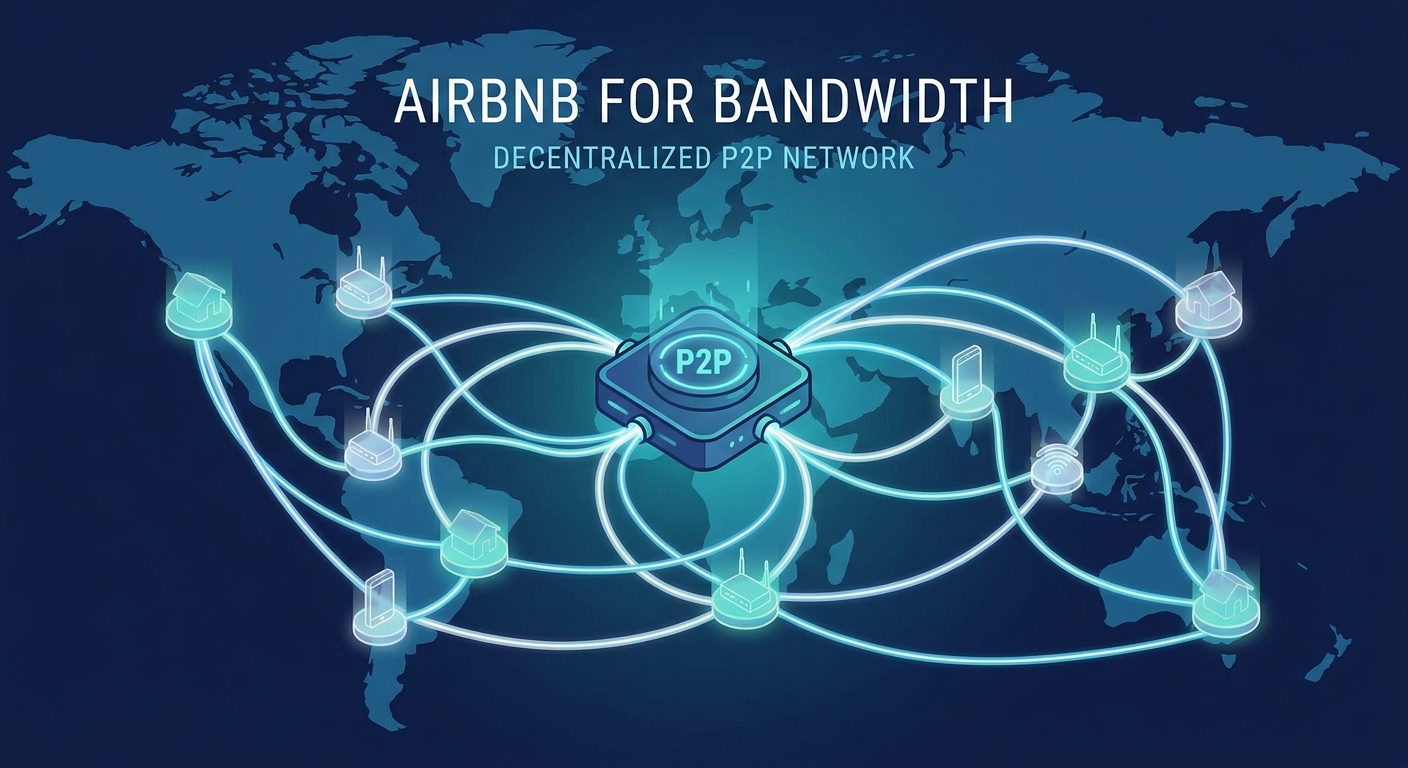
The industry has pivoted from the old "mining" mindset to a "routing" reality. You aren't just turning on a box and hoping for rewards. You’re now a node operator in a peer-to-peer marketplace. Your customers? Everyone from privacy-focused individuals to enterprise-level data scrapers. They pay for high-quality, verified data transit.
Here’s the breakdown: A user requests a connection. The protocol routes their traffic through your node. You act as the middleman—the relay. You mask their IP address and provide an encrypted tunnel to their destination. Because you're providing a tangible, high-value service—specifically a clean, residential IP address that hasn't been flagged by data centers—smart contracts compensate you. You aren't "mining" crypto; you’re operating infrastructure.
The Reality Check: Can You Really Replace Your Salary?
Let’s be blunt: for 99% of people, running a dVPN node is beer money, not a career. According to the DePIN Sector Market Report 2026, the focus has shifted entirely away from high-emission token rewards toward utility-based payments. Your monthly yield is a direct function of bandwidth volume, uptime, and the quality of your IP.
Run a node on a jittery, cheap mobile connection? Expect peanuts. Have a rock-solid fiber-optic line with high throughput and low latency? Now you’re an asset to enterprise clients who pay a premium for consistent data scraping. But don't look past the hidden costs. Check your ISP’s terms of service—some will throttle or ban you for sustained P2P traffic. Once you factor in electricity costs and the inevitable wear and tear on your hardware, the margins aren’t exactly massive. For a deeper dive into the math of these returns, check out this Passive Income with Bandwidth Sharing: A Beginner’s Guide.
Top 3-5 dVPN Projects to Watch in 2026
The market has consolidated. The winners are the protocols that prioritize performance and ease of integration over flashy, over-promised marketing.
| Protocol Name | Ease of Setup | Security Rating | Estimated Passive Yield Range |
|---|---|---|---|
| Sentinel | High | Excellent | $5 - $25 / month |
| Mysterium | High | Good | $3 - $15 / month |
| Orchid | Medium | Excellent | $2 - $12 / month |
| PKT | Medium | Good | $4 - $20 / month |
| Exidio | High | Excellent | $5 - $20 / month |
What Are the Real-World Risks of Being an Exit Node?
This is the conversation most crypto influencers conveniently ignore: liability. When you act as an exit node, you are the final point of contact before traffic hits the open web. If a user utilizes your connection to access illegal content or engage in malicious activity, the traffic originates from your IP address.
While most dVPN protocols use encryption to protect the operator, the legal reality is messy. As noted by the Electronic Frontier Foundation regarding node liability, the legal protections for these types of infrastructure relays are still being hashed out in courts worldwide. Mitigation is mandatory. Never, under any circumstances, run a node on your primary home network. Use a segregated VLAN or a dedicated secondary connection to keep your personal life and your digital footprint isolated.
How Do You Protect Your Privacy While Monetizing Bandwidth?
There’s a paradox here: selling access to your internet while trying to stay anonymous. To stay safe, ensure your node software is strictly containerized. You aren't a content creator; you are a pipe. If you’re curious about the traffic passing through your node, stop. You’re doing it wrong. The best operators use hardware firewalls to block all incoming connections except for the specific ports the protocol requires. By adopting a privacy-first browsing mindset for your own activity, you make sure your personal data stays separate from the traffic you relay.
A Step-by-Step Guide to Launching Your Node
The barrier to entry has thankfully collapsed. You don’t need a rack of servers in your basement anymore.
- Protocol Selection: Pick a project with a pulse—active developers and clear documentation. Sentinel and Mysterium are currently the leaders in "plug-and-play" capability.
- Security Hardening: Deploy your node using Docker containers. This keeps the protocol isolated from your host operating system. Configure a strict firewall policy that only allows traffic from the protocol’s specific nodes.
- Monitoring: Use a simple monitoring tool to track your bandwidth. If your node is under-performing, check for ISP throttling. If it’s over-performing, keep an eye on your CPU temperatures. Watch the data, not the price of the token.
Conclusion: The Future of Decentralized Connectivity
The "Fundamentals-First" era of DePIN is here. The noise of the bull market has faded, leaving behind a resilient, if unspectacular, infrastructure layer. Running a dVPN node is a hobby for the tech-curious and a minor side hustle for those with the right connectivity. It isn't a path to massive wealth, but it is a front-row seat to the evolution of the internet. As decentralized networks continue to challenge centralized ISPs, the value of the bandwidth you provide will likely remain steady. Just keep your firewalls tight, your expectations grounded, and your node isolated.
Frequently Asked Questions
Is running a dVPN node legally risky for me?
It carries inherent risks because you act as an exit point for traffic. While most protocols are designed to protect the host, you are ultimately responsible for the traffic originating from your IP. Always check local regulations and keep your node on a separate, firewalled network.
How much can I realistically earn per month in 2026?
Most residential nodes earn between $3 and $25 per month. Earnings depend on your bandwidth capacity, regional demand, and the specific protocol you choose. It is a utility-based payment system, not a speculative windfall.
Does sharing my bandwidth compromise my personal privacy?
If you configure your network correctly, it should not. By using Docker containers and segregating your node traffic from your personal devices via VLANs, you ensure that your own browsing data remains private and distinct from the traffic you relay.
What hardware do I need to start mining bandwidth in 2026?
You no longer need expensive, dedicated hardware. Most modern dVPN protocols run efficiently on standard consumer hardware, such as a Raspberry Pi, a spare laptop, or a desktop running a Docker container.
Are dVPNs a viable alternative to centralized ISPs?
For general home usage, they are still a complement rather than a replacement. However, for enterprise-grade data scraping and privacy-focused browsing, decentralized networks are increasingly competitive, offering a more resilient and censorship-resistant alternative to traditional centralized providers.