Blockchain Bandwidth Monetization: Can You Really Earn Passive Income from Your Router?
TL;DR
- ✓ Turn your idle internet bandwidth into a legitimate passive income stream today.
- ✓ Understand how DePIN networks utilize residential IP addresses for AI data training.
- ✓ Learn the mechanics of earning crypto tokens by sharing your router connectivity.
- ✓ Identify factors like location that impact your potential monthly bandwidth earnings.
Let’s get one thing straight: if you’re looking for a "get-rich-quick" scheme, close this tab. You aren’t going to retire on a beach in Bali by plugging in a router. But, if you’re interested in turning a dormant asset—your home internet connection—into a legitimate utility play, you’re in the right place.
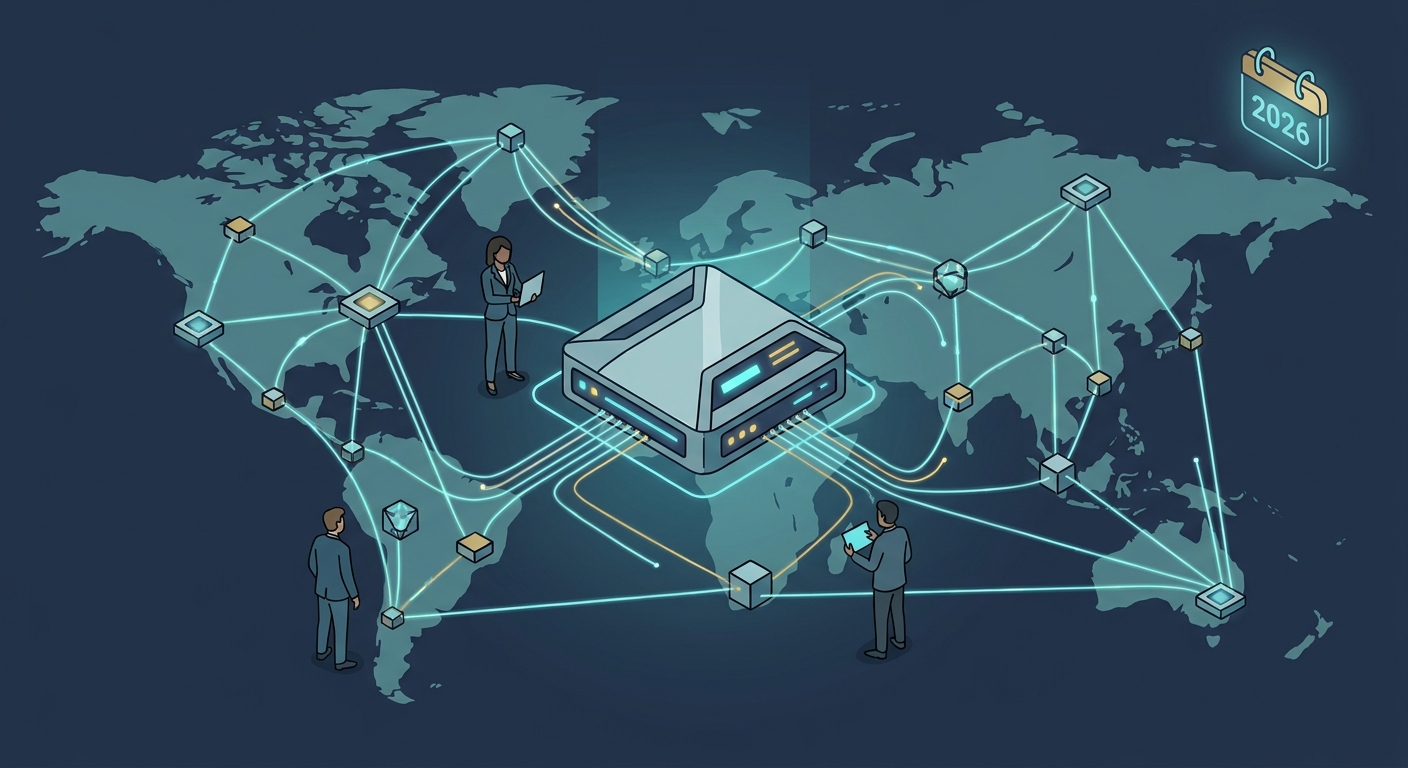
Your router sits there all day, doing nothing while you’re at work. It’s a wasted resource. Thanks to the rise of Decentralized Physical Infrastructure Networks (DePIN), you can now rent out that unused bandwidth to power the heavy lifting behind AI and data scraping. It won't pay your mortgage, but it might just cover your monthly ISP bill. The trick is understanding that this isn't magic; it’s a technical service. For a deeper dive into the mechanics of these systems, The Ultimate Guide to Blockchain Bandwidth Monetization offers a comprehensive framework for navigating the 2026 landscape.
What Exactly is DePIN, and Why Are They Paying You?
Why would anyone pay for your router's throughput? Simple: the internet is getting walled off.
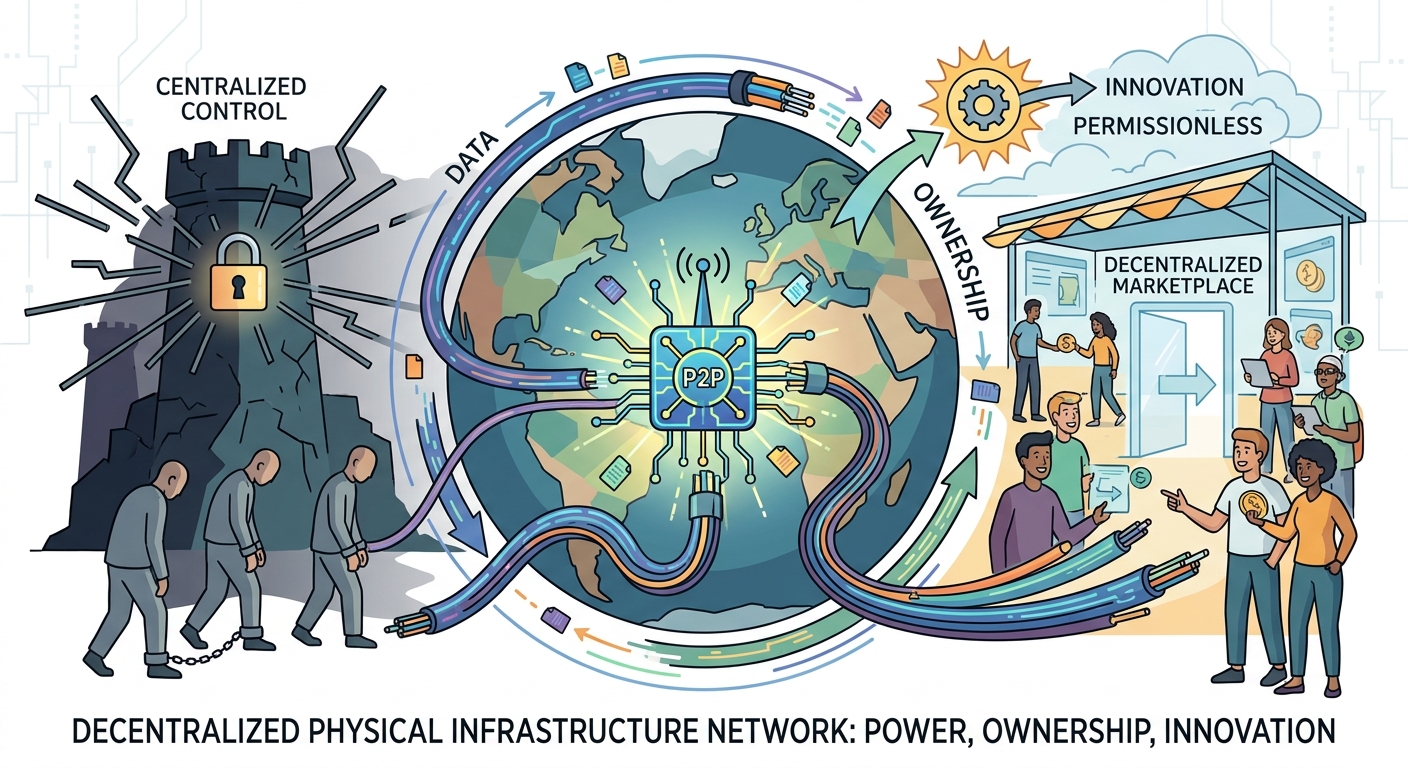
DePIN is the answer to the massive, centralized corporate control of infrastructure. Instead of relying on a massive server farm owned by a tech giant, these networks tap into a distributed crowd of everyday users. As noted by the Bitcoin Foundation’s breakdown on the subject, these networks incentivize you to share your real-world resources—bandwidth, storage, computing power—in exchange for tokens.
The "flywheel effect" here is driven by the massive hunger for residential IP addresses. AI companies and data aggregators need to train their models on real-world data. They need that data to look like it’s coming from a regular person in a living room, not a data center in a basement. When you join these networks, you’re providing that "last mile" of legitimate connectivity. You are the proxy they need.
How Can You Really Earn Passive Income from Your Router?
Location is everything. We often discuss The Rise of the Bandwidth Marketplace as a global phenomenon, but the reality is much more local. If you live in a "High-Demand Zone"—think major cities in the US or Western Europe—your IP address is a premium commodity.
Clients pay a premium for "clean" residential IPs because they aren't blacklisted. They look human. If you live somewhere with lower demand, you’re looking at "pizza money." Maybe a few coffees a month. But in a prime metropolitan area? You’re looking at a real offset to your monthly internet costs. The secret sauce is consistency. These networks want nodes that stay online. Uptime equals income.
Software vs. Hardware: Which Setup is Right for You?
The barrier to entry is low, but how you play the game changes your commitment.
The software route is for the casual user. You download a browser extension or a lightweight client, run it in the background, and forget it. It’s easy, but it’s limited. If your computer sleeps, your node dies. Your income stops.
The hardware route? That’s for the pros. We’re talking dedicated nodes or flashed routers that stay powered on 24/7. This is professional-grade infrastructure. If you want to dive into the technical specs, the Grass.io Official Documentation is a great place to start understanding how these clients function within the broader network.
The "Elephant in the Room": Is Sharing Your Bandwidth Actually Safe?
I get it. You don’t want strangers using your IP to do something illegal. It’s a fair fear.
Here’s the reality: modern protocols are built with strict isolation. When you participate, your node acts as a gateway for verified, legitimate traffic. The network separates "shared" traffic from your own personal browsing. Your banking, your work emails, your Netflix—that all stays in your private lane.
To sleep better at night, use network segmentation. If your router supports VLANs or a "Guest Network" feature, put your DePIN node on that. Keep it physically separated from your main devices. It’s the digital equivalent of a locked door between your living room and your office.
Real-World Integration: Is This Just Crypto-Hype?
It’s easy to roll your eyes and call this "just another crypto thing." But look at projects like Helium Mobile. They aren't just pushing a token; they’re actually lowering mobile bills for real people by leveraging decentralized nodes.
This isn't the "play-to-earn" nonsense of 2021. That was a bubble. This is back-end infrastructure. AI companies need data, and they’re willing to pay for it. The demand is functional, not speculative. They’re paying for a service, and you’re the provider.
How to Get Started (Without Compromising Your Network)
Ready to start? Keep your head on straight and follow these rules:
- Audit Your Network: Check your firewall. Don't open your house to strangers without a lock.
- Stick to the Pros: Use established networks. If a project looks like a "copy-paste" job, run away.
- Segment, Segment, Segment: Use that Guest Network or VLAN. Keep your personal data away from your node.
- Watch the Latency: If your internet starts crawling, throttle the node. You’re the boss of your bandwidth.
- Update: Keep the software patched. Don't let your node become a security hole.
Frequently Asked Questions
Is sharing my bandwidth safe? Could I be held liable for what others do on my network?
Modern DePIN protocols use strict traffic filtering. The network verifies that traffic is legitimate. By using a guest network or VLAN, you create a layer of separation that keeps your primary devices isolated from the traffic handled by your node.
How much can I realistically earn per month?
Earnings are all over the place. Location, uptime, and market demand are the big three. In High-Demand Zones (US/EU), you can cover a chunk of your internet bill. Elsewhere, expect much less. Always factor in your electricity costs.
Will this slow down my home internet speed?
Most clients let you throttle bandwidth. If you’re gaming or working, you can dial it back. Most users find that 10-20% of their total capacity is a sweet spot that earns rewards without ruining their connection.
Do I need special hardware, or can I use my existing router?
You can start with software or browser extensions on your current machine. If you get serious, you’ll want to move to dedicated hardware—like a Raspberry Pi or a specialized node—because it stays on 24/7. Reliability is the name of the game.
What does "High Demand Zone" mean for my earnings?
It means you live where the data scrapers want to be. AI companies need specific, verified residential IPs in places like the US or Europe. Because these IPs are harder to get than data-center ones, they pay more for them. If you’re there, you’re in a prime spot.