Top 10 DePIN Projects to Watch in 2026: The Future of Decentralized Internet Access
TL;DR
- ✓ DePIN projects are replacing centralized corporate infrastructure with efficient user-owned hardware networks.
- ✓ Token incentives create self-sustaining flywheels that drive rapid hardware deployment and network growth.
- ✓ Decentralized compute networks provide a critical alternative to Big Tech GPU silos for AI.
- ✓ Top projects like Render and Akash demonstrate how blockchain utility outperforms legacy cloud providers.
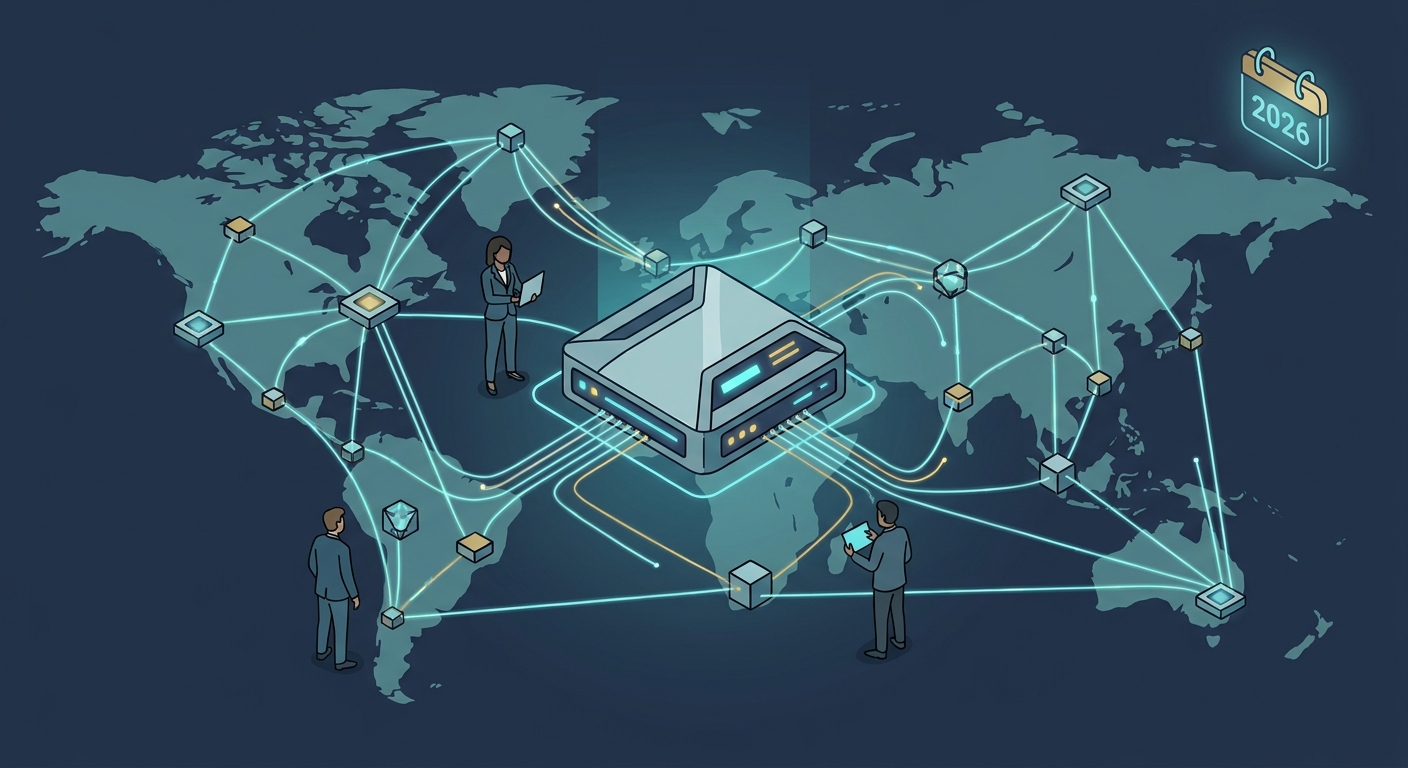
The days of empty hype and "get rich quick" infrastructure plays are done. By 2026, the DePIN (Decentralized Physical Infrastructure Networks) sector has matured. We’ve moved past the theoretical phase. Today, decentralized networks are actually outperforming legacy giants on cost, speed, and reliability.
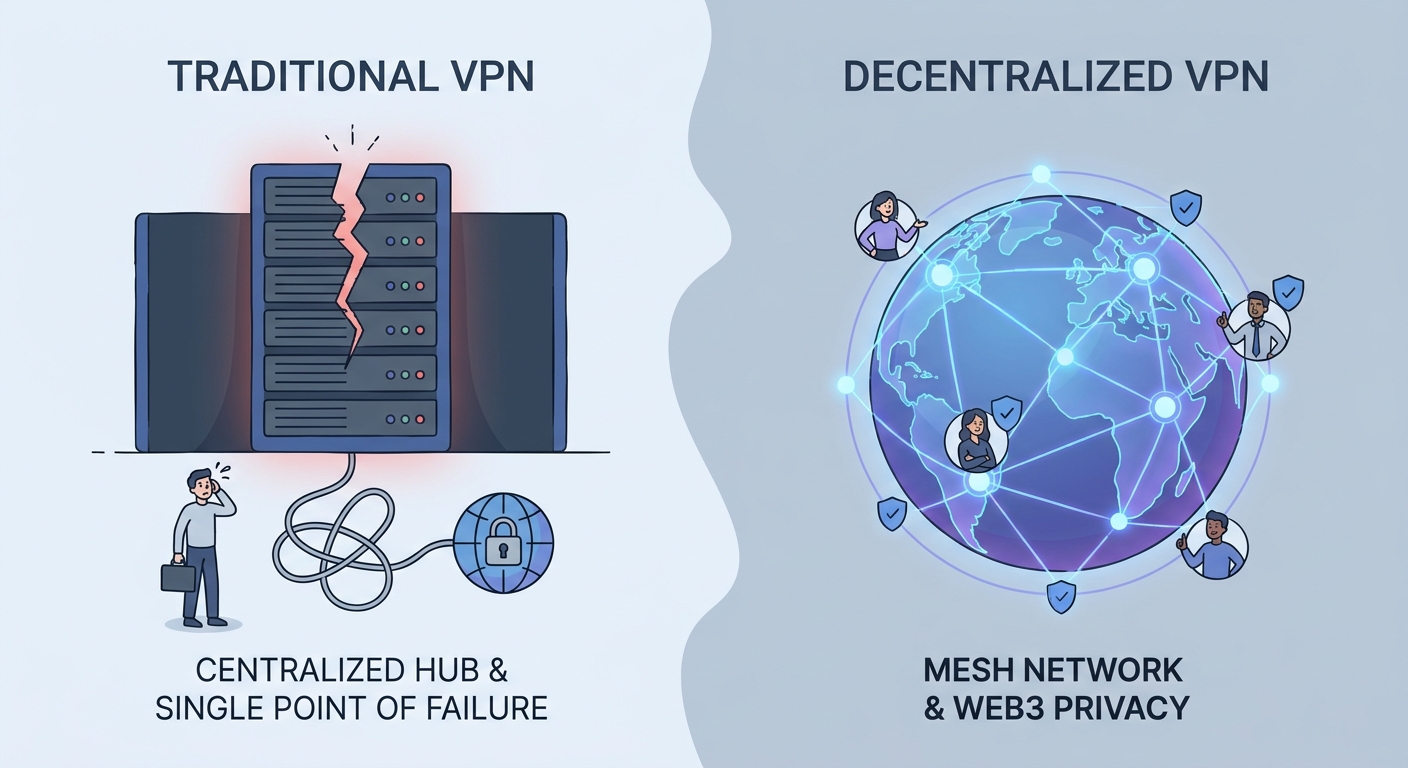
Instead of relying on corporate data centers that act as single points of failure, we are seeing a global, user-owned hardware revolution. These projects use Proof-of-Physical-Work to guarantee that real-world work—like rendering a frame, storing a file, or mapping a street—is actually happening. This isn't just a crypto experiment anymore; it’s the new gold standard for digital resilience.
How Does DePIN Power the Decentralized Internet?
The magic of DePIN is the flywheel. It’s simple, really: stop asking corporations to build everything. Instead, use token incentives to bootstrap hardware deployment. When normal people contribute their idle resources, the network grows. As it grows, it gains utility. That utility attracts users, which generates revenue, which stabilizes the token, which keeps the hardware providers happy. It’s a self-sustaining loop that skips the massive overhead costs of traditional telcos.
The Convergence of AI and DePIN: Why Does It Matter?
The AI boom created a massive problem: a handful of tech behemoths now control the world’s GPU supply. If you want to train a model, you pay their toll. DePIN flips the script. By creating distributed compute networks, developers can pull power from thousands of independent nodes rather than one centralized silo. As explored in the latest industry analysis on the future of DePIN, this isn't just about decentralization; it’s about survival. It creates an environment where localized, private AI development can actually thrive without being throttled by Big Tech.
The Top 10 DePIN Projects to Watch in 2026
1. Render (RNDR)
Render is the heavy hitter of decentralized GPU rendering. It’s essentially a global supercomputer for artists and AI engineers who need massive compute power. By 2026, Render has pivoted hard into AI inference. Its tokenomics are smart, too—they’re tied to actual network usage, not just inflationary handouts.
2. Akash Network
Think of Akash as the "Airbnb of Cloud Computing." It’s a permissionless marketplace where you can deploy containers for a fraction of what AWS charges. For developers tired of being de-platformed by corporate cloud providers, Akash is a godsend. It’s sovereignty, pure and simple.
3. Filecoin (FIL)
You can’t have an internet without storage. Filecoin has evolved from a niche protocol into a massive, verifiable data ecosystem. It ensures your files stay accessible even if an entire region goes dark. Their 2026 focus is on "retrieval markets"—making decentralized storage just as fast as the centralized competition.
4. Helium (HNT)
Helium took the complex world of wireless connectivity and turned it into a crowdsourced utility. In 2026, it’s a mature 5G powerhouse. They’ve successfully moved to a model where real-world cellular traffic revenue pays the bills, proving that community-owned infrastructure can actually eat the lunch of the incumbents.
5. Hivemapper
Why pay a massive corporation to map the world when you can pay drivers to do it? Hivemapper uses dashcams to capture high-quality imagery in real-time. The data is fresher and cheaper than anything Google provides. It’s a goldmine for autonomous vehicles and local logistics.
6. IoTeX
IoTeX is the glue for the Internet of Things (IoT). Whether it’s smart home sensors or industrial hardware, IoTeX provides the secure connection needed to make these devices talk to each other without a middleman. It’s the backbone for trustless supply chains.
7. Flux
Flux is all about redundancy. By scattering nodes across the globe, they provide a cloud service that is practically impossible to take down. If you prioritize uptime and data integrity above all else, you’re likely running on Flux.
8. Bittensor (TAO)
Bittensor is the wild frontier of machine learning. It creates a global market where AI models compete to provide the best answers. Instead of one giant, black-box model from a tech giant, developers get access to a collective intelligence that is constantly iterating and improving.
9. DIMO
Your car generates more data than you realize. DIMO lets you own that data. By connecting your vehicle, you can monetize your driving habits or negotiate better insurance rates. It’s finally giving the power back to the car owner, not the manufacturer.
10. Shadow
Privacy is the elephant in the room for cloud computing. Shadow provides an anonymous, encrypted infrastructure for compute-heavy tasks. It’s built for enterprises that need to process data without leaving a trail for surveillance-heavy cloud providers to follow.
Is Decentralized Internet Access the Future of Privacy?
It’s about autonomy. Period. As explained in our guide on DePIN and the Decentralized Internet, these protocols let you route traffic through community-managed nodes. You aren't just a user; you’re a stakeholder. As we often emphasize regarding why privacy matters in the Web3 era, true freedom requires tools that are private by default. If you aren't the one managing the infrastructure, someone else is managing you.
How Do You Evaluate a DePIN Project’s Sustainability?
Watch the "Revenue-to-Reward" ratio. If a project is just printing tokens to pay node operators, it’s a ticking time bomb. The real winners are the ones charging actual businesses for services. You can track live project metrics on DePIN Scan to see who is actually doing business and who is just inflating their numbers.
What Are the Real-World Risks of DePIN Participation?
Don't go in blind. Hardware isn't free, and it depreciates. If your rewards don't cover your electricity and hardware costs, you're running a hobby, not a business. Also, keep an eye on regulations—especially regarding mapping and data collection. Most importantly: secure your network. Don't let your node become an entry point for hackers into your home network.
Frequently Asked Questions
What is the core difference between DePIN and traditional infrastructure?
Traditional infrastructure is a walled garden owned by corporations. DePIN is an open field owned by the people who use it. It’s about removing the middleman and the monopoly.
Are DePIN projects sustainable in the long run?
Only if they stop relying on subsidies and start generating real revenue from customers. If the business model is "pay users to exist," it won't last. If it's "sell services to users," it has a chance.
How do I safely participate in DePIN as a node operator?
Treat your node like a server. Don't run it on the same network as your personal devices. Use a dedicated VLAN, keep your software updated, and always vet the project's security audits.
Is DePIN just about crypto, or is it actually useful?
It’s utility first. The blockchain is just the accounting layer. The actual work—training AI, storing data, mapping streets—is happening right now in the real world.
Conclusion: Navigating the Decentralized Frontier
The "hype" cycle is dead; long live the "utility" cycle. If you're looking to get involved, look for projects that are actually solving problems, not just issuing tokens. The future of the internet is decentralized, but it’s up to you to navigate it safely. Set up your nodes, do your research, and keep your data private. The frontier is wide open.