What is DePIN? How Decentralized VPNs (dVPNs) are Changing Internet Privacy in 2026
TL;DR
- ✓ DePIN replaces centralized corporate servers with resilient community-owned peer-to-peer infrastructure.
- ✓ Decentralized VPNs use cryptographic proofs to guarantee privacy instead of relying on corporate trust.
- ✓ Tokenized incentives create a self-sustaining flywheel that improves network speed and density over time.
- ✓ dVPNs represent the shift toward consumer-grade digital sovereignty and censorship-resistant internet access.
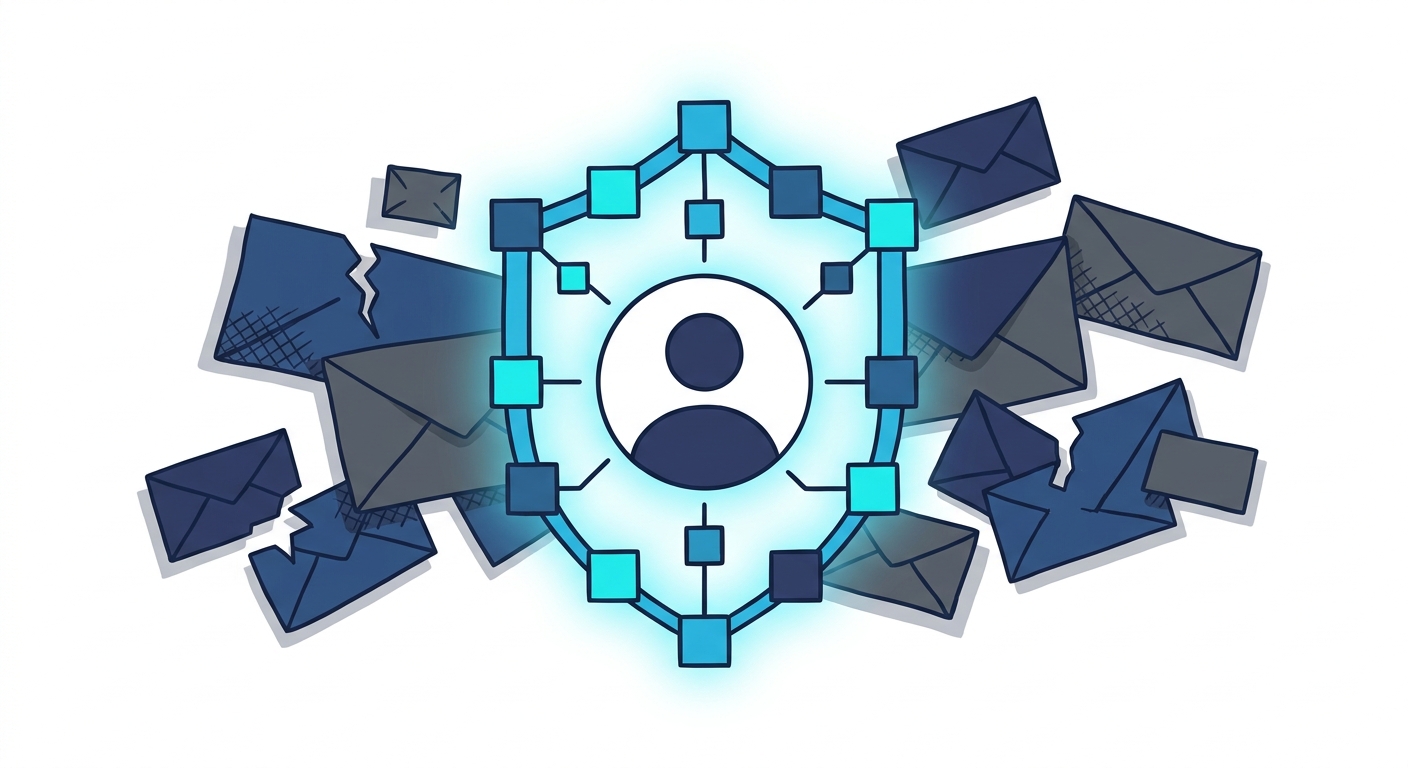
The internet today is a collection of centralized honeypots. Whether you’re clicking through a legacy VPN or just rawdogging the web unprotected, your data is funneled through massive corporate servers that act as single points of failure. If the provider gets subpoenaed, hacked, or just decides to sell your metadata to the highest bidder, your privacy is toast.
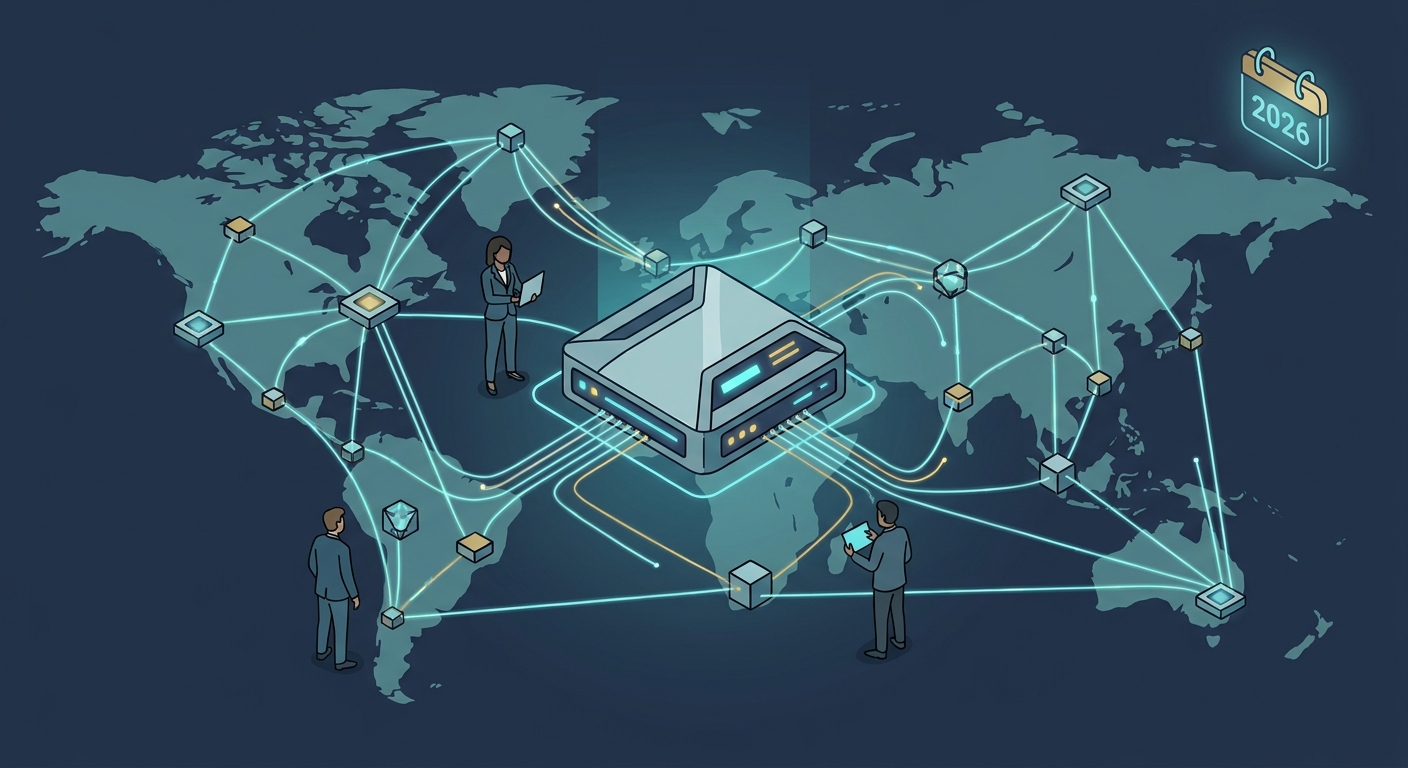
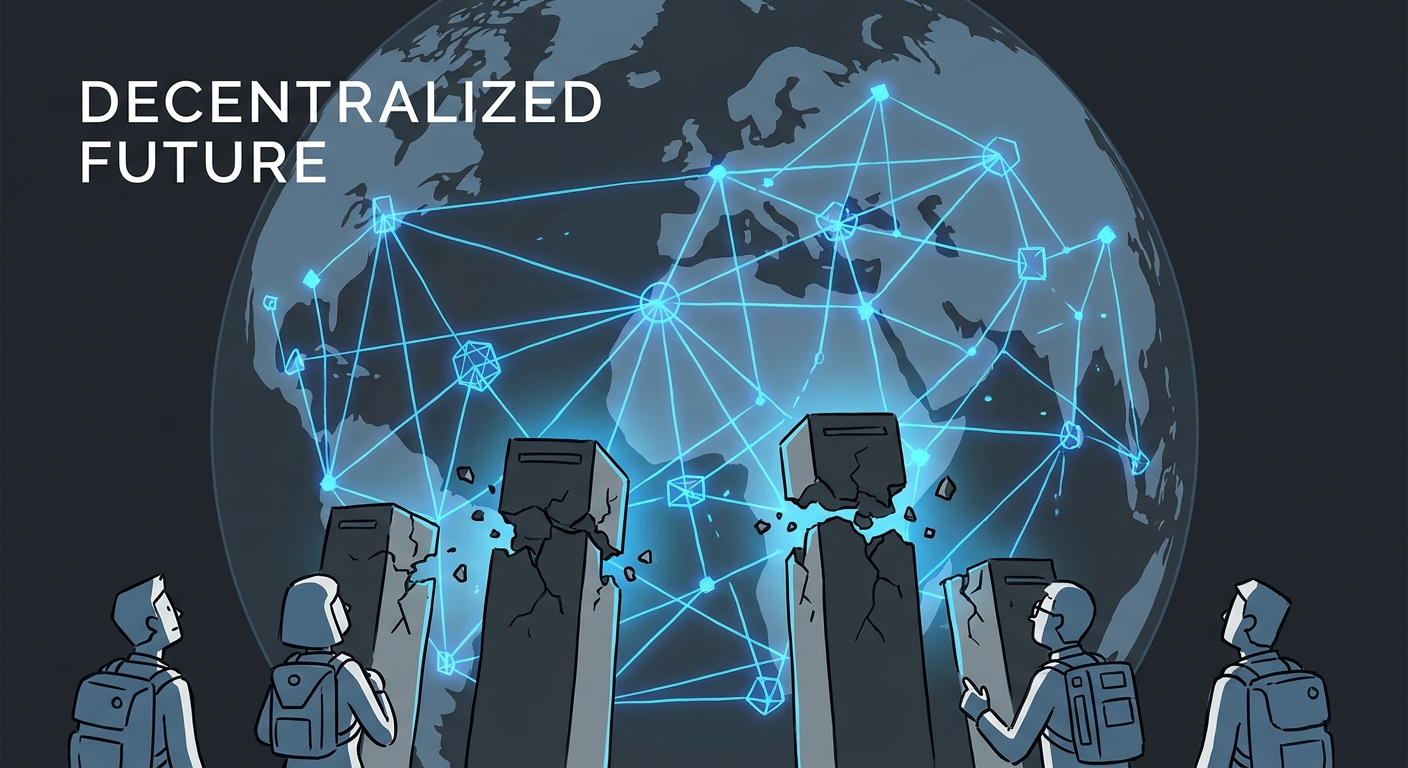
Decentralized Physical Infrastructure Networks (DePIN) are the first real alternative to this broken architecture. Instead of relying on corporate-owned glass and steel, we’re shifting to community-owned infrastructure. As outlined in this DePIN Sector Overview, we’re building an internet where privacy is enforced by cold, hard math rather than the "no-logs" marketing fluff of a CEO. By 2026, dVPNs have finally crossed the chasm from experimental crypto-projects to essential, consumer-grade gear for anyone who actually cares about digital sovereignty.
What Exactly is DePIN? (Beyond the Buzzwords)
Think of DePIN as the "Airbnb for Bandwidth." Airbnb disrupted the hotel industry by letting regular people monetize their spare bedrooms. DePIN does the same for your internet connection. You don’t need a tech giant to spend billions on a data center; you just need thousands of individuals worldwide, each acting as an independent node in a massive, resilient, distributed web.
The stack is simple, even if the tech isn't:
- Hardware: The physical nodes—your router, a laptop, or a dedicated gateway—that move the data.
- Middleware: The protocol layer that handles the routing, encryption, and peer-to-peer handshakes.
- Blockchain: The incentive layer. It ensures node providers get paid for their bandwidth without a central bank or a billing department hovering over the process.
The magic here is the flywheel effect. As more users pile in, the network gets denser. Latency drops. Speeds climb. That attracts even more people. It’s a self-sustaining loop.
How do dVPNs Differ from Traditional VPNs?
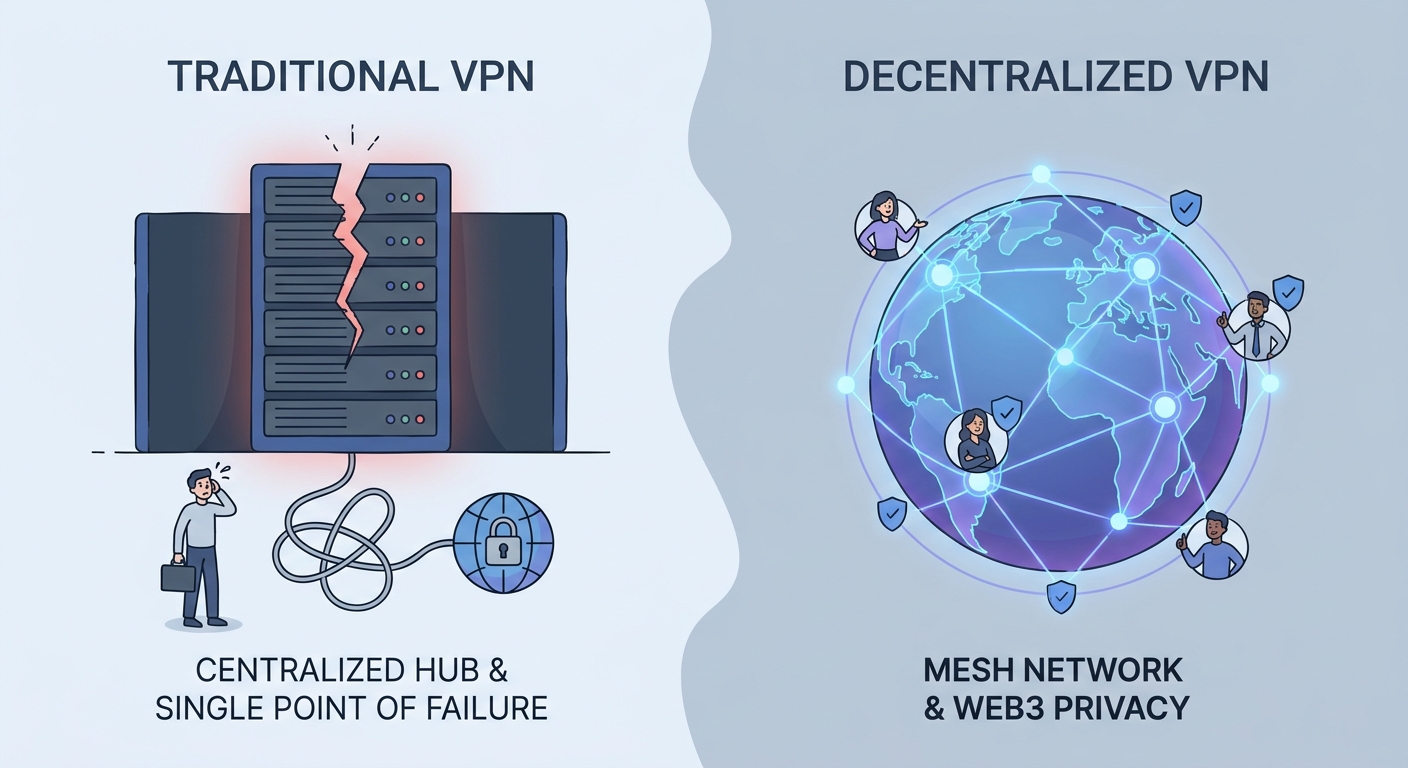
The divide between old-school VPNs and dVPNs is the shift from "Trust" to "Math." Traditional providers ask you to trust that they aren't keeping logs. You’re essentially just shifting your surveillance from your ISP to the VPN provider. If that provider gets compromised, their entire database of your digital life is wide open.
dVPNs use cryptographic proof. Your traffic is encrypted and bounced through multiple nodes, none of which have the full context of who you are or what you’re doing. That’s why understanding why privacy matters in 2026 is so critical; as surveillance gets smarter, the "centralized honeypot" model becomes a liability.
| Feature | Centralized VPN | Decentralized VPN (dVPN) |
|---|---|---|
| Trust Model | Corporate Policy ("No-Logs") | Cryptographic Verification |
| Point of Failure | Single Server/Data Center | Distributed P2P Mesh |
| Censorship | Easy to Block IP Ranges | Highly Resilient/Dynamic |
| Transparency | Closed Source/Proprietary | Open Protocol/Auditable |
Why are dVPNs Crucial for Internet Privacy in 2026?
As governments and ISPs get tighter with their digital borders, dVPNs are becoming a lifeline. Traditional VPN servers have static IP addresses that are laughably easy for streaming services and state firewalls to blacklist. dVPNs, however, rely on a constantly shifting network of residential IP addresses. They are infinitely harder to block.
Furthermore, by utilizing modern, feature-rich solutions, you can enjoy distributed routing without the headache of manual configuration. When you route through a dVPN, your ISP sees an encrypted tunnel to a random node, not a connection to a known VPN server farm. This breaks the pattern-matching algorithms that ISPs use to throttle your connection.
The Economics of Bandwidth: Can You Really Monetize Your Internet?
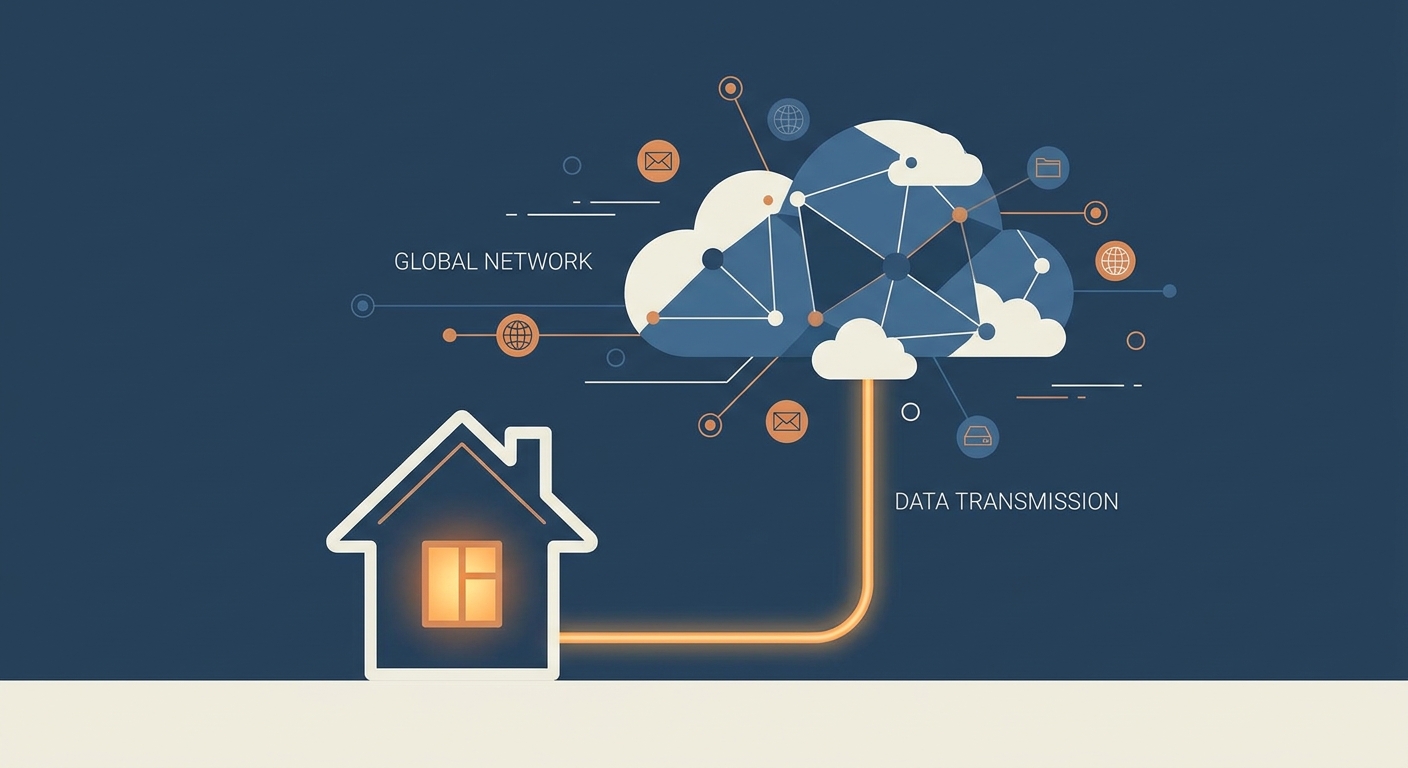
The move to DePIN isn't just about privacy; it’s about reclaiming the value of the infrastructure you already pay for. Most households pay for high-speed fiber that sits idle 70% of the day. By running a dVPN node, you turn that wasted capacity into a digital asset.
This "side-hustle" is the engine of the DePIN ecosystem. Providers earn tokens for the quality and uptime of their bandwidth. It’s a symbiotic relationship: the network gets the capacity it needs to scale, and you offset your monthly internet bill. It requires a mindset shift, though. You aren't just a consumer anymore—you’re a participant in the global infrastructure layer.
Addressing the Skeptics: Latency, Speed, and Security
The most common knock on dVPNs is that they’re "too slow." That’s a 2022 take. Modern optimizations like node clustering and geographic preference settings have brought dVPN performance to within a hair’s breadth of the big centralized players.
Then there’s the security bogeyman. People worry about the legality of traffic passing through their nodes. In a properly designed dVPN, the node operator is just a blind relay. You provide the pipe, but because the data is end-to-end encrypted and multi-hopped, you can’t see, store, or be held liable for what’s inside the packets. It’s the digital equivalent of a mail carrier; they deliver the package, but they don't know what’s inside.
The Future of Distributed Infrastructure
We are moving toward a world where internet infrastructure is invisible and ubiquitous. As A16z notes on DePIN use cases, integrating these protocols into IoT devices and smart home routers is the next frontier. Imagine your thermostat automatically contributing a fraction of its bandwidth to a global privacy mesh, earning you passive income while helping someone across the globe bypass a state firewall.
Enterprise adoption is catching up, too. Companies that need global data scraping or geo-testing don't need to pay extortionate fees to centralized proxy providers anymore. They can tap into a decentralized, residential-grade proxy network that is faster, cheaper, and harder to detect.
Getting Started: How to Participate
The barrier to entry has never been lower. Start by picking a dVPN app that prioritizes user experience over technical complexity. Once it’s installed, the app handles the P2P logic, routing you through the best nodes automatically.
If you want to be a provider, you’ll typically install a lightweight node client on a desktop or dedicated hardware. The key is understanding the mechanics of P2P networks; you’re contributing to a collective, and your reward is tied to your uptime. Start small, watch your node’s performance, and see how your idle bandwidth starts helping build a better internet.
Frequently Asked Questions
Is a dVPN really faster than a traditional VPN?
Often, yes. Because dVPNs use a distributed network, you can frequently connect to a node physically closer to your destination than a centralized server, which slashes latency and "hop" counts.
Do I need to be a crypto-expert to use a dVPN?
Not even close. The latest dVPN apps abstract away the blockchain and token management, letting you connect with a single click—just like a traditional VPN.
How does my ISP view my participation in a dVPN network?
Your ISP sees your connection as standard, encrypted traffic. Because dVPN traffic mimics regular P2P data (like gaming or video), it’s much harder for ISPs to throttle compared to standard VPN protocols.
Is it safe to share my bandwidth with strangers?
Yes. Your node acts as an encrypted relay and never stores or decrypts the traffic. You are not responsible for the content of that traffic. Advanced dVPN protocols use endpoint isolation to ensure your own network stays completely separate from the traffic you’re relaying.