Airbnb for Bandwidth: A Beginner’s Guide to Tokenized Bandwidth Mining
TL;DR
- ✓ Turn your idle home internet into a passive income source using DePIN protocols.
- ✓ Understand how tokenized bandwidth mining functions as an Airbnb-style marketplace for connectivity.
- ✓ Learn how decentralized networks replace centralized ISPs to reward you with native tokens.
- ✓ Discover the technical requirements for running a stable and profitable bandwidth node.
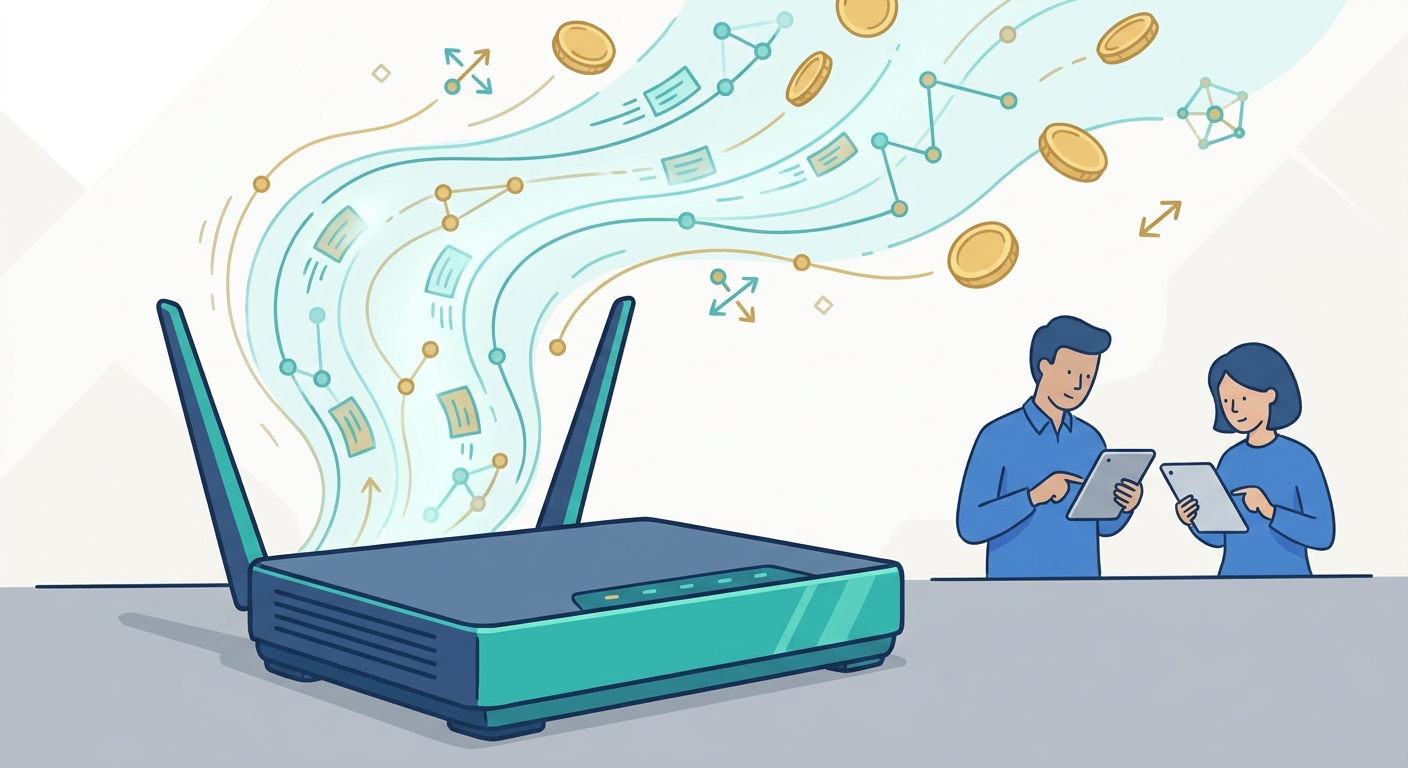
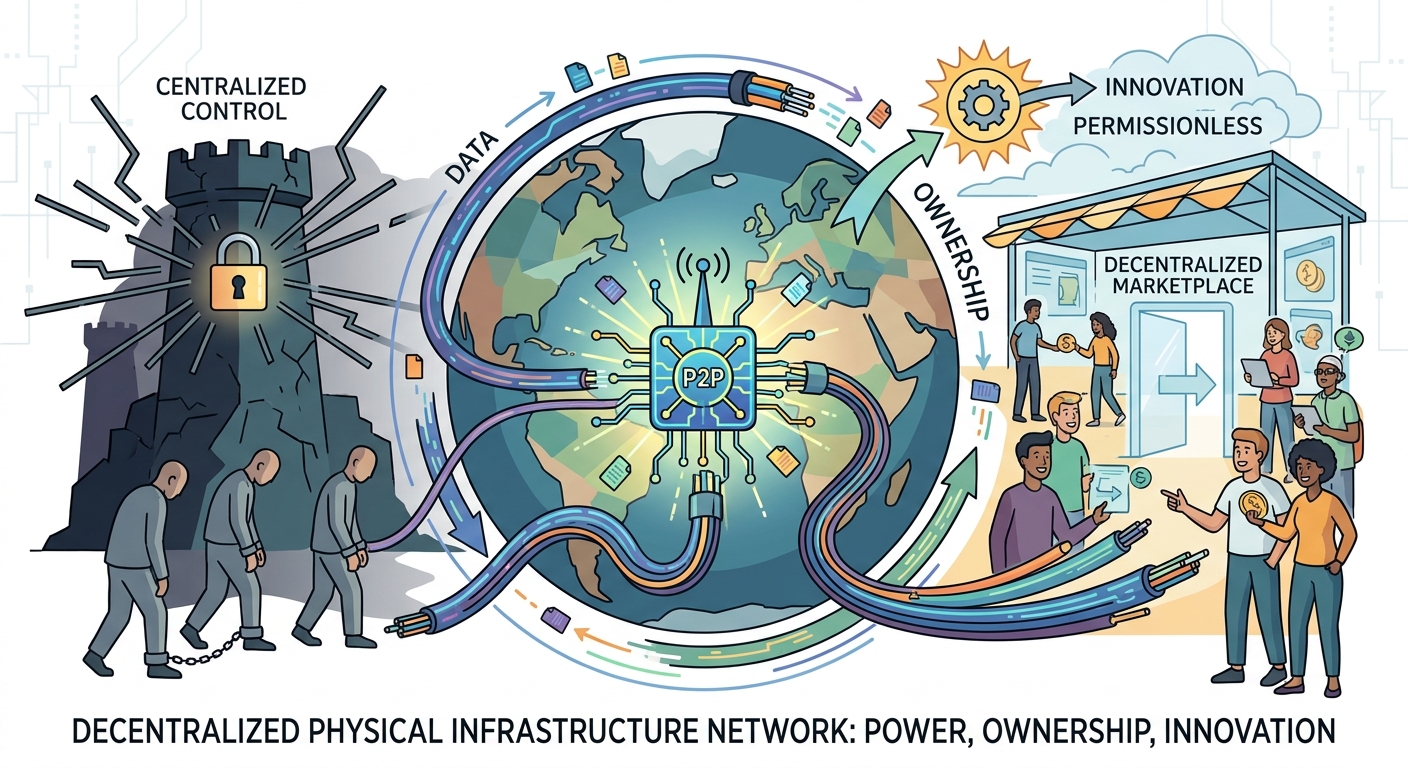
If you’ve got a stable internet connection and a computer that’s usually just gathering dust at night, you’re sitting on a goldmine. For years, we’ve dutifully paid our ISPs, essentially footing the bill to build the very infrastructure that powers the modern web—only to be treated like passive cattle. But the tide is turning. Thanks to the DePIN Explained: The 'Airbnb for Bandwidth' Revolution movement, you can finally stop being just a consumer. It’s time to become a provider. You can earn tokens simply by sharing your unused bandwidth. Let’s be clear: this isn’t some "get-rich-quick" pipe dream. This is the $20B+ DePIN (Decentralized Physical Infrastructure Network) market finally maturing into a legitimate utility layer for the internet.
What is Tokenized Bandwidth Mining? (The "Airbnb" Concept)
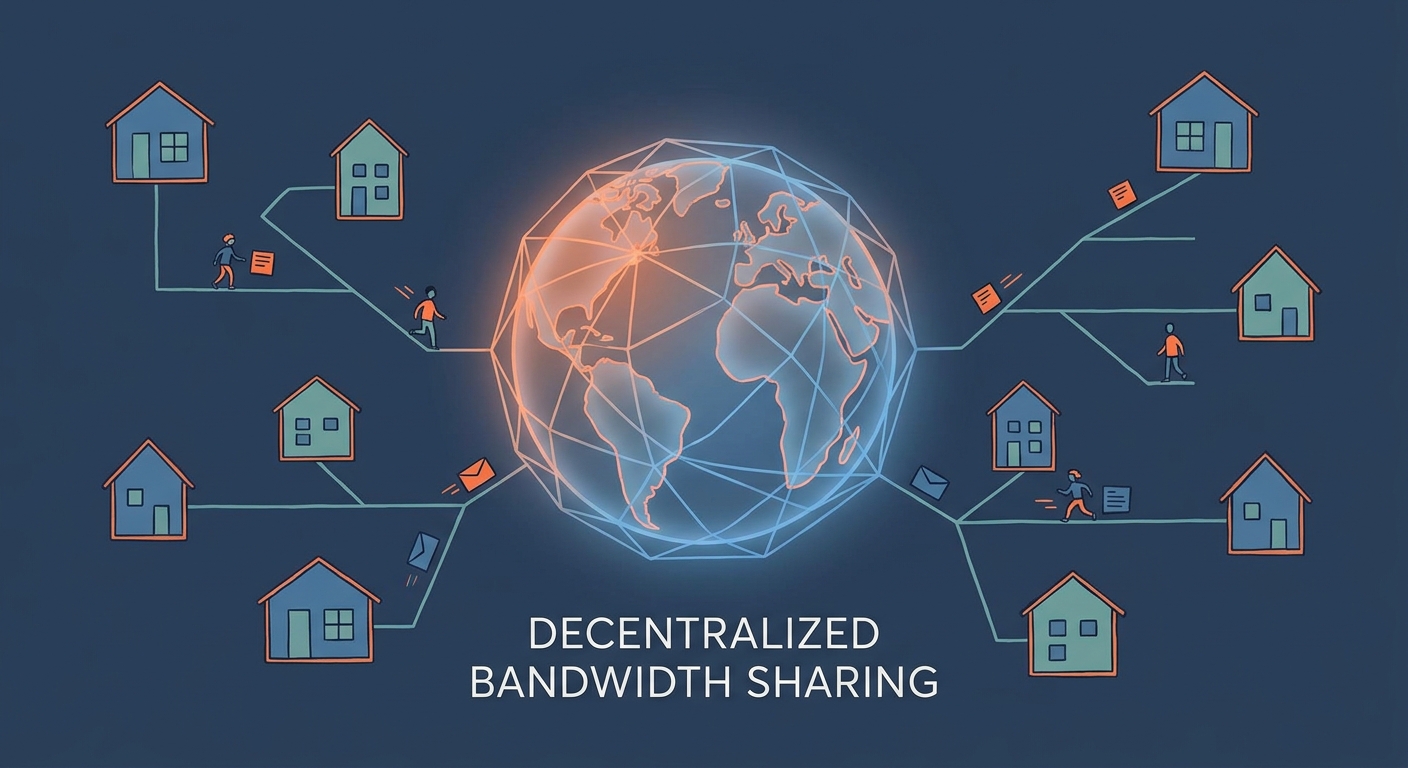
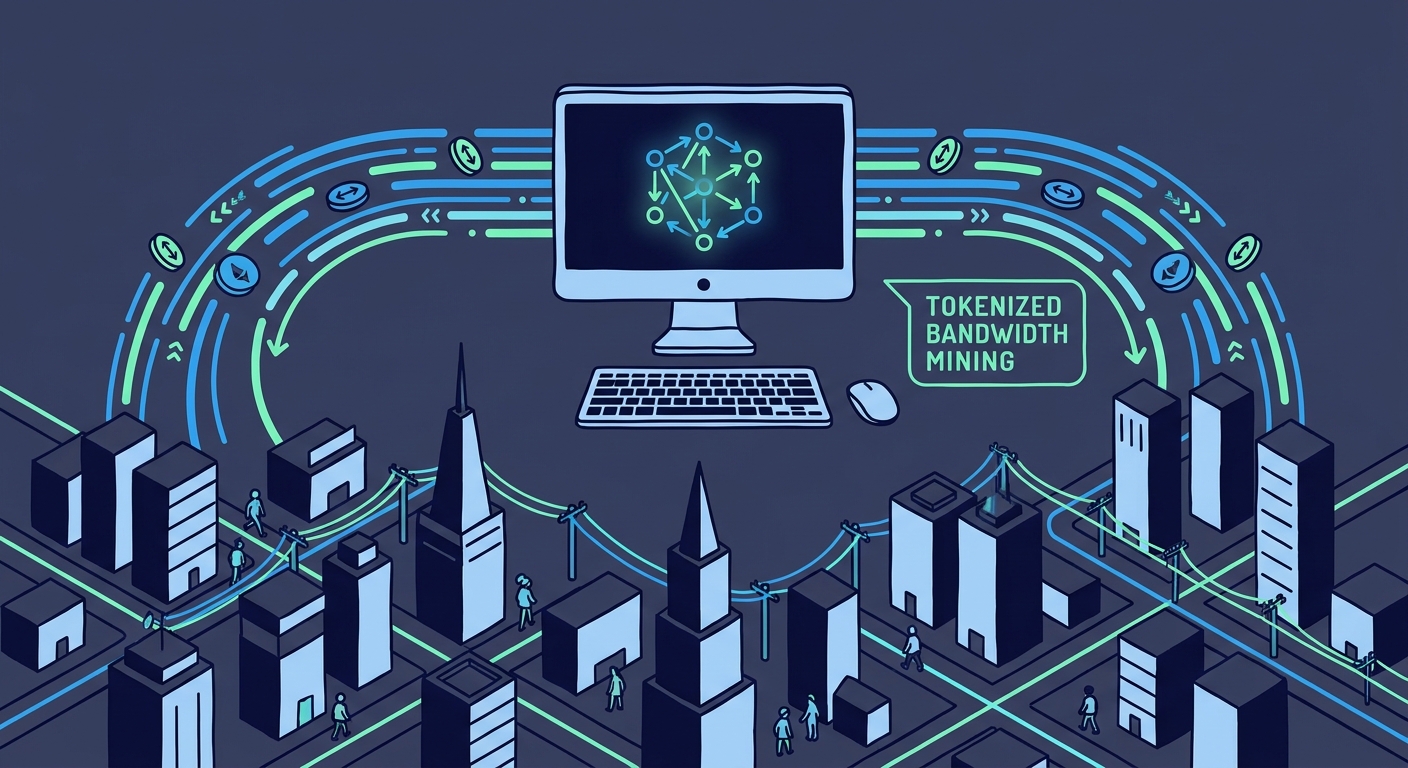
Think of your home internet like a spare bedroom. In the old model, that room sits empty. You’re paying for the heat, the property taxes, and the space, but you get zero return. Now, imagine putting that room on Airbnb. You’re inviting a traveler—in this case, an AI agent, a researcher, or someone who just values their privacy—to stay for a bit. You get paid for the convenience.
Centralized ISPs have spent decades acting like gated, closed-loop hotels. They charge a fortune for access and, frankly, they hoard the data that flows through their pipes. Decentralized infrastructure kicks the middleman to the curb. By running a node, you effectively become a micro-ISP. You’re providing the digital real estate that the modern web is starving for, and in exchange, the network protocol cuts you a check in native tokens. It’s the democratization of connectivity, turning your residential IP into a commodity that’s traded on a global, permissionless market.
How Does Bandwidth Mining Actually Work?
The mechanics here are surprisingly elegant. Instead of relying on a massive, centralized server farm—which is basically a "please censor me" sign for governments and corporations—a decentralized network stitches together the bandwidth of thousands of individuals just like you. When a client, like an AI model trainer or a data firm, needs to scrape info or check how a website looks in a specific country, they route their traffic through your node.
Your rewards are "resource-weighted." This means the protocol doesn't care if you're just "online." It cares about uptime, latency, and the quality of your IP. If your node offers a clean, residential IP with snappy response times, you’re gold. You’re infinitely more valuable than a data-center IP, which gets flagged and blocked by half the internet before you can even blink. You can dig into the Tokenomics of Resource-Weighted Mining if you want the nitty-gritty on how these algorithms calculate your payout.
The Role of Nodes and Hardware
Forget the image of a warehouse stuffed with buzzing, power-hungry GPUs. In 2026, the best node operators are running on humble gear: Raspberry Pis, that old laptop in your closet, or a low-power home server. The modern "mining rig" is silent, efficient, and fits on a bookshelf.
The real currency here is your Residential IP address. When an AI company "What is a Residential Proxy?" goes hunting for data, they need it to look like it’s coming from a normal house, not a server farm. Your home connection provides that "authenticity" they crave to bypass bot detectors and geo-blocks. By providing this gateway, you’re filling a massive, hungry demand from the AI sector.
Token Incentives and the "Flywheel" Effect
How does this scale? It’s all about the blockchain. The Solana Foundation DePIN Research points out that the ability to process thousands of micro-transactions per second is what makes this economically viable.
When you earn tokens, you’re fueling a flywheel. As more people join, the network gets stronger and harder to censor. That reliability attracts more enterprise buyers. More buyers mean more network value, which leads to higher rewards for you. It’s a virtuous cycle. It rewards people who actually provide quality, not just the speculators looking for a quick flip.
Why Join a DePIN Network? (Privacy + Passive Income)
The money is great, sure. But the real draw? It’s the power shift. We’ve spent years trusting "no-logs" policies from big VPN corporations. We all know how that ends: data leaks, subpoenas, and broken promises.
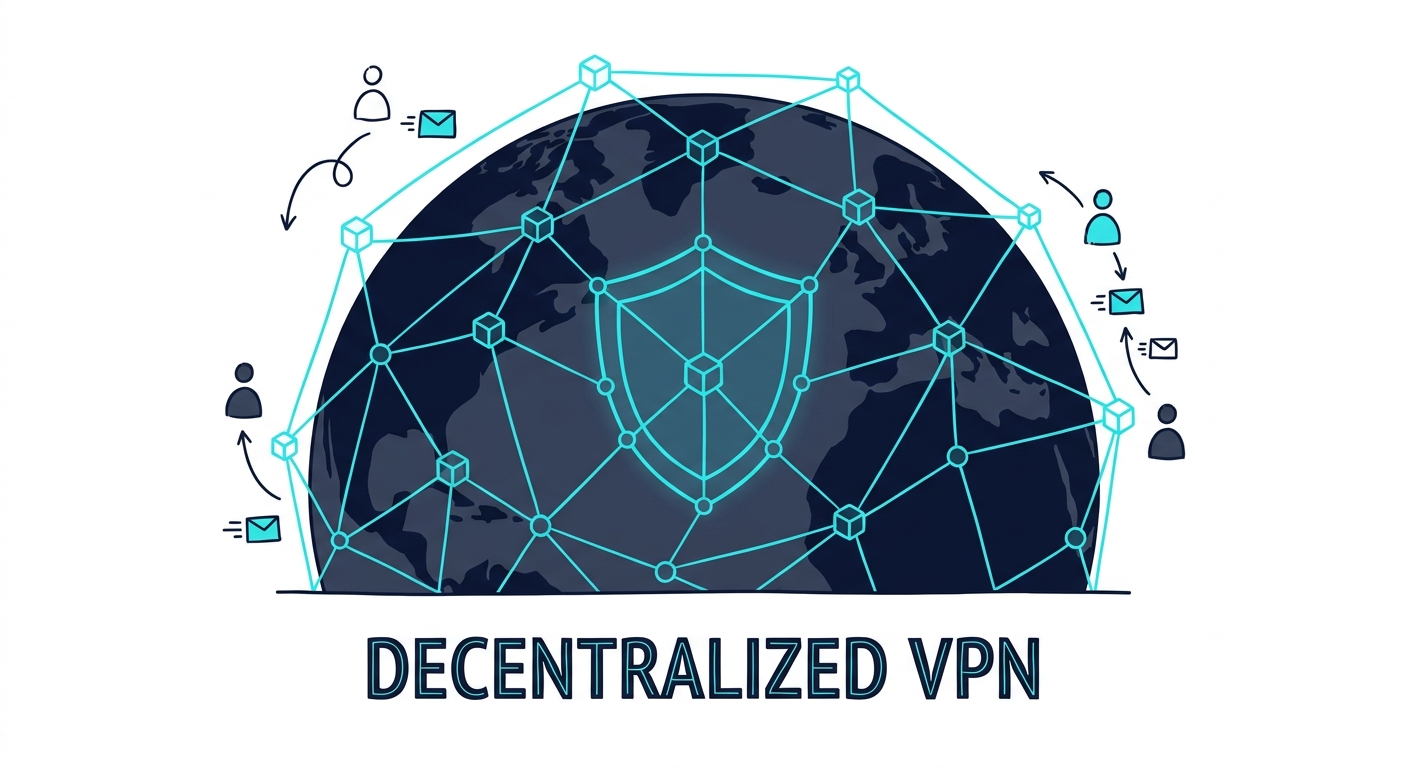
A decentralized VPN (dVPN) is trustless by design. The infrastructure is spread across thousands of nodes, so no single company can peek at your traffic or sell your browser history. Here’s how the old guard stacks up against the new reality:
| Feature | Centralized VPNs | Decentralized VPNs (dVPNs) |
|---|---|---|
| Privacy | Trust-based (Corporate) | Trustless (Open-source/Code) |
| Speed | Variable (Server Congestion) | High (Localized Routing) |
| Cost | Fixed Monthly Fee | Pay-as-you-go (Tokenized) |
| Censorship | High Vulnerability | Highly Resistant |
Step-by-Step: Setting Up Your First Node
Getting started is easier than it has ever been. But first, do your homework. Pick a protocol that fits your hardware and your goals. I’d suggest checking out the Best dVPNs of 2026: Token-Earning Reviews to find a project with a solid community and a proven track record.
- Select Your Protocol: Pick a network that plays nice with your hardware—Docker for desktops, specialized apps for mobile, etc.
- Network Configuration: You’ll need to poke a hole in your router's firewall for the necessary ports. Keep it clean: always isolate your node from your primary personal devices if you can.
- Deployment: Run the node client. If you’re on a Raspberry Pi, it’s usually just a quick command in the terminal.
- Monitoring: Keep an eye on the dashboard. Tools like DePINscan are great for tracking your uptime, earnings, and the overall network health in real-time.
Risks and Reality Check: What should you watch out for?
Look, let’s be real. This is passive income, not a retirement plan.
- The "Exit Node" Dilemma: When you run an exit node, traffic leaves your home IP. Most protocols have aggressive filters to block illicit activity, but you’re still the endpoint. Do your research on the protocol’s liability policies before you flip the switch.
- Hardware Wear: Yes, the drive is spinning or the SSD is reading/writing. It’s a 24/7 operation, so factor in a little wear and tear.
- Electricity: If you’re running a monster gaming PC, the power bill will eat your profits. Stick to low-power, ARM-based hardware. It’s the smartest play for a reason.
The Future of Decentralized Infrastructure
The AI boom isn't going anywhere. It’s a fundamental change in how software interacts with the world. Every LLM, every scraper, and every autonomous agent needs high-quality, residential bandwidth to function properly. We are witnessing the slow death of the ISP-dominated internet and the rise of a collaborative, user-owned web. As the world gets more restrictive, the value of a decentralized, permissionless internet will only skyrocket. By setting up a node today, you aren't just farming tokens—you’re building the bedrock of the next web.
Frequently Asked Questions
Is bandwidth mining safe for my home network?
Generally, yes. Most protocols use encrypted tunnels, so you aren't "seeing" the data passing through. Still, common sense applies: use a separate VLAN or a hardware firewall to keep your personal files and devices siloed from the node’s traffic.
How much can I actually earn per month?
It depends. Location, connection speed, and the specific protocol you run all play a role. In high-demand zones, you can easily offset your monthly internet bill. Just don’t expect to buy a yacht next month. Treat it like a side hustle.
Does bandwidth mining violate my ISP’s Terms of Service?
Most residential ISPs have vague "no commercial use" clauses. Sharing bandwidth in a P2P network usually sits in a gray area. If you’re on an unlimited plan, you’re likely fine, but check your data caps. Don't be the guy who blows through a 1TB cap and complains to his ISP.
Do I need specialized hardware to become a node provider?
Not even close. A modern laptop, a low-power PC, or a Raspberry Pi 5 will do just fine. The network cares about your IP quality and uptime, not how many teraflops your CPU can push.
What happens to the traffic passing through my node?
Your node is essentially a relay. The protocol uses specific "Exit Node" policies to ensure traffic is routed through verified, secure channels. You’re the technical gateway, but the protocol’s legal framework and end-to-end encryption do the heavy lifting to keep you protected.