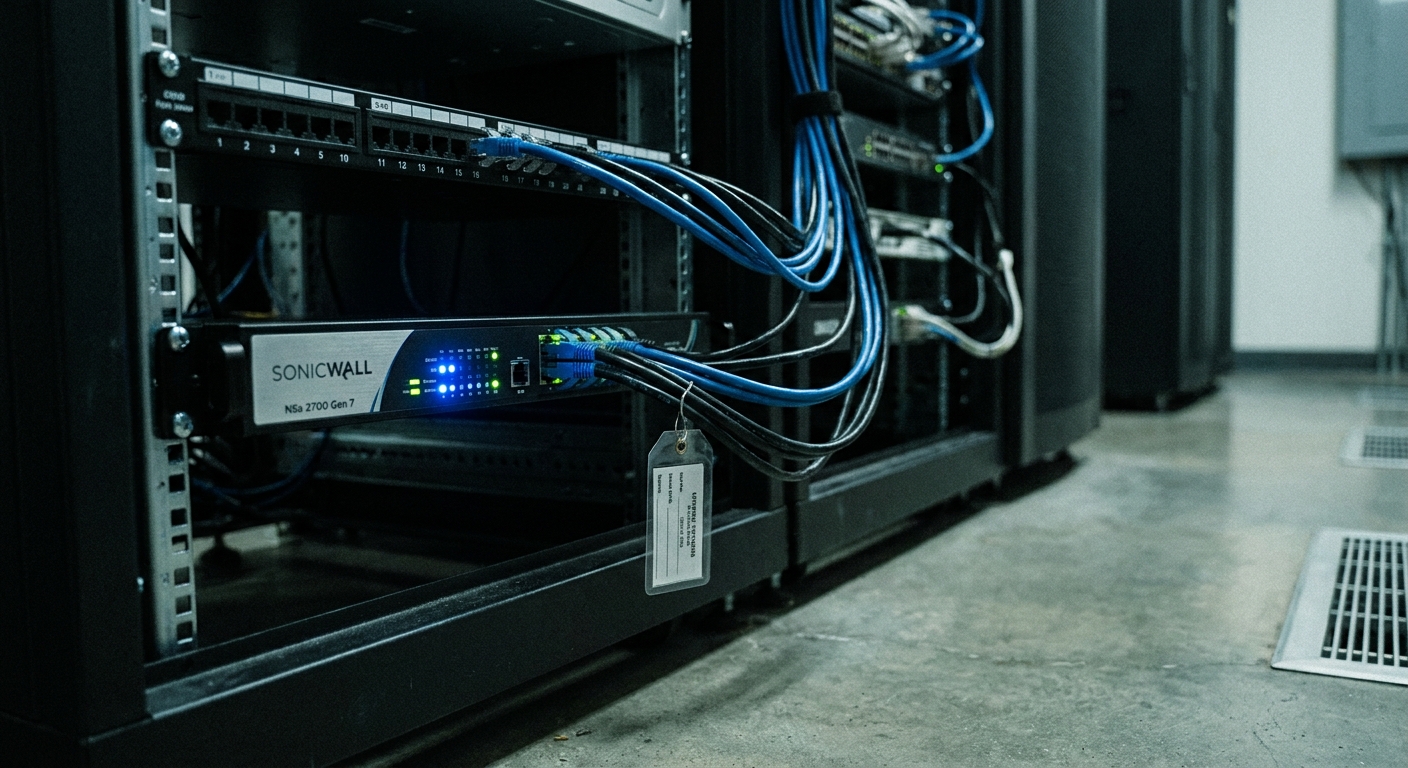
Active Exploitation of Popular VPN Gateway Triggers Data Breach Campaigns Targeting Enterprise Infrastructure

TL;DR
The digital perimeter is crumbling, and it’s happening at the front door. Security researchers and government agencies are sounding the alarm: a wave of aggressive exploitation campaigns is tearing through enterprise VPN gateways, leaving a trail of unauthorized access and data breaches in its wake. This isn't just a minor glitch; it’s a systematic assault on the infrastructure that keeps global organizations running.
At the heart of this storm is the "FortiBleed" campaign. Attackers are laser-focused on Fortinet firewalls and VPN gateways, hunting for unpatched systems with the precision of a predator. Once they find a gap, they’re in. It’s a sobering reminder of the risks inherent in VPNs as a gateway for vulnerabilities when your security maintenance can’t keep pace with the people trying to break your locks.
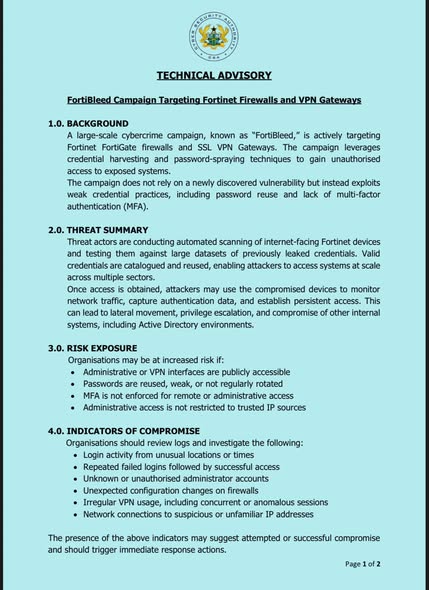
By June 2026, reports confirmed that hackers are using popular VPNs to breach online company data, with a particularly nasty spike in activity targeting organizations across Pakistan. The sophistication here is telling. These aren't smash-and-grab jobs; these actors are looking for long-term persistence. They want to set up shop in your network and stay there, quietly siphoning data while you’re none the wiser.
The Cybersecurity and Infrastructure Security Agency (CISA) has been shouting this from the rooftops for years: VPNs are the crown jewels for malicious actors. As remote work becomes the standard, the attack surface has ballooned. Every gateway is now a potential entry point for credential theft and massive data exfiltration.
Defensive Strategy: Beyond the Basics
If you’re waiting for the "perfect" time to patch, you’ve already lost. Defending against these campaigns requires a multi-layered approach that assumes the perimeter is already under fire.
- Patching is Non-Negotiable: If a firmware update is available, apply it yesterday. This is your first and most critical line of defense against known exploits.
- MFA or Bust: If you aren't using Multi-Factor Authentication on every single VPN connection, you are essentially leaving the keys in the ignition. It’s the single most effective way to neutralize stolen credentials.
- Watch the Logs: You can’t stop what you don’t see. Ramp up your log monitoring and train your eyes to spot the weird, anomalous traffic patterns that signal an intruder is rattling the doorknob.
- Know Your Limits: Stress-test your VPN capacity. You don't want your security controls to buckle just when you need them most during an incident.
- Phishing Vigilance: Your team is the final firewall. Keep them sharp. Remote workers are prime targets for credential-harvesting schemes, and a single click can undo all your technical hardening.
| Threat Component | Impact Area | Mitigation Requirement |
|---|---|---|
| VPN Vulnerabilities | Perimeter Security | Immediate Firmware Patching |
| Credential Theft | User Authentication | Mandatory MFA Deployment |
| Phishing Campaigns | Remote Workforce | Enhanced Security Training |
| Unauthorized Access | Internal Data | Advanced Log Analysis |
The persistence of campaigns like FortiBleed proves that threat actors are evolving faster than many corporate security policies. Because these devices serve as the "front door" to your most sensitive data, they are high-value targets, period.
The shift to hybrid work has permanently altered the risk profile of network gateways. Relying on "good enough" security configurations is a recipe for disaster in an era of well-resourced, relentless adversaries. IT teams need to move past the status quo—update your incident response plans, test your assumptions, and assume that someone is already looking for a way in.
Integration of real-time threat intelligence is no longer a luxury; it’s a necessity. By mapping internal logs against external threat data, you can catch the lateral movement that almost always follows an initial breach.
As this situation unfolds, the priority is clear: rapid identification of vulnerable assets. Audit your gateway configurations today. Look for unauthorized accounts, verify your authentication channels, and ensure your MFA is locked down. In the current landscape, the most effective defense isn't a single tool—it's the relentless, disciplined application of foundational security principles. Don't wait for the breach to start your audit.