Critical CitrixBleed Vulnerability Under Active Exploitation Prompts Urgent Security Patch for NetScaler Gateways
TL;DR
CitrixBleed: Why Your NetScaler Needs an Urgent Patch
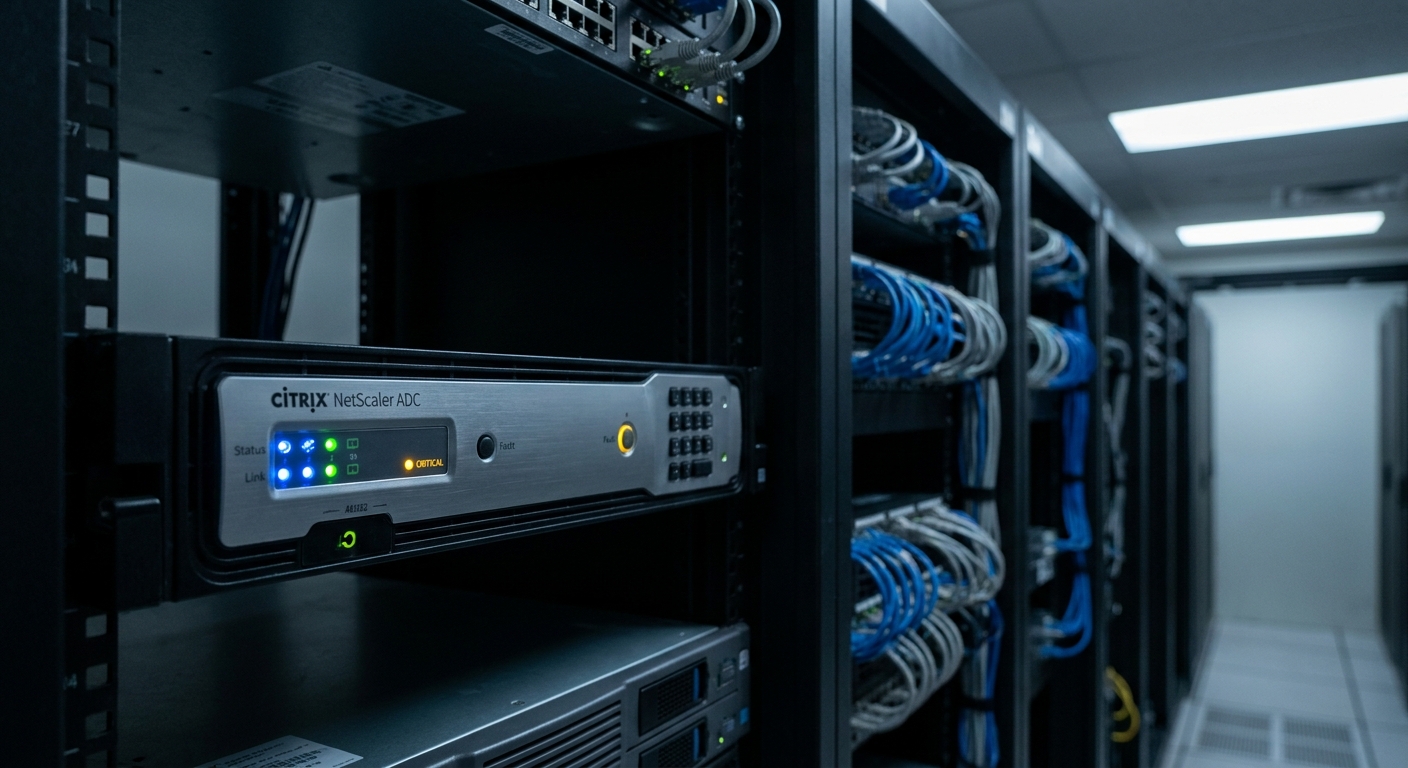
If you’re running NetScaler ADC or Gateway appliances, stop what you’re doing and check your version numbers. Right now.
The industry is currently grappling with the fallout from "CitrixBleed"—a nasty, critical vulnerability tracked as CVE-2023-4966. It’s not just theoretical; threat actors are actively weaponizing this flaw to bypass authentication and hijack active user sessions. When CISA and other heavy hitters in the security world start issuing urgent warnings, you know it’s time to listen. The exploitation began almost the moment the technical details hit the public domain. It’s a classic case of "patch or perish."
The Mechanics of the Breach
So, what’s actually happening under the hood? The vulnerability is a buffer overflow that hits NetScaler ADC and Gateway appliances specifically when they’re acting as a Gateway or an Authentication, Authorization, and Accounting (AAA) virtual server.
Essentially, an attacker can exploit this to leak sensitive authentication tokens. Once they have those tokens, they don't need your password or your MFA code. They simply walk through the front door, masquerading as an existing, authenticated user. If you have high-privilege accounts that stay logged in for long shifts, you’re looking at a worst-case scenario.
Who’s at Risk?
The scope is broad, but not universal. Here is the breakdown of where you need to focus your attention:
- The Danger Zone: Any NetScaler ADC or Gateway configured as a Gateway or AAA virtual server.
- The Safe Harbor: If you’re using Citrix-managed cloud services or Adaptive Authentication, you’re in the clear regarding this specific bug.
- The Dead End: If you’re still running version 12.1, you are effectively flying blind. That version has reached its end-of-life (EOL) and isn’t getting any more security updates. If you’re still on it, you’re permanently exposed until you migrate to a supported release.
Don’t guess—verify. Check your current build against the official security bulletin from the vendor. If you’re vulnerable, the time for planning is over; the time for action is now.

A Volatile Landscape
If you think this is a one-off, think again. The security landscape for NetScaler products has been incredibly volatile lately. We’ve seen a string of vulnerabilities that feel eerily similar to the original CitrixBleed incident. Take CVE-2025-5777, a high-severity out-of-bounds read flaw sitting at a 9.3 CVSS score, or CVE-2025-5349, an access control issue that earned an 8.7.
These aren't just random glitches; they’re reminders that network edge devices are prime real estate for attackers. You need a rigorous, non-negotiable patching cadence.
| Vulnerability | Type | Impact |
|---|---|---|
| CVE-2023-4966 | Buffer Overflow | Session Token Theft |
| CVE-2025-5777 | Out-of-Bounds Read | Unauthorized Data Access |
| CVE-2025-5349 | Access Control | Privilege Escalation |
Beyond the Patch: Cleaning Up the Mess
Here is the kicker: simply applying the patch isn't enough. Because CVE-2023-4966 involves the theft of active session tokens, a patch only stops new thefts. It doesn't invalidate the tokens that have already been swiped.
Security experts at Mandiant have been clear about the necessary cleanup:
- Patch First: Get to the latest supported versions—14.1-8.50, 13.1-49.15, or 13.0-92.19. Do not skip this.
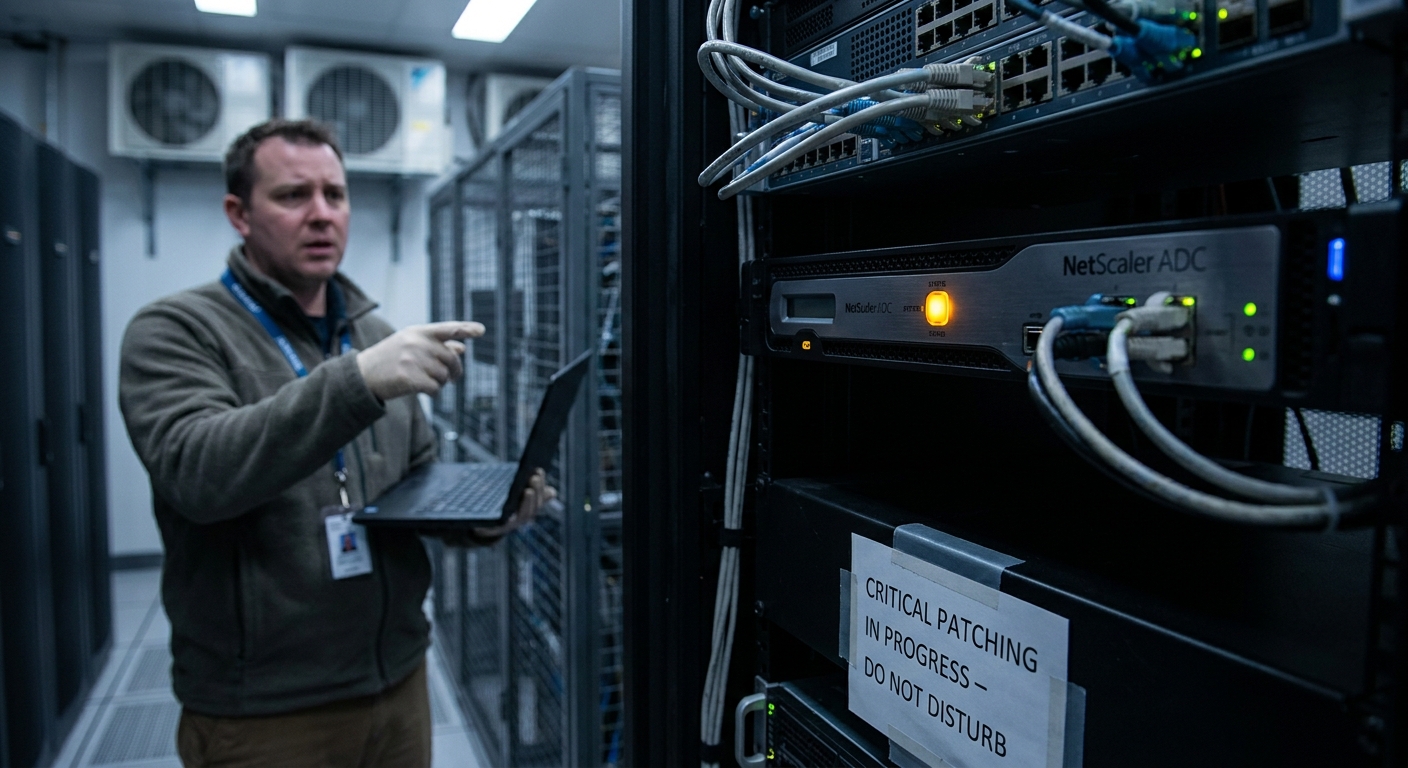
- Kill the Sessions: After patching, you must manually terminate all active ICA and PCoIP sessions. If you don't do this, you’re leaving the door unlocked for anyone who already has a stolen token.
- Use the CLI: The vendor provides specific command-line instructions in their official security update documentation. Follow them to the letter to ensure every last session is purged.
- Reset Credentials: If you have any reason to suspect a compromise, force a password reset for every user who was logged in during the exposure window. It’s a pain, but it’s the only way to be sure.
The speed of immediate exploitation following public disclosure should be a wake-up call. Attackers aren't waiting for you to finish your morning coffee—they’re scanning for unpatched systems the second a vulnerability is announced.
What About Legacy Systems?
If you’re still clinging to versions 12.1 or 13.0, you’re in a dangerous spot. These versions are EOL. They aren't getting updates, and they aren't getting safer. You need to migrate to a supported release immediately. If you need help navigating the updates or hunting for indicators of compromise, head over to the Citrix knowledge base.
Keeping your infrastructure secure isn't a "set it and forget it" task. It’s a constant, grinding effort of monitoring logs, watching for anomalies, and staying ahead of the patch cycle. In this environment, your ability to move fast—to patch, to terminate sessions, and to rotate credentials—is the only thing standing between your network and a total breach. Stay vigilant.