EU Unveils Roadmap to Strengthen Critical Infrastructure Security Against AI-Driven Cyber Threats
TL;DR
Brussels Bets Big: The EU’s New Blueprint for AI-Proofing Critical Infrastructure
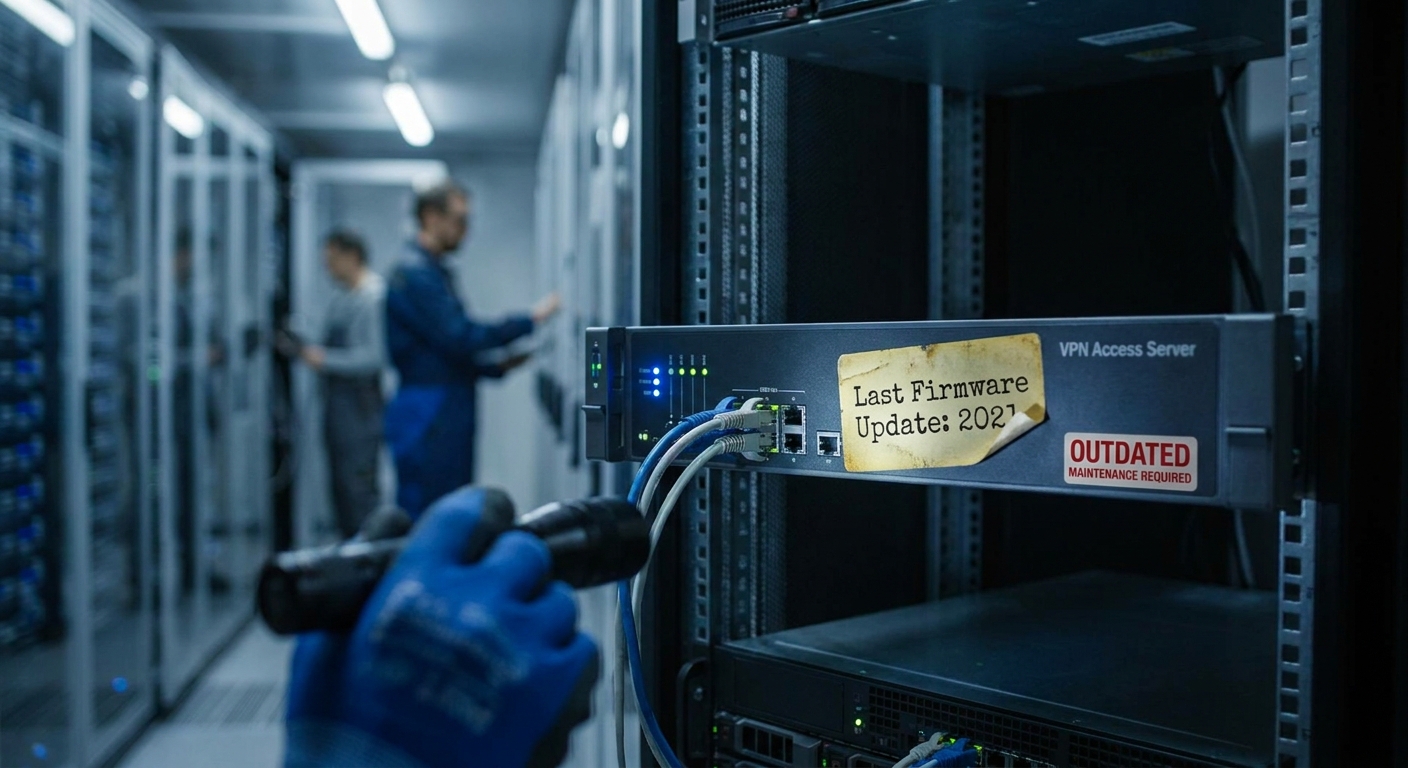
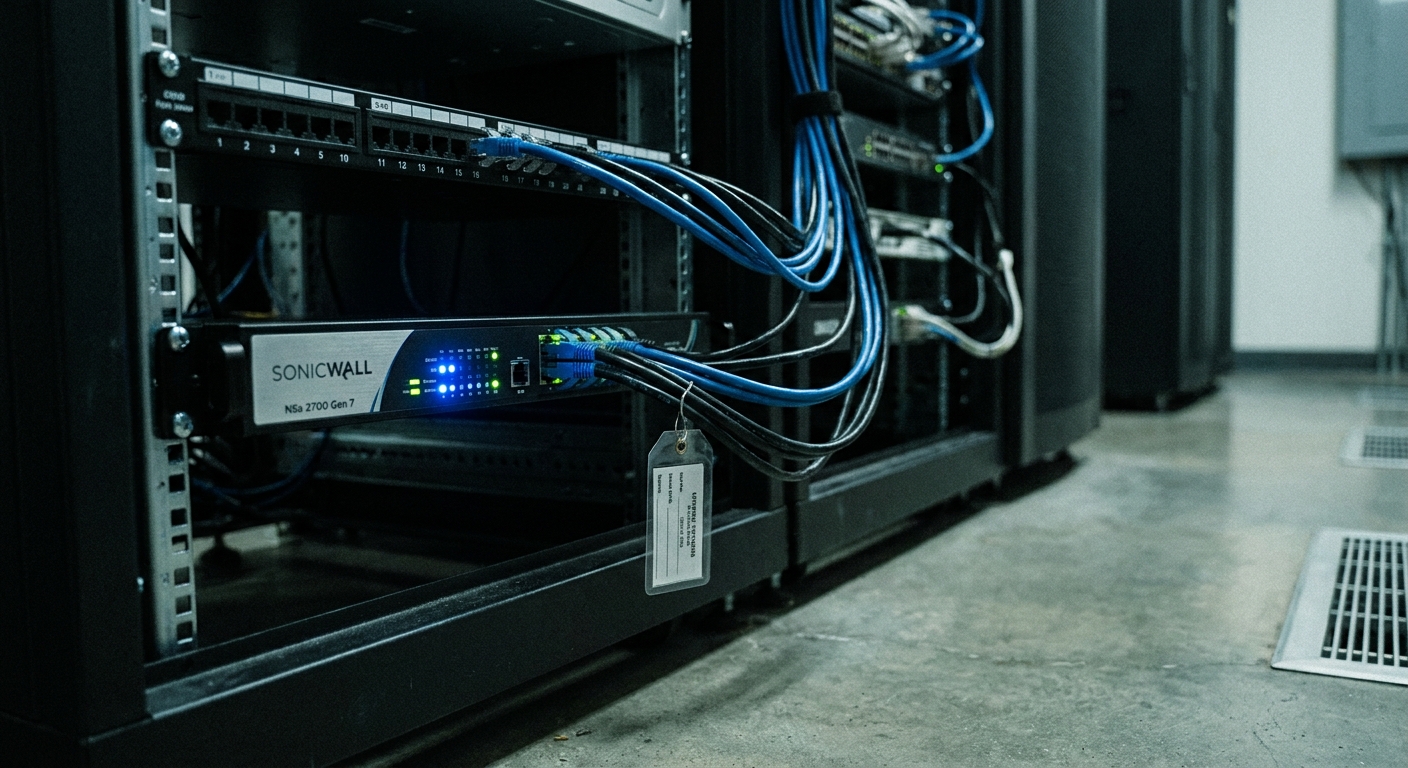
On July 7, 2026, the European Commission finally pulled back the curtain on its long-awaited strategy to tackle the messy, high-stakes collision between artificial intelligence and cybersecurity. Let’s be honest: the digital landscape is changing faster than regulators can usually keep up. We’re moving into an era of high-velocity, automated attacks that don’t sleep, don’t tire, and don’t miss.
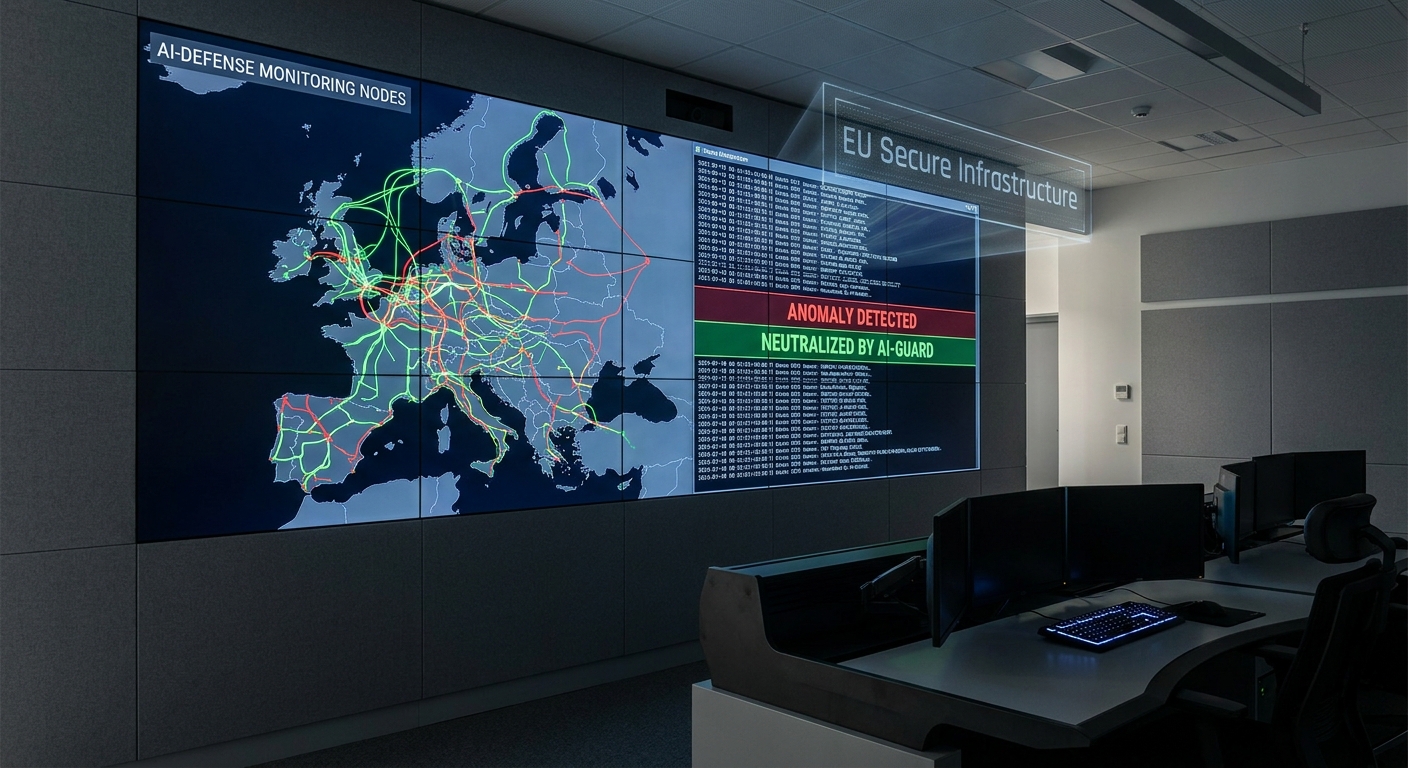
The EU’s new roadmap isn’t just another stack of paperwork. It’s a dual-track gamble. They want to play defense against AI-driven threats while simultaneously weaponizing machine learning to fortify the digital backbone of the Union. It’s a delicate balancing act—fostering innovation without leaving the front door wide open.
The Three Pillars: A Strategy for the Real World
The Commission has boiled its strategy down to three core pillars. It’s a pragmatic approach, aimed at governing AI’s lifecycle without strangling the very tech they need to survive.
- Safe AI by Design: This is about resilience. The goal is to force security into the DNA of AI systems from day one, making them inherently resistant to the kind of adversarial manipulation that turns a tool into a liability.
- Hardening the Perimeter: It’s not enough to have good tech; you need to share what you know. The plan pushes for better threat intelligence sharing and smarter, faster detection mechanisms across the board.
- Sovereign Muscle: The EU is tired of relying on external tech for its own survival. By investing in its own AI capabilities, the goal is to ensure European entities have the homegrown tools necessary to fight back when the digital walls start shaking.
Connecting the Dots: Regulation Without the Headache
One of the biggest fears with EU policy is "regulatory fragmentation"—that nightmare scenario where companies have to navigate a labyrinth of conflicting rules. The Commission claims this roadmap is designed to plug into the existing architecture, not replace it. It’s about creating a clear path for compliance, not building another wall.
| Framework | Primary Focus |
|---|---|
| AI Act | Governance and safety standards for AI systems. |
| NIS2 Directive | Cybersecurity requirements for critical infrastructure. |
| Cyber Resilience Act | Security standards for hardware and software products. |
| DORA | Digital operational resilience for the financial sector. |
By weaving these together, the Commission is trying to protect the "big five"—energy, transport, health, finance, and public administration—under one cohesive umbrella. The regulatory framework for AI acts as the legal bedrock here, providing the teeth needed to manage high-risk deployments.
Stress-Testing the Future
How do you prepare for an enemy you haven't met yet? The strategy introduces a secure testing platform—essentially a digital sandbox. It’s a place for operators in the energy and transport sectors to throw their defenses into the ring against simulated, AI-driven chaos. If you can break your own systems in a controlled environment, you stand a much better chance of stopping a real-world attacker later.
Then there’s the "EU Grand Challenge on AI for cybersecurity." It’s a classic incentive play: put up a prize, get the best minds in the private sector to solve the problem, and reap the rewards. This is backed by the creation of "AI Factories," which are essentially the heavy-duty computational hubs required to actually run these defensive solutions at scale.
The Human Element: Collaboration is King
At the end of the day, the Commission knows it can’t do this alone. The strategy is a loud signal to the private sector: we need your investment, we need your talent, and we need your cooperation. By steering private capital toward sovereign AI, the EU hopes to keep its critical infrastructure under European oversight.
The European Union Agency for Cybersecurity (ENISA) is the engine room for this entire operation. They’re the ones who have to turn these high-level policy goals into actual, operational reality. This includes the heavy lifting involved in the transposition of the NIS2 Directive, which is already demanding much more from member states than they’ve been used to.
As the Cyber Resilience Act continues to reshape how digital products are built and sold, this new plan adds the necessary context for AI-integrated systems. You can read the official announcement for the granular details, but the takeaway is clear: the EU is settling in for a long-term fight to maintain its digital sovereignty.
The ultimate goal isn't to stop AI—that ship has sailed. It’s to ensure that as AI becomes the nervous system of modern society, our security measures don't get left in the dust. By treating AI as both a weapon and a shield, the EU is betting that it can keep its infrastructure standing, no matter how sophisticated the next generation of cyber threats becomes.