
Critical Zero-Day Vulnerability Discovered in Enterprise VPN Gateways Sparks Urgent Patching Requirements for Administrators
TL;DR
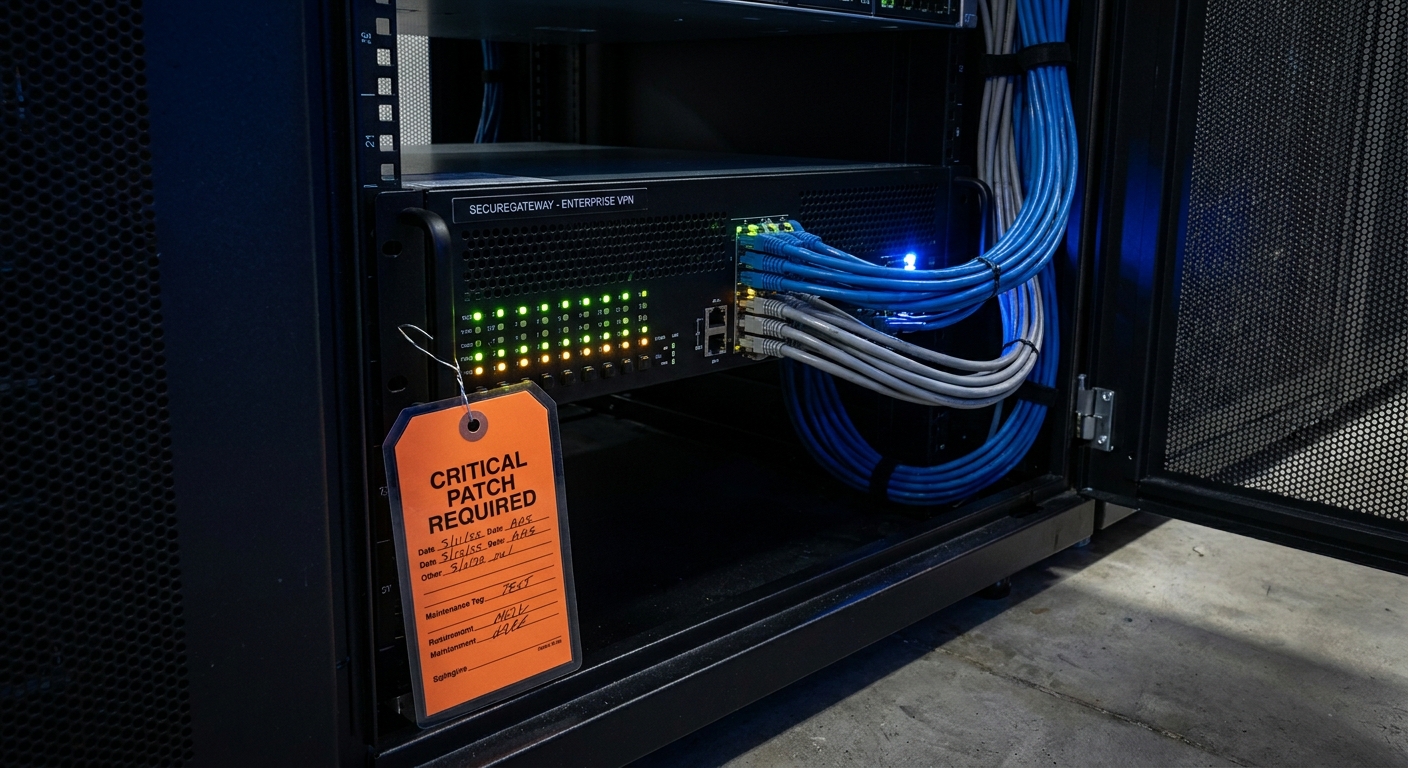
Security teams are currently staring down a double-barreled threat. Between federal agencies and private enterprise, the scramble to lock down network infrastructure has reached a fever pitch. CISA has dropped an emergency directive—the kind that makes sysadmins lose sleep—mandating that all federal agencies patch a high-severity flaw in Check Point VPN gateways. Why? Because ransomware crews are already tearing through the front door.
At the same time, we’ve got a nasty account takeover vulnerability, tracked as CVE-2026-11374, lurking in the ManageEngine AD360 suite. It’s a bad week to be a network defender.
The Check Point situation is particularly grim. We’re seeing clear evidence that the Qilin ransomware group is actively using this zero-day to bypass authentication and waltz right into corporate networks. Once they’re in, it’s game over: data encryption, extortion, and the usual digital carnage. The CISA emergency directive isn’t a suggestion; it’s a three-day ultimatum for federal agencies to plug the hole before the lateral movement turns into a full-blown breach.
Beyond the VPN nightmare, there’s the ManageEngine AD360 issue. This one boils down to a predictable Single Sign-On (SSO) ticket generation flaw. In plain English? An unauthenticated attacker can impersonate a legitimate user. If you’re running integrated products like ADSelfService Plus, RecoveryManager Plus, M365 Manager Plus, or ADAudit Plus, you’re effectively handing the keys to the kingdom to anyone who knows how to exploit this architectural weakness. The flaw was caught by researcher 0xmanhnv via the Zoho BugBounty program, and the patches have been out since mid-June. If you haven’t updated yet, you’re running on borrowed time.
The Breakdown
| Vulnerability | Affected Systems | Primary Risk |
|---|---|---|
| Check Point VPN Zero-Day | VPN Gateways | Authentication bypass, ransomware deployment |
| CVE-2026-11374 | ManageEngine AD360 Suite | Account takeover via predictable SSO tokens |
This trend of hitting edge devices—those VPNs that sit on the perimeter—is a strategic pivot for ransomware operators. They aren’t just looking for a way in; they’re looking for a persistent foothold. The Qilin ransomware group's use of the Check Point zero-day is a wake-up call. If your organization relies on these specific VPN products, stop reading and verify your version status right now.
For the ManageEngine suite, the remediation is just as vital. Because this vulnerability allows for impersonation across your entire identity management stack, the risk of lateral movement is off the charts. If an attacker gets in, they aren’t just stealing a file; they’re escalating privileges and digging into the heart of your sensitive data.
Recommended Mitigation Steps
- Prioritize the Patch: Don't wait. Apply the security patches for Check Point VPN gateways immediately. If you’re a federal entity, you’re already on the clock.
- Update AD360: Ensure every component—ADSelfService Plus, RecoveryManager Plus, M365 Manager Plus, and ADAudit Plus—is running a build released after June 12, 2026.
- Watch the Logs: Keep an eye out for weird login patterns. If you see multiple failed attempts or odd SSO behavior, assume you’re being probed.
- Lock Down the Perimeter: If you don’t need your VPN management interface exposed to the public internet, hide it. Use IP allowlisting or VPN-only access to shrink your attack surface.
- Audit Your Admins: Check your administrative accounts. Did anyone add a new user while the vulnerability was live? If so, treat it as a compromise.
These two threats are a stark reminder that vulnerability management isn't a "set it and forget it" task. As attackers refine their ability to weaponize edge infrastructure and identity software, the gap between a vulnerability being discovered and being exploited is shrinking to almost nothing.
Don’t trust automated alerts to do the heavy lifting for you. Manual verification is the only way to be sure. Cross-reference your current software versions against the vendor’s list of vulnerable builds. In the current climate, a methodical, hands-on approach to patching is the only thing standing between your network and a ransom note. Stay vigilant, keep your systems updated, and assume that if you aren't patching, someone else is already scanning for your weakness.