代幣化頻寬的崛起:DePIN 加密技術如何重塑 Web3 基礎設施

DePIN tokenized bandwidth Web3 infrastructure decentralized internet
M
Marcus Chen

Encryption & Cryptography Specialist

 
2026年6月17日
3 分鐘閱讀
代幣化頻寬的崛起:DePIN 加密技術如何重塑 Web3 基礎設施
TL;DR

  • ✓ DePIN 以具備韌性的去中心化實體基礎設施網路取代了中心化的 ISP 模型。
  • ✓ 代幣激勵推動了節點部署與網路效能提升的飛輪效應。
  • ✓ 代幣化頻寬為 AI 與內容傳遞創造了企業級的連接層。
  • ✓ 這種轉變將網際網路從「租賃」模式轉向了「用戶擁有」的架構。

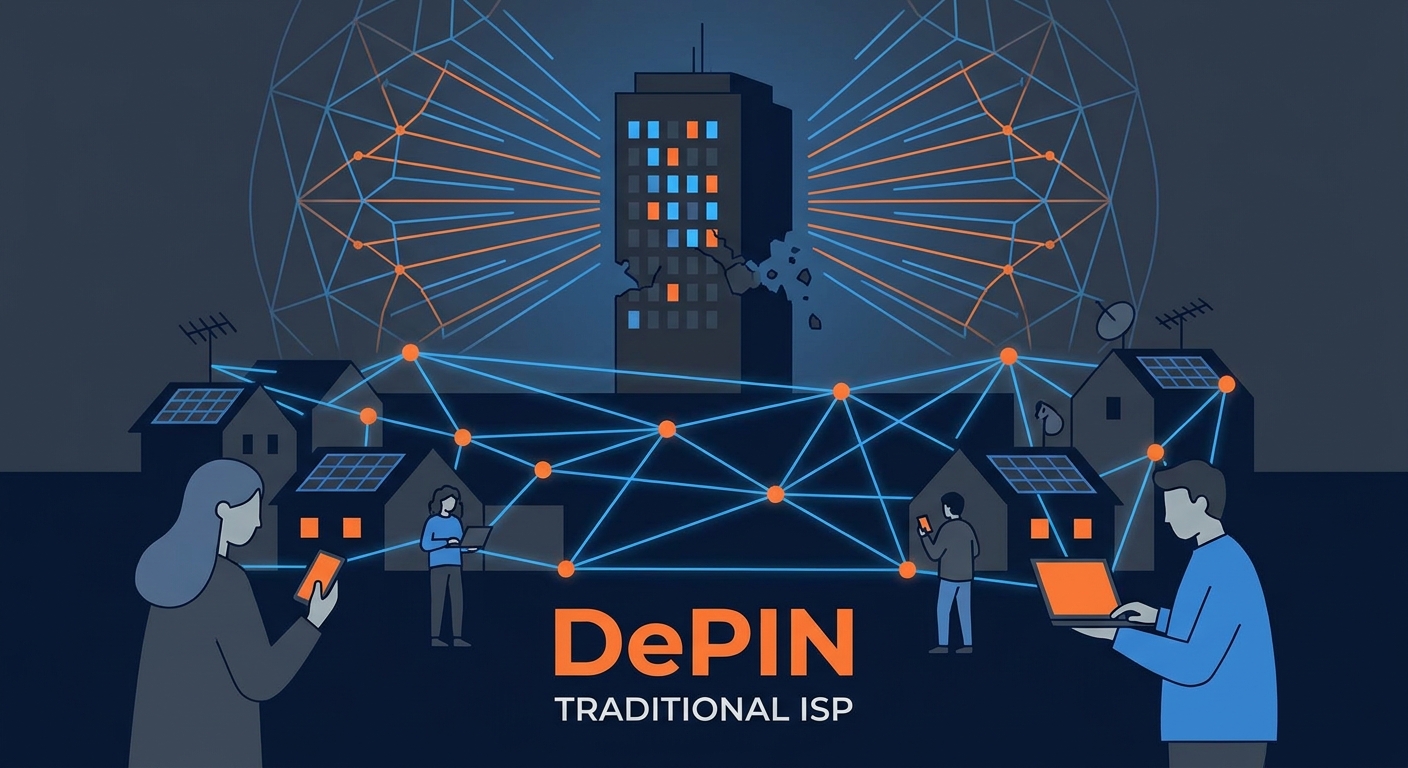
現代網際網路就像一座紙牌屋。我們所依賴的基礎是由數十年前的中心化 ISP 所建立的,坦白說,裂痕已經開始顯現。多年來,我們只是默默接受現狀:少數區域性的守門人掌握著網路王國的鑰匙。他們決定我們的網速、限制我們的流量,並將我們的數據視為商品,賣給出價最高的人。

但那個時代?已經走到了盡頭。

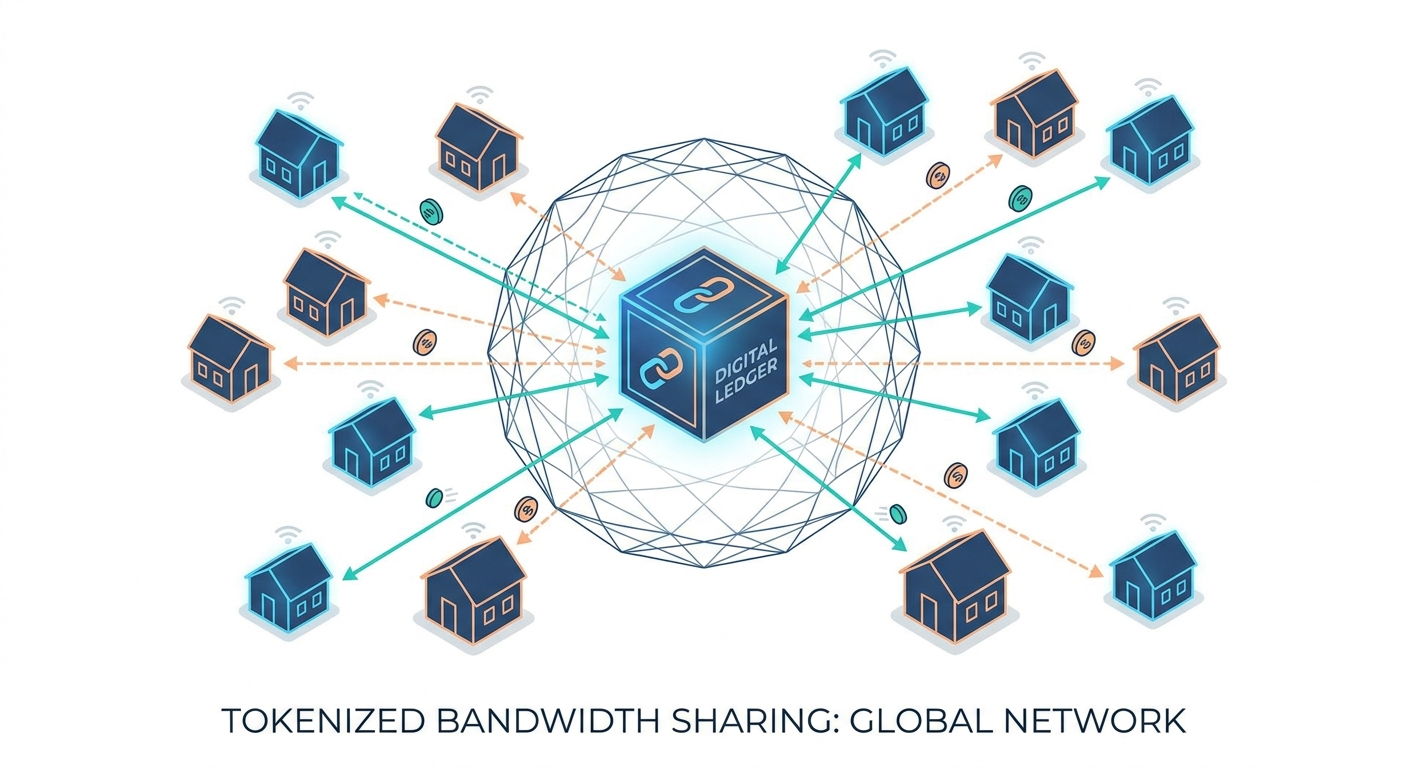
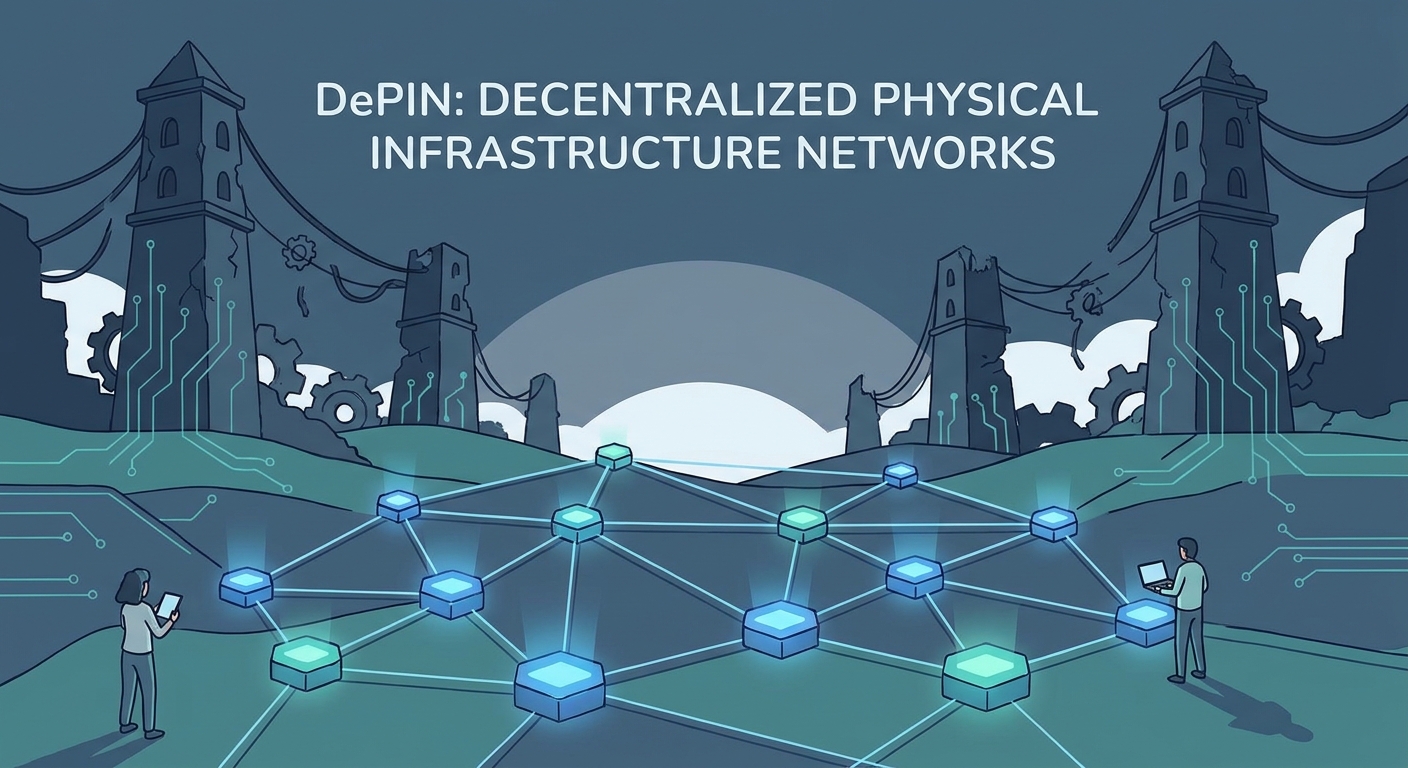
DePIN(去中心化實體基礎設施網路)應運而生。這個術語或許有些拗口,但其概念卻具有革命性。我們正從「租賃」網際網路轉向「擁有」網際網路。透過代幣化頻寬,這些協議不僅僅是在玩弄加密代幣;它們正在建立一個全球性、具備韌性且達到企業級標準的連接層。這絕非曇花一現的 Web3 趨勢,而是下一代去中心化 AI 與內容傳遞的骨幹。

為什麼網際網路架構正在崩潰

老實說:ISP 模型非常脆弱。這不僅僅是理論,而是我們每天面臨的頭痛問題。我們被困在一個由單點故障定義的系統中。區域數據中心只要出現一次小故障,半個城市就會瞬間斷網。

此外還有控制權的問題。中心化供應商已成為數位時代事實上的審查者。他們限制自己不喜歡的內容,並監控他們想監控的人。這是一座圍牆花園,而我們卻在為其維護買單。

向代幣化頻寬的轉變,本質上是一場爭取自主權的鬥爭。透過激勵普通大眾分享閒置的網路頻寬,我們正在建立一個不僅僅是「能用」,而且能「自我適應」的分散式網路。我們並非要拆除海底的光纖電纜,而是在其之上建立一個去中心化的覆蓋層,用以優化、保護並民主化我們現有的連接能力。

究竟什麼是 DePIN,它是如何將頻寬代幣化的?

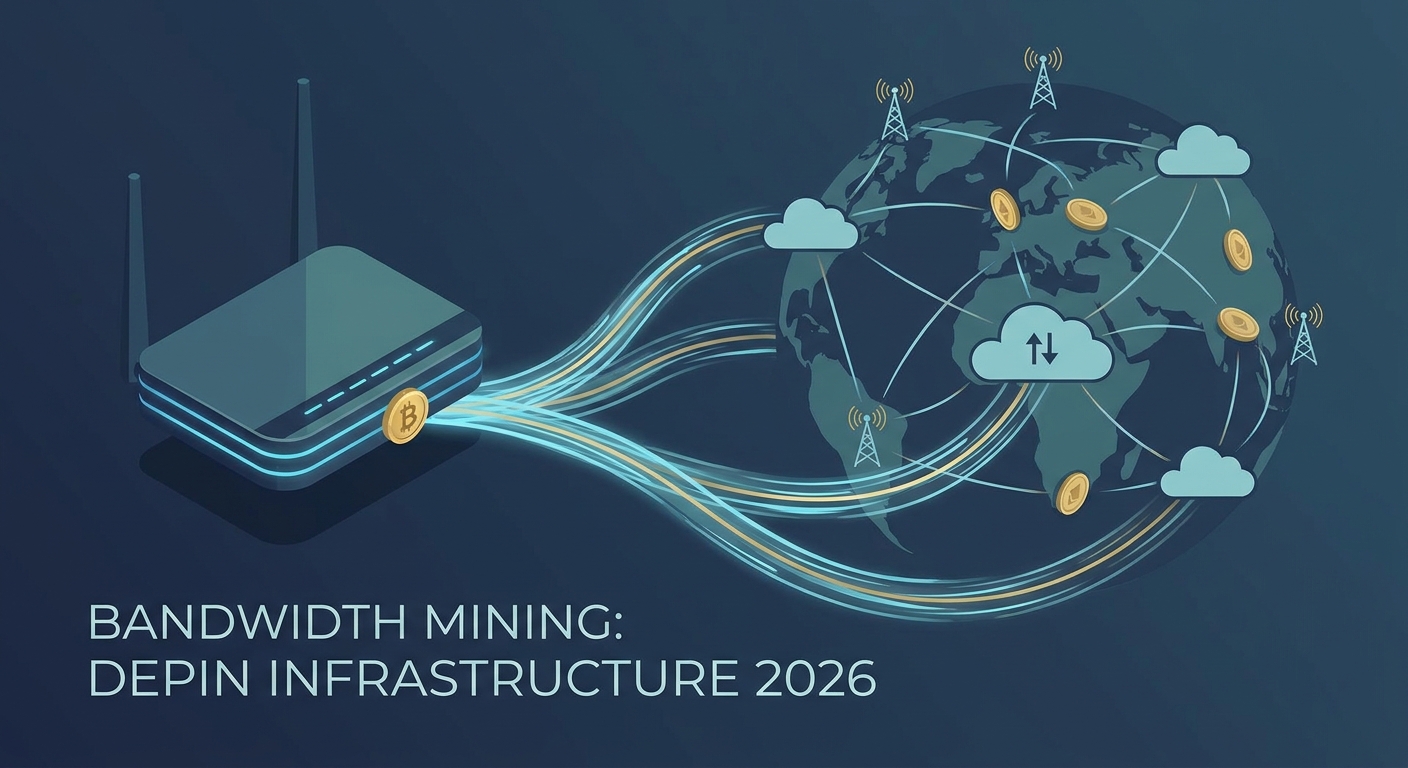
DePIN 的核心在於區塊鏈激勵與現實世界硬體的結合。可以將其視為一個效率飛輪。

這個循環很簡單。代幣就像火花,吸引節點營運商架設必要的硬體。隨著網路成長,密度增加。更多的節點意味著更低的延遲與更好的可用性。這種效能吸引了大型玩家——企業級消費者——他們會為服務付費。這些收入推動了代幣激勵,使整個系統持續運轉。

到了 2026 年,氛圍已經改變。我們早已告別了投機性的「快速致富」挖礦時代。現在的重點是什麼?實用性。業界不再問:「我可以挖多少代幣?」而是問:「這個網路能為全球 AI 模型處理多少吞吐量?」

「頻寬證明」實際上是如何運作的?

信任一直是去中心化網路面臨的最大障礙。你如何確定一個節點真的傳輸了它聲稱傳輸的數據?值得慶幸的是,我們已經拋棄了傳統工作量證明(Proof of Work)那種臃腫且低效的混亂模式。我們已經進化了。

現今的協議依賴於密碼學證明。我們不需要中心化的中間人來監控管道;數學運算完成了繁重的工作。

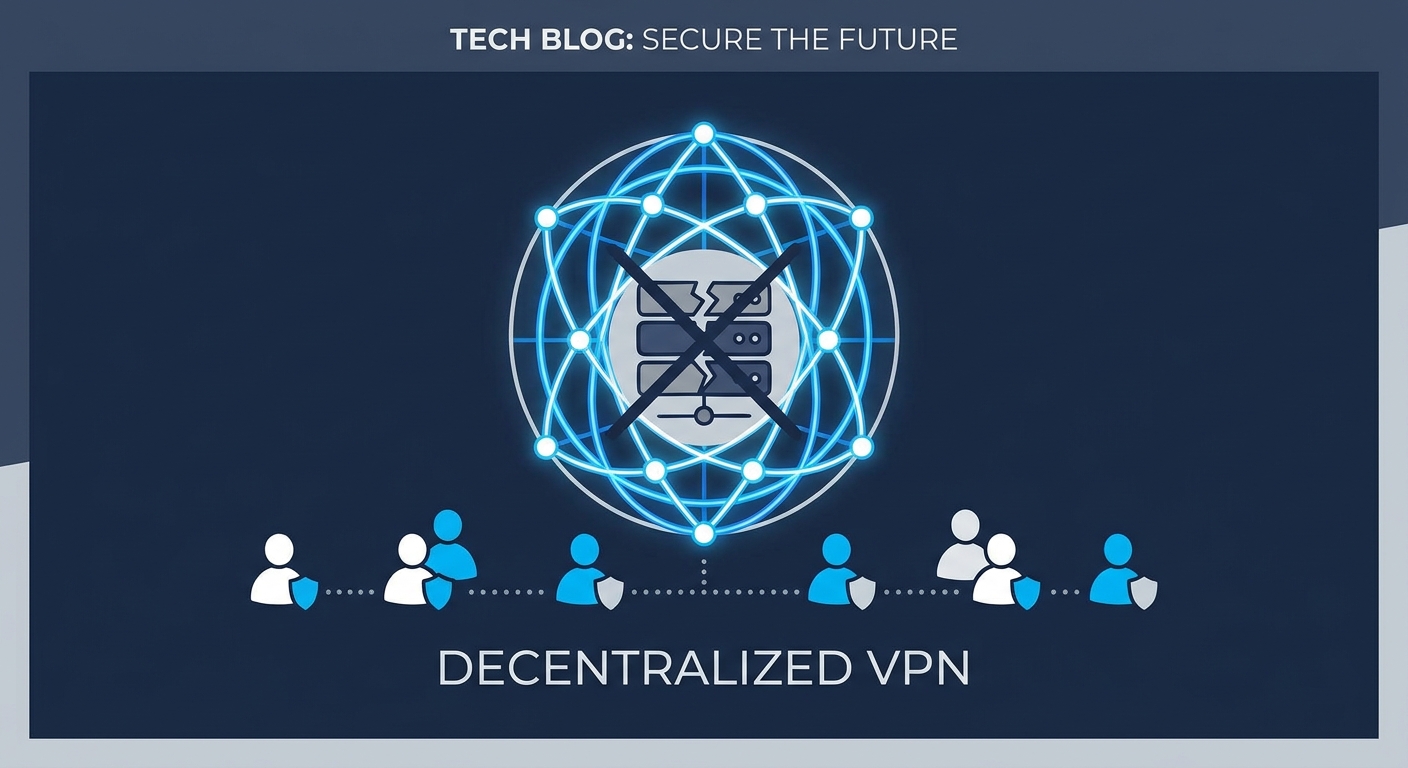
這正是零知識證明(ZKP)改變遊戲規則的地方。ZKP 允許節點證明它成功轉發了數據封包,而無需實際查看封包內部的內容,也不需要知道是誰發送的。這在技術上等同於一個能驗證自身內容的密封信封。這就是隱私優先網際網路運作方式的基石。透過將服務驗證與內容檢查分離,DePIN 協議
M
Marcus Chen

Encryption & Cryptography Specialist


Marcus Chen is a cryptography researcher and technical writer who has spent the last decade exploring the intersection of mathematics and digital security. He previously worked as a software engineer at a leading VPN provider, where he contributed to the implementation of next-generation encryption standards. Marcus holds a PhD in Applied Cryptography from MIT and has published peer-reviewed papers on post-quantum encryption methods. His mission is to demystify encryption for the general public while maintaining technical rigor.

相關文章

Best dVPNs of 2026: A Comprehensive Review of Token-Earning VPN Services
best dVPNs

Best dVPNs of 2026: A Comprehensive Review of Token-Earning VPN Services

Discover the best dVPNs of 2026. Learn how decentralized VPNs, DePIN, and token-earning rewards are revolutionizing privacy and web3 internet freedom.

作者: Priya Kapoor 2026年6月16日 7 分鐘閱讀
common.read_full_article
The Airbnb for Bandwidth: Is P2P Bandwidth Sharing the Future of Connectivity?
P2P bandwidth sharing

The Airbnb for Bandwidth: Is P2P Bandwidth Sharing the Future of Connectivity?

Discover how P2P bandwidth sharing and DePIN are disrupting ISPs. Learn how to monetize your unused internet capacity and reclaim your digital autonomy today.

作者: Viktor Sokolov 2026年6月15日 6 分鐘閱讀
common.read_full_article
Is Your VPN Truly Private? Why You Should Switch to a Blockchain-Powered Privacy Tool
Decentralized VPN (dVPN)

Is Your VPN Truly Private? Why You Should Switch to a Blockchain-Powered Privacy Tool

Think your VPN is private? Traditional VPNs are centralized risks. Discover why switching to a blockchain-powered decentralized VPN (dVPN) is the future of privacy.

作者: Marcus Chen 2026年6月14日 7 分鐘閱讀
common.read_full_article
DePIN and the Decentralized Internet: How P2P Networks Are Creating a Censorship-Resistant Web
DePIN

DePIN and the Decentralized Internet: How P2P Networks Are Creating a Censorship-Resistant Web

Discover how DePIN is replacing centralized infrastructure with P2P networks to build a more resilient, censorship-resistant, and scalable decentralized internet.

作者: Daniel Richter 2026年6月13日 8 分鐘閱讀
common.read_full_article