How Does a dVPN Work? A Beginner’s Guide to Decentralized Internet Access
TL;DR
- ✓ Traditional VPNs rely on centralized servers that require blind trust in a corporation.
- ✓ A dVPN routes your data through a global mesh of independent, peer-to-peer nodes.
- ✓ Blockchain technology and smart contracts replace the need for a central human authority.
- ✓ Decentralized networks eliminate single points of failure, censorship, and data logging risks.
Forget the corporate "no-log" promises plastered on every VPN landing page. If you’ve spent any time researching online privacy, you’ve likely noticed a pattern: every provider claims they’re the most secure, the fastest, and the most trustworthy. But here’s the catch—you’re still forced to take a CEO’s word for it. You’re trusting a private entity to guard your digital life, all while hoping they aren't bowing to a secret subpoena or quietly selling your metadata to the highest bidder.
Enter the decentralized VPN (dVPN).
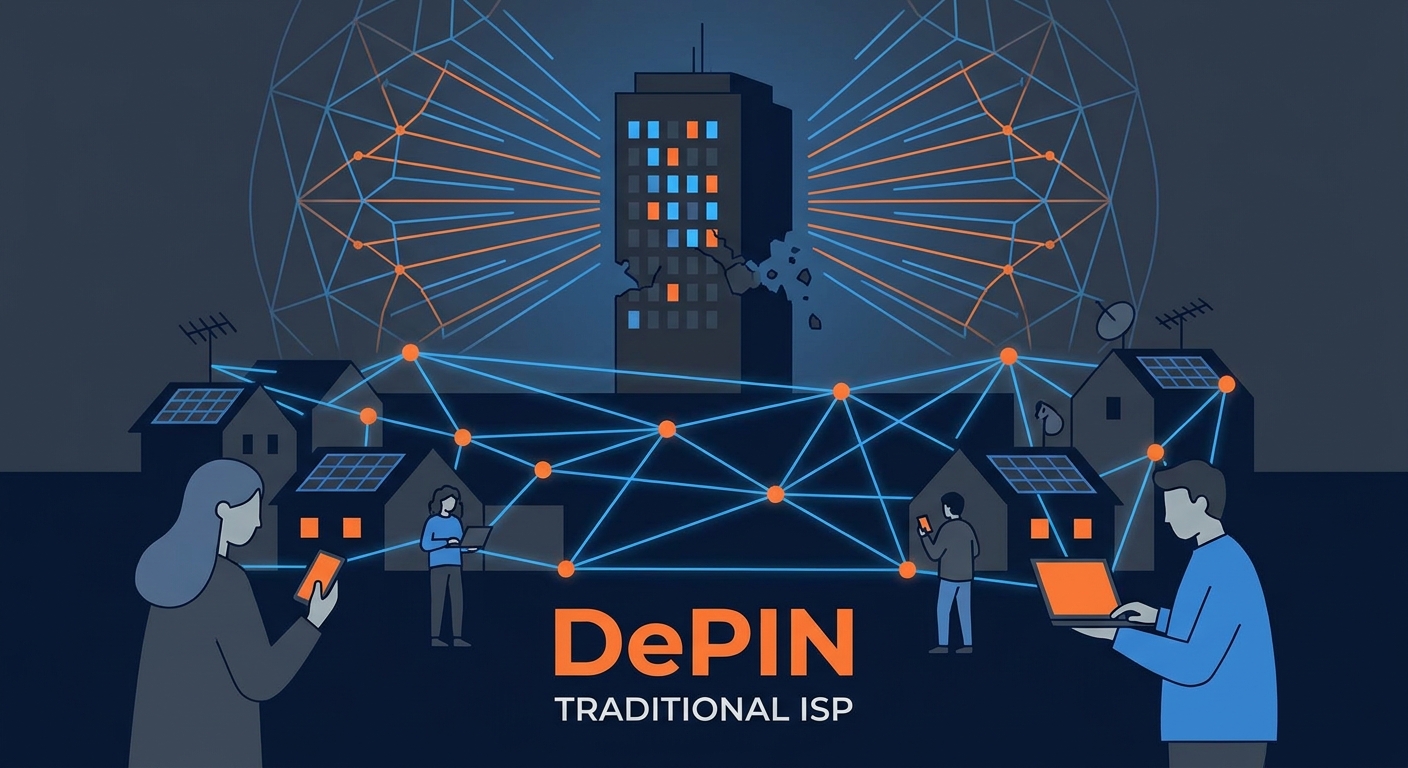
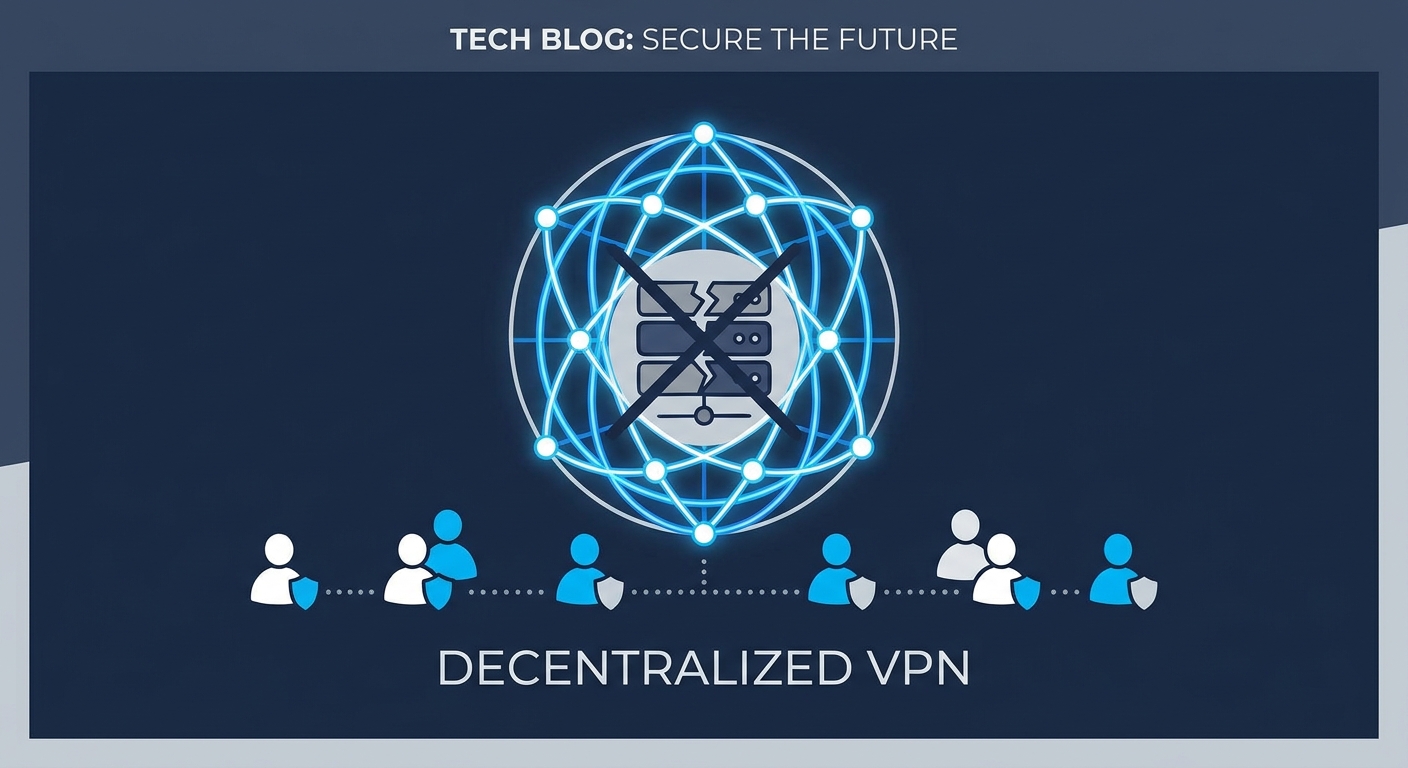
A dVPN isn't just another flavor of the same old service. It’s a complete gutting of the traditional "hub-and-spoke" model. Instead of routing your data through a massive, vulnerable server farm owned by a single company, a dVPN taps into a global, censorship-resistant mesh of independent nodes. It’s peer-to-peer. It’s open-source. And most importantly, it’s part of the DePIN (Decentralized Physical Infrastructure Networks) movement that is quietly rewriting how we use the internet.
The Death of the "No-Log" Marketing Trap
For years, the VPN industry has leaned on a tired, circular logic: "Trust us, we don't log." But how do you prove a negative? You can’t.
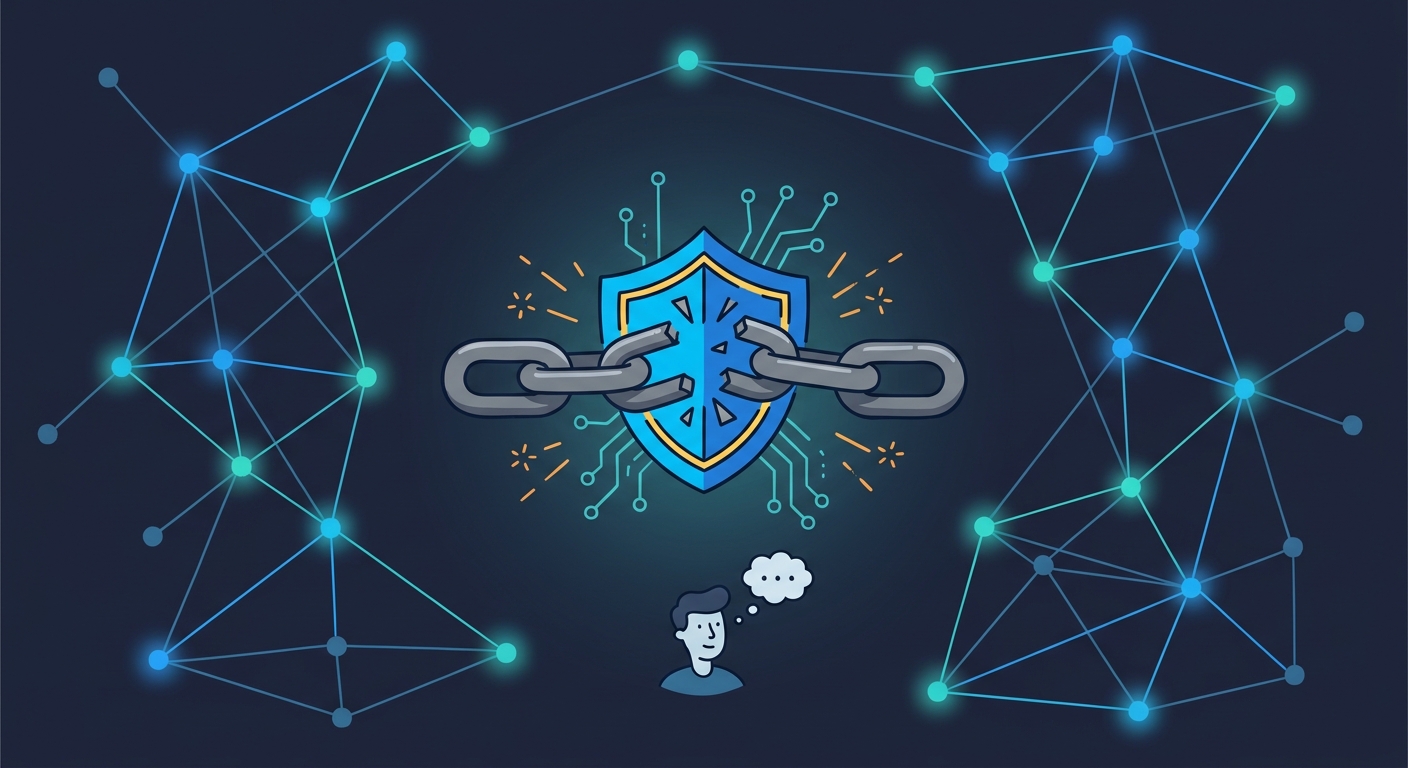
When you use a standard VPN, you are outsourcing your trust to a corporation. Even if a company starts with the best intentions, the reality of the business is grim. They are subject to local laws, government pressure, and the inevitable temptation to monetize user behavior. When the heat turns up, that "no-log" promise usually melts away like ice in a furnace.
The pivot toward decentralized systems is about moving from "trusting a company" to "trusting math." If you’ve ever found yourself asking, what is a Decentralized VPN?, the answer lies in the architecture. By using blockchain to verify node integrity and smart contracts to handle payments, dVPNs remove the human middleman. There is no CEO to bribe, no server admin to coerce, and no central database to raid.
The Architecture of Trust: How Does a dVPN Actually Work?
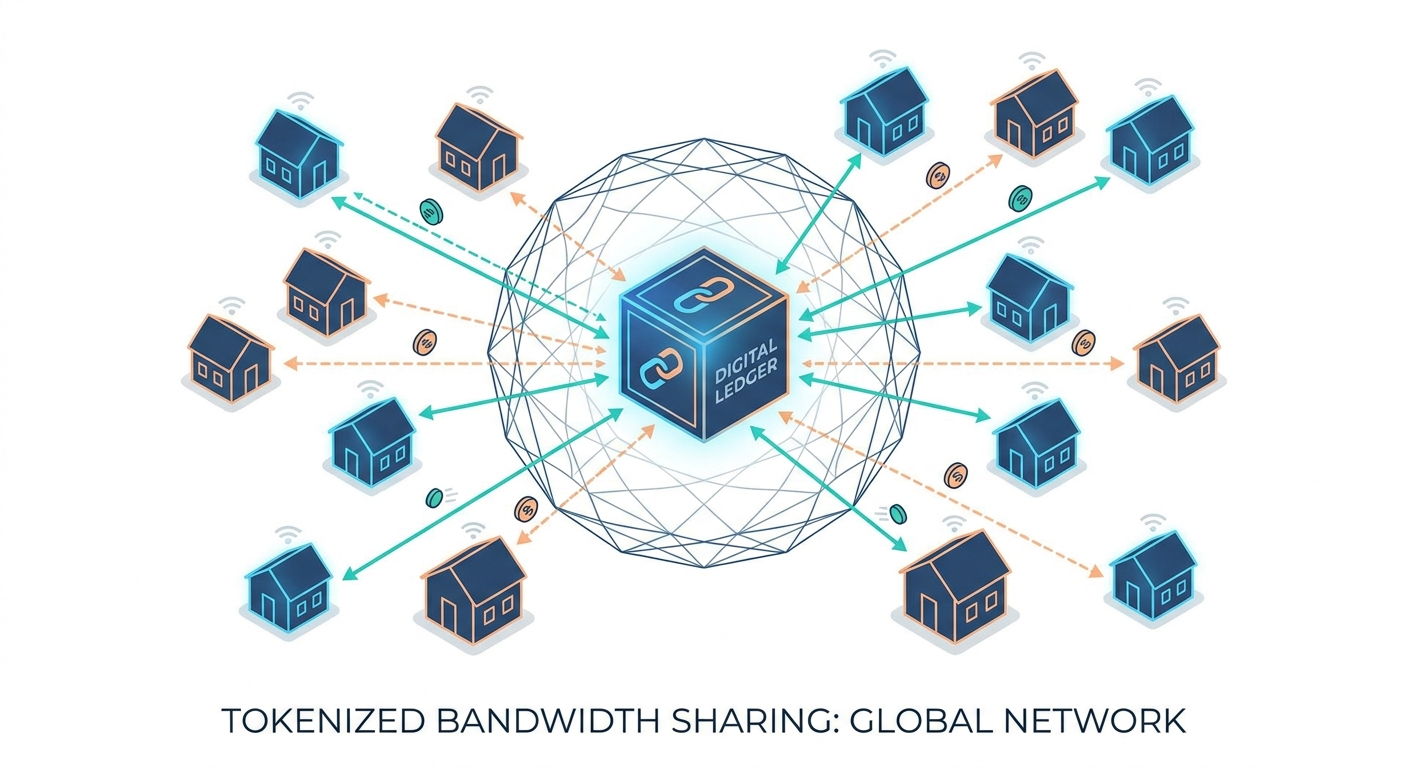
Think of a traditional VPN as a high-end hotel. You check in, you follow their rules, and you hope the management isn't keeping a copy of your key. A dVPN is more like an Airbnb for bandwidth.
Instead of one entity owning the infrastructure, the network is made up of thousands of individual users and independent operators sharing their spare internet capacity. When you connect, your software doesn't ping a static IP address sitting in a data center. It queries a decentralized registry to find nodes that fit your needs—whether that’s speed, location, or cost.
Since there is no "master server," there is no single point of failure to hack or subpoena.
Why "Trusting Math" is Superior to "Trusting a CEO"
In a standard VPN setup, the provider holds the keys to the kingdom. They control the DNS requests, the routing, and the encryption protocols. It’s a black box. In a decentralized environment, the "auditor" is the network itself.
Because the code is open-source and node activity is often verified via a blockchain ledger, everything is transparent. Smart contracts handle the business side of things. If a node provider tries to slack off or fails to deliver the promised service, the contract simply doesn't pay them. It’s a self-correcting ecosystem that rewards performance and honesty. As we look at why privacy matters in 2026, these trustless systems aren't just a niche hobby—they’re becoming a necessity for anyone navigating a world obsessed with surveillance.
Beyond Single-Hop: The Multi-Hop Evolution
Early dVPNs were simple: you hopped from your device to one node, then out to the web. It was better than an ISP, but it wasn't perfect. A clever adversary could theoretically monitor traffic entering and exiting a node and correlate the two.
Modern dVPNs have leveled up. They now support multi-hop routing, borrowing heavily from Onion Routing principles. By bouncing your traffic through three or more independent nodes, you create a complex layer of obfuscation. Even if a bad actor monitors one node, they can’t see where your traffic started or where it’s going.
Why Residential IPs are the "Hidden Weapon"
Traditional VPNs have a massive target on their backs. Because they rely on data center IP addresses, streaming services and banks can easily spot them and throw up a "blocked" wall. It’s a constant, losing game of cat-and-mouse.
dVPNs change the game. Because nodes are hosted by real people in homes, your traffic looks like it’s coming from a standard residential connection. To a streaming service, you don't look like a VPN user; you look like a local. This makes dVPNs incredibly resilient against the digital gatekeeping that defines today’s web.
Myth-Busting: Are dVPNs Actually Slow?
There’s a persistent rumor that decentralized tech is inherently sluggish. In the early days, sure—the network was tiny and the nodes were hit-or-miss. But 2026 has changed the map.
Latency today is mostly about proximity. If you pick a node that’s physically close to you or your target destination, you’ll get speeds that easily compete with commercial giants. The real choice isn't "speed vs. no speed," it’s "speed vs. anonymity." If you want lightning-fast, go single-hop. If you want maximum privacy, go multi-hop and accept a tiny latency trade-off. It’s a choice, not a limitation.
How to Participate: User vs. Node Provider
Getting started is surprisingly simple. Most modern dVPNs are just "one-click" apps. You download, you pick a region, you connect. Done.
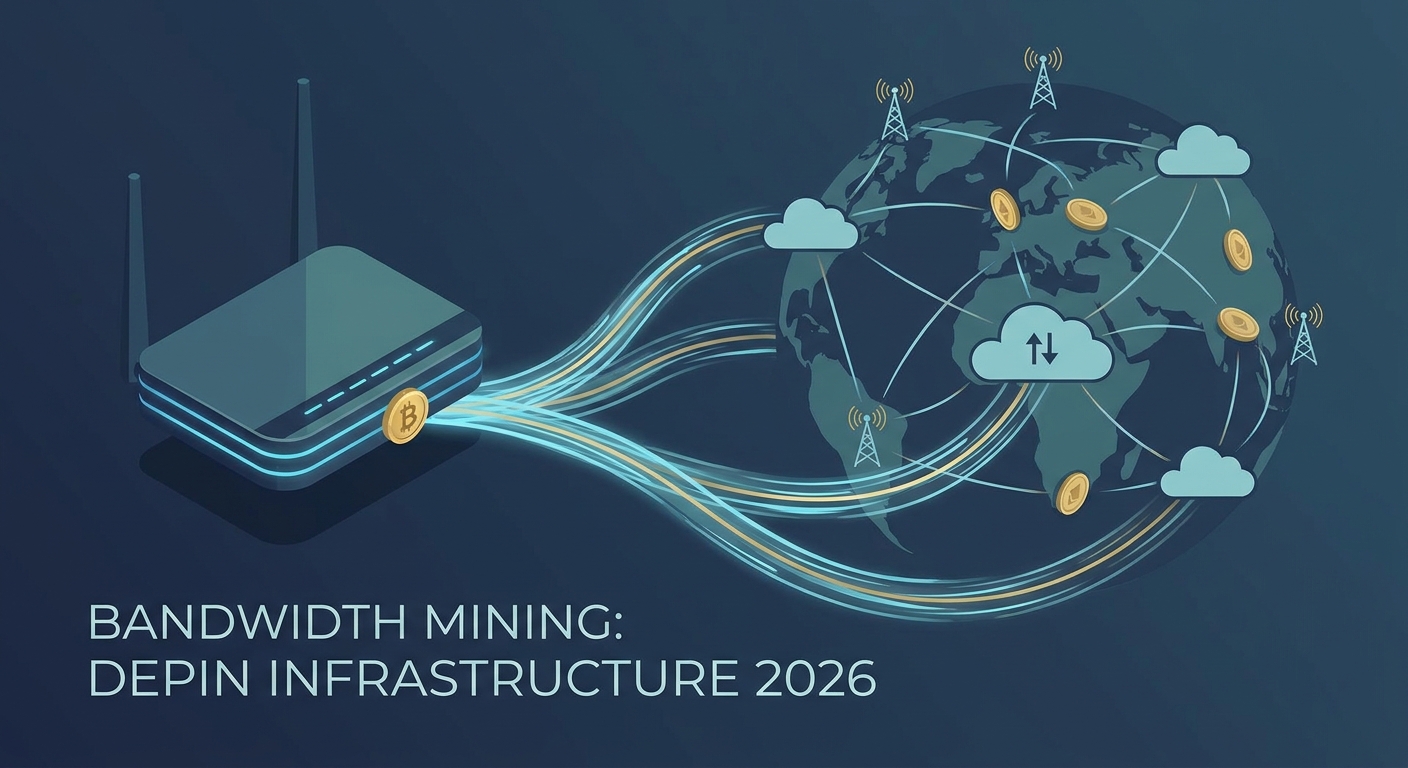
But the coolest part? You can be part of the network. Many users now run nodes on spare hardware or a Raspberry Pi, turning a dormant internet connection into a passive income stream. It’s a "bandwidth mining" model that actually contributes to the health of the internet. If you want to jump in, you can check out vetted dVPN providers here.
Digital Freedom: Case Studies in Censorship
In countries where authoritarian regimes use state-level firewalls to kill off centralized VPNs, dVPNs are a lifesaver. There is no single domain or IP range to blacklist. If a censor manages to block one node, the network just routes around it. It’s a hydra—cut off one head, and ten more pop up. That’s the beauty of decentralized architecture: it has no single point of failure and no corporate office for a censor to shut down.
Traditional VPN vs. dVPN: A Comparison
| Metric | Traditional VPN | dVPN |
|---|---|---|
| Privacy | Trust-based (CEO/Company) | Math-based (Open Source) |
| Speed | Consistent but throttled | Variable (Node-dependent) |
| Cost | Fixed Subscription | Usage-based/Tokenized |
| Transparency | Low (Black-box) | High (Auditable) |
| Infrastructure | Centralized Data Centers | Distributed Residential Nodes |
Frequently Asked Questions
Is a dVPN harder to use than a regular VPN?
Not anymore. By 2026, UX/UI improvements have brought dVPN clients to parity with traditional apps. Most offer intuitive dashboards, automatic node selection, and simple sign-up flows that hide the complexities of blockchain and token management.
Can I get in trouble for the traffic passing through my node?
This is a valid concern. Most reputable dVPN protocols include "exit node policies" that allow you to filter the types of traffic your node handles. By operating as a relay node rather than an exit node, you can contribute to the network's health without ever touching the final destination traffic.
Are dVPNs really faster than centralized VPNs?
It depends on your configuration. A single-hop dVPN connection using a high-quality residential node can often outperform a congested, centralized VPN server. However, multi-hop configurations will naturally have higher latency due to the increased number of "hops" the data must take.
Do I need to know how to use crypto to use a dVPN?
Most modern dVPN apps now integrate fiat-on-ramps. You can pay with a standard credit card or bank transfer, and the app handles the conversion to the necessary tokens on the backend, making the experience seamless for the average user.
Is my data actually encrypted in a dVPN?
Yes. Regardless of the decentralized routing, the data itself remains end-to-end encrypted. The nodes you connect through serve only as transit points; they never have the ability to decrypt or inspect your traffic, ensuring your data remains private from both the node operators and any external observers.