State Channels for Micro-Payments in P2P Bandwidth Markets

TL;DR
The Problem with Traditional Blockchain for Bandwidth
Ever tried paying for a coffee with a gold bar and asking for change? That’s basically what it feels like trying to run a p2p bandwidth market on a standard blockchain.
The math just doesn't add up for small data chunks. If I’m buying 10MB of bandwidth from a neighbor, that might cost a fraction of a cent. But on ethereum or even some faster chains, the gas fee to send that payment could be $2 or $5. (What Are Gas Fees In Crypto? ETH Gas Fees Explained)
- Micro-transaction failure: You can't spend $1.00 in fees to move $0.01 of value; it's a total dealbreaker for things like decentralized vpn (dvpn) apps.
- Latency lag: Waiting 30 seconds for a block to confirm while your video stream buffers is a terrible user experience. (youtube is now artificially slowing down youtube for people ... - Reddit)
- Throughput bottlenecks: Most chains can't handle thousands of tiny "pay-per-packet" messages hitting the ledger at once.
According to a report by CoinMetrics (2023), high transaction costs often price out micro-payment use cases, forcing developers to look for off-chain solutions.

It's clear we need a way to pay without touching the main chain every single time. Next, let's look at how state channels actually fix this mess.
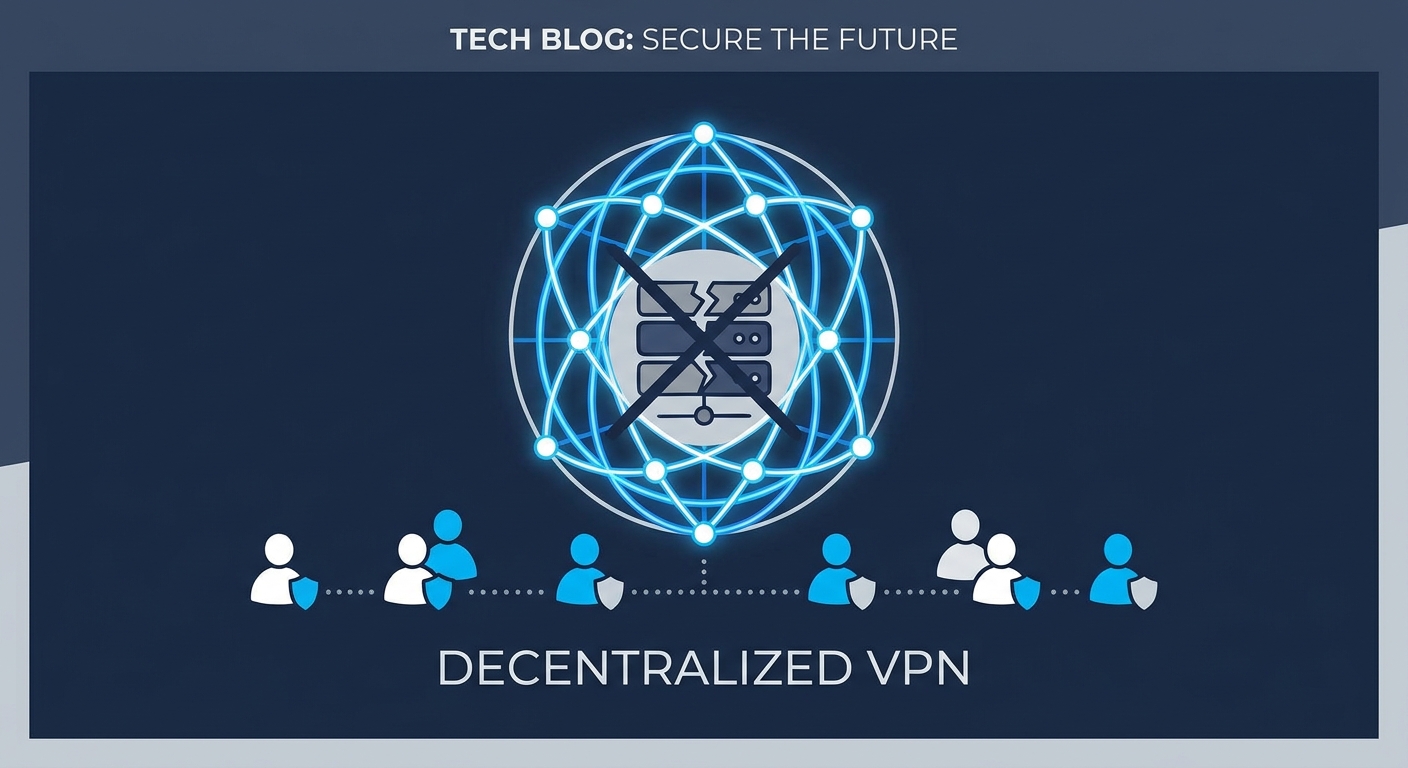
Understanding State Channels in a dvpn Context
Imagine if you had to call your bank and pay a wire fee every time you bought a stick of gum. That's the nightmare state channels solve for dvpn users who just want to browse without getting hammered by gas.
Think of a state channel like a running tab at a bar. You and the node provider lock some tokens into a smart contract (the "opening" transaction), and then you're free to trade a million tiny updates without touching the main blockchain again until you're done.
- Opening the channel: You "deposit" your budget into a secure vault on-chain. This is one of the few times you actually pay a network fee.
- Signing digital checks: As you stream data, your client sends tiny, signed "promises to pay" for every mb. These stay off-chain, so they're instant and free.
- Settling up: When you disconnect, the final balance is sent to the blockchain. The provider gets their total earnings, and you get your change back.

You might worry, "what if the node takes my money and runs?" Well, the smart contract acts as a neutral judge. If a provider tries to cheat or disappears, you can use your last signed state to trigger a "challenge" period and get your funds back.
According to L4 Research (2018), state channels are "trust-minimized" because the main chain only intervenes if there's a dispute. This keeps things fast for bandwidth markets—which share the same basic architecture as other high-frequency payment systems.
It’s a slick way to get around the scaling wall, but how do we actually prove the provider is sending real data? That's where things get interesting.
The Role of Micro-Payments in Bandwidth Mining
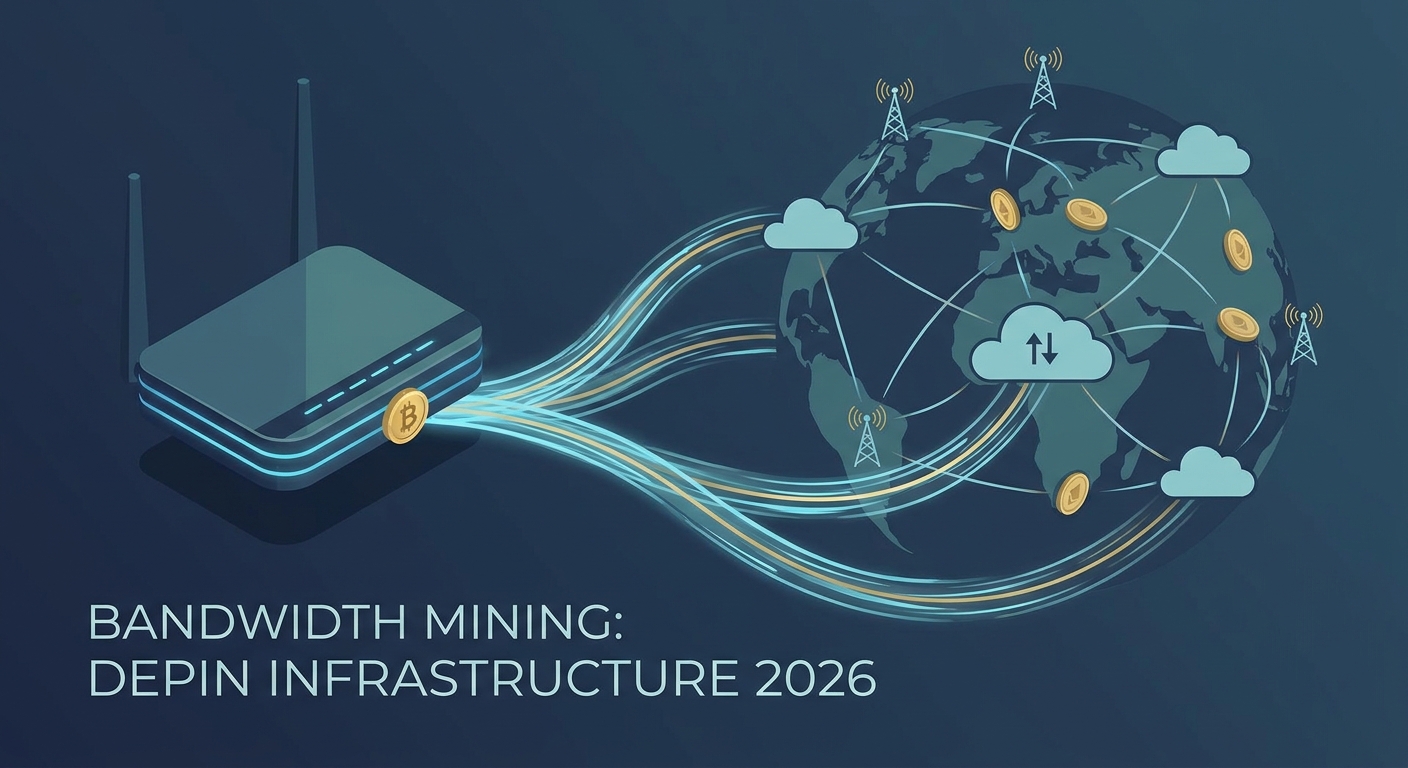
Ever wondered why anyone would leave their computer on all night just to let a stranger in another country use their wifi? It's not just about being nice—it's about getting paid, and micro-payments make that "Airbnb for bandwidth" dream actually work without the huge fees.
When you run a node, you're basically mining by sharing spare capacity. Modern dvpn apps now let you set your own rates, so you're in control of your "storefront." According to a 2024 ecosystem overview by messari, decentralized physical infrastructure networks (depin) are thriving because they turn idle hardware into yield-generating assets.
- Passive Crypto Rewards: You earn tokens for every mb routed through your home setup. It’s like solar panels selling power back to the grid, but for the internet.
- Node Operator Security: New features in tools like sentinel or mysterium let you whitelist specific traffic types. This keeps you safe from legal headaches while you're earning.
- Real-time payouts: Because of those state channels we talked about, you don't wait a month for a paycheck. You see your balance tick up in real-time as someone streams.

It’s a win-win, but honestly, it only works if we can prove the data actually moved. That brings us to the "proof of bandwidth" problem.
Proving the Data: Proof of Bandwidth
So, how do we stop people from lying about how much data they sent? We use something called Proof of Bandwidth. Basically, the client and the node do a constant "challenge-response" dance. The client sends a tiny piece of encrypted data (a challenge) and the node has to send it back or sign it to prove they actually have the throughput to handle it.
In more advanced setups, we use traffic attestation. The node generates a cryptographic proof—sometimes even a zero-knowledge proof—that shows they moved X amount of bytes without revealing what those bytes actually were. This keeps your privacy intact while making sure the provider isn't just "mining" tokens by doing nothing. If the proof doesn't match the payment request in the state channel, the smart contract won't let the provider withdraw the funds.
Technical Implementations and Protocols
Building a p2p market is one thing, but making it scale for thousands of people swapping data at once? That's where we need some heavy-duty protocol magic to keep the booze flowing—or in this case, the packets.
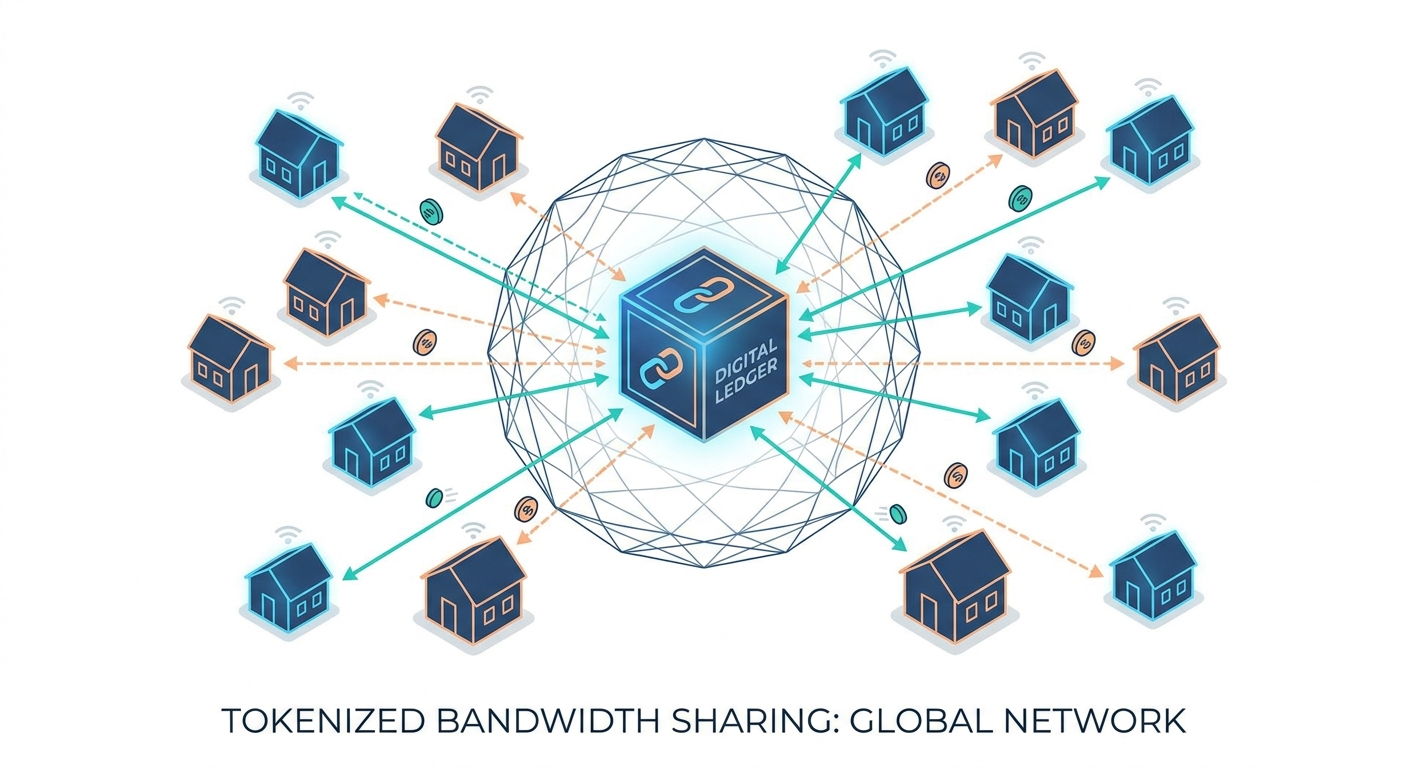
If every user needed a direct channel with every node, we'd be back to square one with high setup costs. Instead, we use Payment Channel Networks. This lets you route a payment through "middleman" nodes to reach your provider, even if you don't have a direct connection with them.
- Atomic Swaps and htlc: We use Hashed Timelock Contracts (htlc) to make sure nobody steals the money mid-route. It's an "all or nothing" deal where the payment only unlocks if the final node proves they got it.
- Multi-hop Scalability: This tech allows millions of users to browse without every single person needing to open a fresh on-chain channel.
- Liquidity Management: Nodes have to keep enough tokens in their "pipes" to handle the flow. If a route is dry, the protocol automatically finds a different path through the web.
Here is a super simplified look at how a smart contract might handle a deposit and the final settlement. I've seen way too many devs overcomplicate this, but the core logic should be lean to save on gas.
// simple deposit and settlement for a bandwidth channel
contract BandwidthChannel {
    mapping(address => uint256) public balances;

function openChannel() public payable {
    require(msg.value > 0, "need some tokens");
    balances[msg.sender] += msg.value;
}

function closeChannel(bytes32 _hash, bytes memory _sig, uint256 _amount) public {
    address signer = recoverSigner(_hash, _sig);
    require(signer != address(0), "invalid signature");
    // logic to pay the provider and return change to user
    balances[signer] -= _amount;
    payable(msg.sender).transfer(_amount);
}

function recoverSigner(bytes32 _hash, bytes memory _sig) internal pure returns (address) {
    (uint8 v, bytes32 r, bytes32 s) = splitSignature(_sig);
    return ecrecover(_hash, v, r, s);
}

function splitSignature(bytes memory _sig) internal pure returns (uint8, bytes32, bytes32) {
    require(_sig.length == 65);
    bytes32 r; bytes32 s; uint8 v;
    assembly {
        r := mload(add(_sig, 32))
        s := mload(add(_sig, 64))
        v := byte(0, mload(add(_sig, 96)))
    }
    return (v, r, s);
}
}
This setup keeps the messy stuff off-chain where it belongs. Honestly, it's the only way to keep the internet free and fast without gobling up all your profit in fees.
The Future of Decentralized Internet Access
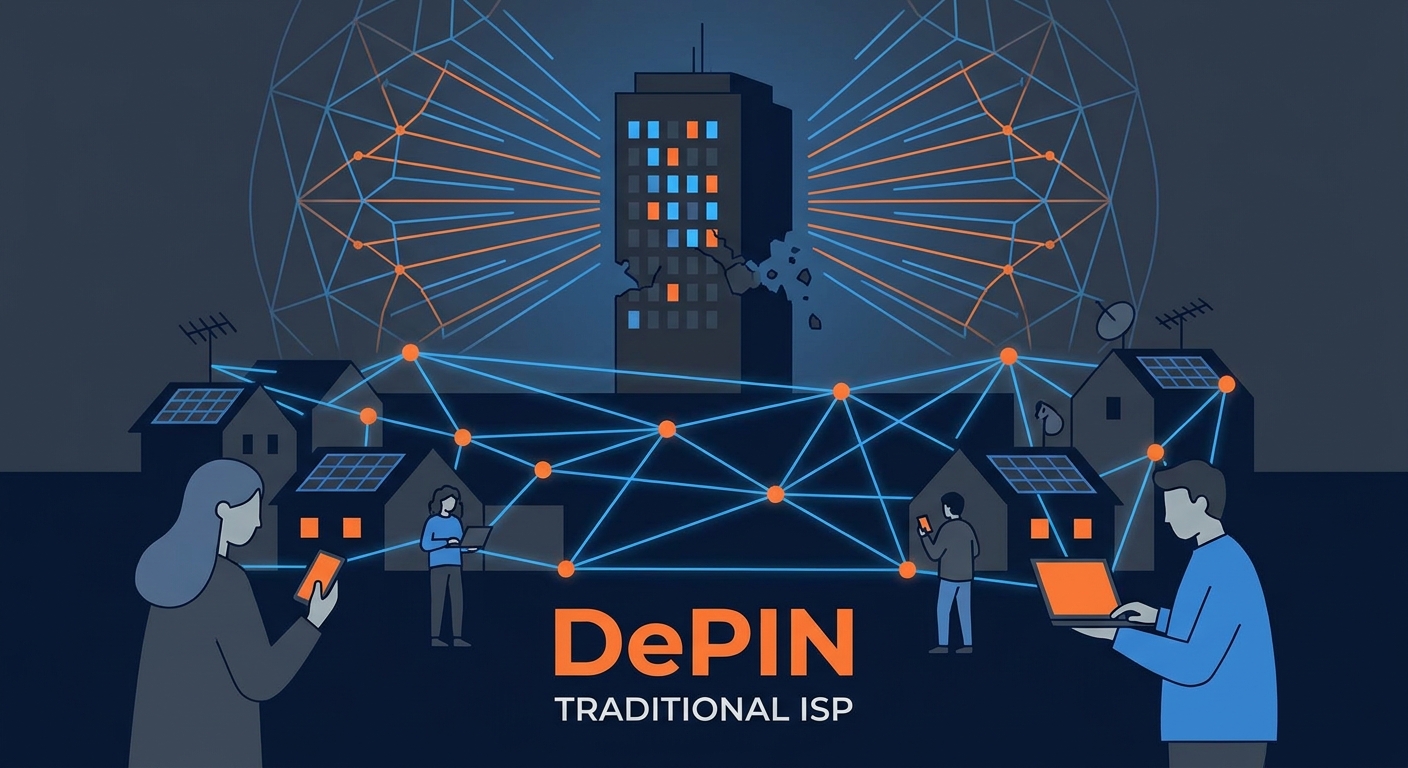
The internet is moving away from big corporate silos and toward something more like a communal garden. Honestly, it’s about time we stopped being the product and started owning the pipes.
This shift isn't just about hiding your IP anymore; it's about building a web that nobody can just "turn off."
- Universal bandwidth tokens: In the future, a single token could pay for your vpn, fetch a file from decentralized storage, or speed up a video via a p2p cdn.
- Censorship-resistant infrastructure: By spreading nodes across millions of homes, we create a network that's basically impossible to block—great for activists or just avoiding annoying geo-fences.
"State channels and depin are turning the vision of a user-owned web from a whitepaper dream into a daily reality," as noted earlier in the messari and CoinMetrics reports regarding market trends.
We're finally seeing the tech stack—from htlc to state channels—actually hold up under pressure. It's a messy, exciting transition, but the results are hard to argue with. Moving off-chain is the only way we get there without going broke on fees.