Bandwidth Mining: How to Earn Passive Income with DePIN
TL;DR
- ✓ Turn your unused home internet bandwidth into a source of passive income.
- ✓ Learn how DePIN technology connects your connection to AI and research projects.
- ✓ Understand how residential proxies provide value for ethical data scraping companies.
- ✓ Start earning rewards by setting up a simple node on your home network.
You’re already paying for it. Every month, a chunk of cash disappears into your ISP’s pocket for a high-speed connection you’re barely using. While you’re sleeping, working, or out living your life, that bandwidth is just sitting there—an untapped digital asset gathering dust.
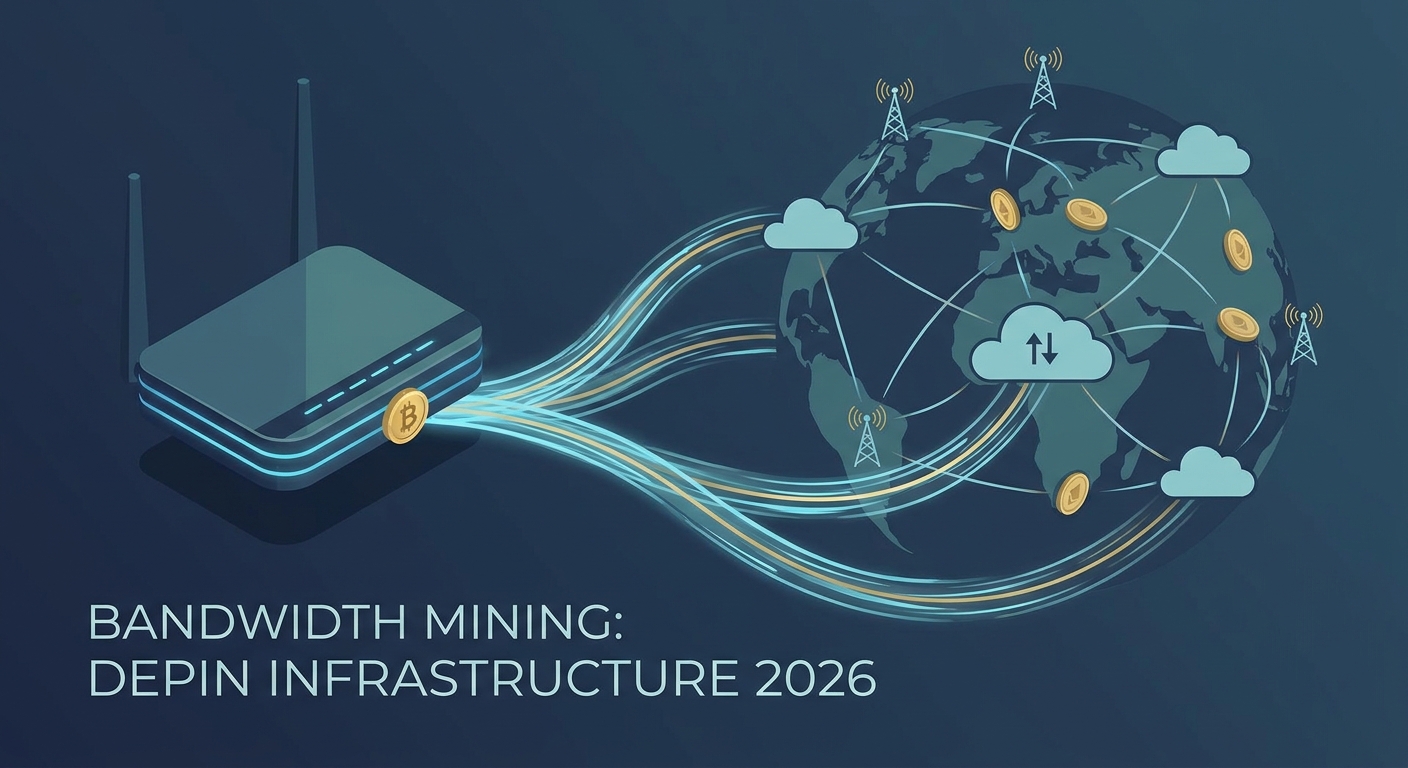
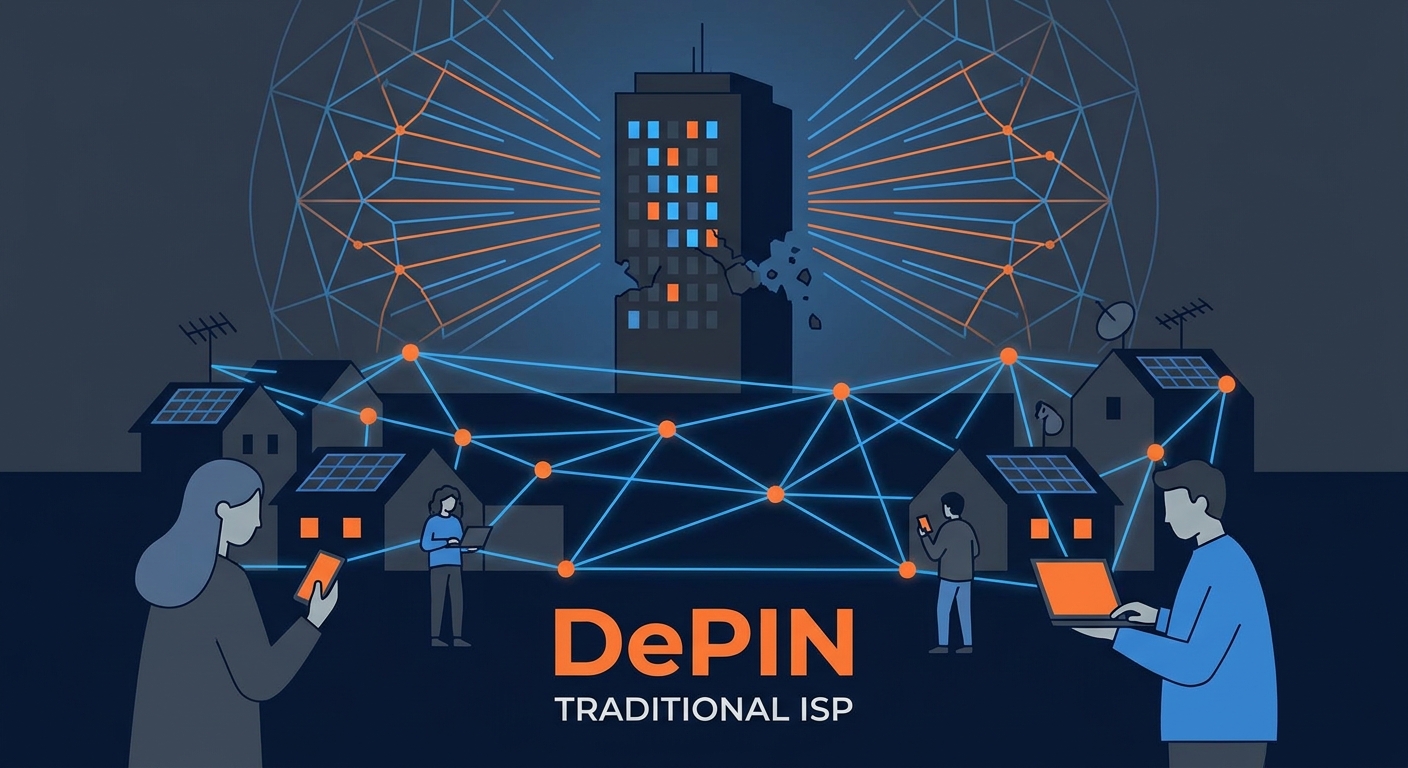
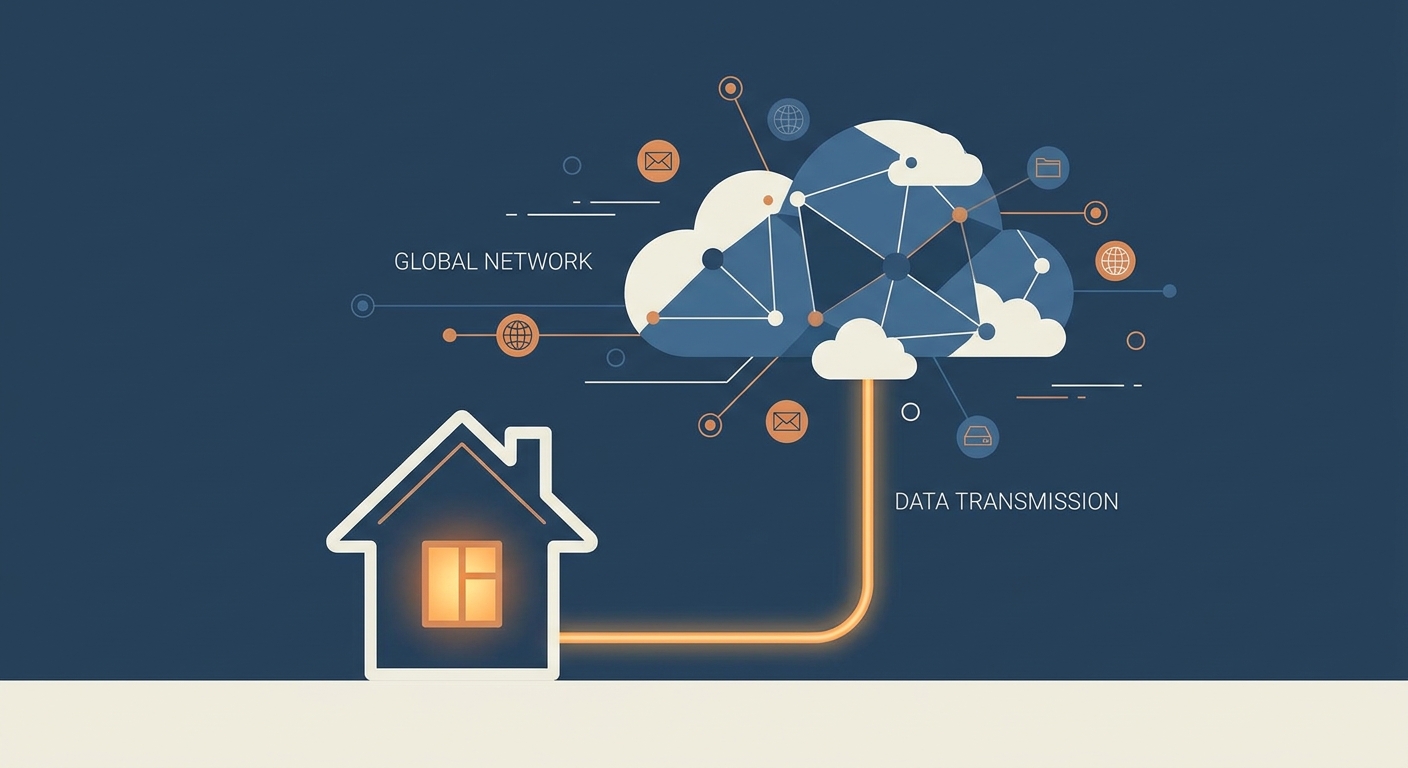
Enter DePIN (Decentralized Physical Infrastructure Networks). It’s a fancy term for a simple concept: you rent out the unused slivers of your home internet connection to companies and AI researchers. They get the clean, residential traffic they need to train models; you get paid for the trouble. No high-end rig, no coding degree, just a stable connection and a bit of common sense.
The New Era of Passive Digital Assets
For years, the internet was a one-way street. You paid the subscription, and tech giants harvested your data for free. They tracked your habits, sold your clicks, and treated you like the product.
DePIN flips the script. Your home IP address is the commodity now, and it’s actually worth something. AI models and data scrapers are starving for authentic, residential-grade traffic. They need it to train algorithms and bypass the heavy-handed anti-bot filters that plague big data centers. By joining a decentralized network, you aren’t just another user; you’re an infrastructure provider. You’re turning a monthly overhead cost into a paycheck.
Why Does the Internet Want Your Bandwidth?
Here’s the rub: AI entities and research firms have a "data center" problem. When they try to scrape information from the web using commercial server IP blocks, websites see them coming a mile away and slam the door shut. "Access Denied." It’s an automated wall built to keep scrapers out.
To get around this, they depend on residential proxies. These route traffic through actual home connections—like yours. Because your connection looks like a standard person sitting on their couch, it sails through security filters that would stop a commercial server dead.
This is the lifeblood of "ethical data scraping." Projects like Grass are building protocols to verify this traffic, ensuring it’s used for legitimate AI training or market research, not for something shady. You aren’t selling your personal data; you’re selling the pathway for verified, human-like connectivity.
How Does Bandwidth Mining Actually Work?
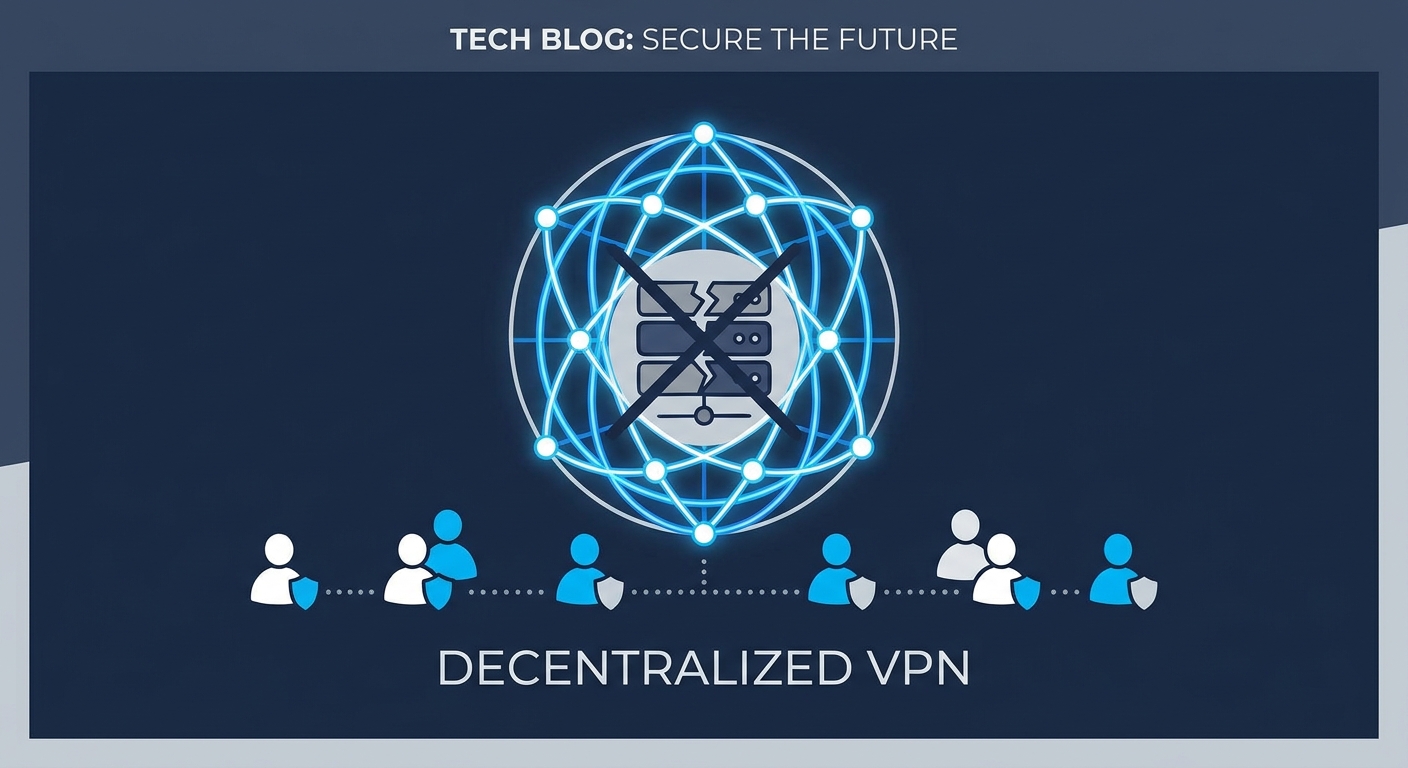
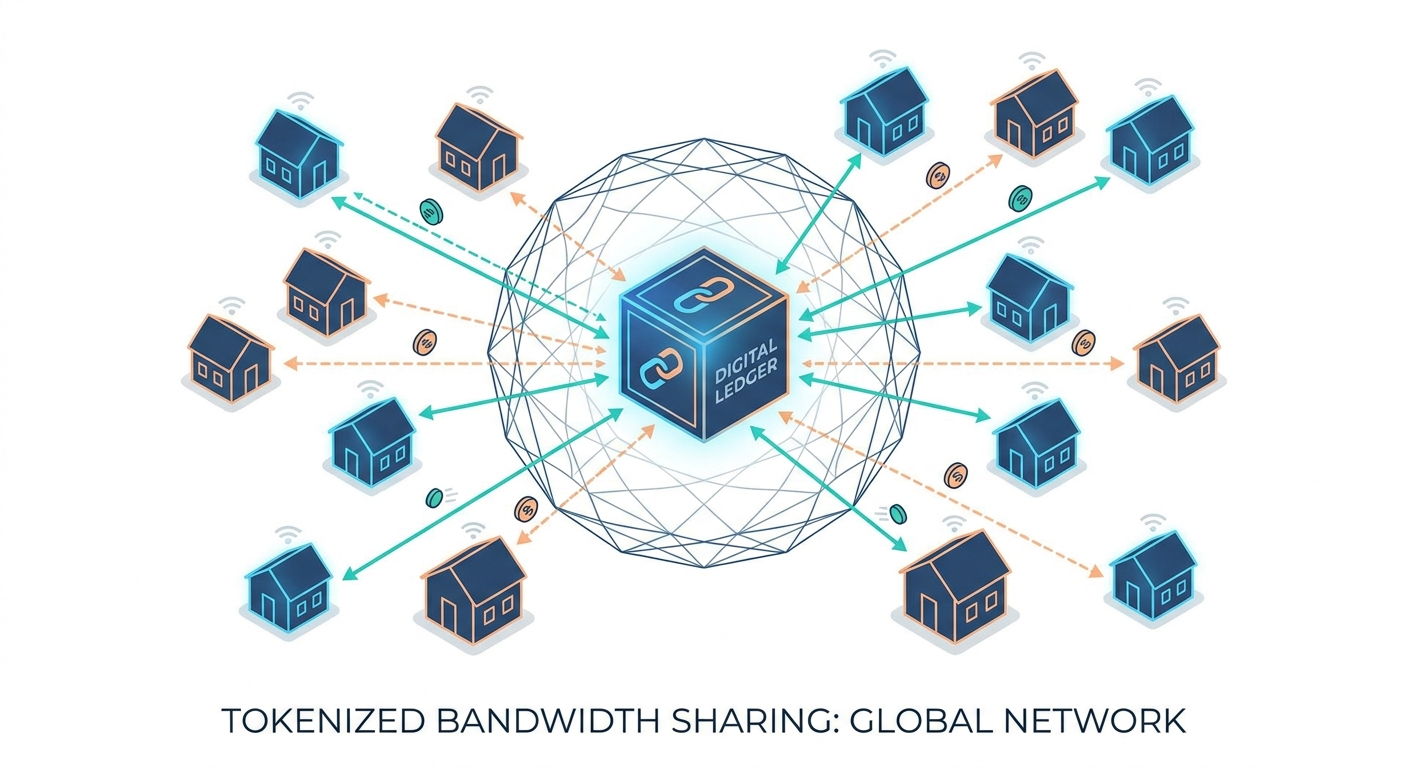
Think of it as a peer-to-peer (P2P) architecture that cuts out the corporate middleman. Instead of routing everything through your ISP’s massive, centralized hubs, your device acts as a micro-gateway.
When you join a node pool, your device sets up an encrypted tunnel. The network operator checks your connection quality, then assigns you little tasks—fetching a webpage or verifying a geo-location. The scraper gets the data, and you get tokens. It all runs in the background. It’s designed to nibble at the "idle" overhead you aren’t using for Netflix or Call of Duty.
Setting Up Your Node: A Step-by-Step Guide
Before you jump in, play it smart. First, glance at your ISP’s Terms of Service. Most residential plans are fine with this, but some get twitchy about "commercial usage." Keep an eye on your data caps, too.
Now, let’s talk hardware. If you’re a beginner, a browser extension is the easiest entry point. But if you want to get serious, a dedicated machine—an old laptop or a single-board computer—is where the real magic happens.
Before you flip the switch, you need to secure your home network. Network segmentation is the gold standard here. If you can, keep your node on a separate VLAN or a dedicated device. Don't run this on the same machine where you keep your tax returns, banking passwords, or private keys. Keep your "business" and your "personal" worlds apart.
Is Bandwidth Mining Safe for Your Privacy?
The biggest fear is that you’re letting strangers peek at your browser history. Let’s clear that up: that’s not how this works.
When you join a reputable DePIN network, the traffic running through your connection is encapsulated. You aren’t browsing the web for them; you’re just a bridge. They aren’t seeing your traffic; they’re using your IP as a gateway to reach theirs.
Also, don't confuse this with a standard VPN. A VPN hides your traffic; a bandwidth node opens a specific, limited lane for others. If you run a VPN and a mining node at the same time, you’ll likely scramble your own connection and neuter your earnings. To understand the mechanics of encryption, you can read about what a VPN is and how it protects you. Modern Web3 protocols, which you can explore via Ethereum’s resources, use zero-knowledge proofs. This confirms your connection is legit without ever needing to touch your personal data packets.
The Reality Check: How Much Can You Actually Earn?
Look, let’s be real. If you’re looking for a "get-rich-quick" scheme, you’re in the wrong place. Those days are dead.
In 2026, a single node in a Tier-1 region—think the US, Canada, or Western Europe—is going to net you somewhere between $10 and $25 a month. That’s it.
Your take-home pay depends on three things: uptime, geographic demand, and connection quality. If your internet is shaky or slow, the network will pass you over for a more reliable node. If you live in an area where residential IPs are already saturated, your earnings will dip. And remember, you’re getting paid in tokens. They’re volatile. As highlighted in the DePIN Sector Overview by Messari, the industry is growing up. It’s moving toward professionalized, utility-based rewards. The "moon-shot" dream is over; consistent, high-quality contribution is the new standard.
Strategic Risk Management: What Should You Avoid?
The tech is fine, but the people behind the projects? That’s where the risk lives. If a project asks you for an "upfront investment" or a "license fee" costing hundreds or thousands of dollars, run. Real bandwidth mining costs you nothing but time and electricity.
Again: keep your sensitive data locked down. Never run a node on a device that houses your primary work files or crypto wallets. Use this chart to plan your setup:
Frequently Asked Questions
Is selling my bandwidth safe? Can the user see my personal internet traffic?
No. Reputable bandwidth mining protocols use encrypted tunnels that isolate the traffic you are hosting from your own personal internet activity. You are acting as a relay, not a gateway for your own browsing.