Crypto-Powered Privacy: A Comprehensive Look at the Decentralized Bandwidth Exchange Economy
TL;DR
- ✓ Decentralized bandwidth exchanges turn idle internet capacity into a profitable digital asset.
- ✓ DePIN networks replace centralized ISPs with resilient, censorship-resistant peer-to-peer infrastructure.
- ✓ Proof-of-Bandwidth protocols verify node uptime to ensure reliable performance for global users.
- ✓ Participants earn tokens by sharing connections with AI labs and privacy-conscious clients.
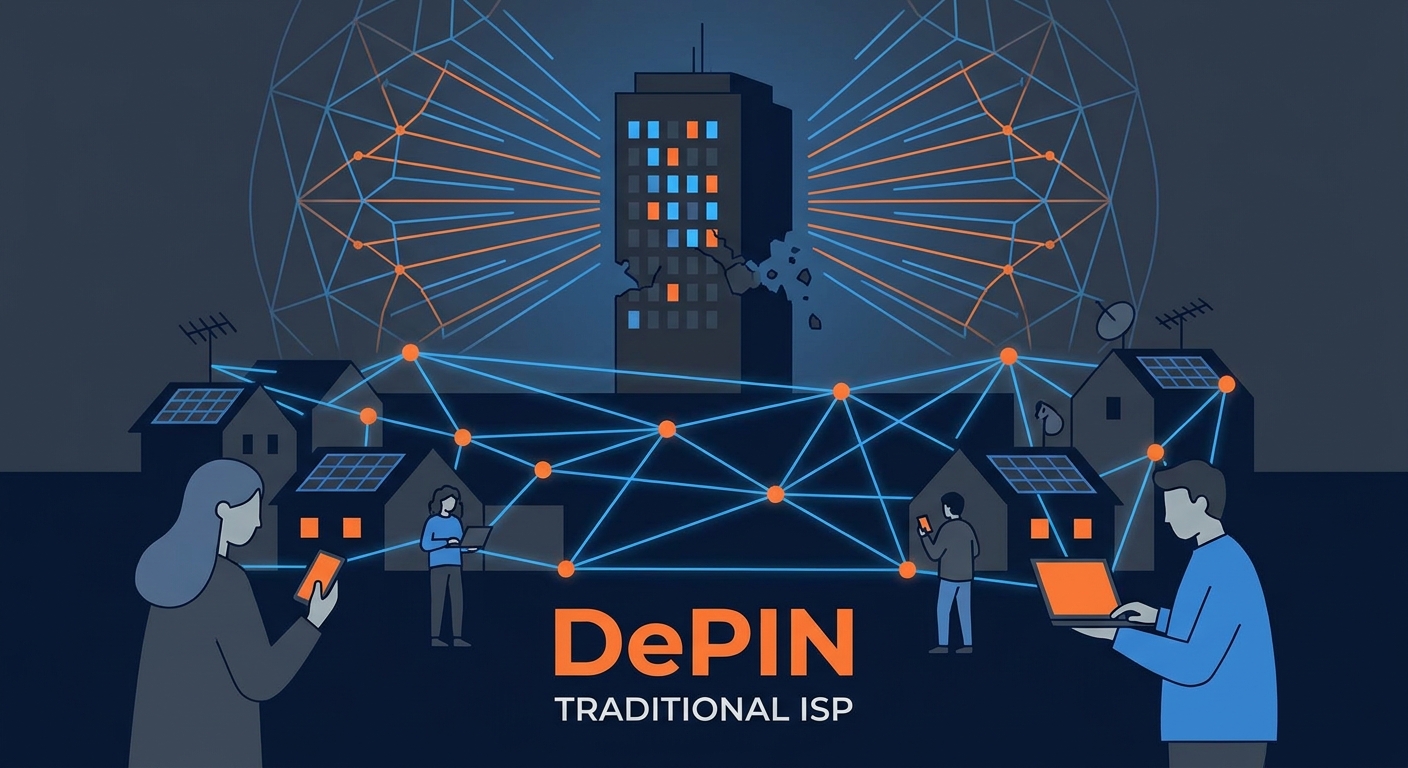
The decentralized bandwidth exchange economy is quietly turning the internet inside out. For years, we’ve been shackled to massive, surveillance-hungry ISPs, paying premium prices for bandwidth that sits idle half the time. Now? That wasted capacity is becoming a legitimate digital asset. This movement, often lumped under the DePIN (Decentralized Physical Infrastructure Networks) umbrella, is building a more resilient internet. It’s a global marketplace where connectivity is traded, verified, and secured by code rather than corporate gatekeepers.
As explored in this DePIN Deep Dive from CoinMarketCap, the industry is finally shaking off the "speculative hype" label. We are seeing real-world utility bridge the gap between abstract Web3 protocols and the physical reality of your home router.
The Dawn of the Decentralized Internet: What is the Bandwidth Exchange Economy?
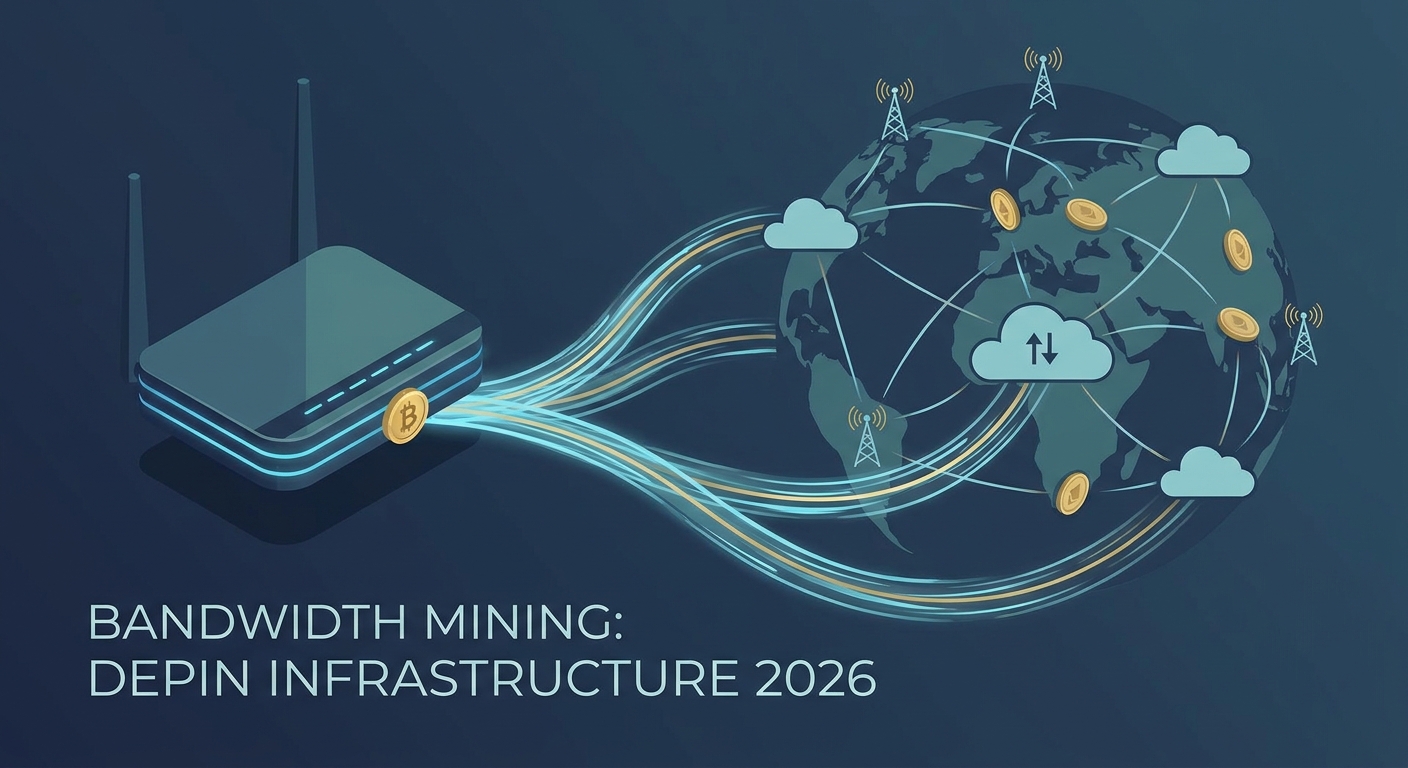
By 2026, "DePIN" has moved out of the boardroom and into our living rooms. Think of it as the "Airbnb for your internet." Just as a homeowner earns extra cash by renting out a spare bedroom, a node operator earns tokens by sharing their unused upload capacity with a global network.
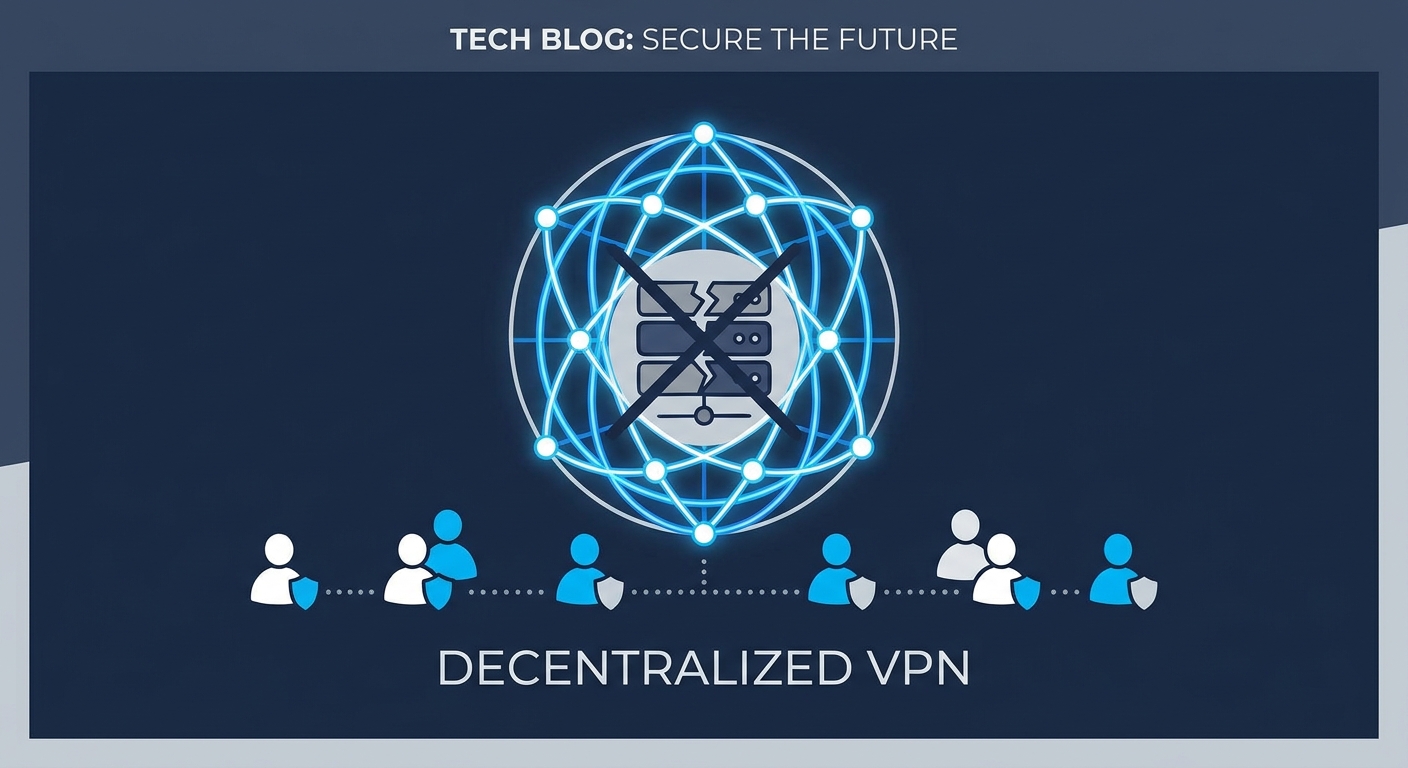
This isn't just about passive income. It’s a total structural overhaul. By spreading the load across thousands of residential nodes, these networks become inherently censorship-resistant. They are nearly impossible to knock offline because there’s no central server to target. For a clearer picture of how this architecture actually keeps things running, check out this guide on what DePIN is explained.
How Does the Decentralized Bandwidth Economy Work?
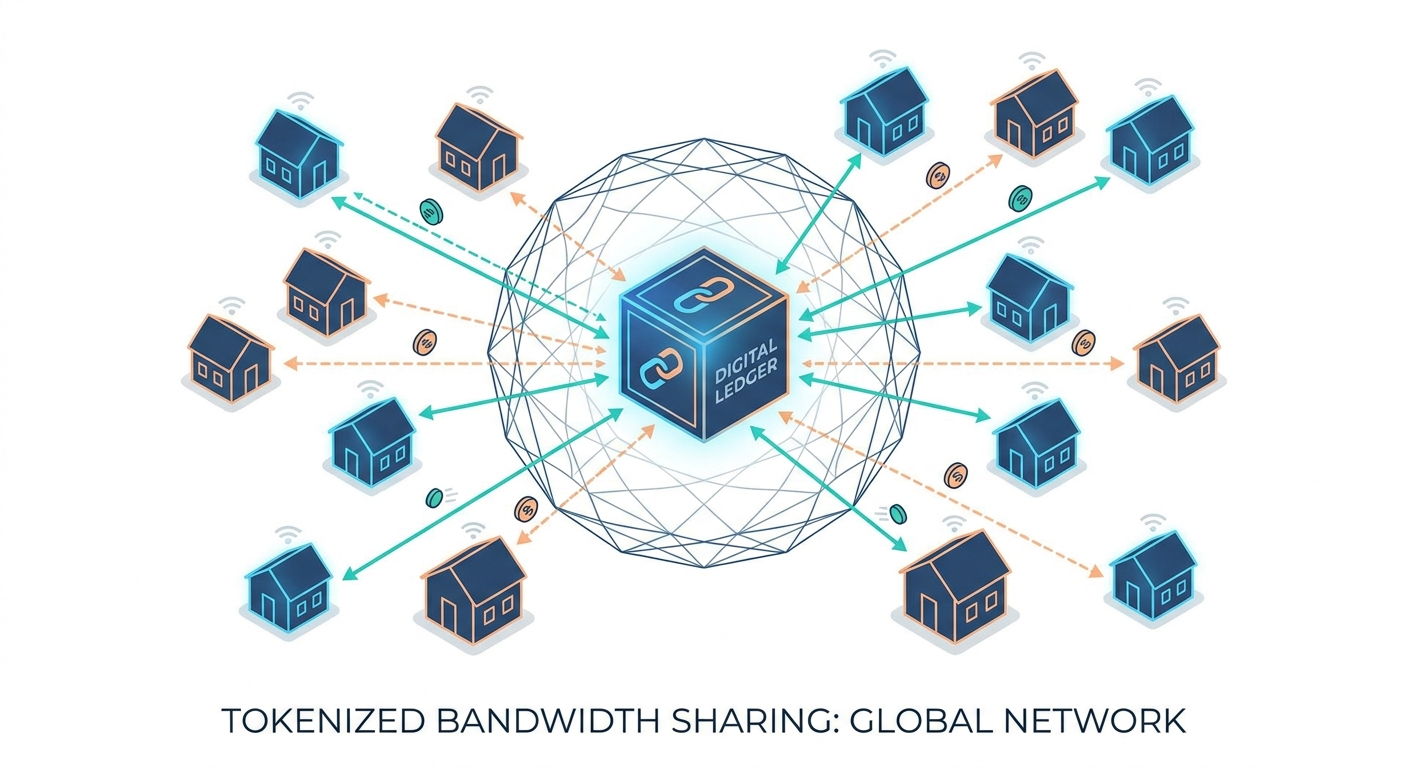
The ecosystem runs on a three-tier model that keeps the lights on:
- The Providers: That’s you. People running nodes on routers, PCs, or dedicated hardware.
- The Protocol Marketplace: An automated middleman that matches your supply with market demand.
- The Consumers: This is where the money comes from. AI labs, massive data scrapers, and privacy-conscious users needing residential-grade IP addresses to bypass geo-blocks.
How do we keep people honest? We use "Proof-of-Bandwidth." Think of it as a digital auditor. It constantly pings your node to verify your uptime, speed, and latency. Without this, the network would just be a graveyard of "lazy" nodes trying to farm tokens without doing any actual work.
Why the Shift to Real Revenue Matters
For a long time, the DePIN sector had a "burn" problem. Projects would pump out inflationary tokens to bribe users into joining, but there were no real customers on the other side. When the token price eventually corrected, the nodes vanished like smoke.
The 2026 pivot is simple: B2B demand. The winners aren't the ones with the flashiest tokenomics; they’re the ones selling bandwidth to data-hungry giants—AI companies needing regionalized data sets or corporations doing global market research. As detailed in this analysis of revenue models of DePIN, survival depends on cold, hard cash. If a protocol can’t show a flow of stablecoins or fiat from actual enterprise clients, it’s already dead in the water.
How Do Zero-Knowledge Proofs (ZKPs) Solve the Trust Problem?
Let’s be honest: the biggest fear for anyone running a node is liability. If you relay traffic for a stranger, what if they’re doing something illegal? It’s a terrifying thought.
Zero-Knowledge Proofs (ZKPs) are the answer. They allow protocols to mathematically prove that traffic is legitimate and safe without the node operator ever seeing what’s actually inside the packets. It’s privacy-preserving routing. For those who want to get into the weeds, our deep dive into privacy-preserving ZKPs shows how this tech scrubs metadata, keeping your browsing habits away from prying eyes. For a broader look at how these privacy standards are evolving, the Web3Privacy Now database is the industry standard for tracking the movement.
Market Comparison: Who are the Leaders in 2026?
The market has shaken out. We’ve moved past the "hundreds of clones" phase. Here are the heavy hitters:
- Sentinel: The go-to for high-security, open-source dVPN routing.
- Mysterium: The "plug-and-play" king. Their UI is so simple your grandma could run a node.
- Grass: The giant of AI-data scraping. They’ve mastered residential distribution.
- Titan Network: The enterprise-grade contender, focusing on the intersection of storage and bandwidth.
If the tech feels a bit heavy, platforms like SquirrelVPN act as an abstraction layer. They give you a clean interface to tap into these networks without needing a PhD in computer science. Need a starting point? Our breakdown of the top 7 Web3 VPNs for 2026 is the best place to start.
Risks vs. Rewards: The Reality Check
Don't buy the "get rich quick" hype. Bandwidth mining is a utility play. If you're a casual user, treat this as a way to shave a few bucks off your monthly internet bill—not a replacement for your day job. Your earnings depend on three things: location (US/EU traffic is worth more), connection speed, and uptime.
Also, watch out for the volatility trap. If you’re getting paid in a native token, you’re essentially betting on that protocol’s success. Do your own homework on the tokenomics before you dedicate your hardware to the network.
What Does the Future Hold?
We’re heading toward the "Meta-Network" era. A lot of these smaller protocols are going to get eaten by bigger players. The future of bandwidth is institutional. Regulators are starting to pay attention, and the winners will be the networks that can pair the "Wild West" spirit of decentralization with the enterprise-grade compliance that big companies demand.
Frequently Asked Questions
Is sharing my bandwidth safe?
Yes, provided you use protocols that implement ZKP-enabled routing and end-to-end encryption. Unlike traditional VPNs that rely on a central server, decentralized VPNs (dVPNs) use a relay system that ensures no single node has access to the full path of your data, protecting you from legal or security liabilities.
How much can I actually earn by sharing my internet?
Earnings vary wildly based on your node’s uptime, your geographic location, and the current demand on the network. In 2026, most residential nodes can expect to earn enough to cover a significant portion of their monthly internet bill, but those looking for "full-time" income would require professional-grade hardware and high-bandwidth data centers to remain competitive.
Does a decentralized VPN slow down my connection?
There is a minor latency overhead due to the P2P relay process compared to a direct connection. However, modern protocols have optimized routing to minimize this "hop" delay. For standard web browsing and data scraping, the performance hit is often negligible, though it may not be suitable for high-frequency trading or low-latency competitive gaming.
What is the difference between a DePIN node and a crypto mining rig?
A crypto mining rig relies on computational power (Proof-of-Work) to solve cryptographic puzzles, which consumes massive amounts of electricity. A DePIN bandwidth node relies on infrastructure utility (Proof-of-Bandwidth); it uses your existing internet connection to provide a service that the network actually needs, making it significantly more energy-efficient and sustainable.