Top 5 DePIN Projects Revolutionizing Decentralized Network Security This Year
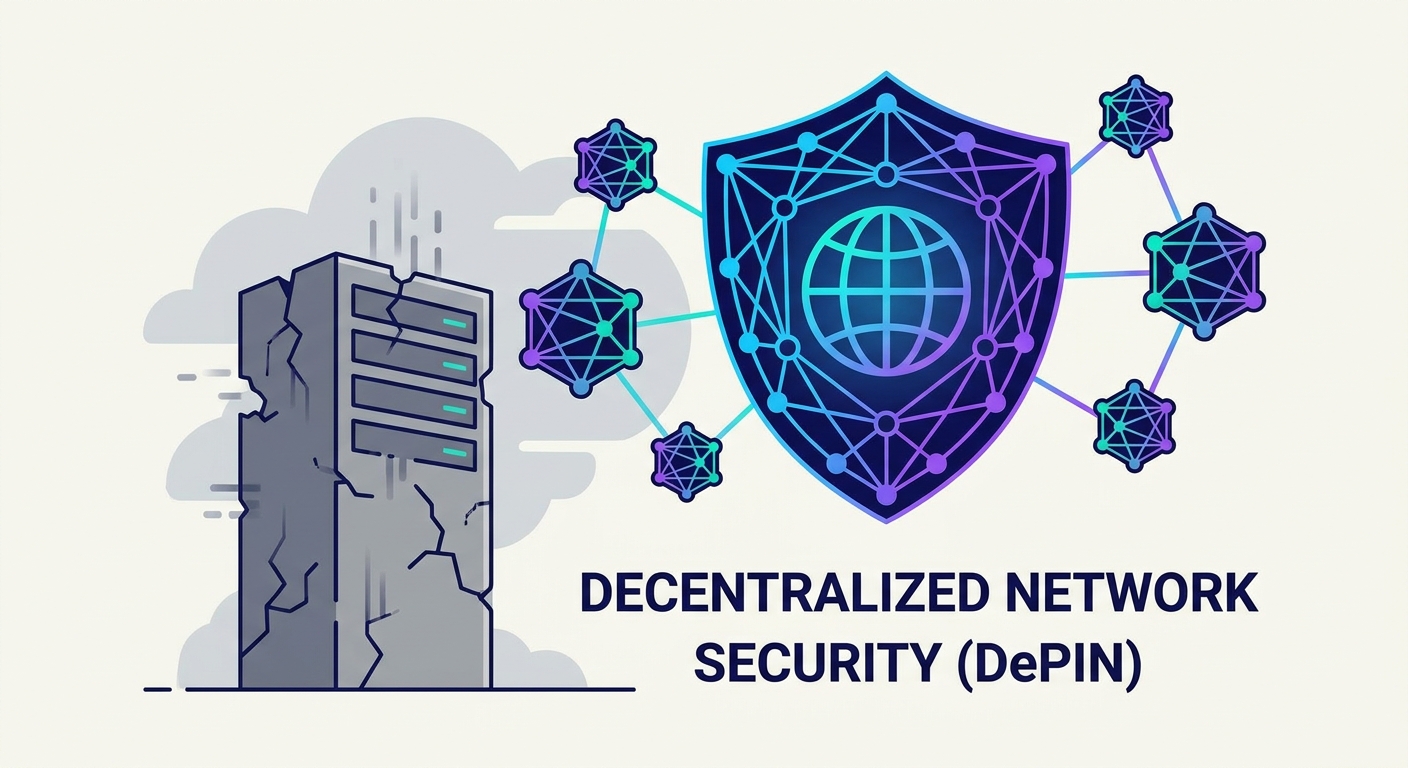
TL;DR
- ✓ Centralized digital infrastructure is failing due to inherent privacy and security vulnerabilities.
- ✓ DePIN utilizes cryptographic verification to replace blind trust in corporate service providers.
- ✓ Zero-Knowledge Proofs ensure user data remains private while maintaining verifiable network security.
- ✓ Helium Mobile and other DePIN leaders are eliminating single points of failure in connectivity.
- ✓ Decentralized networks offer a censorship-resistant alternative to traditional legacy ISP architectures.
The 2026 AI compute crisis finally pulled the curtain back on a dirty secret: our centralized digital architecture is rotting from the inside out. We’ve been living under the illusion that big-tech infrastructure can handle the demands of a hyper-connected, AI-driven world. It can’t.
As data scraping hits a fever pitch and censorship morphs into a high-tech game of whack-a-mole, your reliance on legacy ISPs and centralized VPNs isn’t just outdated—it’s a massive strategic liability. Think about it: a centralized server is just a giant "target here" sign for government subpoenas and bad actors alike.
Enter DePIN (Decentralized Physical Infrastructure Networks). This isn't just another crypto buzzword. It’s a total shift in power. We’re moving from blind trust in opaque corporate silos to verifiable, math-based security. If you want to know how we got here, start by understanding what DePIN is. The future of your digital privacy doesn't depend on a company’s "promise" to be good; it depends on technical truth.
The Death of the "No-Logs" Policy
Stop believing the marketing copy. A centralized provider’s "no-logs" policy is worth exactly nothing the moment a judge signs a warrant or a hacker finds a backdoor. We’ve moved past the age of "trust me, bro" security.
We’re now in the age of cryptographic verification. By using Zero-Knowledge Proofs (ZKPs), decentralized networks can verify that you are who you say you are—and that your data is intact—without ever actually seeing the sensitive bits. It’s the difference between showing a bouncer your ID to prove you’re over 21 versus handing them your entire wallet. If you want to get into the weeds, read more about how Zero-Knowledge Proofs function. It’s the bedrock of the entire movement.
The chasm between your old setup and the new way is massive. Just look at the difference:
The Vanguard: 5 Projects Changing the Game
These aren't just theoretical experiments. These projects are the ones actually moving the needle, tackling the specific gaps where our current networks fail.
1. Helium Mobile (Connectivity & Wireless)
Remember when people thought Helium was just a speculative game? Those days are gone. Helium Mobile has evolved into a legitimate challenger to traditional telcos. By incentivizing real people to host their own 5G nodes, they’ve nuked the "single point of failure" problem. No central ISP hub, no central point to shut down.
- Security Score: 8.5/10
- Entry Barrier: Moderate (you’ll need some hardware)
- Utility Focus: Decentralized mobile coverage and bandwidth distribution.
2. Titan Network (Compute & Resource Sharing)
Titan is basically building the nervous system for distributed resources. It’s a scalable, secure layer for compute and storage that lets you offload tasks without worrying about where your data ends up. If you’re wondering how this actually holds up under pressure, how our decentralized tunneling protocol works explains the balance between keeping things fast and keeping them private.
- Security Score: 9/10
- Entry Barrier: Low (software-based nodes)
- Utility Focus: Distributed compute and secure resource tunneling.
3. Grass (Sovereign Data)
AI models are currently gorging themselves on scraped, often garbage-tier data. Grass is changing the pipeline by letting users contribute bandwidth to a decentralized web crawler. This is huge for data integrity. By sourcing data from authentic, distributed nodes, we can finally stop the "data poisoning" that plagues current AI training.
- Security Score: 7.5/10
- Entry Barrier: Very Low (just a browser extension)
- Utility Focus: Sovereign data collection and AI training integrity.
4. Orchid (Privacy & dVPN)
Orchid is still the heavy hitter for decentralized tunneling. It uses a multi-hop approach, bouncing your traffic through independent nodes across the globe. Trying to track a user through Orchid is like trying to follow someone through a hall of mirrors—you’re going to lose them. It’s the absolute opposite of the leaky, centralized VPNs that are clearly failing, which is why traditional VPNs are failing in 2026.
- Security Score: 9.5/10
- Entry Barrier: Moderate (you need to manage your own keys)
- Utility Focus: Censorship-resistant multi-hop tunneling.
5. Hivemapper (Spatial Data)
Mapping has been a monopoly for way too long. Hivemapper flipped the script by using dashcams to crowdsource a live, constantly updating map. It’s not just about directions; it’s about breaking the hold that tech giants have on spatial data. It’s neutral, it’s updated, and it’s owned by the people who drive the roads.
- Security Score: 8/10
- Entry Barrier: Moderate (requires dashcam hardware)
- Utility Focus: Verified, decentralized spatial data.
The "Earn-to-Share" Trap: A Reality Check
Look, I get it. The "earn-to-share" hype is loud. Seeing a token ticker go up while you run a node is addictive. But don't let the greed blind you. If a project is just a high-yield token printer with no actual security audits or node reputation, you aren't an investor—you're the exit liquidity.
If the project won't survive without token emissions, your security is a house of cards. Always check out DePIN Hub before you dump your hardware or your time into a new network.
Security Pro-Tip: Never prioritize token yield over node reputation. A node that pays 100% APY but lacks a verifiable history of uptime or security audits is a vulnerability waiting to be exploited.
How to Get Started (Without a PhD)
You don't need a server room in your basement to start securing your digital life. The barrier to entry has cratered over the last year and a half. If you're a digital nomad or just someone who’s tired of being tracked, here’s the game plan:
- Know your threat: Are you just trying to scrub your footprint, or are you fighting off state-level censorship?
- Start small: Grab a browser extension like Grass or dive into Orchid if you want to test the waters.
- Verify the code: If it’s not open-source, run away. If they don't explain how the traffic is routed, don't touch it.
Here is the breakdown of why the old guard is losing its grip:
| Feature | Legacy VPN | DePIN Tunneling Protocol |
|---|---|---|
| Privacy | Policy-based (Trust) | Cryptographic (Verify) |
| Speed | Centralized Bottleneck | Distributed Routing |
| Censorship Resistance | Low (Easy to block IPs) | High (Peer-to-peer relay) |
| Cost | Subscription-based | Utility-based / Tokenized |
Frequently Asked Questions
Is DePIN safer than a traditional centralized VPN?
Yes. DePIN removes the "single point of failure" and the centralized server logs that traditional VPN providers are often legally compelled to maintain or turn over to third parties.
How do I earn tokens while securing my network?
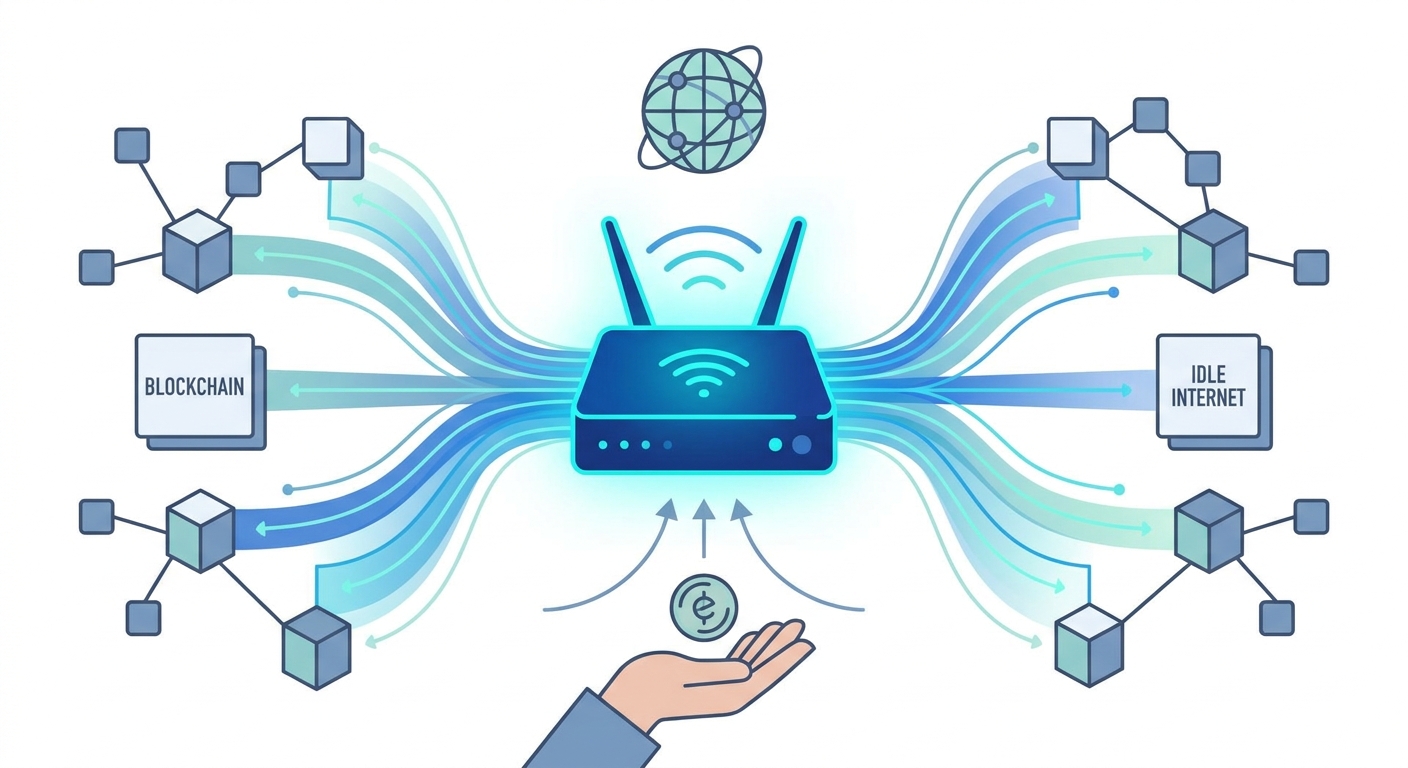
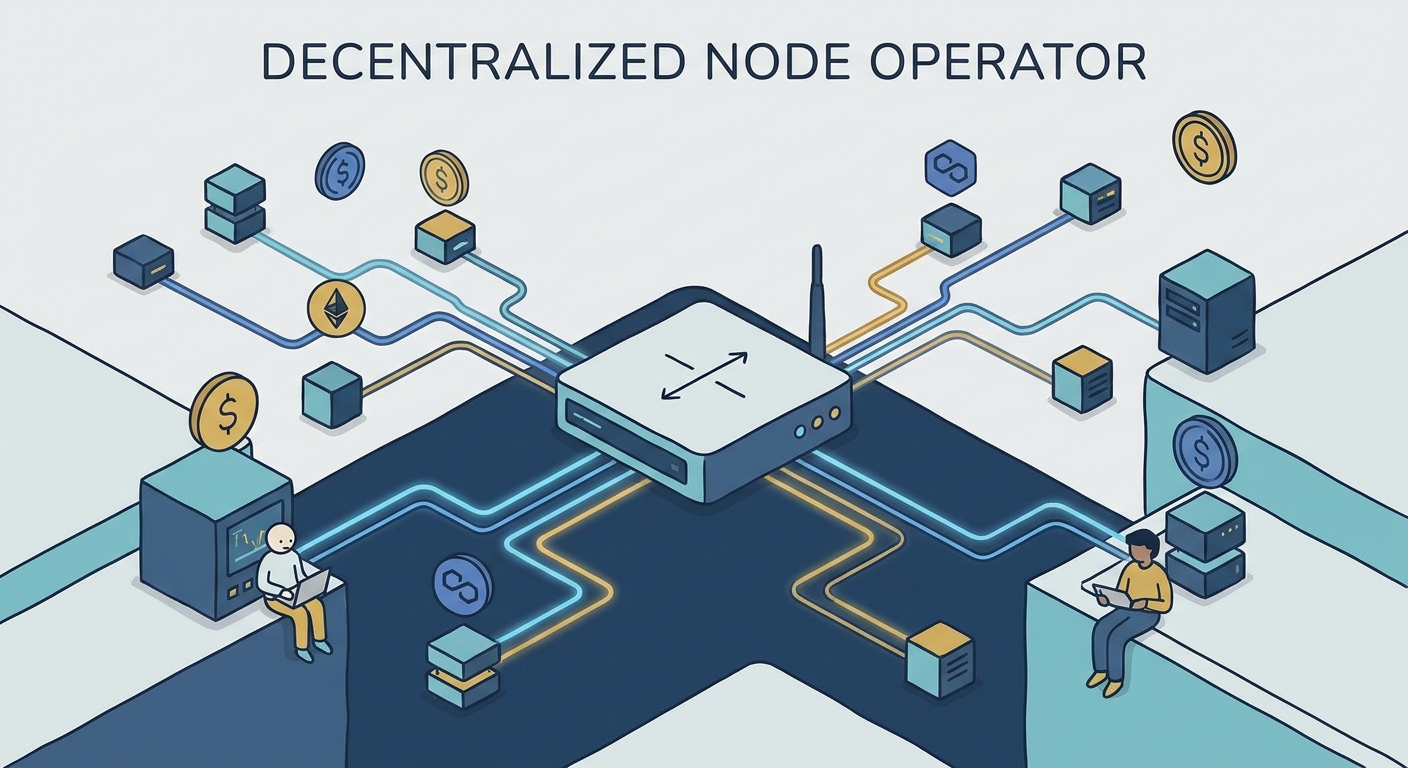
Many DePIN projects reward users for acting as a relay node. By running a node or sharing your unused bandwidth, you effectively turn your device into a secure, decentralized gateway that earns you native utility tokens as compensation for your contribution to the network.
Do I need expensive hardware to participate in these projects?
Not necessarily. While some projects, such as Helium Mobile or Hivemapper, benefit from dedicated hardware, many of the most effective decentralized security tools only require a browser extension or a smartphone application to operate.
What is the biggest risk of using DePIN for network security?
The primary risk is software maturity. Because the field moves quickly, users should prioritize projects with open-source codebases and verifiable ZKP implementations to ensure their traffic is not being intercepted by malicious nodes.