Is a Tokenized VPN Right for You? Pros and Cons of Crypto-Powered Privacy
TL;DR
- ✓ dVPNs replace centralized servers with a peer-to-peer decentralized mesh network.
- ✓ Tokenized VPNs use smart contracts to facilitate secure and anonymous connections.
- ✓ Residential IPs from dVPN nodes are harder for services to track or block.
- ✓ Choosing between traditional and decentralized VPNs depends on your privacy needs.
If you’re fed up with trusting a corporation’s "no-logs" policy—only to discover they were subpoenaed or their servers were compromised—you’ve likely heard the whispers of the decentralized web. A tokenized VPN, or dVPN, is the logical evolution of privacy tech. It ditches the centralized server farm for a peer-to-peer marketplace.
For most people, a traditional VPN is a "set-and-forget" utility. It’s simple. It works. But if your goal is digital sovereignty—that is, the ability to own your data footprint without some middleman watching over your shoulder—a dVPN offers a radical, if slightly messy, alternative.
What Exactly is a Tokenized VPN (dVPN)?
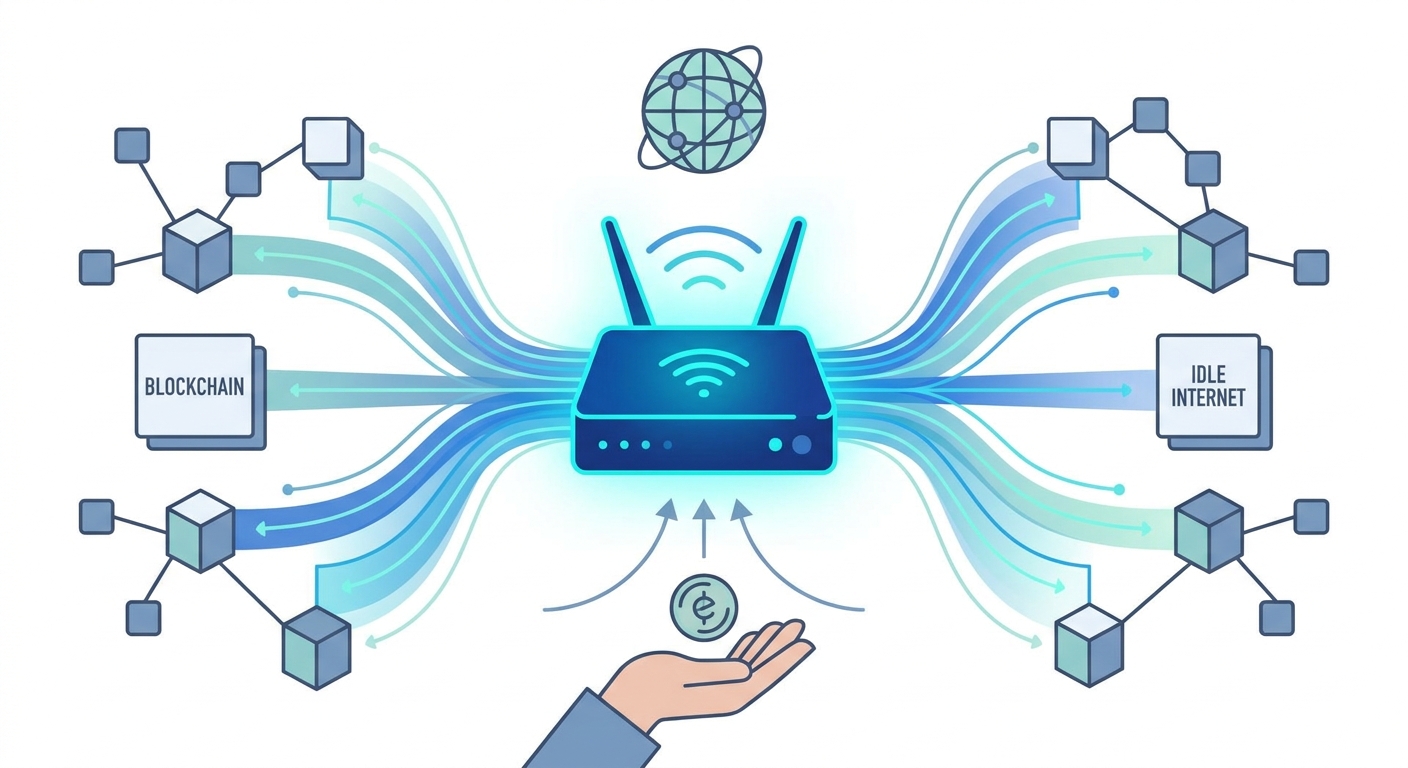
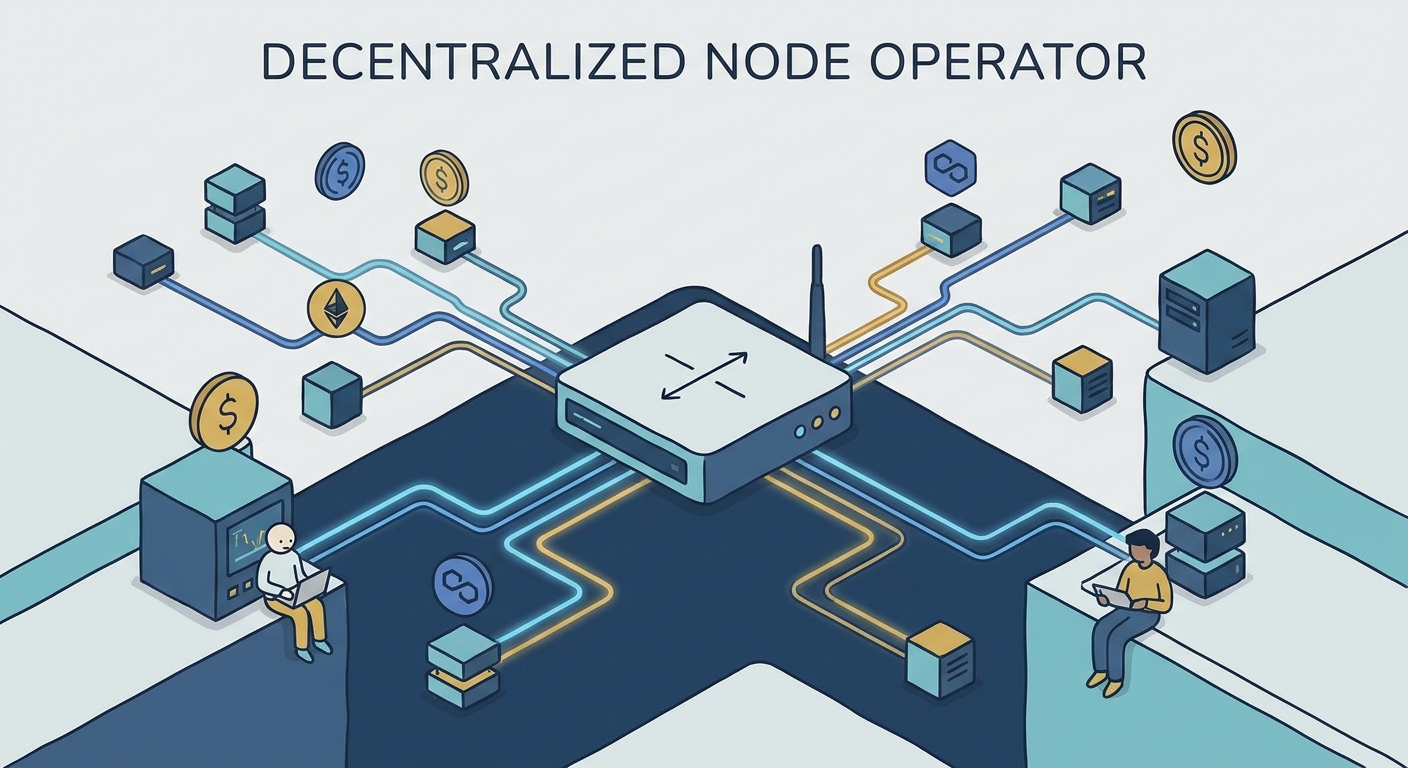
At its heart, a dVPN rips out the corporate middleman. In the old-school setup, you pay a company to tunnel your traffic through their private data centers. With a dVPN, you’re connecting to a decentralized mesh of real people and independent node operators. This is the bread and butter of DePIN (Decentralized Physical Infrastructure Networks). Your home router or your PC becomes the infrastructure.
Instead of one company owning the pipes, the network is hardware-agnostic. Anyone with a decent connection can spin up a node, share their bandwidth, and earn tokens for the trouble. It’s a global, permissionless marketplace for privacy.
How Does the "Airbnb for Bandwidth" Model Actually Work?
The magic here is the lack of a central authority. When you hit "connect," you aren't logging into a server managed by some firm in a tax haven. Instead, your client talks to a blockchain-based router. Smart contracts handle the handshake, matching your request with an available node that fits your needs—like location, speed, or reputation score.
The incentive layer is what keeps the lights on. By using tokens, the network ensures node operators get paid without a company taking a massive cut. You get a supply of residential IP addresses that are a nightmare for censors and streaming services to block. Unlike the static, well-known IPs of traditional VPNs, these look just like regular home traffic.
Centralized VPNs vs. dVPNs: Who Do You Trust?
The big shift is moving from "trusting a provider" to "trusting a protocol." With a big-name provider, you’re betting that they’re honest about their logging. For a deep dive into the technical weeds, this VPN vs. dVPN comparison shows exactly where those trust boundaries break down.
But let’s be real: convenience is the price of that trust. Traditional VPNs are slick, fast, and stable. They have 24/7 support and polished apps that work on everything from your smart TV to your toaster. For the average person just trying to bypass a geo-block, traditional VPNs still matter because they offer a reliable experience that decentralized networks are still fighting to match.
What Are the Primary Pros of Crypto-Powered Privacy?
If you’re working in a high-risk environment, the technical advantages of dVPNs are hard to ignore.
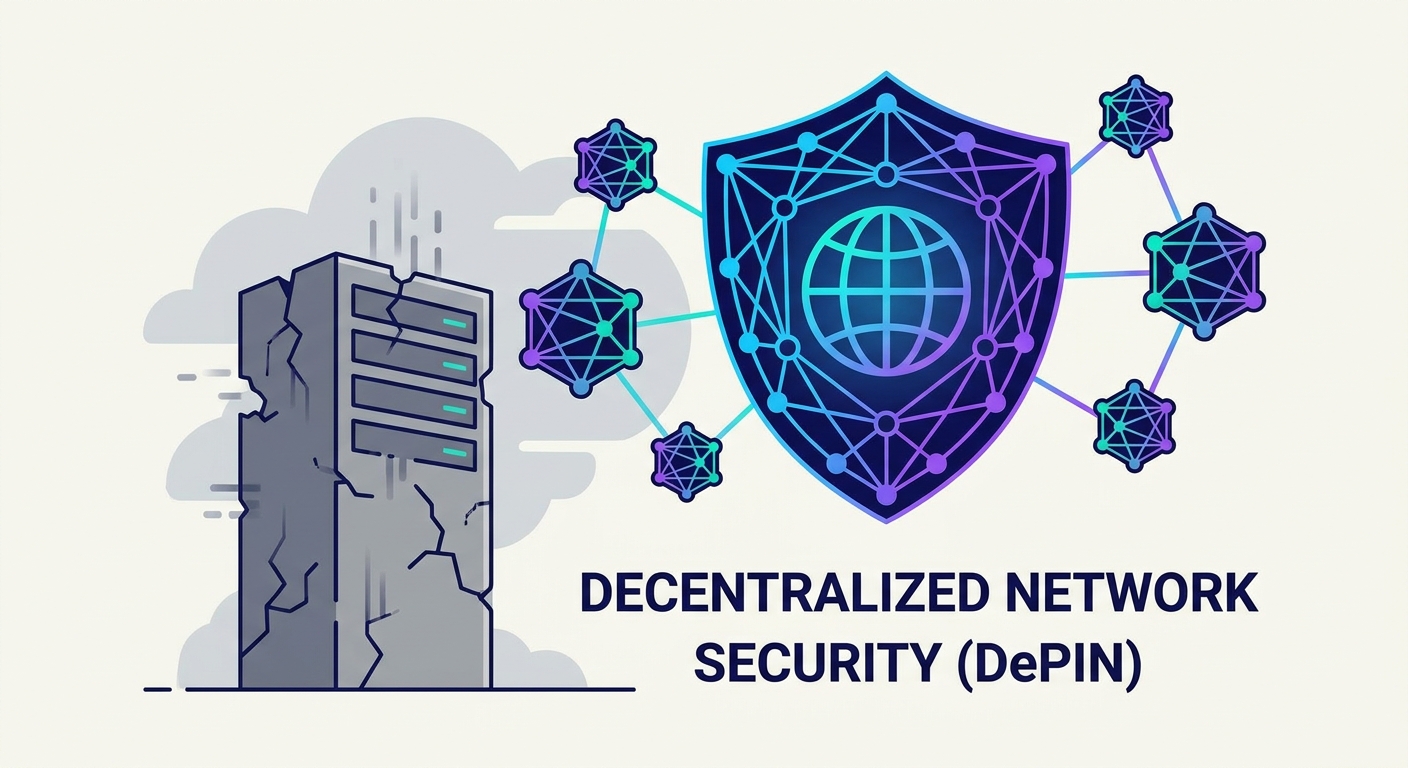
Censorship Resistance There is no "master server" or corporate headquarters. There’s no single entity for authorities to subpoena or block. A decentralized mesh is incredibly fluid. If one node gets nuked, your connection just hops to the next one. It makes the "whack-a-mole" game of internet censorship nearly impossible for state actors to win.
No Central Logs In a standard VPN, the provider owns the hardware. They could monitor your traffic if they wanted to, regardless of what their marketing says. In a dVPN, your traffic is encrypted end-to-end between you and a node operator who usually has zero interest in your data—and no real way to aggregate it anyway.
Residential IP Advantage Streaming services keep massive databases of known data-center IPs. They block them instantly. Because dVPN nodes are often actual residential connections, they’re much harder to flag. This makes dVPNs a secret weapon for accessing content that detects and kills traditional VPN connections.
What Are the Hidden Risks and Technical Cons?
Decentralization isn't a magic bullet. It brings a new set of headaches that can frustrate even the tech-savvy.
The "Node Lottery" Performance depends entirely on the node you pick. If you connect to a node in someone's basement with a poor connection, your speed will tank. Streaming 4K video can become a game of musical chairs, where you’re manually swapping nodes until you find one that isn't struggling.
The Liability Trap This is the big one people ignore. If you run a node, your home IP is being used by strangers. Most reputable dVPN platforms filter traffic to prevent illegal acts, but the legal reality of being an "exit node" is a gray area. You need to know what’s passing through your IP, and you should only join networks that offer real legal protection for their node operators.
Complexity Barrier The user experience is still in its "clunky" phase. You’re dealing with blockchain technology, which often means managing a web3 wallet, dealing with gas fees, and vetting nodes yourself. It lacks the "one-click" simplicity people expect today.
The Decision Matrix: Is a dVPN Right for You?
So, should you make the leap? It depends on your goal.
- The Casual Streamer: If you just want to watch Netflix from a different country, stick to a traditional, high-quality VPN. The performance swings of a dVPN will just lead to buffering and annoyance.
- The Privacy Maximalist/Journalist: If you’re in a hostile digital environment where anonymity is a matter of safety, the censorship resistance of a dVPN is worth the technical friction.
- The Tech-Curious: If you love to tinker and want to build the future of the internet, running a node is a great way to learn. Just make sure to research the 10 best dVPN platforms for 2026 to find a project with a solid reputation.
Safety Audit: How to Vet a Node in a Decentralized Network
Don't just pick the cheapest option. Do your homework.
Check the node's reputation score on the platform dashboard. Good nodes usually require a token stake, which acts as a bond—if they act maliciously, they lose their money. Check the latency. If the ping is high, the node is either far away or under-resourced. Finally, look at uptime. A node that constantly disappears is a node you can't trust with your data.
Conclusion: The Future of Digital Sovereignty
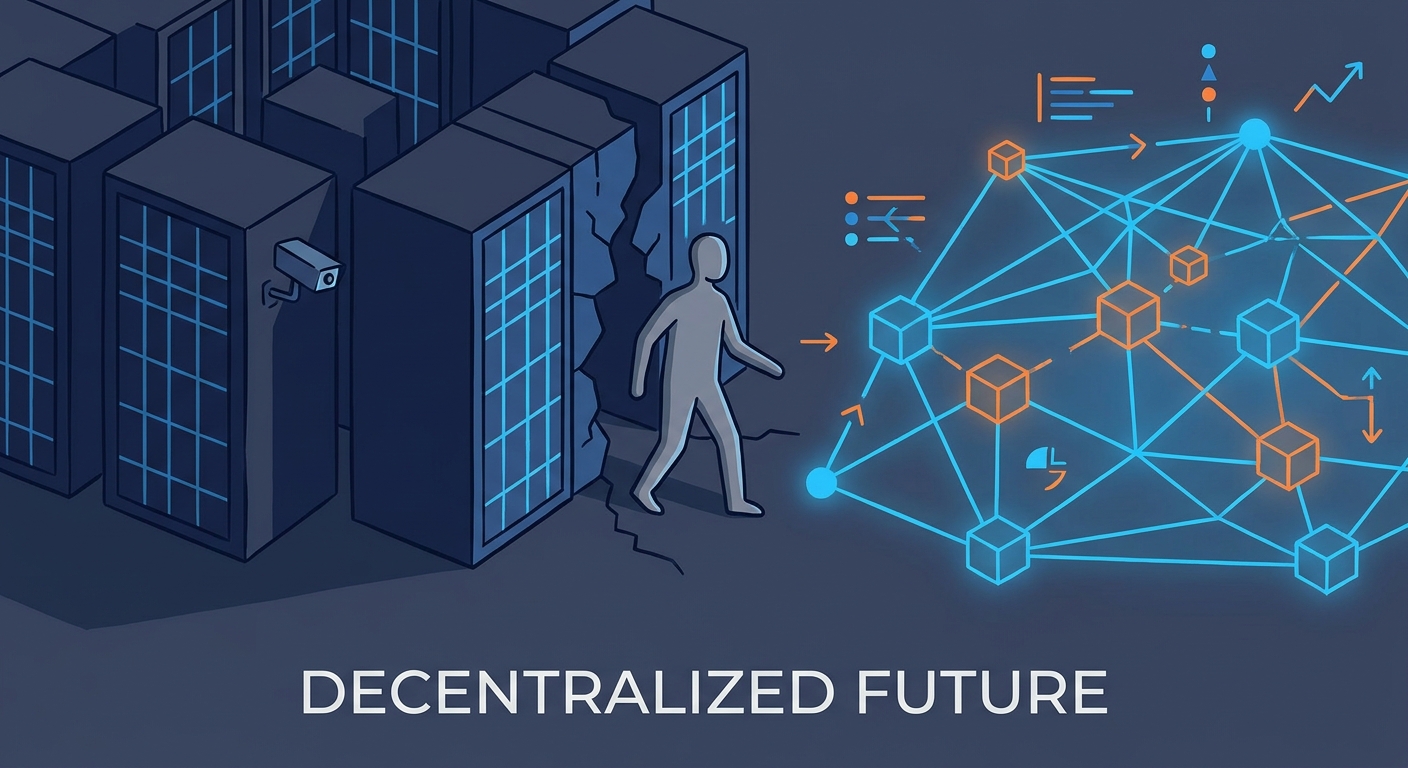
Tokenized VPNs are currently in their "early adopter" phase. They are powerful and revolutionary, but they aren't a plug-and-play consumer product yet. They require an understanding of how they work and a high tolerance for the occasional glitch. As the industry matures, we’ll see features like "account abstraction," which will make the wallet and gas fee stuff invisible. For now, a dVPN is a scalpel for the privacy-conscious, not a blunt instrument for the masses.
Frequently Asked Questions
Is a dVPN safer than a traditional "no-logs" VPN?
A dVPN lets you verify the protocol code yourself. A traditional "no-logs" VPN requires you to take the company's word for it. While dVPNs remove the single point of failure, you have to be vigilant to ensure you aren't connecting to a bad actor's node.
Can I get in trouble if someone uses my shared bandwidth for illegal activity?
There is a real risk here. Only use dVPN platforms that implement strict traffic filtering and offer legal safeguards for node operators. Always read the terms of service before you open your network to the public.
Are dVPNs fast enough for streaming and gaming in 2026?
It’s a gamble. Some top-tier nodes are blazing fast, but the average experience is hit-or-miss. For low-latency gaming or high-bandwidth 4K streaming, traditional VPNs currently win on pure reliability.
Do I need to understand crypto wallets to use a tokenized VPN?
Right now, yes. Most dVPNs require you to hold a native token to pay for bandwidth. However, developers are working on "account abstraction" to allow fiat payments behind the scenes, so you won't need to be a crypto-expert forever.