How to Set Up a P2P Server for Decentralized VPN Nodes: A Step-by-Step Tutorial
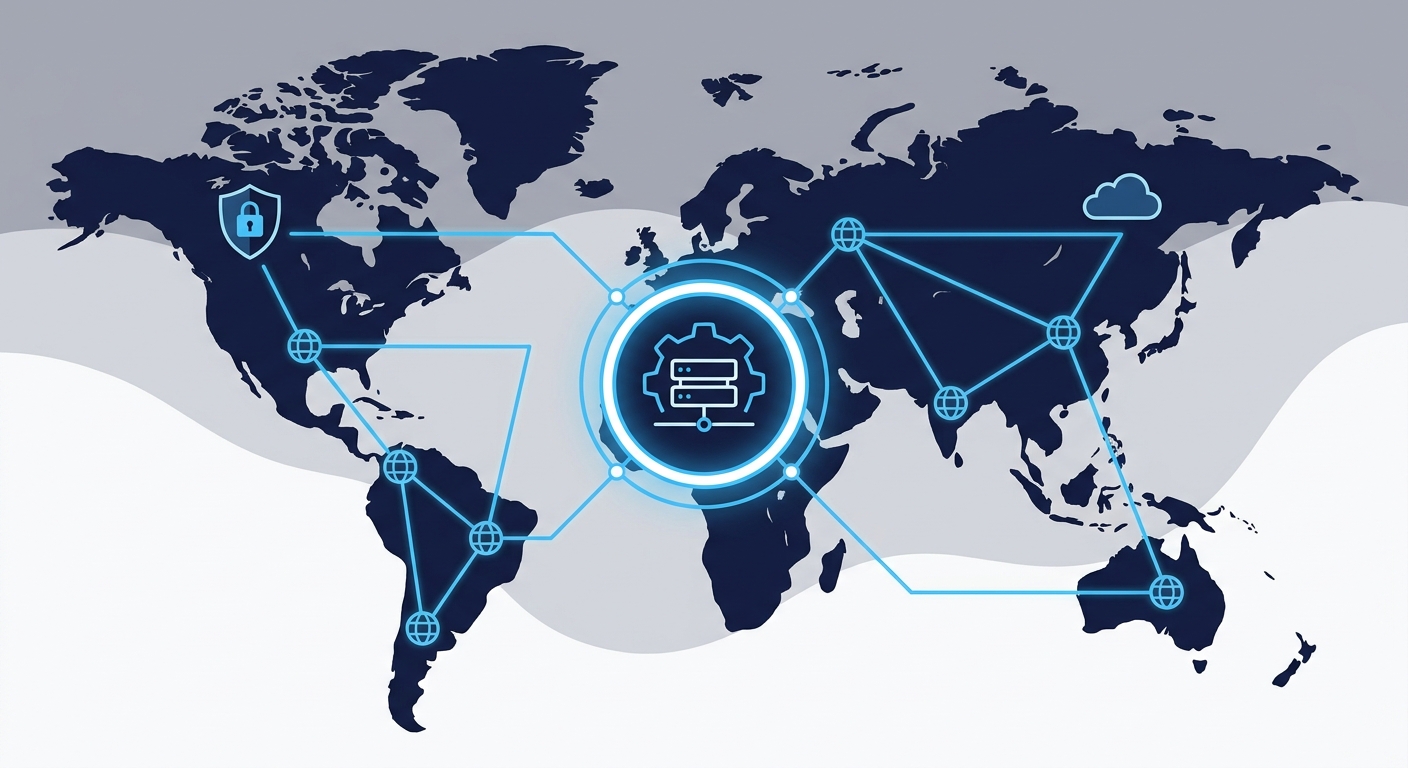
TL;DR
- ✓ Turn idle home hardware into a profitable decentralized VPN relay point.
- ✓ Choose between Raspberry Pi or Mini PC hardware for optimal node efficiency.
- ✓ Secure your Linux environment using Docker containers for reliable network performance.
- ✓ Understand token staking requirements to maintain node integrity and earn rewards.
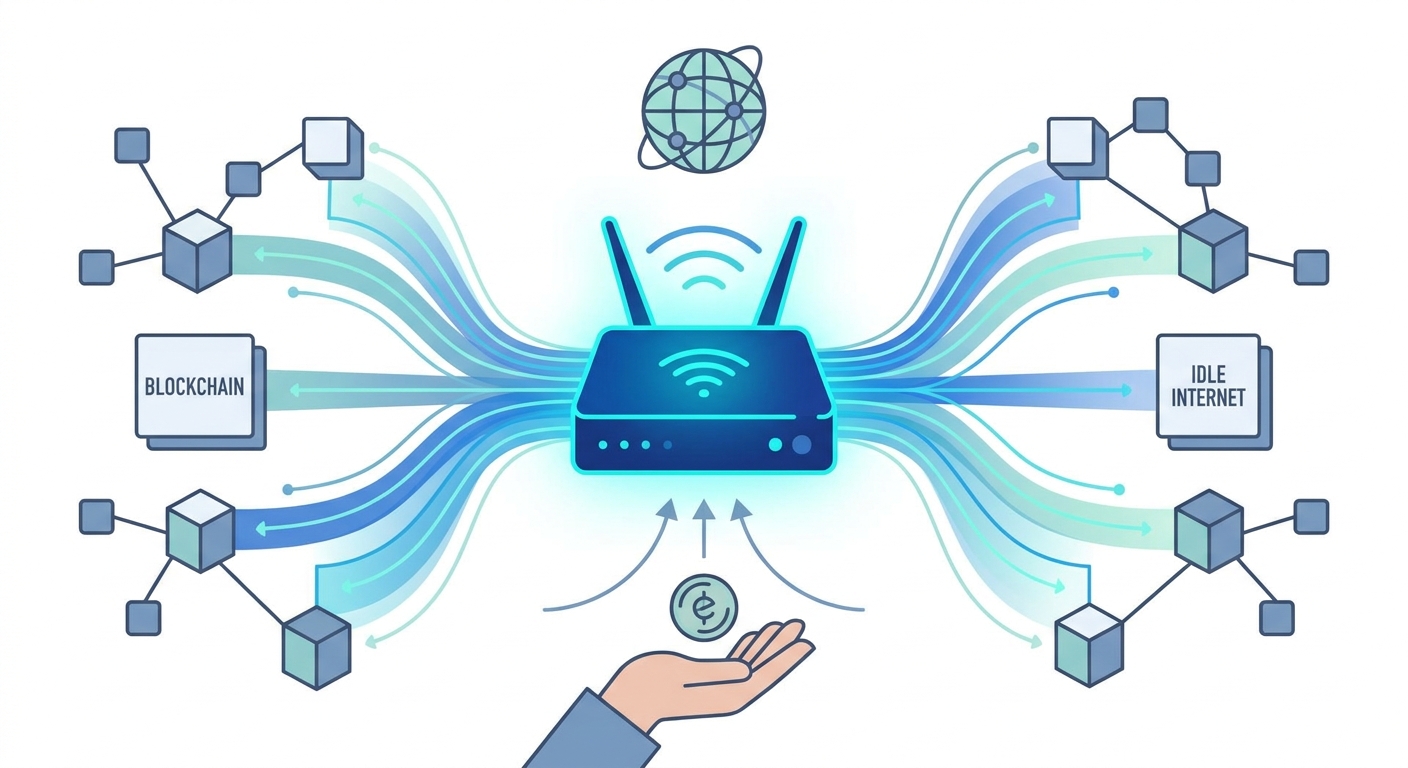
Setting up a decentralized VPN (dVPN) node is the closest thing a regular person can get to becoming their own ISP. You’re essentially turning that dusty, idle hardware in your closet into a global relay point. It’s the "Airbnb for Bandwidth"—a setup where you monetize your connection while giving others a way to bypass heavy-handed censorship.
Forget the traditional corporate VPNs that hide behind black-box servers and "trust me" policies. dVPNs run on open, verifiable protocols. It’s a different beast entirely. Here is the technical reality of deploying your own node in the 2026 landscape.
Why Is Everyone Moving Toward Decentralized VPNs (dVPNs)?
The internet is fracturing, and the big-name privacy providers have become massive honey pots for data collection. One breach, one subpoena, and your privacy is gone. The migration to dVPNs is a shift from "trust us" to "verify the code." You’re routing traffic through a distributed network of independent operators, not a corporate data center. If you want to get into the weeds of how this ecosystem actually functions, my 2026 Guide to Node-Based VPN Services breaks down how these reward structures are fundamentally changing the game.
For the operator, the math is simple: you earn passive income just by providing residential IP addresses, which are in high demand. Take a look at DePINscan’s global network map. The infrastructure is moving out of sterile data centers and into home labs across the globe. This isn't just about privacy—it's about reclaiming the utility of the bandwidth you’re already paying for.
What Hardware and Prerequisites Do You Need?
Efficiency is everything. If you’re running a node 24/7, you don’t want a rack server that eats electricity like it’s going out of style. A Raspberry Pi 5 is the gold standard here. It’s low-power, rock-solid, and gets the job done. If you’re planning to handle high-traffic bursts, a compact Mini PC (think Intel NUC or a refurbished ThinkCentre) gives you the extra headroom you’ll need.
| Hardware Profile | Ideal Use Case | Specs | Power Draw |
|---|---|---|---|
| Budget/Low Power | Residential light traffic | Raspberry Pi 5 (8GB) | 5-10W |
| Performance/High Traffic | Commercial/High speed | Mini PC (i5/16GB RAM) | 25-40W |
Before you buy anything, understand the "collateral" aspect. Most protocols require you to stake tokens as a bond. Think of it as a security deposit. If your node acts up or goes offline constantly, you risk losing a piece of that stake. It keeps everyone honest. You’ll also need a solid grip on Linux (Ubuntu 22.04 or Debian 12) and Docker. Everything today runs in containers; if you don’t know Docker, now is the time to learn.
How Do You Prepare Your Environment for a dVPN Node?
Before we touch the node software, we need to harden the machine. You’re exposing a port to the public internet—don't make it easy for hackers.
- Lock down the OS: Run
sudo apt update && sudo apt upgrade -y. Seriously, don't skip this. Disable root login over SSH, use key-based authentication, and useufwto shut down every port except the ones your node absolutely needs. - Install Docker: Keep it simple. Use the official convenience script:
curl -fsSL https://get.docker.com -o get-docker.sh && sh get-docker.sh. It handles the orchestration engine you need without the headache of manual builds. - Wallet Setup: Use a non-custodial wallet. Keep that seed phrase offline—not on your phone, not in a note app. This wallet address is your identity on the blockchain. It’s where your earnings land.
How Do You Configure the dVPN Node Software?
Environment ready? Good. Most protocols, like the ones outlined in the Sentinel Official Documentation, rely on CLI commands to register your identity.
Pricing your bandwidth is an art. Too high, and nobody picks your node. Too low, and you’re just donating electricity to the network. You’ll usually run a command looking something like this:
sentinel-node-cli config set-node --price 1000udvpn --bandwidth 100GB --location "US-East"
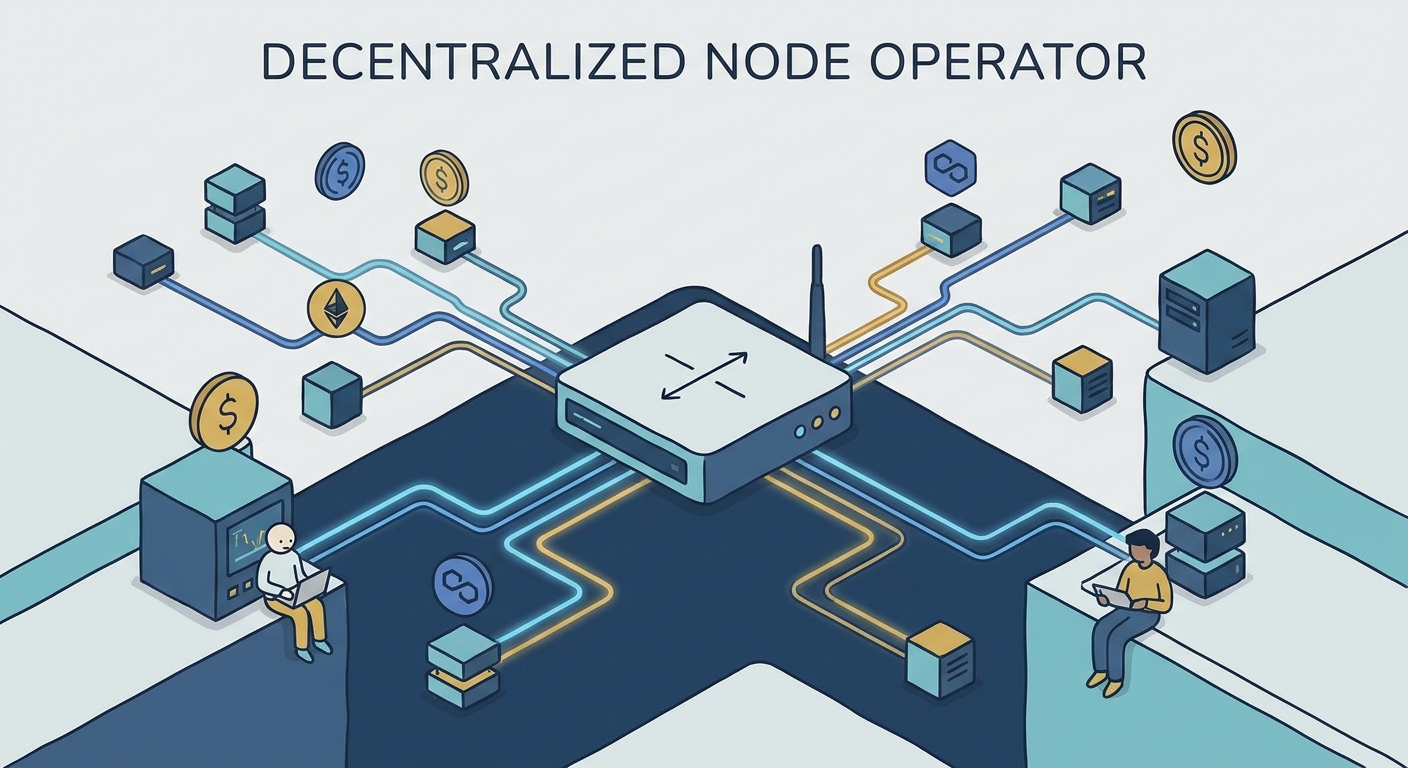
This pushes your node to the chain. Here is the basic flow of how your traffic moves:
Your node is the bridge. The user hits you, you encrypt their traffic, mask their IP, and the blockchain settles the micro-payment. It’s clean, efficient, and entirely automated.
How Do You Optimize for "Node Reputation" and Higher Earnings?
In 2026, uptime is your paycheck. If your node is jittery or offline, your "Node Reputation" score tanks. The network will simply stop sending you traffic. Keep an eye on current dVPN market data on CoinGecko to see how competitors are pricing things.
Don't just set it and forget it. If there’s a spike in demand for European exit nodes, move your price. This is a business, not a hobby.
How Can You Secure Your Home Network While Running a Node?
Never, ever run a node on the same network segment as your personal banking laptop. If you have a managed router, put your node in a DMZ or on a separate VLAN. If someone probes your node, you want them trapped in a sandbox, away from your NAS and your personal files.
For a deeper dive into hardening, check out my previous article: How to Set Up a Sentinel dVPN Node.
How Do You Monitor Performance and Troubleshoot?
Logs are your best friend. If the money stops flowing, run docker logs -f [container_name]. Usually, it’s a handshake error or a connectivity drop.
The network is constantly running health checks on you. If you fail these, you don't just lose traffic; you risk getting slashed.
Set up alerts! Use a tool like Uptime Kuma. If your heartbeat fails, you want to know before the protocol decides you’re unreliable and penalizes your collateral.
Frequently Asked Questions
Can I run a dVPN node on my home Wi-Fi?
Technically yes, but don't. Wi-Fi is unstable. You’ll have latency spikes, you’ll lose your reputation, and you’ll lose money. Use Ethernet. Always.
How much crypto can I realistically earn per month?
It depends on where you live and how much bandwidth you can offer. This isn't a "get rich quick" scheme. It’s a way to offset your ISP bill and support a project you actually care about.
Is it illegal to host a dVPN node if a user does something illicit?
Most dVPN protocols are designed to be "exit-node agnostic," but check your local laws regarding "intermediary liability." Generally, it’s like running a public coffee shop Wi-Fi, but you should always do your own homework.
Does running a node affect my personal internet speed?
Yes, you’re sharing your pipe. Use Quality of Service (QoS) settings on your router to make sure your Netflix streaming or work calls take priority over the node traffic.