How to Earn Crypto Rewards by Becoming a Decentralized VPN Node Operator
TL;DR
- ✓ Learn how to monetize unused internet bandwidth by running a decentralized VPN node.
- ✓ Understand the role of DePIN in building a censorship-resistant internet infrastructure.
- ✓ Discover why professional VPS setups outperform home hardware for maximizing node rewards.
- ✓ Explore the economics of bandwidth mining and how location impacts your crypto earnings.
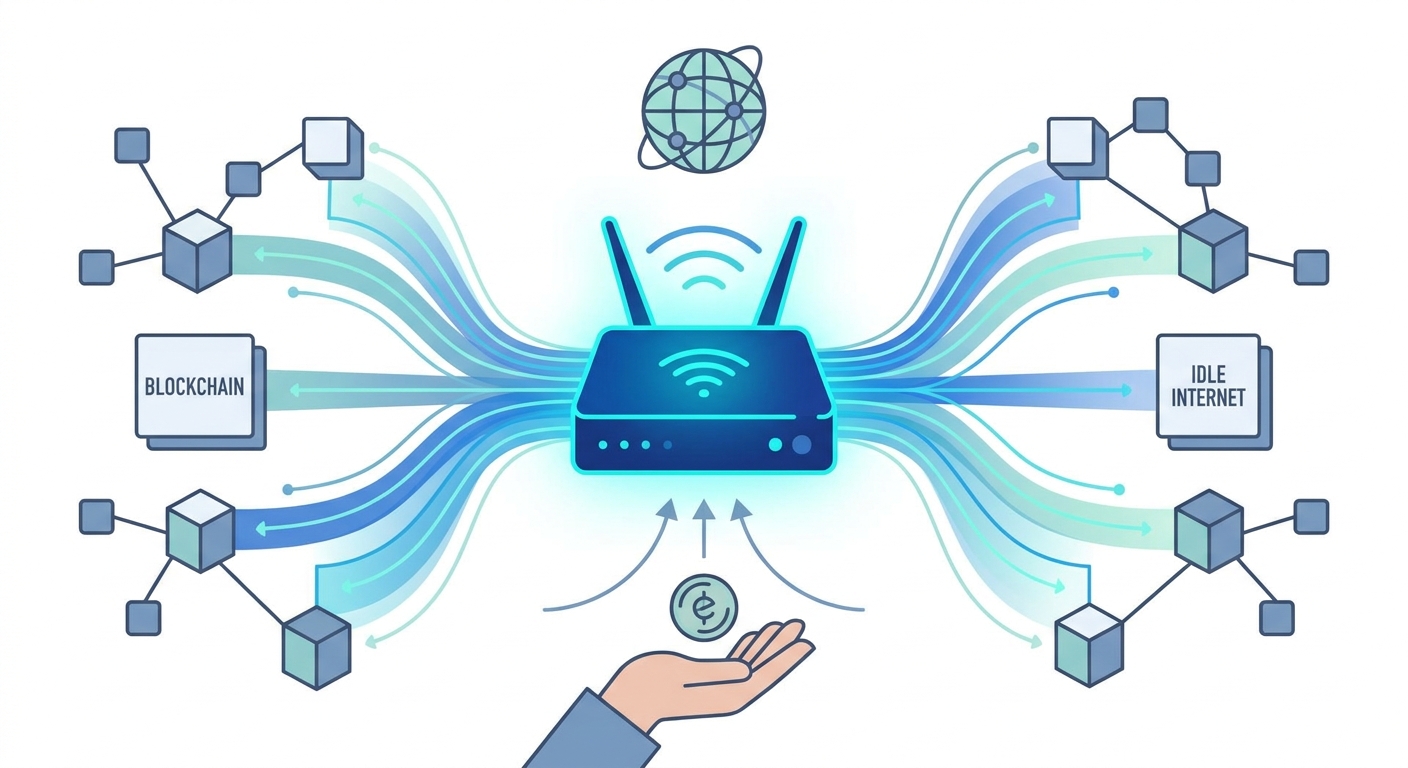
Want to turn your unused internet bandwidth into a steady stream of crypto? That’s the promise of dVPN—decentralized virtual private networking. Instead of paying a massive corporation to hide your browsing habits, you’re essentially acting as a "digital landlord." You rent out your network capacity to people across the globe who need a private, censorship-resistant tunnel to the web.
You’re participating in what the industry calls DePIN—Decentralized Physical Infrastructure Networks. As MoonPay explains here, this is about moving real-world infrastructure onto the blockchain. By running a node, you stop being just another user and start becoming a vital piece of the Web3 backbone. You get paid in tokens—not for mining blocks with raw compute power, but for providing real, usable bandwidth.
The Death of the Centralized VPN
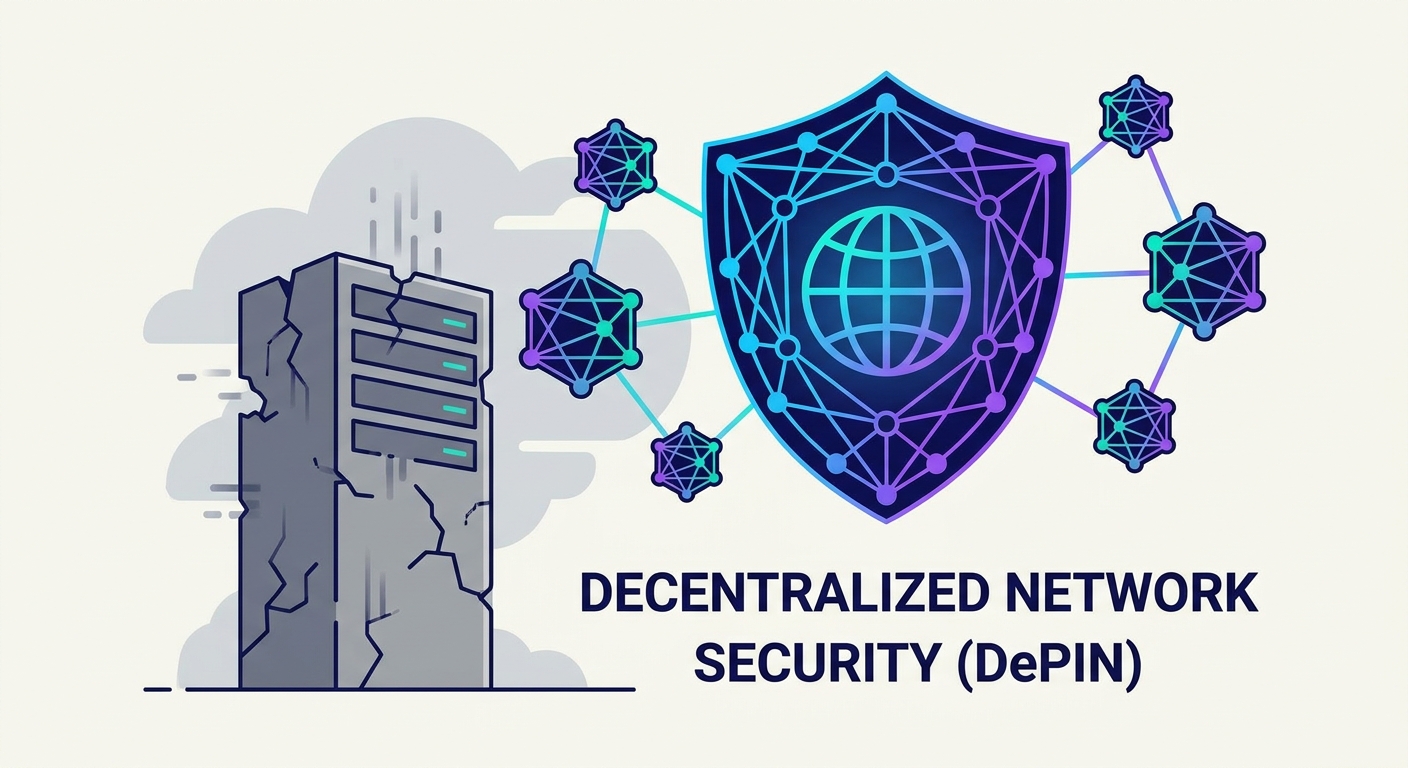
For years, the VPN market has been a racket. Massive companies promise "total privacy" while acting as a single point of failure. If they get subpoenaed, hacked, or decide to sell your data to the highest bidder, you’re toast.
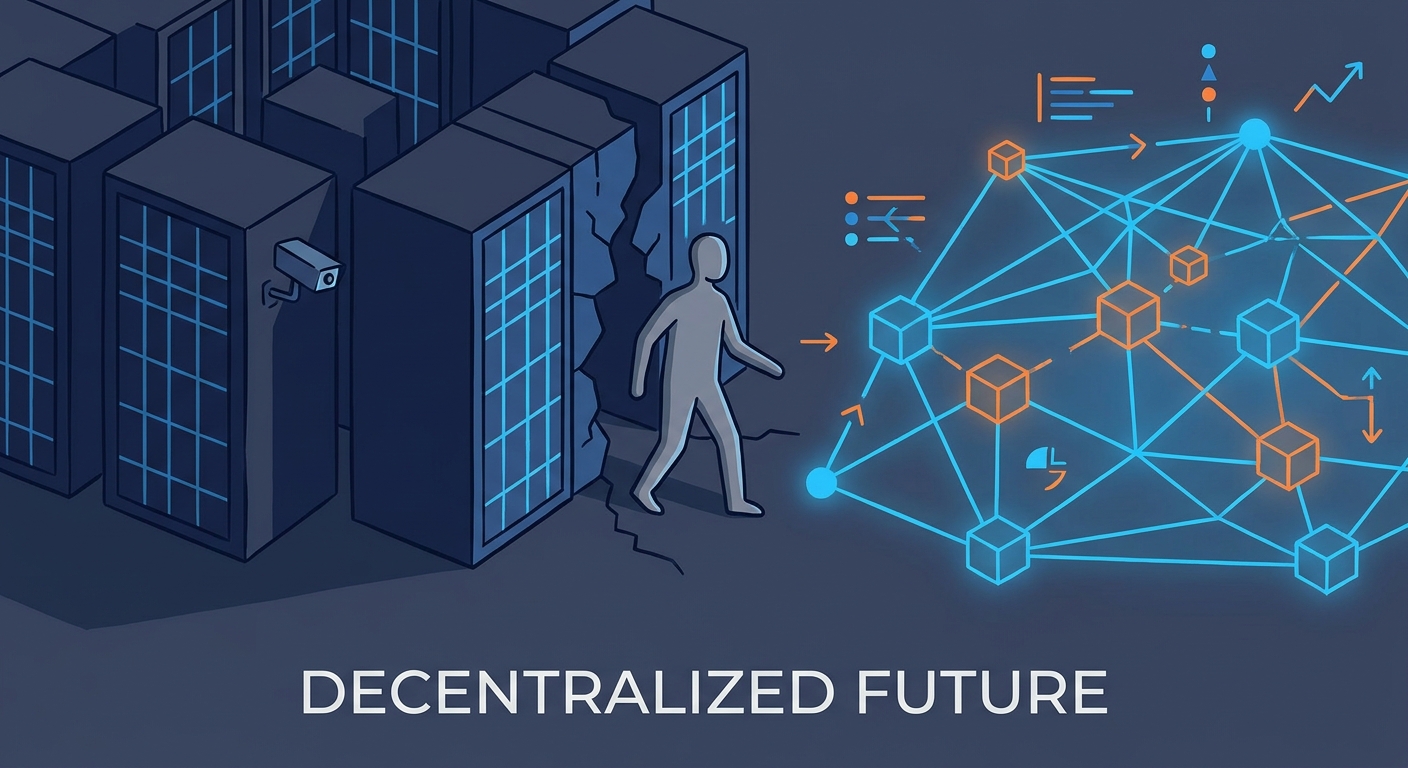
The move toward dVPN isn't just a trend; it's a necessary correction. When you run a node, you’re helping build an internet that can’t be flicked off by a single CEO or a government agency. You’re trading a "trusted third party" model for a "trustless" architecture. It’s the democratization of connectivity. Bandwidth is a commodity, and by hosting a node, you’re the bridge for people who desperately need access to the open web.
Why Transition from "Hobbyist" to "Professional" Node Operator?
Let’s be real: running a node on a dusty Raspberry Pi in your closet is a recipe for failure. If you want to actually earn, you need to stop playing around and treat your node like a business.
Home hosting is a nightmare. Your ISP will throttle your connection. Your dynamic IP address will reset at 3 AM, killing your uptime. And frankly, running an exit node from your home IP is a massive privacy headache for your own household traffic.
Professional operators use Virtual Private Servers (VPS) in Tier-1 data centers. Why? Because in this game, 99.9% uptime is the baseline. If your node goes dark, you aren't earning. It’s that simple.
How Does the Economics of Bandwidth Mining Actually Work?
Bandwidth mining isn't a salary; it’s a high-performance market. Your earnings depend entirely on the "Bandwidth Market," and your location is your most valuable asset.
If your node sits in a region with heavy censorship or limited access to global content, your bandwidth is gold. This is geographic demand arbitrage. Users in restricted zones are constantly hunting for exit nodes that provide a clean, fast path to the rest of the world. You can track this traffic using DePINScan. Use it to figure out where to deploy your next node. Just remember: rewards are volatile. They bounce around based on user traffic, the token price, and how many other nodes are fighting for scraps in your region.
Setting Up Your Infrastructure: The Technical Roadmap
Don't go for the cheapest VPS you can find. Look for providers with high-speed, low-latency backbones. Once you’ve got your server, lock it down. You’re essentially opening a door to the internet, and bad actors are constantly scanning for open ports.
First, kill password logins. Use SSH keys only. Configure your UFW (Uncomplicated Firewall) to block everything except the specific ports your dVPN protocol needs. And here’s a golden rule: never mix your validator functions with your exit node traffic. Keep your security separate. If an attacker compromises your exit node, you don't want them anywhere near your staked assets.
For a hands-on walkthrough, check out this guide on how to set up a Sentinel dVPN node. And always keep the Sentinel dVPN official documentation bookmarked. It’s your Bible.
Maximizing Your Yield: Optimization Strategies
If you aren't watching your node’s health, you’re losing money. Downtime penalties will eat your profit margins in a heartbeat. Use automated alerts to notify you if latency spikes or your node drops off the network.
Think strategically about location. If a region is flooded with nodes, your rewards will be diluted. Look for "underserved" zones using network maps. Also, stay updated. Most modern dVPN protocols run in Docker containers—learn how to perform rolling updates so you can patch your node without killing active user sessions.
What are the Risks and Realities of Being an Exit Node?
Being an exit node means traffic flows through you to the internet. This carries real weight. While providing bandwidth is generally viewed as a neutral utility, you are the final contact point.
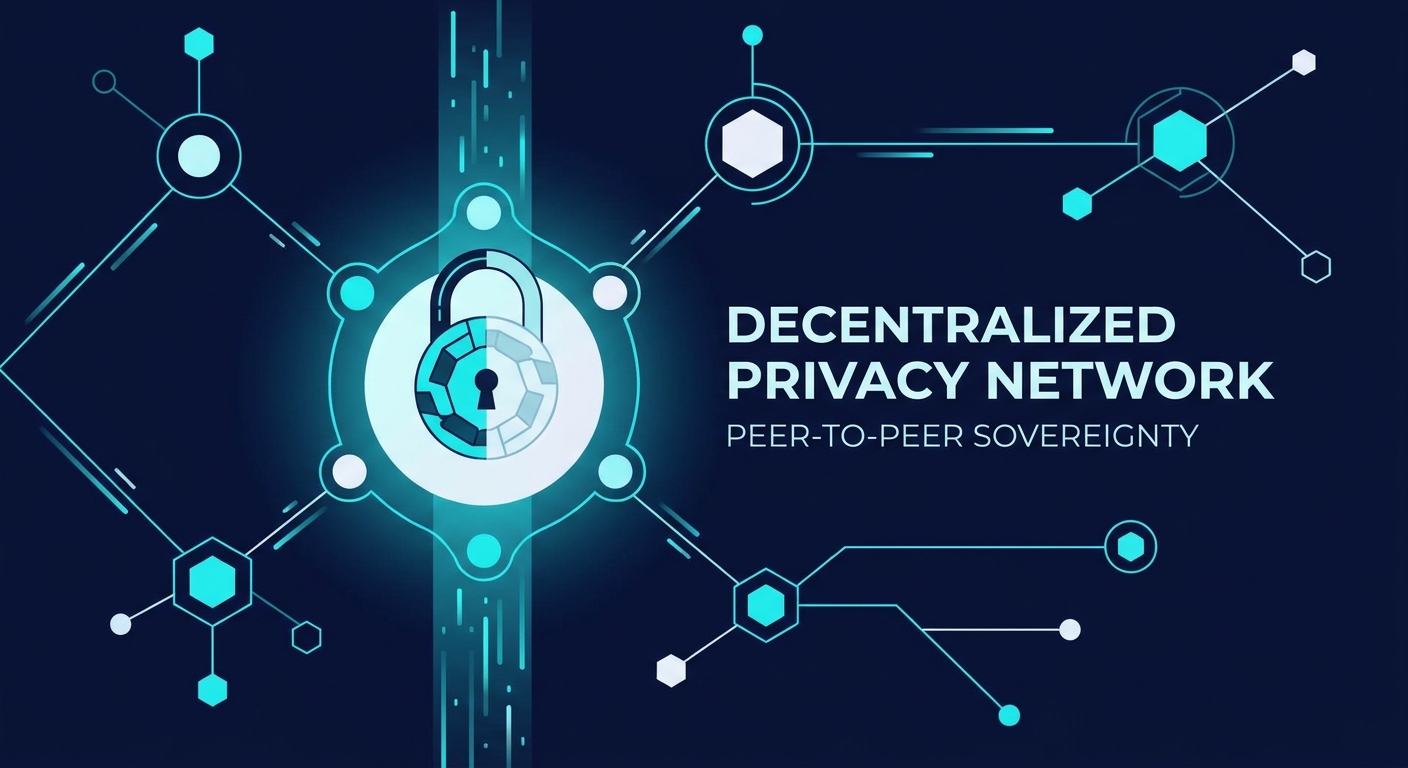
The biggest technical threat is "slashing." If your node is caught doing something malicious—like participating in a DDoS attack—the network might burn a chunk of your staked tokens. This is why understanding decentralized privacy matters. It’s not just theory; it’s how you keep your stake safe. Know what your node is doing.
The ROI Reality Check: Is It Worth the Effort?
Treat your node as a long-term infrastructure play, not a get-rich-quick scheme. Run the numbers: subtract your monthly VPS costs from your average rewards. If you’re clearing less than you spend, you need to either move your server to a higher-demand region or scale up your capacity.
By 2026, the tax man is going to be watching DePIN closely. Keep clean records of your earnings and expenses. If you run this like a business, the returns can be solid. If you treat it like a "set it and forget it" hobby, you’ll likely end up paying for a VPS you don't use while your node sits idle.
Frequently Asked Questions
Can I run a dVPN node from my home computer?
Technically, yes. Practically? No. ISP throttling, dynamic IPs, and security risks make it a bad choice. Professional VPS hosting is the standard for anyone serious about earnings.
Is running a dVPN node legal?
In most places, providing bandwidth is a legal utility. However, since you are an exit node, you act as the gateway for traffic. Check your local laws and understand the implications of the traffic passing through your IP.
How much can I realistically earn?
It’s highly variable. It depends on network demand, your node's performance, and the current price of the token. It’s a variable-yield investment, not a fixed paycheck.
Does my node location affect my rewards?
Absolutely. Nodes in regions with heavy censorship or restricted internet access usually see much higher demand, which generally leads to better traffic flow and higher rewards.
What is the biggest risk for a node operator?
Downtime is the silent killer of profits. Beyond that, the risk of "slashing"—where your staked tokens are burned because your node was flagged for malicious activity or poor performance—is the main threat. Always prioritize security hardening.