The 7 Best Bandwidth Sharing Apps to Monetize Your Internet Connection (2026 Guide)
TL;DR
- ✓ Turn your idle home internet into a recurring passive income stream.
- ✓ Use DePIN technology to securely share bandwidth through decentralized global networks.
- ✓ Benefit from zero-knowledge proofs that ensure your privacy and data security.
- ✓ Monetize your connection by acting as a verified node for enterprise clients.
Let’s be real: your home internet is just sitting there. You pay for it every month, but for a huge chunk of the day, you aren’t even using a fraction of that speed.
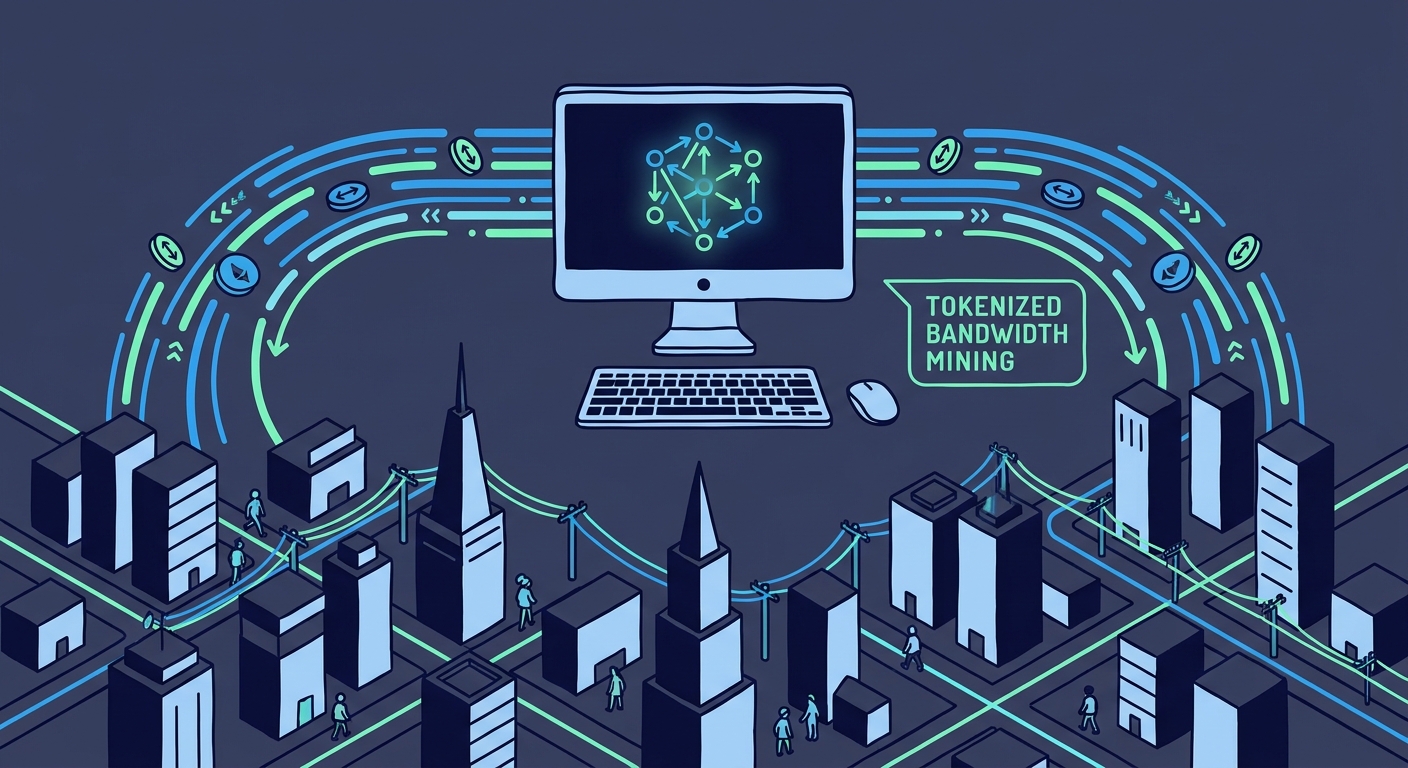
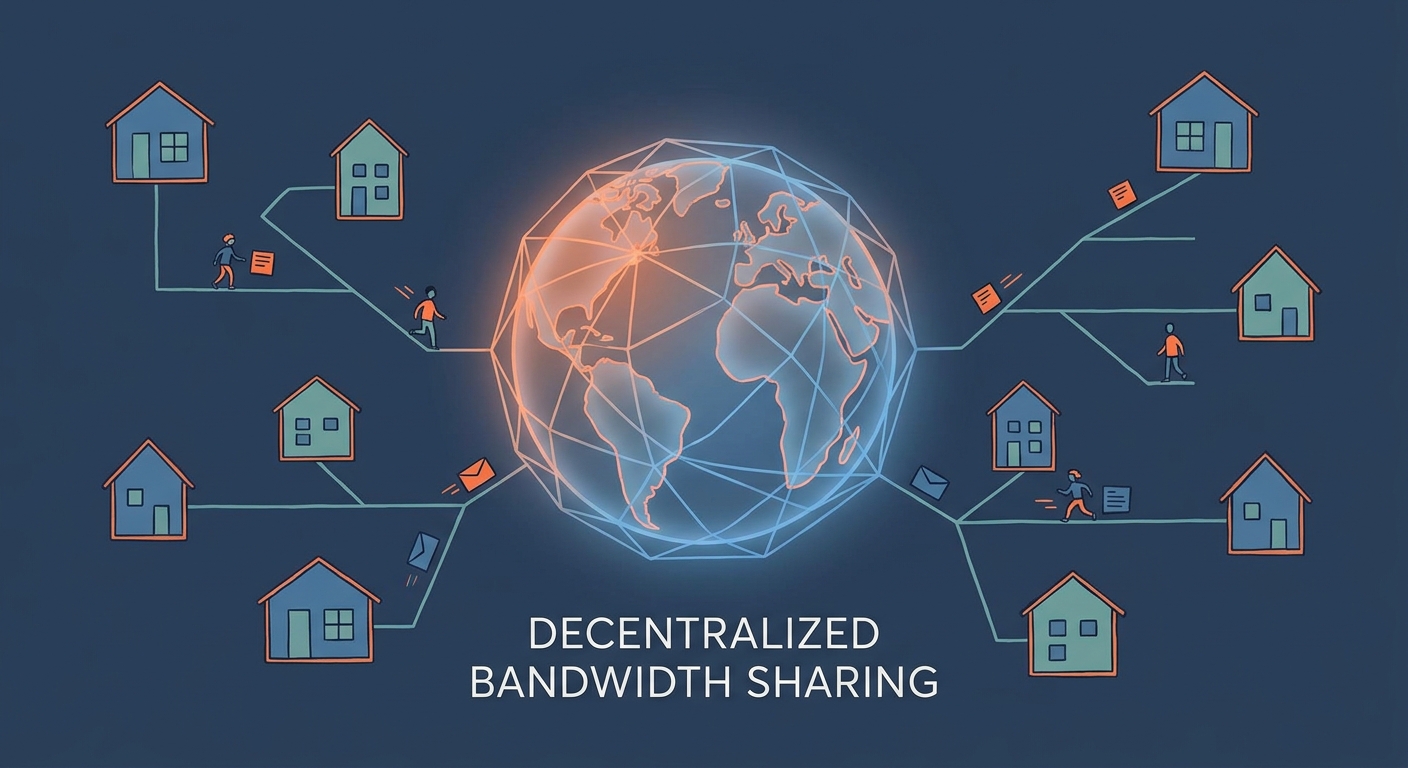
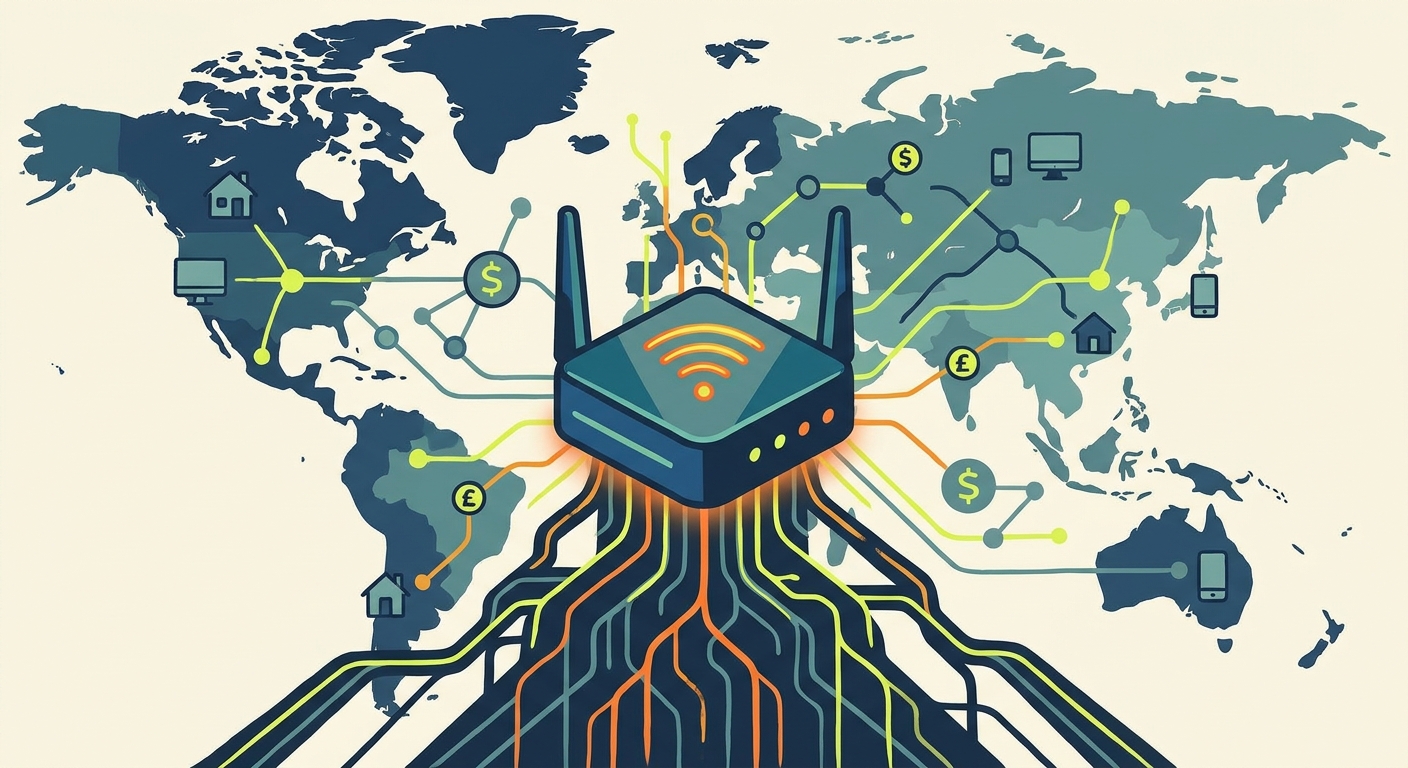
Back in the day, that was just how it worked. But in 2026, your connection has become a digital asset. By plugging into decentralized networks, you’re moving from a passive consumer to a vital node in a global, privacy-focused infrastructure. We aren't talking about "get-rich-quick" schemes here. This is about the DePIN (Decentralized Physical Infrastructure Networks) ecosystem. It’s matured, it’s stable, and it’s a legitimate way to turn idle bandwidth into a recurring, institutional-grade revenue stream. Want the technical breakdown? Check out this DePIN sector overview to see how the money actually flows.
Why Is Everyone Turning Their Internet Into a Revenue Stream?
The "proxyware" era of the early 2020s was messy. It was the Wild West. Today? It’s different. We’re in the age of decentralized networks that prioritize security, transparency, and real-time payouts.
When you run a node, you’re basically acting as a traffic controller for researchers, developers, and people who value their privacy. You’re routing data, but you’re doing it securely. The big shift in 2026 is the adoption of zero-knowledge proofs. In plain English? You can prove you’re doing the work without ever actually seeing or exposing the data passing through your connection. It’s architecturally sound, it’s private, and frankly, it’s the smarter way to use the internet.
The DePIN Shift: Why Your Connection Matters
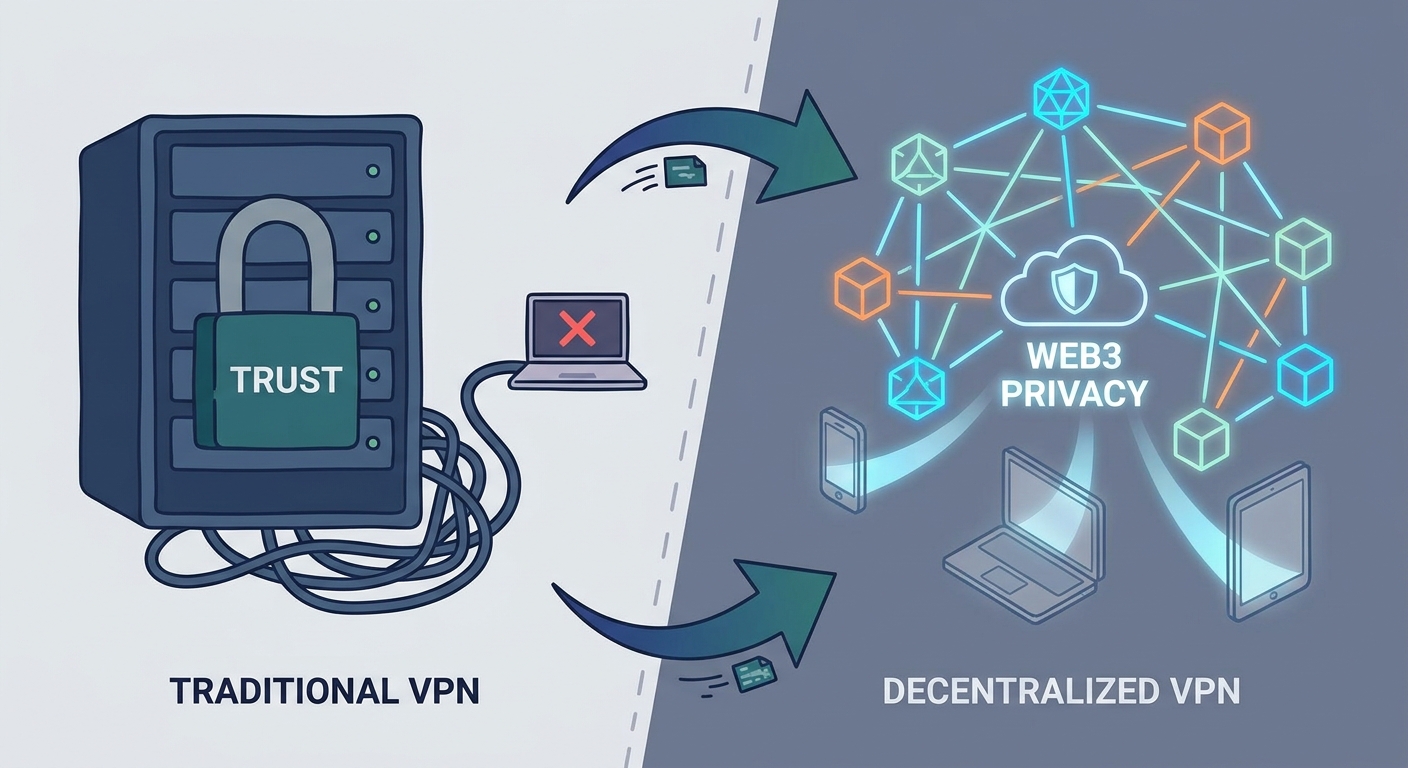
Traditional VPNs are, well, a bit of a leap of faith. You pay a company, and you trust them not to look at your logs. But in the DePIN model, that trust is decentralized. Your device becomes a single relay point in a massive global mesh. Because the data is encrypted and partitioned into tiny, unreadable fragments, the network itself can’t peek at what’s moving through your pipes.
Privacy First: How It Actually Works
The gold standard today is the zero-knowledge (ZK) proof. Before, you had to take a company’s "no-logs" policy at face value. Today, the math does the talking. These proofs verify that your node is providing the bandwidth you promised, without you ever needing to know what the traffic is or who it belongs to. If you’re the type who likes to keep your local machine locked down tight, it’s always worth brushing up on privacy & security tips just to ensure your setup is bulletproof.
The 7 Best Bandwidth Sharing Apps for 2026
1. Honeygain (The "Set It and Forget It" King)
Honeygain is the comfortable armchair of the bandwidth world. It’s been around, it’s stable, and it’s incredibly easy to use. It’s the go-to for residential IP stability, which enterprise clients love for market research.
- Pros: Almost zero effort, super stable, and a track record of paying out on time.
- Cons: Your earnings depend on how much demand there is in your specific corner of the world.
- Best For: People who want to earn without tinkering.
- Technical Verdict: A reliable, consumer-grade app that offers consistent, if modest, returns.
2. Grass (The AI-Driven Contender)
Grass is shaking things up by focusing on the AI market. By installing a browser extension or a desktop node, you’re feeding bandwidth to AI models that need to scrape the web.
- Pros: Huge growth potential tied to the AI boom; the dashboard is actually intuitive.
- Cons: You need to keep your browser running; token prices can be a rollercoaster.
- Best For: The Web3-curious who want a piece of the AI pie.
- Technical Verdict: A high-performance, forward-thinking project that pays out in governance tokens.
3. Mysterium Network (For the Hardware Geeks)
Mysterium is a true dVPN. You aren’t just running an app; you’re running a node. You can stick this on a Raspberry Pi or even a compatible router, which means your PC doesn't have to be on 24/7.
- Pros: Proper decentralization; hardware support; high-tier privacy.
- Cons: You’ll need to spend a little time getting the hardware set up.
- Best For: Privacy enthusiasts who don't mind a little DIY.
- Technical Verdict: The gold standard for those who want a "set it and forget it" hardware-based contribution.
4. Pawns.app (The Speed Demon)
If you’ve got fiber-optic internet, Pawns.app is designed to make that speed work for you. It focuses on high-speed data routing for clients who hate latency.
- Pros: Clean, snappy UI; fast payouts; lets you run multiple devices on one IP.
- Cons: It can eat up resources if your internet speed is on the slower side.
- Best For: Anyone with a high-speed, reliable home connection.
- Technical Verdict: A high-throughput platform that respects your bandwidth capacity.
5. EarnApp (Simplicity Personified)
EarnApp is the "it just works" option. There’s no guessing game here; the dashboard is incredibly transparent about what you’re earning and how it’s being used.
- Pros: Very clear monitoring; real-time earnings tracking.
- Cons: You might earn a bit less than you would on the more complex DePIN nodes.
- Best For: Beginners who are intimidated by the Web3 learning curve.
- Technical Verdict: The most user-friendly entry point for anyone new to the space.
6. IPRoyal Pawns (The Quality Specialist)
IPRoyal is all about IP quality. They want premium residential connections, and they pay accordingly.
- Pros: Professional-grade security; great customer support.
- Cons: They’re picky about which IPs get in.
- Best For: Users with clean, static residential IPs.
- Technical Verdict: A professional platform that caters to enterprise clients who demand top-tier, verified traffic.
7. PacketStream (The Reliable Veteran)
PacketStream has been in the game for a long time. It’s cross-platform, it’s robust, and it’ll run on just about anything you’ve got in the house.
- Pros: Extremely reliable; works on older hardware; mature ecosystem.
- Cons: It’s not as "flashy" as the newer, token-heavy competitors.
- Best For: People with a mix of old and new devices.
- Technical Verdict: A battle-tested platform that favors stability and uptime over hype.
What Can You Realistically Expect to Earn?
Let's keep it 100: this isn’t a salary. It’s "coffee money." Think of it as a way to shave a few dollars off your monthly ISP bill. Your earnings depend on three things: where you live (US/EU IPs pay more), how long you stay online (uptime is king), and the quality of your IP (residential is always better than data center). For a deep dive into the numbers, check out this Proxyware research to see how it usually breaks down.
ISP Terms of Service: A Quick Reality Check
Most ISPs are fine with this, but check your contract for "commercial use" clauses. The best way to play it safe? Make sure you have an "Unlimited" data plan so you aren't hit with overage fees. Stick to the reputable networks on this list—they vet their clients, which means you’re much less likely to deal with the kind of sketchy traffic that gets you flagged.
Getting Started: The 5-Minute Setup
- Check your plan: Do you have unlimited data? Good.
- Pick your lane: Choose a platform from the list above that fits your hardware.
- Install: Download the official client or extension.
- Register: Use a secure, dedicated email address.
- Verify: Log in and make sure your node shows as "Active." If you’re wondering exactly how this fits into the bigger picture of decentralized tech, take a look at this guide on what is a decentralized VPN?.
Want to Go Deeper?
Bandwidth sharing is just the tip of the iceberg. If you’ve got extra compute power or storage sitting idle, there’s a whole world of DePIN projects out there. If you’re ready to move up to higher-tier infrastructure support, check out a DePIN project tracker to see what else you can contribute to.
Frequently Asked Questions
Is sharing my internet bandwidth legal and safe?
Yes, as long as you’re using reputable platforms. They use encryption and ZK-proofs to keep your data private and ensure you aren't responsible for the traffic moving through your node.
How much can I realistically earn per month?
It depends on your location and uptime. Most residential node operators earn between $5 and $50 a month. It’s a passive subsidy, not a replacement for a 9-to-5.
Does bandwidth sharing affect my ISP's terms of service?
Usually, no. However, some ISPs dislike "commercial" traffic on residential plans. Always check your service agreement and make sure you’re on an unlimited plan to avoid unexpected fees.
What is the difference between a traditional VPN and a dVPN?
A traditional VPN is centralized; you have to trust the company not to log your data. A dVPN is decentralized. No single entity controls the path, and ZK-proofs mathematically guarantee that your privacy is maintained without needing to trust a middleman.