Next-Gen VPN Technology: Why Distributed VPN Nodes Are the New Standard
TL;DR
- ✓ Traditional centralized VPNs simply shift your data from ISPs to corporate server farms.
- ✓ Distributed VPNs use residential mesh networks to eliminate single points of failure.
- ✓ dVPNs function like an Airbnb for bandwidth by leveraging idle peer-to-peer connections.
- ✓ Decentralized infrastructure makes it nearly impossible for state actors to blacklist your traffic.
The era of trusting a centralized VPN provider with your digital life is effectively over. For the better part of a decade, we’ve been sold a lie. We were told that a "No-Logs" policy—usually a glossy marketing promise drafted by a legal team—was a silver bullet for privacy.
It isn’t.
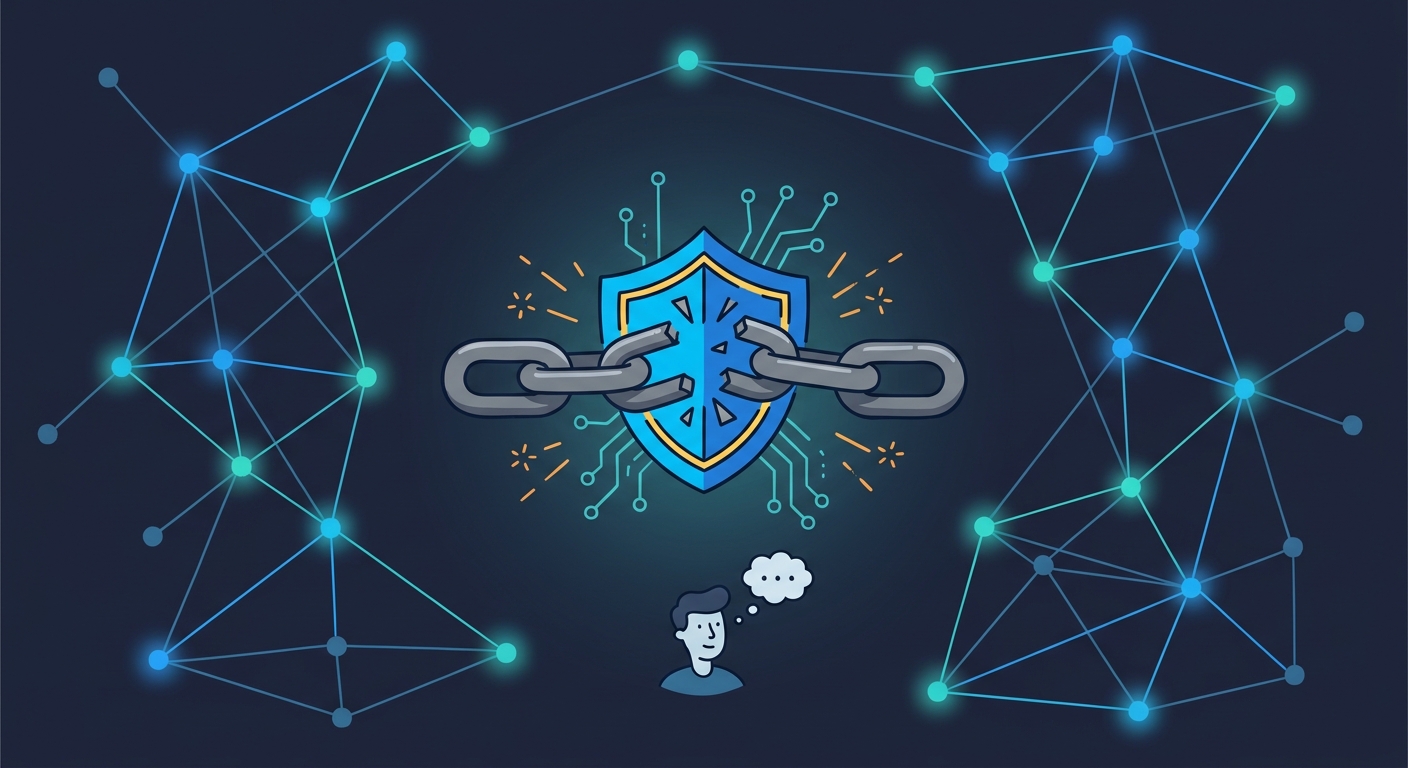
When you use a traditional VPN, you aren't achieving privacy. You are simply shifting your digital footprint from your ISP to a corporate server farm. You’re trading one gatekeeper for another. The real revolution in connectivity has nothing to do with faster servers or rebranding; it’s about abandoning the server-client model entirely in favor of Distributed VPN (dVPN) networks. By leveraging peer-to-peer connections, dVPNs are turning privacy from a corporate service into an immutable, mathematical guarantee.
What Are Distributed VPN Nodes, and Why Do They Matter in 2026?
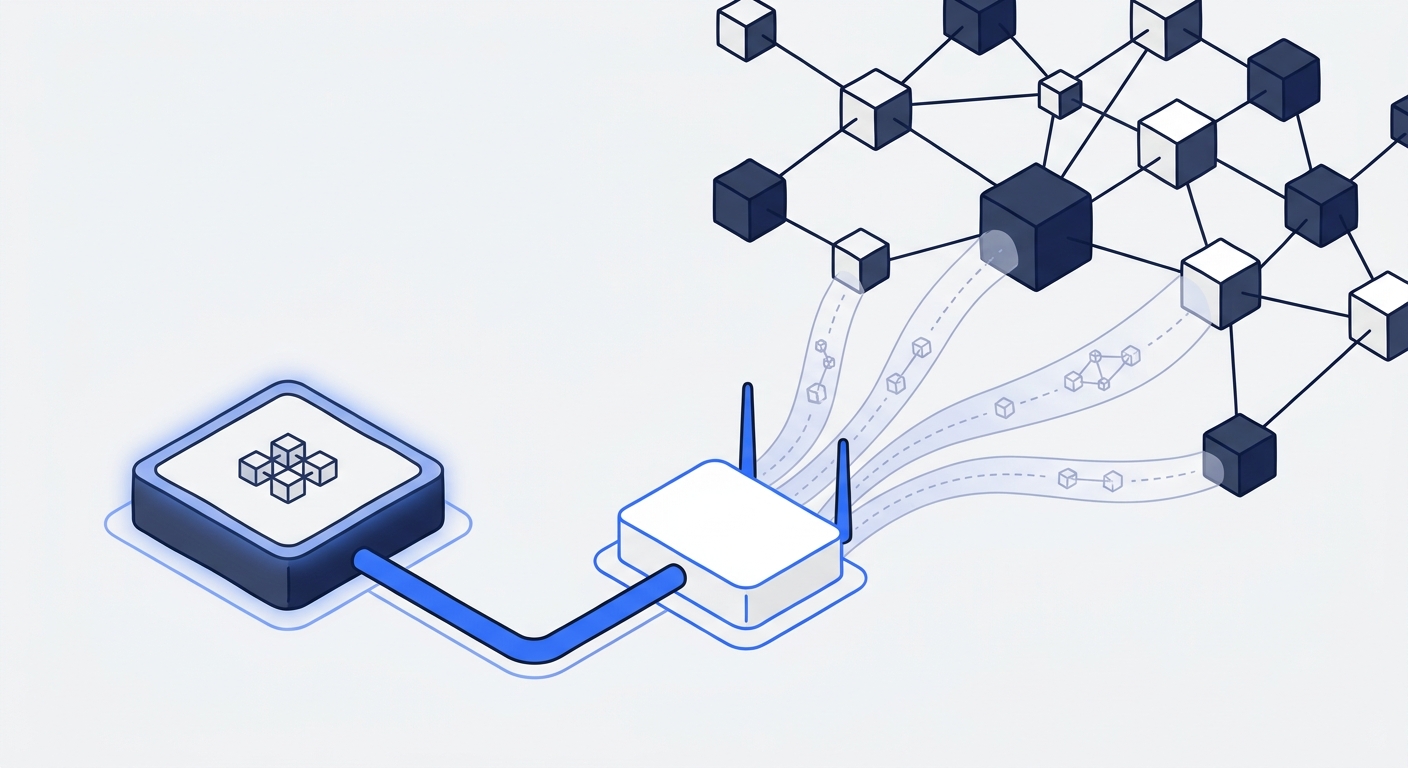
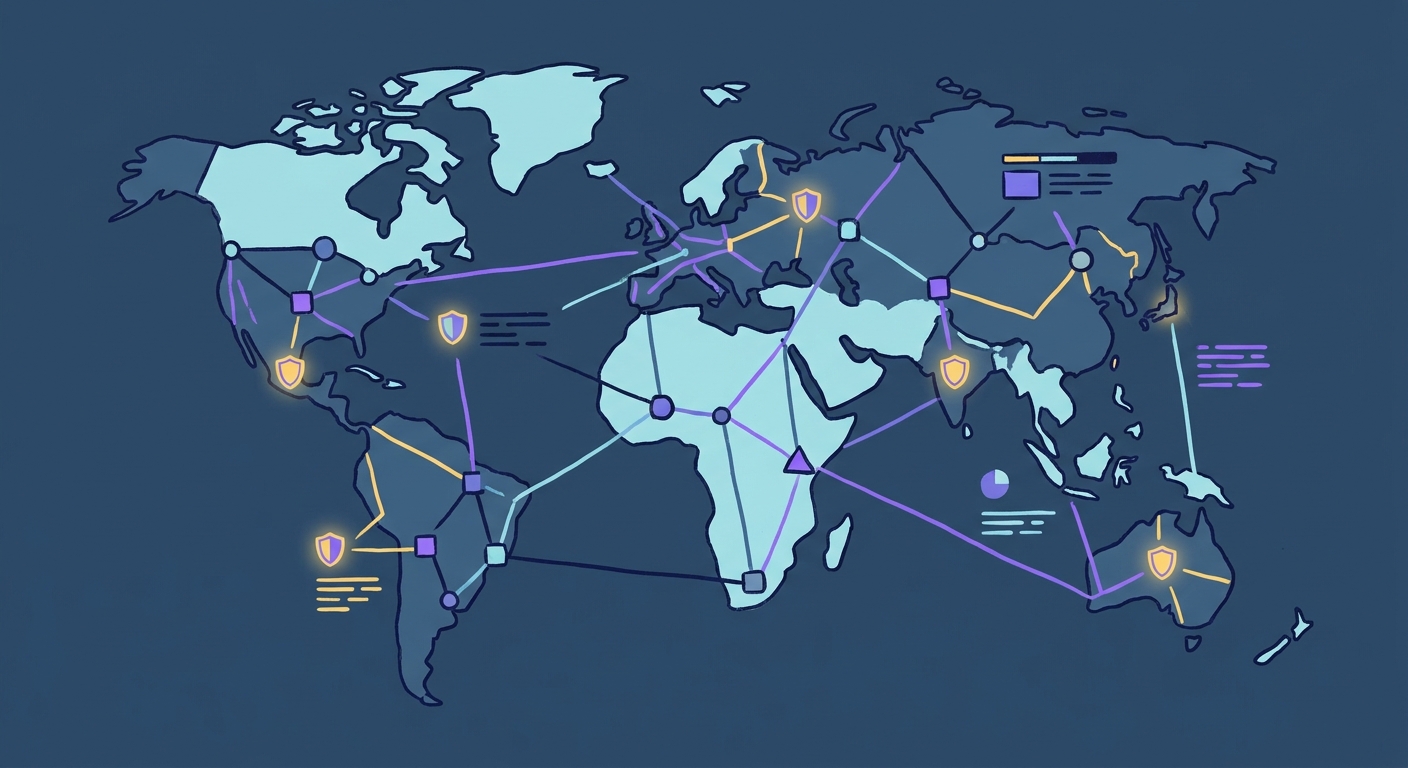
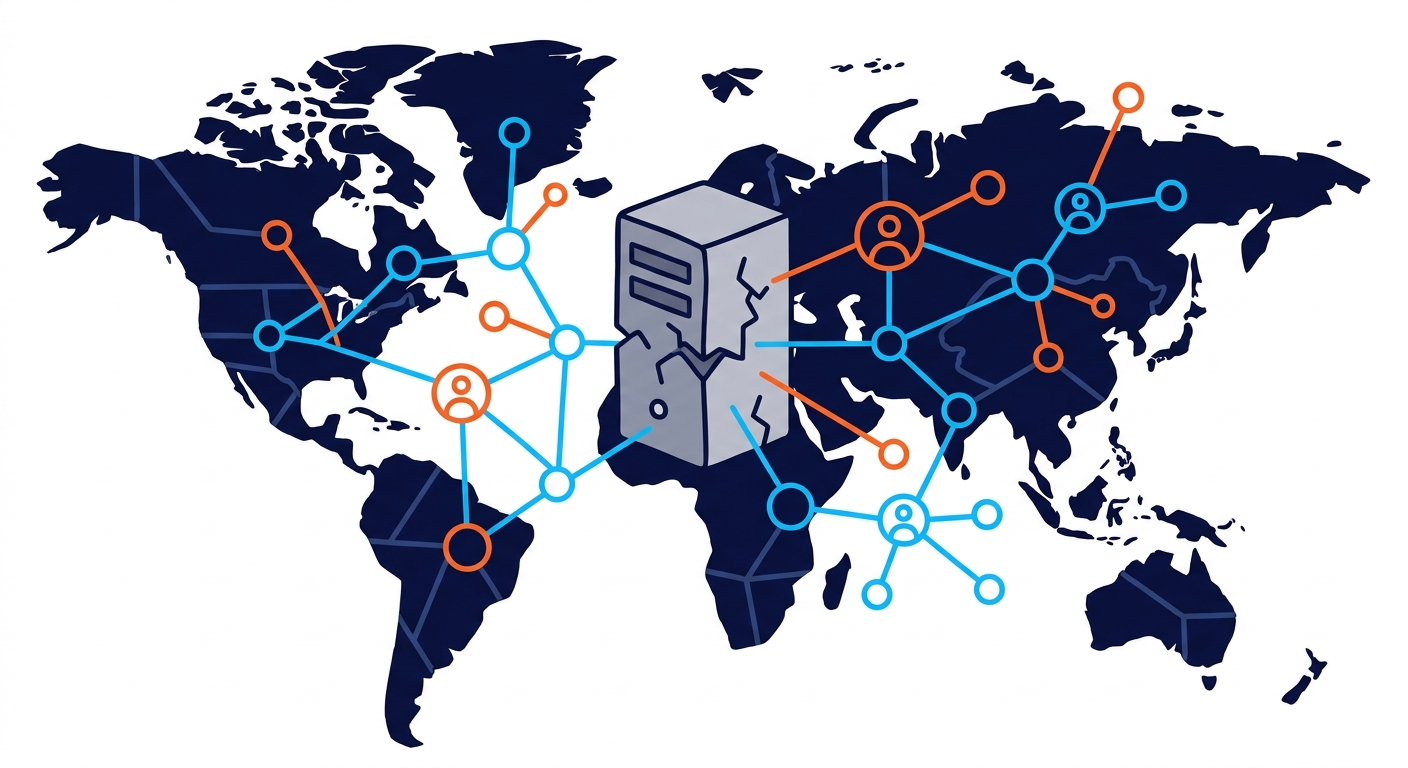
At its core, a dVPN is a mesh. Instead of relying on a centralized data center, it uses residential connections. While your typical VPN provider rents massive server farms in specific jurisdictions, dVPNs use a protocol that allows individual users to act as nodes. When you connect, your traffic isn't routed through a "VPN-branded" IP address that every streaming service or government firewall can flag in seconds. Instead, your data bounces through a series of anonymous, residential connections provided by real people across the globe.
Think of it as the "Airbnb for Bandwidth." Just as Airbnb unlocked the value of empty spare bedrooms, dVPNs unlock the value of idle internet bandwidth. For a deeper look at the mechanics, this guide on what a dVPN is explains how these protocols facilitate secure, peer-to-peer data relay. By decentralizing the entry and exit points of your traffic, you eliminate the single point of failure that has plagued the privacy industry for years.
How Does the Infrastructure Differ? (Centralized vs. Decentralized)
The fundamental weakness of a traditional VPN is its concentrated nature. When a state actor or an aggressive advertiser wants to track or block VPN traffic, they don't need to hunt down millions of users. They just blacklist the IP address ranges of the major VPN providers. It is a game of "Whack-a-Mole" where the VPN provider is always the target.
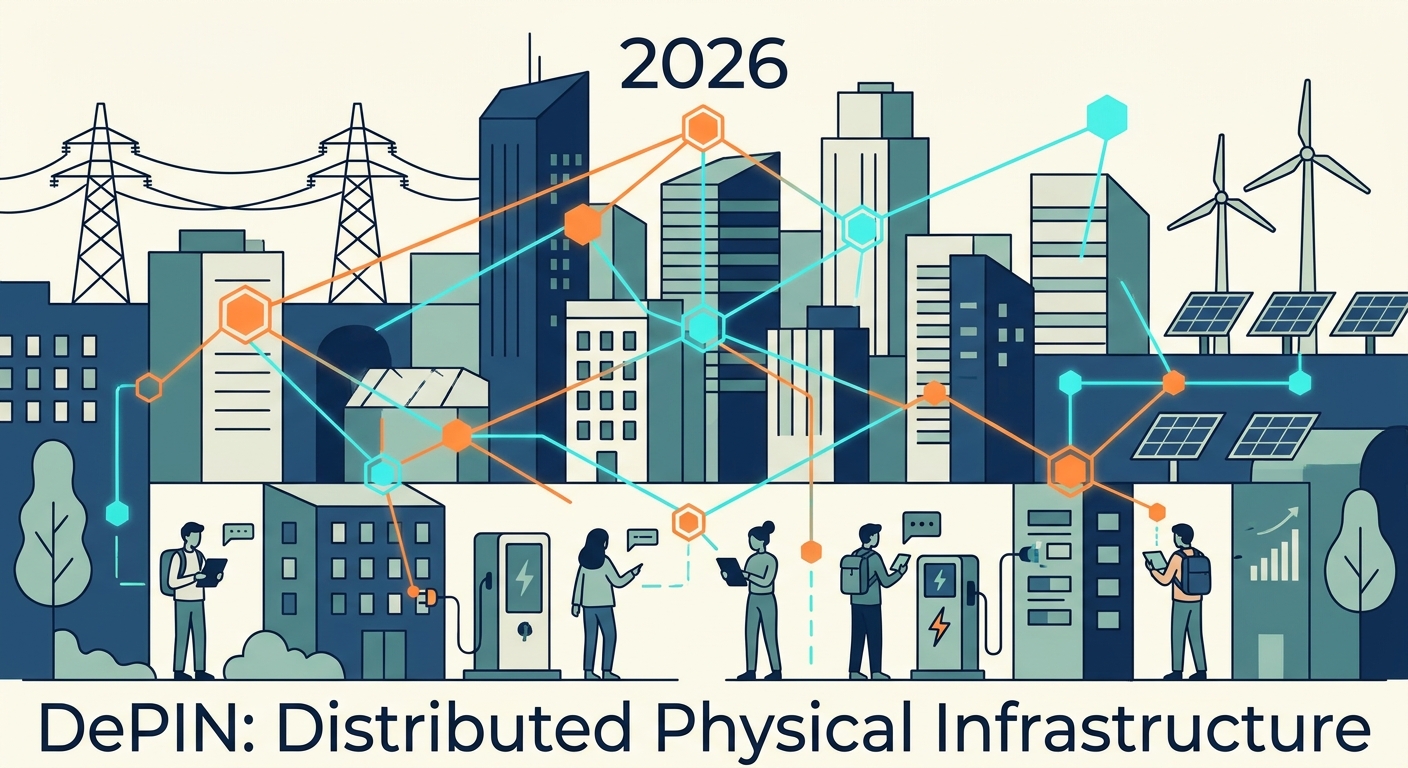
In a decentralized model, the infrastructure is built on DePIN (Decentralized Physical Infrastructure Networks). Instead of a single funnel leading to a data center, your traffic flows through an unpredictable, shifting mesh of residential nodes.
By integrating blockchain as the "trust layer," dVPNs ensure that bandwidth allocation is handled by code, not by a human administrator who could be subpoenaed or coerced. This structural shift moves us from a model of "trust the provider" to "verify the protocol."
Why Are dVPNs the Ultimate Weapon Against Censorship?
Censorship thrives on predictability. If you are in a country with a strict digital firewall, the authorities know exactly what a VPN tunnel looks like and where those packets are heading. Because traditional VPNs rely on static, data-center-grade IP addresses, blocking them is trivial.
dVPNs change the math. Because the nodes are residential, your traffic looks exactly like a standard peer-to-peer connection—the same kind of traffic generated by streaming services or gaming platforms. When you use a dVPN, your traffic is dynamic. If one node is blocked, the protocol automatically routes your request through another. This makes the network nearly impossible to fully blacklist, as the "server" is actually a collection of thousands of independent homes, not a static, identifiable data center.
Debunking the "No-Logs" Myth: Trust vs. Cryptographic Proof
For years, the "No-Logs" promise has been the industry standard for marketing. The problem is that it is fundamentally unverifiable. If a government agency demands logs from a centralized VPN company, how can the user prove they were never kept? You can’t. You are relying entirely on the company’s reputation.
In the world of decentralized infrastructure, we are moving toward "Verifiable Privacy." As noted in this analysis on the future of VPNs, the next generation of privacy technology relies on cryptographic proofs. In a dVPN, the routing of your data is handled by smart contracts. There is no central log to subpoena because there is no central entity that holds the keys. Your privacy is protected by the mathematics of the protocol rather than the legal policy of a corporation.
How Does the Incentive Layer Work? (The Bandwidth Economy)
The growth of dVPNs is fueled by the "Flywheel Effect." By utilizing tokenized incentives, these networks encourage users to contribute their idle bandwidth, which in turn increases the density and speed of the network for everyone else. This is the foundation of the DePIN sector, where physical resources—like internet connections—are tokenized and shared.
The economic sustainability of this model is elegant: users who need privacy pay for bandwidth, and users who have spare capacity are compensated for providing it.
This ensures that the network scales organically. As demand for private, censorship-resistant access grows, the economic incentive for node providers to join rises, leading to a faster, more robust, and more distributed network.
Can You Earn While You Sleep? A Guide to Becoming a Node Provider
Becoming a node provider is no longer a task for sysadmins. The barrier to entry has evaporated. Modern dVPN software is designed for the "set it and forget it" user. If you have a stable internet connection and a computer that stays on, you can contribute to the network and earn passive income.
The technical requirements are minimal—usually just a lightweight application that runs in the background. It doesn't interfere with your day-to-day browsing, and the software handles the encryption and routing automatically. For those ready to move beyond just being a consumer, exploring the current dVPN platforms is the best way to understand how to participate in this new digital economy.
Future-Proofing: Are We Ready for the Post-Quantum Era?
The looming threat of "Harvest Now, Decrypt Later"—where bad actors store encrypted traffic today, hoping to use quantum computers to break it tomorrow—is the elephant in the room for legacy VPNs. Many older protocols are simply not built to withstand this.
The next generation of dVPNs is tackling this head-on. By implementing post-quantum cryptographic standards, these decentralized protocols are securing traffic against future decryption threats. Because decentralized networks are open-source and community-driven, they can iterate and upgrade their security protocols far faster than centralized, proprietary VPN companies that are often burdened by legacy code and slow-moving development cycles.
Conclusion: Digital Sovereignty as the New Standard
We are at a tipping point. The era of corporate-controlled privacy is giving way to user-owned, community-driven infrastructure. The transition to decentralized VPNs is not merely a technical upgrade; it is a fundamental shift toward digital sovereignty. When you move to a dVPN, you stop being a customer of a company that might eventually sell your data or cave under pressure; you become a participant in a protocol that belongs to everyone and no one. In an increasingly surveilled world, the only way to ensure your privacy is to build it yourself—or join a network that does it for you, one node at a time.
Frequently Asked Questions
Is a decentralized VPN actually faster than a traditional VPN?
In many cases, yes. Because dVPNs rely on a global mesh of nodes, you can often connect to a node that is geographically closer to your actual location or the service you are trying to access. Traditional VPNs often force traffic through a congested, distant server farm, which increases latency. Local node density in a dVPN network significantly reduces the "distance" your data needs to travel.
Do I need technical knowledge to run a dVPN node?
Not at all. The latest generation of dVPN applications is built for the average user. Most platforms offer a simple "plug-and-play" experience where you download the software, toggle your node status to "active," and the protocol handles all the complex routing, encryption, and payment settlements in the background.
How do I know my data is safe if it's passing through a stranger's computer?
Your data is protected by mandatory, end-to-end encryption. Even though your traffic passes through another user’s node, that node provider cannot see the content of your data packets. They act only as a blind relay. Because the routing is multi-hop, no single node sees both your original IP address and your final destination, ensuring your anonymity is preserved throughout the process.
Are dVPNs legal in countries with strict internet censorship?
dVPNs are significantly more resilient than traditional VPNs because they do not rely on centralized, easily blocked IP addresses. By routing traffic through residential connections, dVPNs effectively mask your activity as normal, everyday P2P traffic. While individual laws vary, the peer-to-peer nature of the architecture makes it extremely difficult for authorities to identify, isolate, or shut down the network in the way they do with conventional VPN servers.