Blockchain Bandwidth Monetization: Is Sharing Your Connection Actually Profitable?
TL;DR
- ✓ Bandwidth monetization swaps your network resources for micro-payments via decentralized protocols.
- ✓ Modern DePIN networks offer more security than older, high-risk proxy schemes.
- ✓ Running a residential node requires technical maintenance and yields very thin profit margins.
- ✓ Enterprise data demand drives the market for diverse residential IP addresses today.
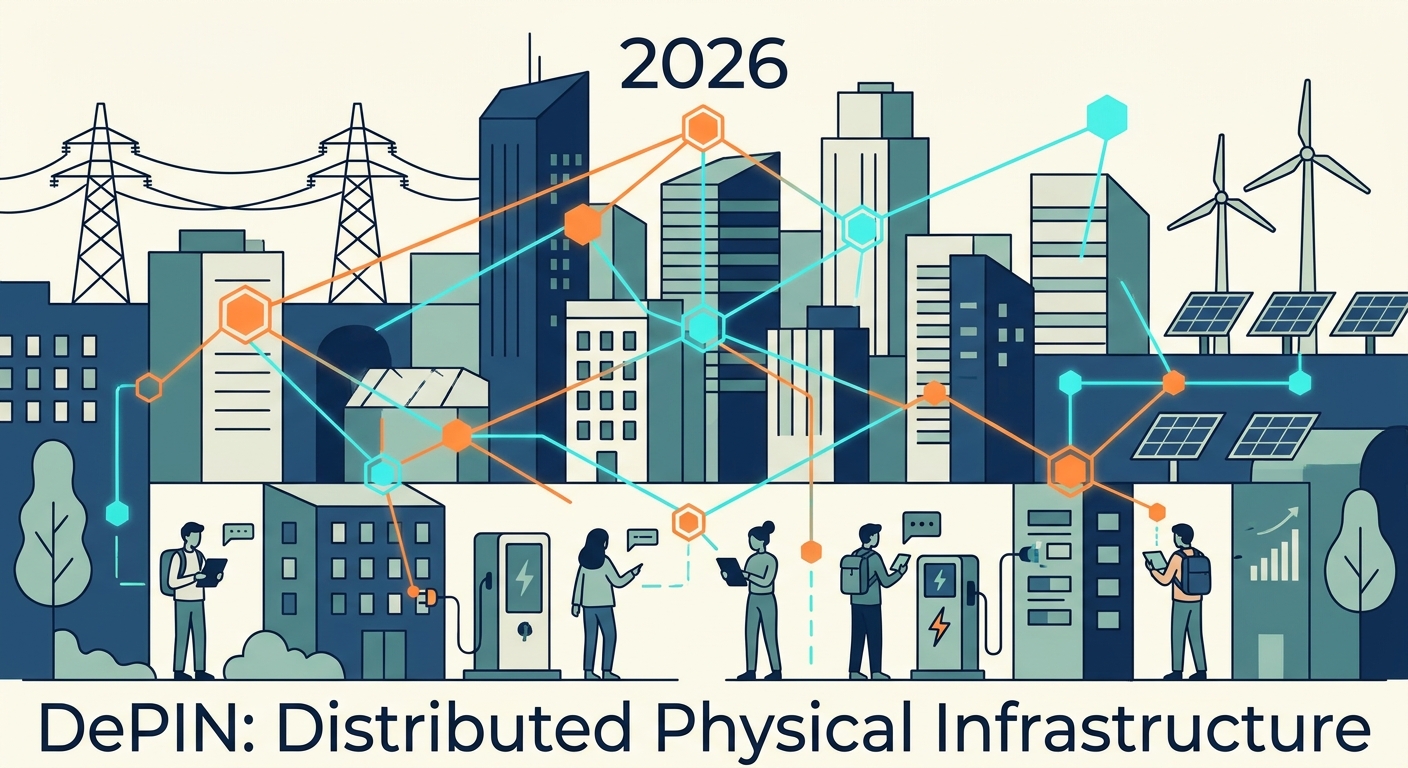
Sharing your home internet for crypto rewards isn't a shortcut to early retirement. Let’s be clear: it’s a calculated trade. You’re swapping your network’s reputation and bandwidth for micro-payments. In 2026, the dream of "passive income" via bandwidth sharing has finally shed its skin, moving away from those sketchy, low-quality proxy schemes of the past and into the more serious world of the DePIN (Decentralized Physical Infrastructure Networks) sector.
The industry has ballooned to a global market valuation of $19.2 billion. That sounds massive, right? But here’s the reality for the average person running a node: margins are razor-thin, and the technical responsibility is real. If you’re thinking about turning your spare Wi-Fi into a digital asset, you need to ignore the hype-men. It’s time to look under the hood at what being an "exit node" actually costs.
How Does Bandwidth Monetization Actually Work?
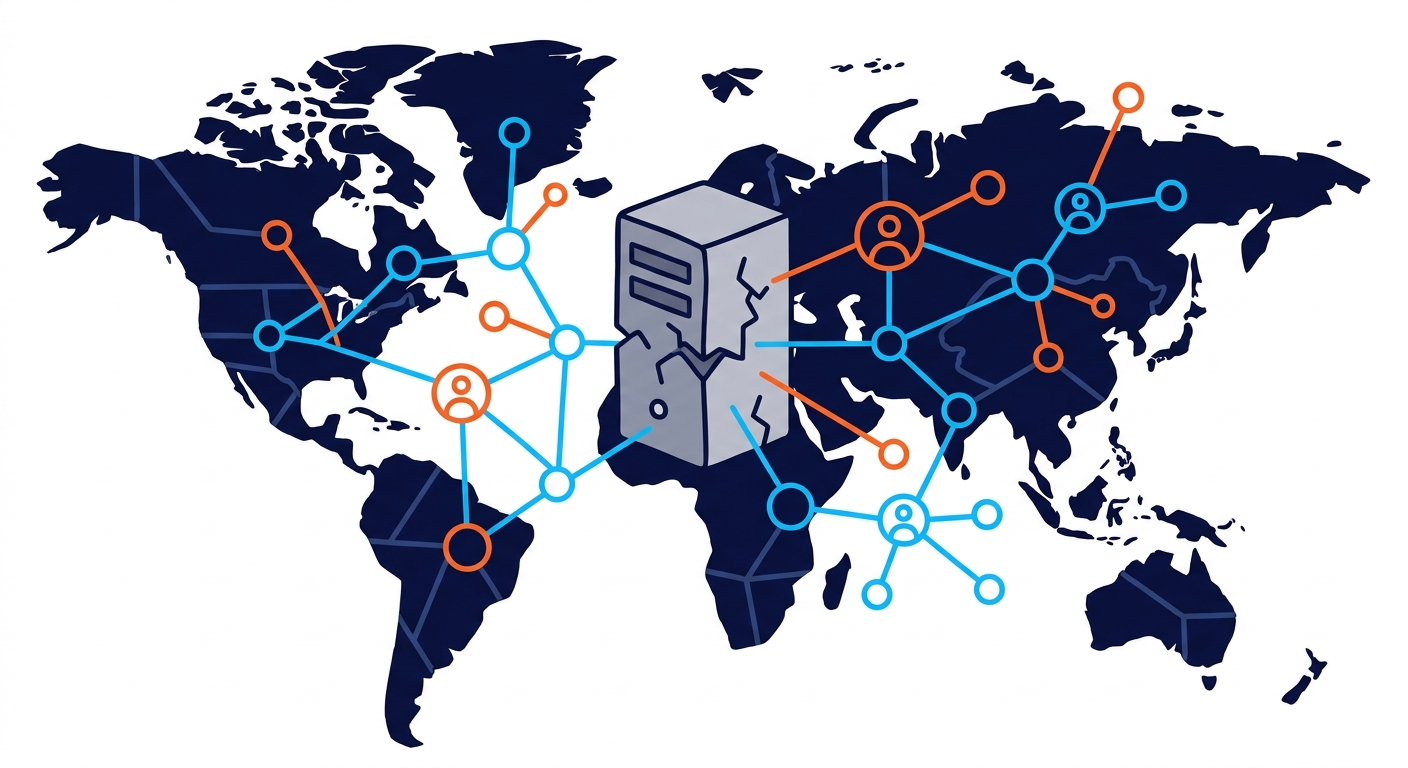
Think of it as renting out your spare room, only the "tenant" is a stream of enterprise data. You’re leasing your unused internet capacity to a decentralized network. In the old days, this was the Wild West—opaque, shady P2P proxies that nobody really trusted.
The model has grown up. Today, when you run a node, you’re basically acting as a bridge. Enterprise-grade apps—think AI model training or massive-scale data scraping—need to look like regular people surfing the web. They can’t just hammer a site from a data center; they need a diverse pool of residential IP addresses to get the job done.
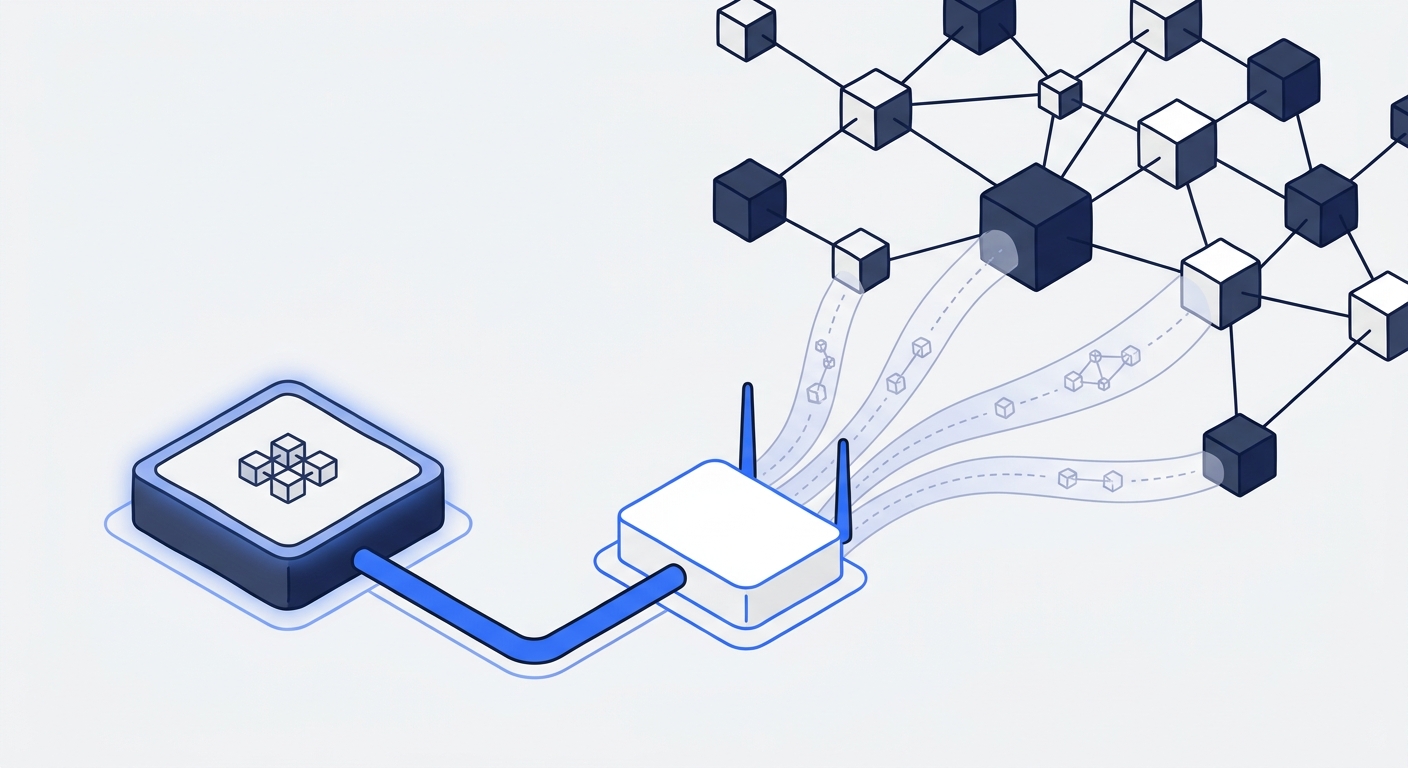
The network acts as an air-traffic controller. It routes traffic from a company needing a specific regional IP right through your home connection. Your router becomes the final link in the chain, making that enterprise traffic look like just another person checking their email or browsing a news site.
The Technical Evolution: From Security Risks to Modern Protocols
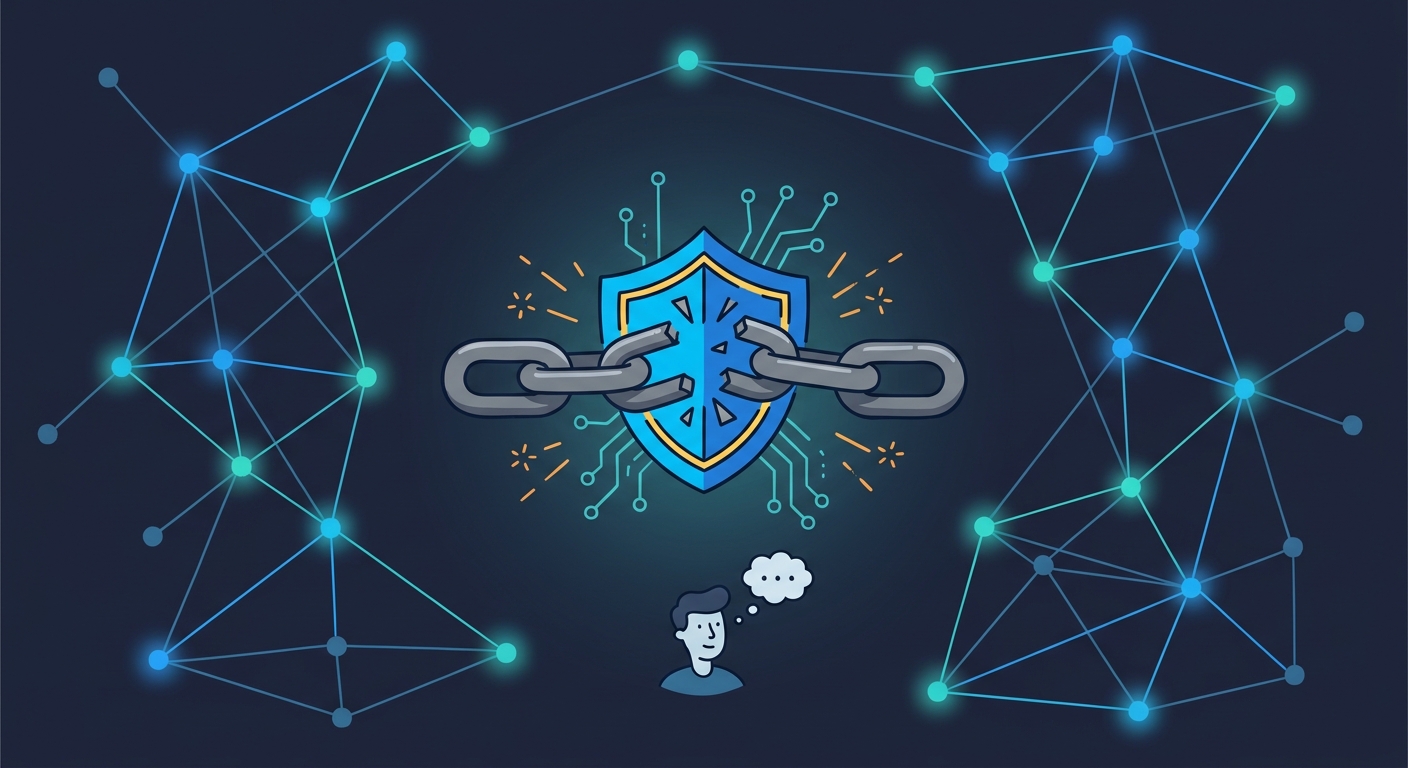
Back in the day, sharing your bandwidth was a security nightmare. Protocols were primitive, and there was zero isolation. If some bad actor used your connection to pull something illegal, guess whose door the authorities knocked on? Yours.
The industry has finally pivoted. We’re seeing a shift toward high-performance, secure protocols like QUIC, MASQUE, and WireGuard. These aren't just buzzwords. They allow for granular control over traffic. Instead of leaving your network wide open, modern nodes use encapsulated routing. Think of it as putting the traffic in a secure, encrypted tunnel that stays isolated from your personal devices. By adopting these standards, these platforms are finally closing the "trust gap" that kept big enterprise players on the sidelines.
Is Sharing Your Connection Actually Profitable? (The "True Profit" Deep Dive)
"Passive income" is the most dangerous phrase in the DePIN world. It sounds like free money, but it’s rarely that simple. If you want to know if this is actually profitable, stop looking at the gross token rewards on your dashboard. That number is a lie.
Use this "True Profit" equation instead: Net Profit = (Token Rewards - Electricity Costs - Hardware Depreciation - Risk Premium)
Let’s break that down. Is your node pulling 50 watts 24/7? That’s hitting your utility bill. Are you running a dedicated mini-PC or an expensive router? That’s hardware wear and tear. Then, there’s the "Risk Premium"—the hidden cost of potential legal headaches or getting your residential IP blacklisted by Netflix, Google, or your bank. For most retail users, the "profit" often amounts to a few bucks a month. Is that worth the risk of a compromised IP reputation? Probably not.
What Are the Real-World Risks of Running a Node?
The biggest danger is "Exit Node" liability. Your residential IP is a goldmine because it looks "human" to websites. But when you share it, you’re lending your digital identity to the network.
If an enterprise client uses your node to scrape a site in a way that violates their Terms of Service, that site will flag your IP. You get banned. Websites stop working. Your streaming services start throwing location errors.
And then there's the legal side. Even if the platforms filter traffic, you’re the legal owner of that connection. You are the final point of egress. While it’s rare to deal with a DMCA notice or law enforcement because of a bad actor, it’s a non-zero risk that the "passive income" ads prefer to ignore.
How Can You Run a Node Securely? (The Enterprise-Grade Setup)
If you’re going to do this, don’t be reckless. Treat your home network like a bio-hazard lab.
Rule number one: Never run a node on the same machine you use for banking or sensitive work.
The gold standard is "Network Isolation." If your router supports VLANs (Virtual Local Area Networks), set one up specifically for your node. This keeps your node in a separate sandbox. Even if the node gets scanned or compromised, your smart fridge, phone, and work laptop stay safe in their own silo.
Not a networking expert? No problem. Grab a cheap, standalone mini-PC and stick it in a DMZ on your router. It physically separates the "mining" traffic from your main gateway, which drastically shrinks your attack surface. If you’re still fuzzy on how this works, it’s worth reading up on how a standard VPN functions to distinguish between protecting your own traffic and facilitating it for others.
The Future: Why AI Needs Your Bandwidth
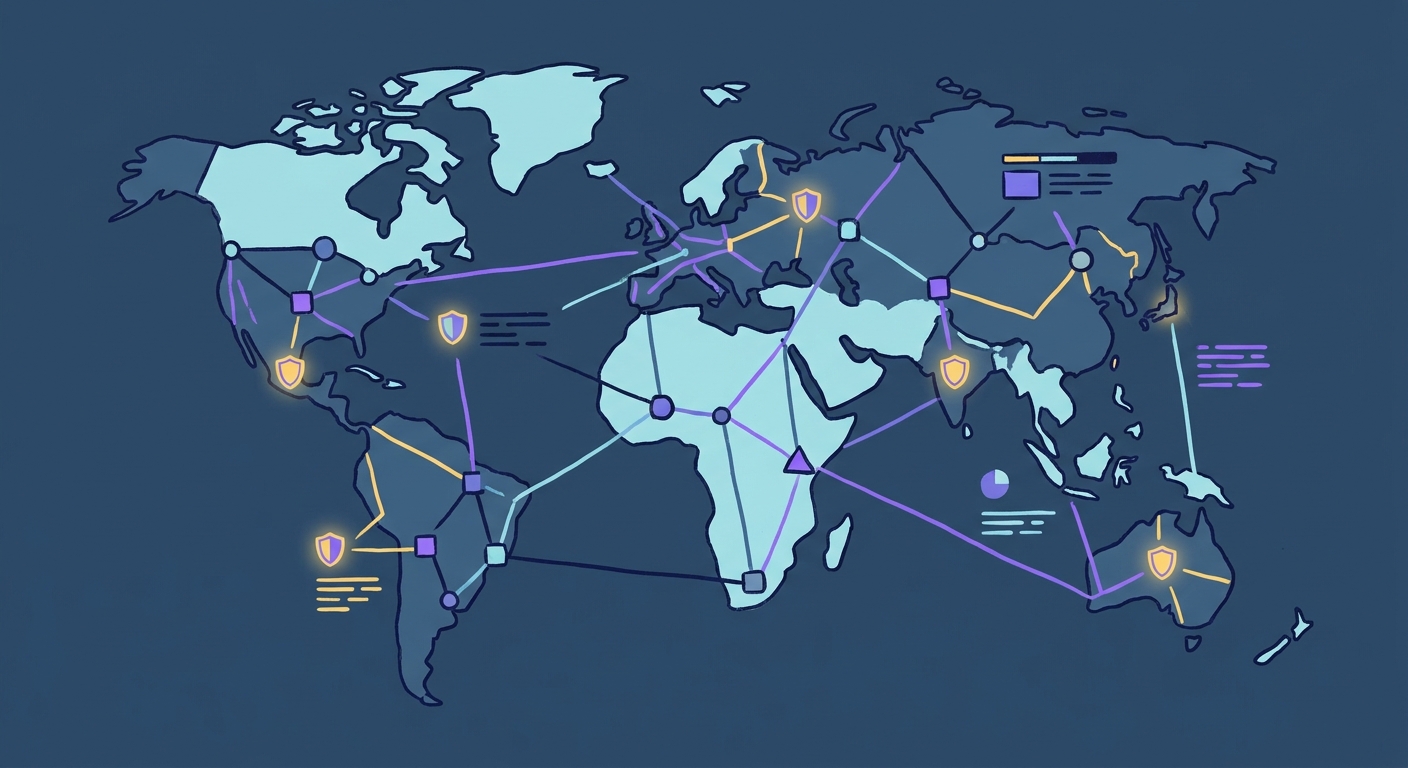
The narrative is shifting. We’re moving away from the "crypto-mining" vibes and toward "AI infrastructure." LLMs and autonomous agents are hungry. They need massive, diverse data sets to learn how the world works. They need to see the internet like a human, not like a server in a data center.
As enterprise adoption grows, the demand for residential-grade IPs is stabilizing. This is actually good news for node operators. It means the industry is moving toward a utility-based model. You’ll be paid for the quality of your connection—your uptime, your location, your reliability—rather than just how fast you can push data. This professionalization favors the people who treat their nodes like utility infrastructure, not lottery tickets.
Comparative Analysis: Top 3 Platforms to Watch in 2026
When you’re picking a platform, look for "Proof-of-Service" integrity. You want a network that can mathematically prove you did the work. It’s the only way to ensure the tokens you earn actually hold value.
| Platform | Security Focus | Ease of Use | Best For |
|---|---|---|---|
| Grass | High (Network Isolation) | High | Casual users with spare desktop uptime. |
| Titan Network | High (Modular/Enterprise) | Moderate | Users with dedicated hardware/servers. |
| Emerging Competitors | Varies | Low | Experienced tinkerers seeking early-stage rewards. |
Conclusion: Is It Worth the Effort?
Bandwidth monetization is a utility, not a get-rich-quick scheme. If you see it as a way to contribute to a decentralized web while chipping away at your internet bill, it can be a fun, rewarding technical project. But if you’re looking for a way to get rich without lifting a finger, look elsewhere.
The "Security-First" mantra isn't optional. If you’re in, segment your network, keep your software patched, and accept that your residential IP is a rented asset. In 2026, the internet is becoming one giant, decentralized data factory. Whether you want to be a cog in that machine is entirely up to your risk appetite and how well you can wall off your digital perimeter.
Frequently Asked Questions
Is sharing my bandwidth legally risky?
There’s a clear line between facilitating traffic and authoring it. Most networks filter out the worst of the worst, but you’re still the account holder. You’re rarely held responsible for a third party’s actions, but check your ISP’s Terms of Service—some don't take kindly to commercial use of residential lines.
Will using a dVPN slow down my regular internet connection?
It can, especially if you don't cap it. Most decent node software lets you set a bandwidth limit. Stick to 10-20% of your total capacity, and you probably won't even notice it’s running.
Can I get banned from websites for running a node?
Yes. If your IP gets used by someone who scrapes content aggressively or triggers DDoS protections, the target site might blacklist you. That’s the primary "reputation" risk of being an exit node.
Is this "passive" income, or does it require constant maintenance?
It’s "semi-passive." You don't have to monitor every packet, but you do need to keep the node online and updated. It requires occasional troubleshooting and hardware checks to keep the rewards flowing.
What is the "Proof-of-Service" standard?
Proof-of-Service is the protocol that verifies you’re actually providing the bandwidth you say you are. Without it, networks get flooded with fake nodes trying to game the system. Stick to platforms that take this seriously; they’re the only ones that last.