Best Decentralized VPNs for 2026: Top Picks for Privacy and Performance
TL;DR
- ✓ Decentralized VPNs eliminate central servers to provide verifiable and trustless privacy.
- ✓ Residential nodes allow you to bypass geo-blocks by appearing as a local user.
- ✓ Open-source blockchain architecture ensures no entity can log your private traffic.
- ✓ You can monetize your idle internet connection by hosting a decentralized node.
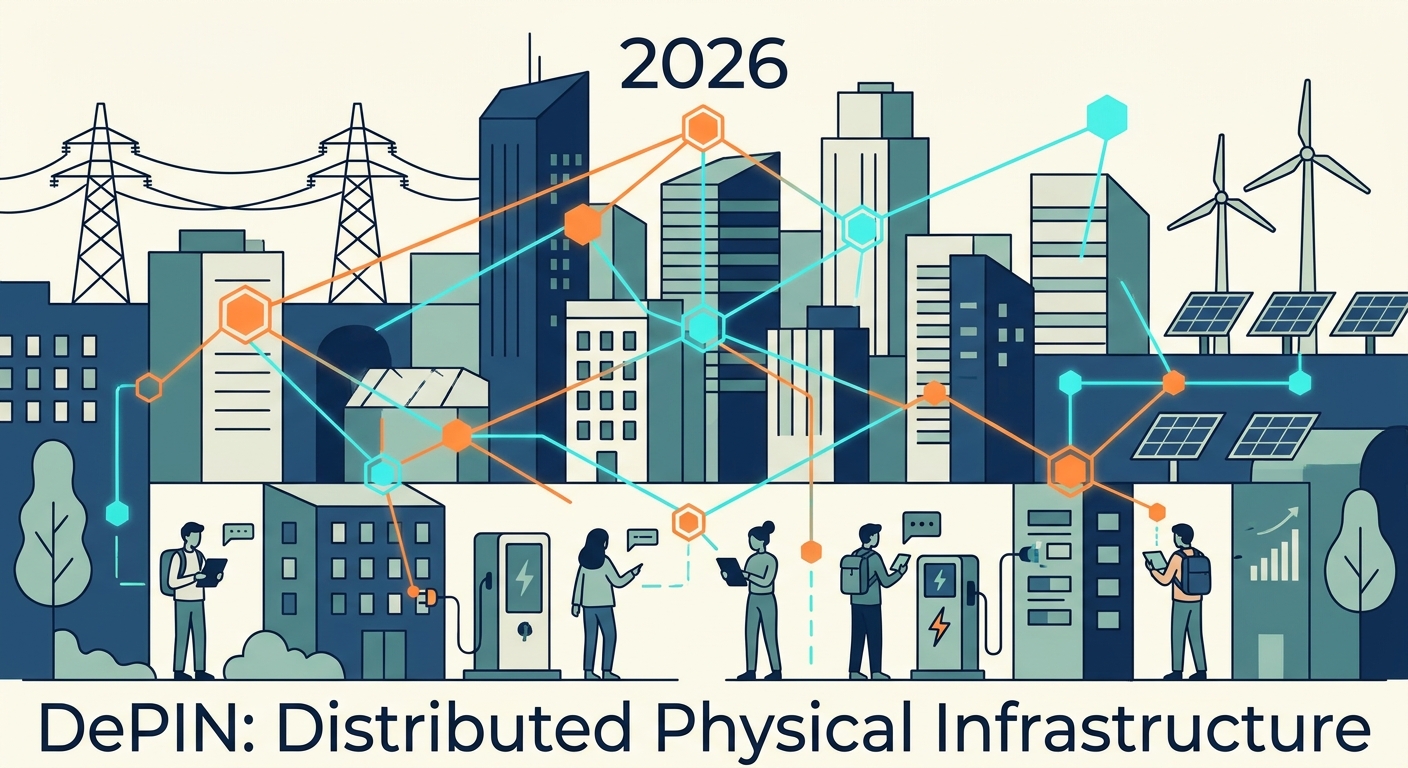
The days of trusting a faceless corporation to "pinky-promise" that they aren't logging your traffic? They’re over. In 2026, we’ve moved into the era of Decentralized Physical Infrastructure Networks—or DePIN, if you like the buzzwords. But forget the jargon for a second. What this actually means is that we’ve finally ditched the "trust-me" servers for something that actually works: peer-to-peer (P2P) networks.
As the Messari State of DePIN 2026 Report points out, this isn't just for the crypto-obsessed anymore. It’s the new gold standard. If you want real censorship resistance and privacy that doesn’t rely on a company’s PR department, you need to be looking at residential nodes. They route your traffic through actual home internet connections, which means your digital footprint looks like a regular person, not a flagged data center.
How Do Decentralized VPNs Actually Work?
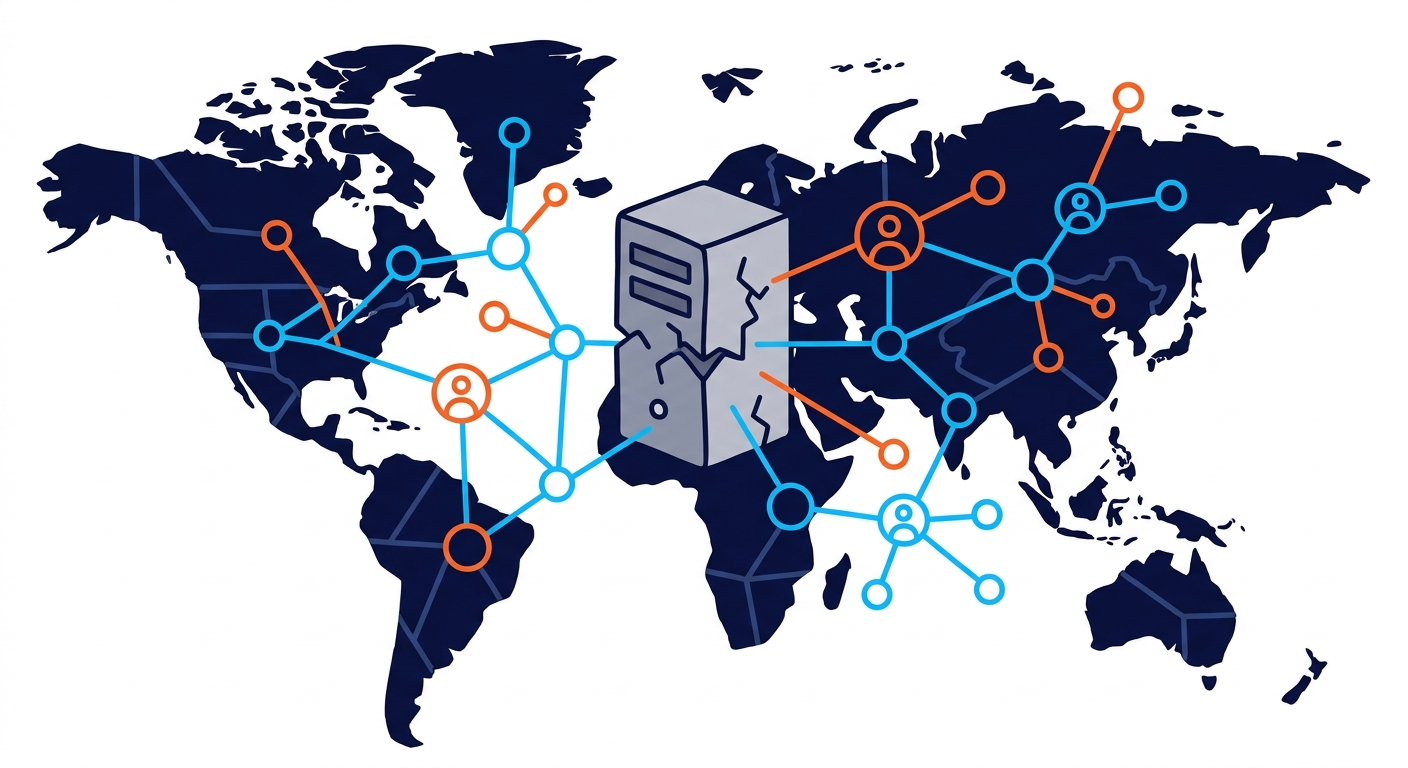
To get why dVPNs are winning, look at the old way of doing things. Traditional VPNs are a hub-and-spoke mess. You funnel all your data through one single point of failure—the provider's server. If that server gets subpoenaed, hacked, or just blacklisted by Netflix, your privacy is toast.
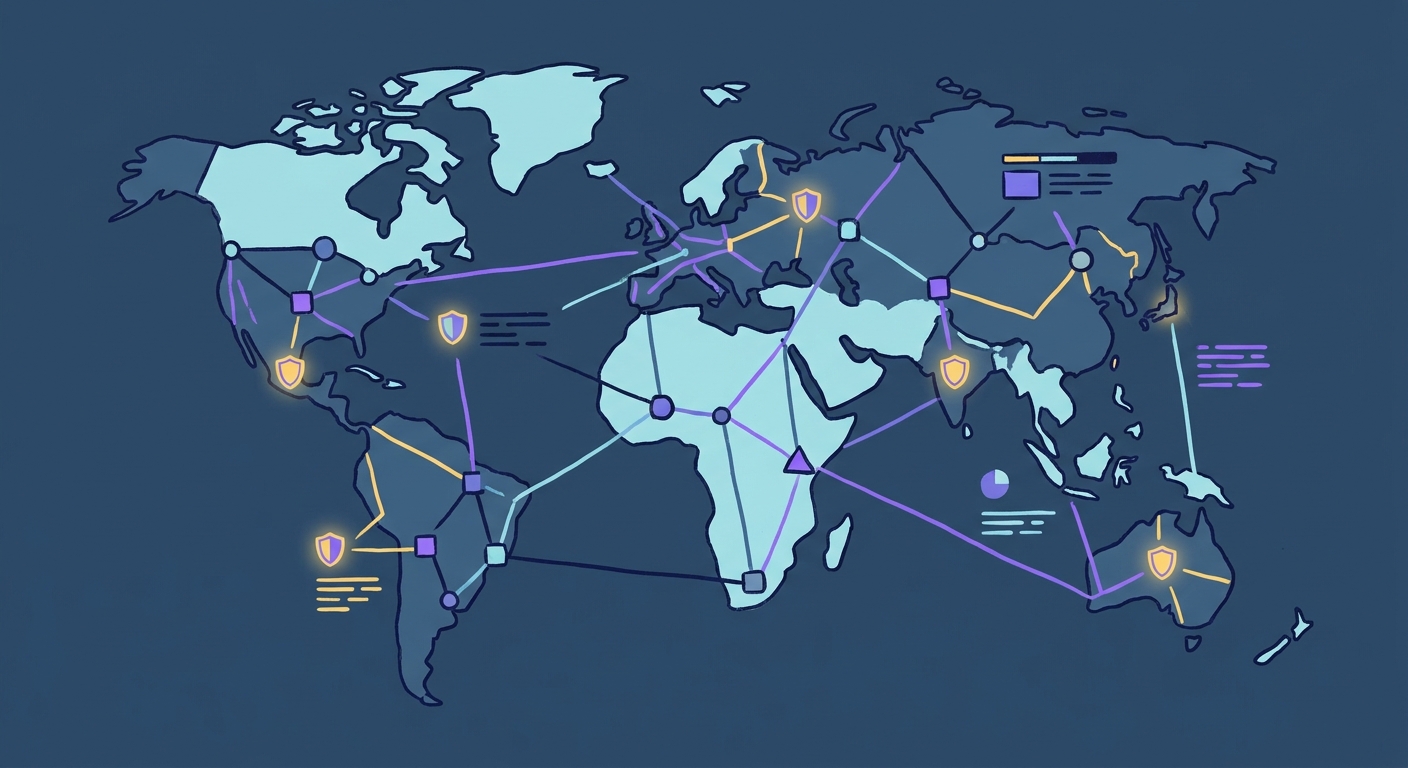
A dVPN is different. It’s a mesh. When you connect, your data hops through a bunch of independent nodes run by real people all over the world. It’s decentralized, resilient, and way harder to track. If you’re a nerd for the architecture, you can check out what a dVPN is here.
Why Should You Switch?
It boils down to three things: reputation, proof, and money.
IP Reputation
Streaming services are smart. They know every data center IP address in the world, and they block them instantly. When you use a legacy VPN, you’re sharing an IP with thousands of other users. It’s a giant red flag. dVPNs use residential IPs—real, home-based internet connections. To a streaming site, you look like just another guy on a couch. That’s how you bypass geo-blocks without the headache.
Trustless Verification
"No-log" policies are just marketing fluff. How do you know they’re telling the truth? You don't. In a dVPN, the network is open-source and lives on the blockchain. Smart contracts handle the connection. There is no central entity to keep logs, because there is no central entity, period. It’s verifiable privacy, not just a promise.
The Bandwidth Economy
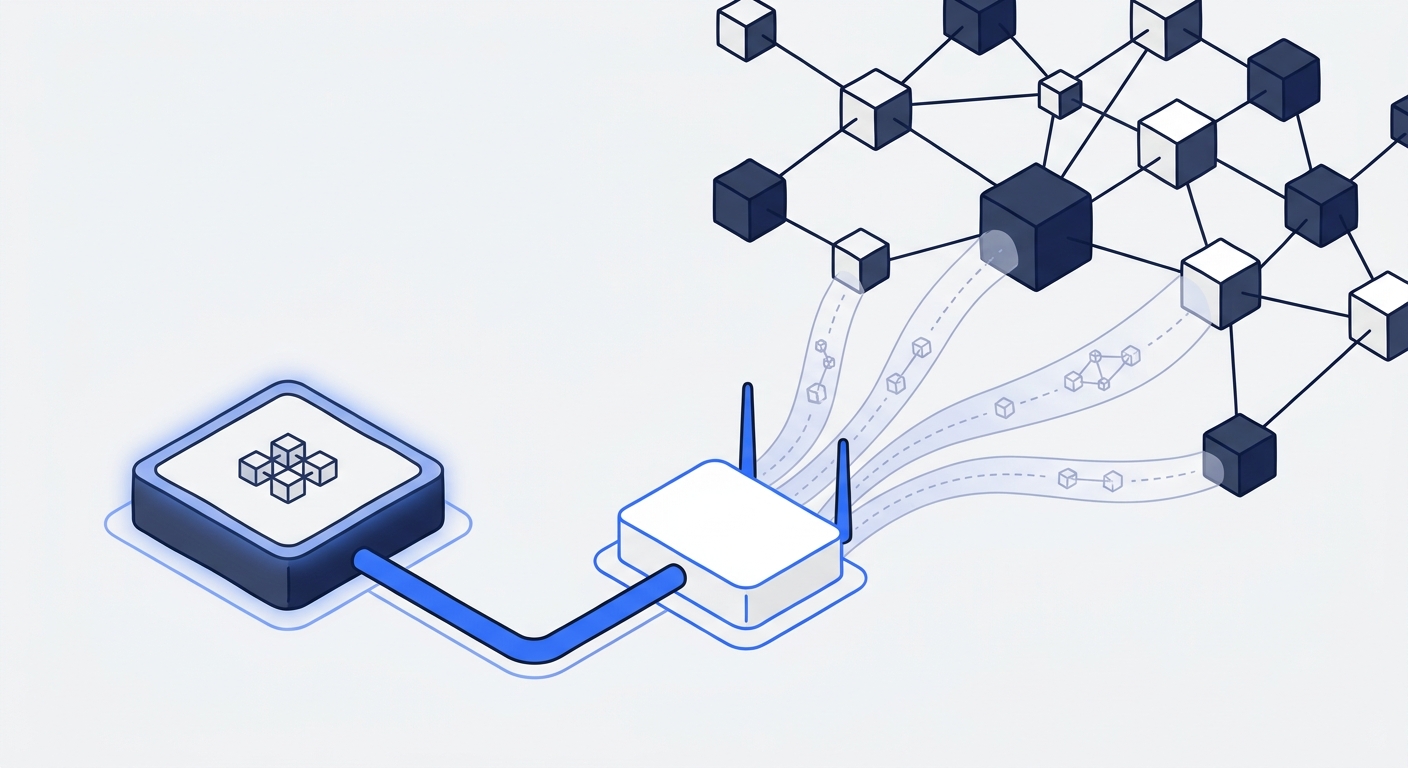
This is the game-changer. Stop being just a customer. If you have extra bandwidth, you can host a node and turn your idle internet connection into a side hustle. It’s a way to actually offset your ISP bills. Curious about how to turn your router into a revenue stream? You can learn how to earn crypto with your bandwidth through various staking and sharing protocols.
What Are the Top dVPN Picks for 2026?
The market has finally grown up. These three are currently leading the pack:
- Mysterium Network
- Best For: Global reach and residential IP availability.
- Core Protocol: Custom P2P protocol built on Web3 primitives.
- Performance Tier: High. It’s a beast for streaming because its residential node pool is massive.
- Sentinel
- Best For: Privacy-first power users who care about censorship.
- Core Protocol: Cosmos-based (dVPN ecosystem).
- Performance Tier: Enterprise-grade. It leans heavily into multi-hop routing for maximum security.
- Orchid
- Best For: Flexibility and pay-as-you-go.
- Core Protocol: Ethereum-based (ERC-20).
- Performance Tier: Highly modular. You can swap providers on the fly to chase better speed or lower costs.
Performance vs. Censorship
Censorship isn't just about blocking a site; it’s about traffic analysis. If you use a legacy VPN, your traffic usually has a "signature" that censors can spot from a mile away. dVPNs, however, often use multi-hop routing. By bouncing your data through nodes in different countries, you create a "noisy" traffic pattern that is a nightmare for censors to throttle or identify.
Check out the OONI Explorer if you want to see just how bad global network interference has become. Interestingly, dVPNs have closed the performance gap. While old-school VPNs used to win on raw speed, the sheer distribution of residential nodes in a mesh network often results in lower latency. You’re connecting to a node down the street, not a congested server halfway across the world.
Is It Still Too Complicated?
Let’s kill the myth that you need a CS degree to run a dVPN. That was true three years ago, but it’s not anymore. Modern dVPN apps have "click-to-connect" interfaces that are just as smooth as any mainstream VPN.
The main shift is the payment model. You’re moving from a subscription (paying a company) to a wallet (paying for what you use). It puts you in the driver's seat. If you’re feeling nervous about the transition, PrivacyTools.io is the best place to get your bearings.
Frequently Asked Questions
Are dVPNs harder to set up than traditional VPNs?
Not in 2026. Most top-tier dVPNs now feature intuitive desktop and mobile applications that handle the complexities of wallet integration and node selection in the background, offering a "one-click" experience similar to legacy providers.
Do I need to own cryptocurrency to use a dVPN?
While the protocols are tokenized, most major dVPN apps now integrate fiat-to-token on-ramps. This allows you to pay with a standard credit card or bank transfer, which the app automatically converts to the required utility token to pay for your bandwidth usage.
Can I get into legal trouble if my node is used by someone else?
Most reputable dVPN protocols include strict traffic filtering and exit-node policies. By running a node, you are providing a tunnel, not a service. However, it is always recommended to review the specific "Exit Node" terms of service for the network you choose to ensure you are comfortable with the traffic being routed through your connection.
Are dVPNs fast enough for 4K streaming?
Yes. Because dVPNs allow you to select residential nodes—which are not bandwidth-limited or throttled by streaming platforms—they are often faster and more reliable than traditional VPN servers, which are frequently overloaded by high traffic volume.