Blockchain Bandwidth Monetization: A Beginner’s Guide to Tokenized Internet Infrastructure
TL;DR
- ✓ Turn your idle home internet connection into a consistent revenue-generating node.
- ✓ Understand how DePIN networks bridge residential bandwidth with AI data needs.
- ✓ Learn the mechanics of Proof of Bandwidth and earning crypto rewards.
- ✓ Discover why decentralized networks outperform traditional centralized server infrastructure.
Your internet connection is the most underutilized asset in your house. Think about it. You’re paying your ISP a premium every month for a high-speed pipe, yet that pipe sits mostly empty while you’re sleeping, working, or just out for a walk.
For years, that idle capacity was just wasted space. Not anymore.
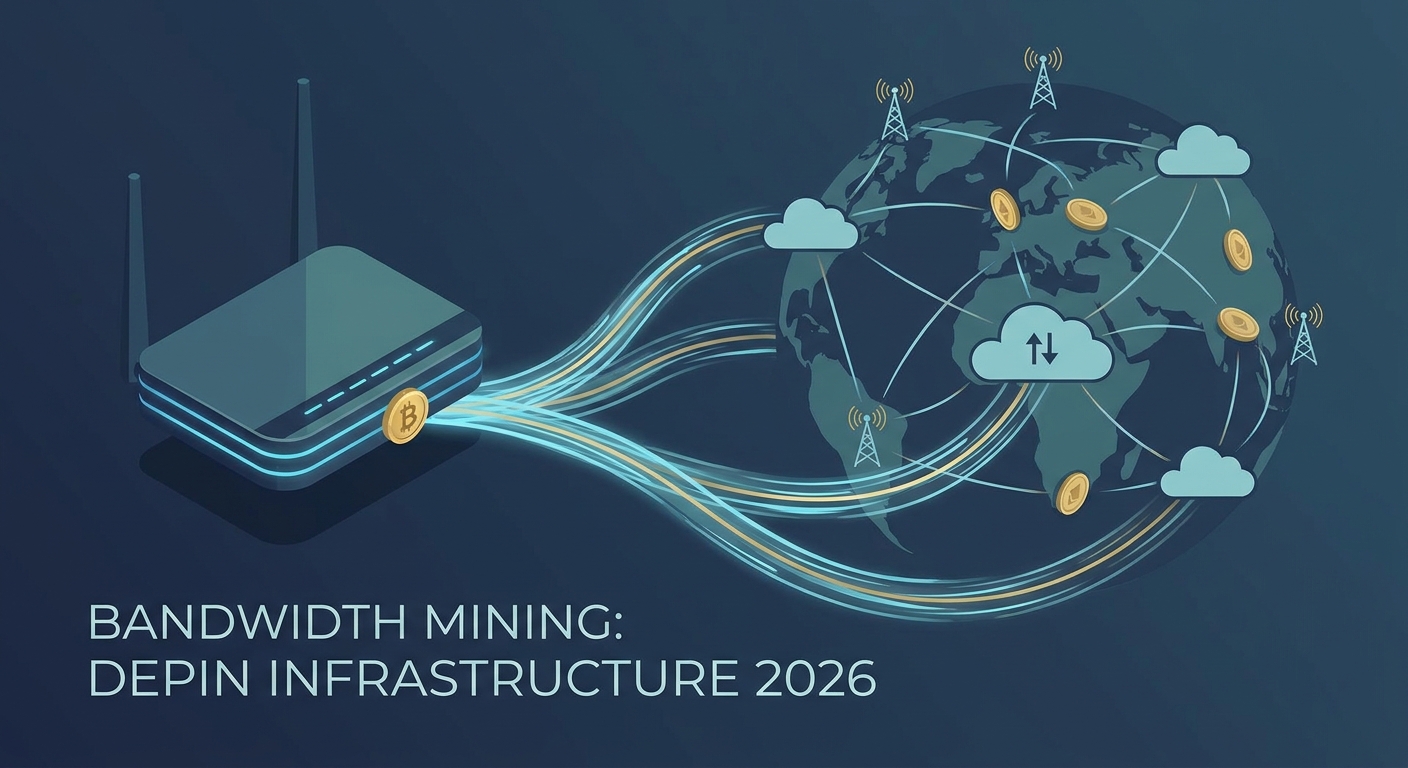
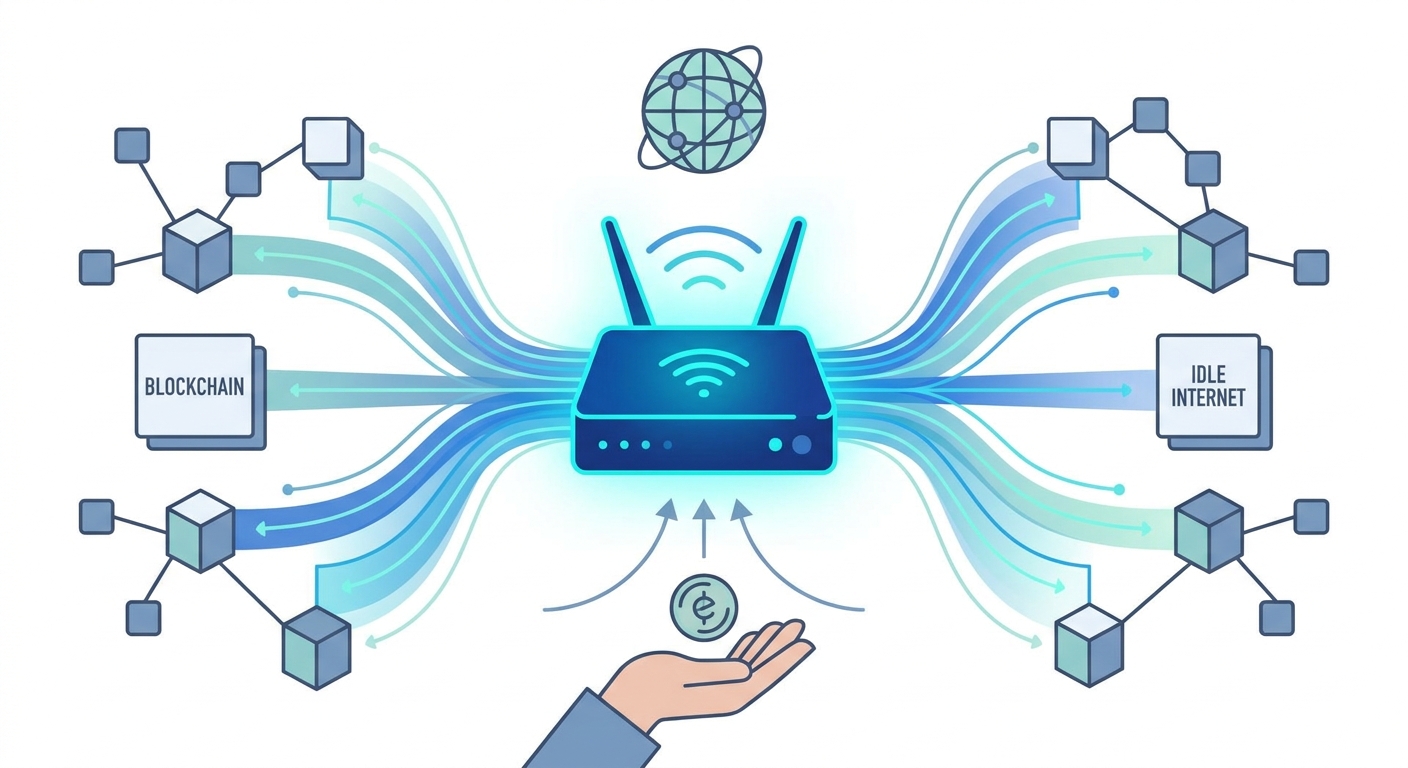
We’re living in a data-hungry era. AI models are starving for information, and the current global infrastructure is buckling under the pressure. Suddenly, your unused bandwidth isn't just "extra"—it’s a critical digital commodity. By plugging into Decentralized Physical Infrastructure Networks (DePIN), you can turn your router into a revenue-generating node. You’re effectively becoming a landlord of the digital age.
This isn't about pocket change. It’s about providing high-fidelity, residential-grade data that AI labs desperately need to train the next generation of models. Curious about how it all fits together? Check out this Beginner’s Guide to Bandwidth Monetization.
What is DePIN and Why Does It Change Everything?
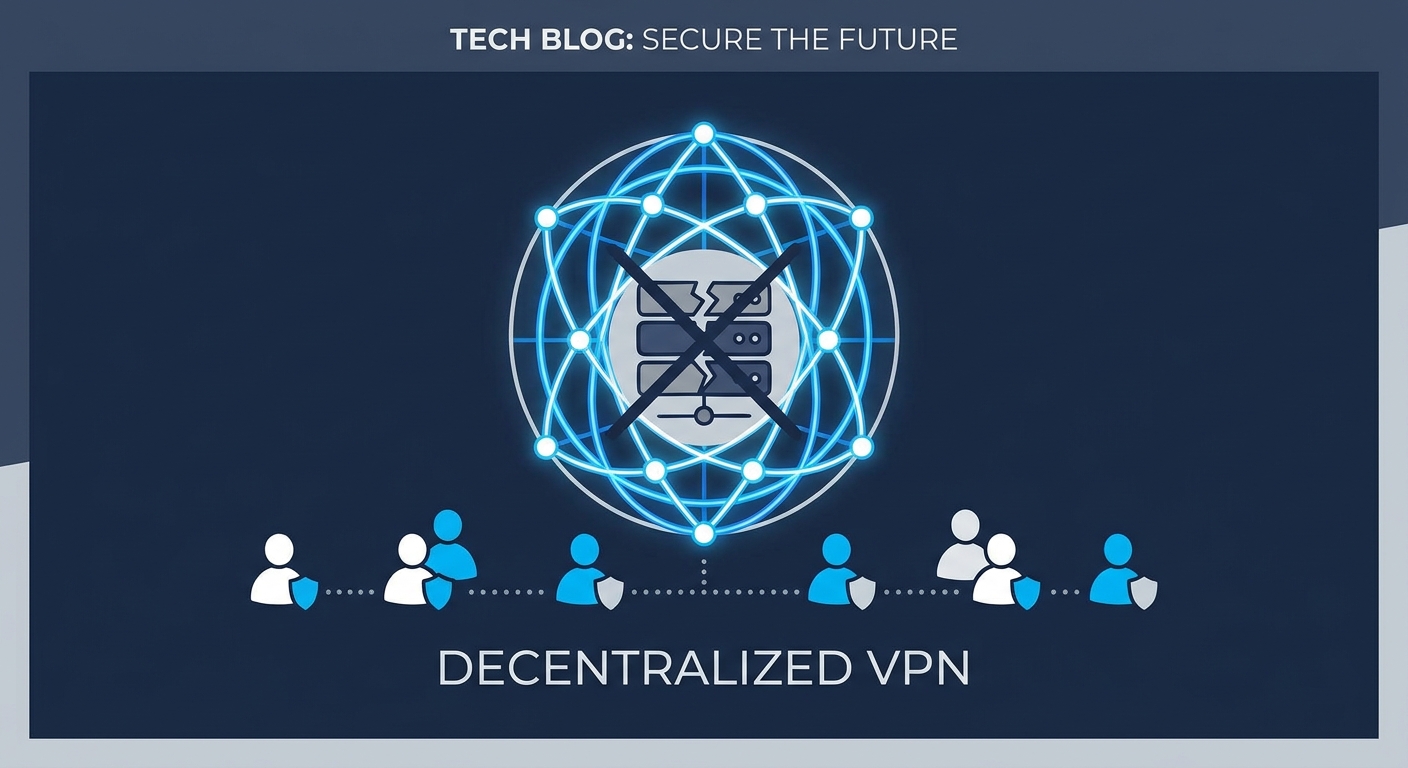
To grasp why your bandwidth actually has value, you have to look at the cracks in the modern internet. For decades, we’ve relied on centralized data centers—massive, monolithic server farms—to relay the world's traffic. It was a good model until the internet exploded. Now, these centers are bottlenecks. They’re expensive, they're prone to censorship, and they’re easily flagged by security systems because their IP addresses are clearly "non-human" data center traffic.
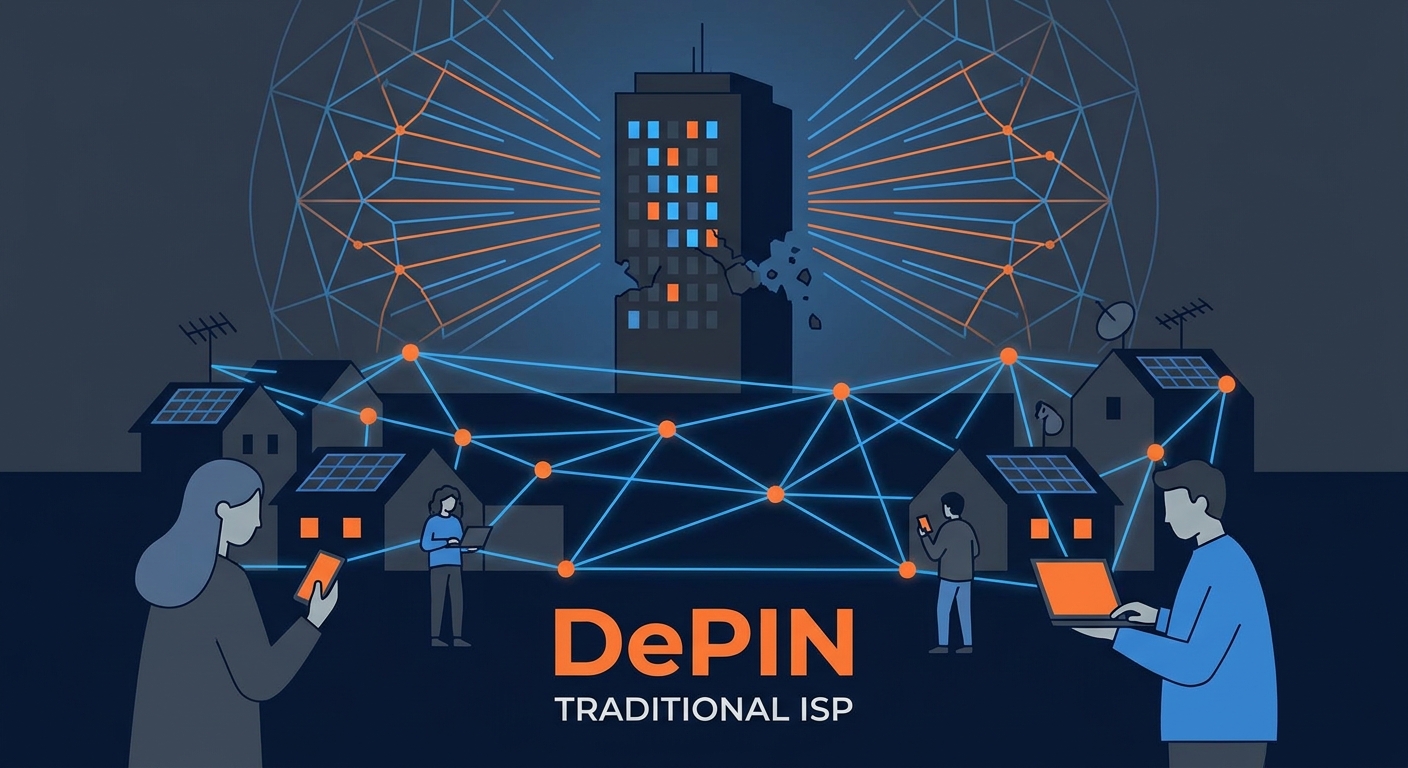
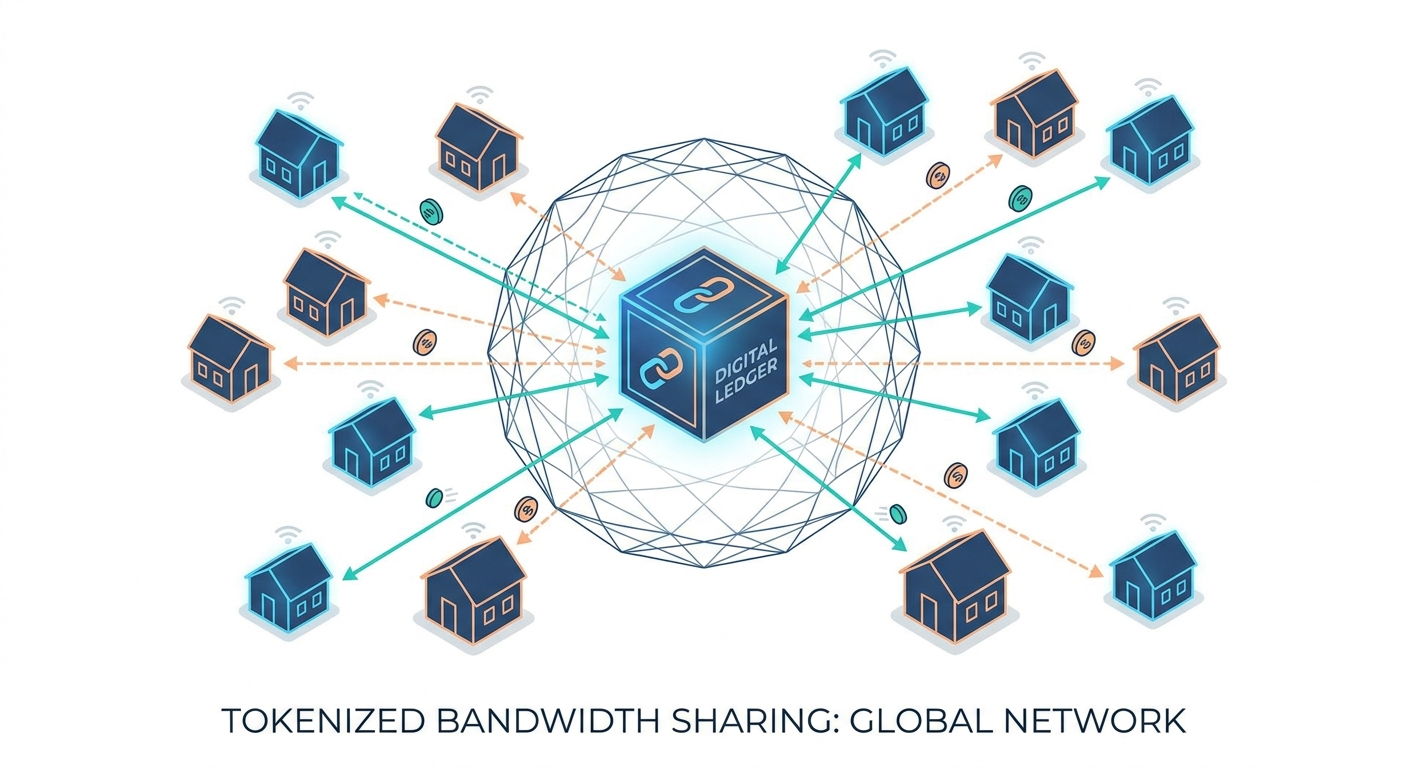
DePIN flips the script. Instead of one company building a gargantuan server farm, DePIN aggregates thousands of individual, residential internet connections into one global, decentralized network. It’s the bridge between your home hardware and the transparent, immutable ledger of the blockchain.
As noted in this DePIN Sector Overview, we are finally moving away from the restrictive, corporate-controlled ISPs of the past. We’re heading toward a model where you own the infrastructure you use. If you want to dive deeper into the long-term potential of this transition, check out Why DePIN is the Future of Connectivity.
How Does Bandwidth Monetization Actually Work?
At its heart, bandwidth monetization is just a "Proof of Bandwidth" handshake. When you install a node client or a browser extension, your device becomes a verified exit point for a decentralized proxy network. AI researchers and data analysts use this network to verify how websites appear to real humans in different parts of the world.
The process is remarkably simple: an AI laboratory sends a request through the network. It routes through your node. Because your IP address is residential—tied to a real home rather than a corporate server farm—the data returned is "clean." The protocol verifies the bandwidth was provided, and the blockchain automatically executes a smart contract to drop token rewards into your wallet. It’s a seamless, automated cycle of supply and demand.
Why Are AI Companies Paying for Your Bandwidth?
The "AI Data Crisis" is very real. When an AI model scrapes the web, it needs to see what a human sees. If the scraping comes from a data center IP, most websites will block it instantly or serve up "bot-specific" content that is useless for training. To get accurate, unbiased data, AI companies need to route their traffic through residential IPs—the kind that look like they’re coming from a house in Chicago, a flat in London, or a rural home in Japan.
This is the "Clean Data" argument. Residential proxies are the gold standard of 2026 because they mirror real human browsing habits. By providing your bandwidth, you’re helping AI models understand the real world rather than the curated, corporate version of the internet. You aren't just sharing bandwidth; you’re providing the verification layer that keeps the AI ecosystem honest.
Security & Privacy: Is This Safe?
The most common fear? "If I share my connection, will someone use it for illegal stuff?" It’s a fair concern. But modern DePIN protocols are built with this in mind. These networks operate as highly restricted, audited proxy layers. They do not grant users access to your home network or your personal devices.
Furthermore, the integration of Zero-Knowledge Proofs (ZKPs) has changed the game. ZKPs allow the network to verify that your node is contributing valid, high-quality traffic without ever exposing your personal identity or your specific browsing history to the requestor. You can learn more about how this tech protects users in this article on Zero-Knowledge Proofs. By keeping the traffic routed through your node separate from your own private data, these projects keep you anonymous and safe.
How to Start: A Step-by-Step Guide
Getting started is low-friction. Most people start with the "Set and Forget" method: install a lightweight browser extension from a reputable DePIN project, log in, and let it run in the background. It uses only your excess, unused bandwidth. You don't need to change your habits; just browse as you normally would.
For the "Power User," the path is a bit more involved. This means running a dedicated node, often on a spare PC or a small, low-power server like a Raspberry Pi. Dedicated nodes usually pull in higher rewards because they offer better uptime and stability—two things the network values highly. Whether you go with a browser extension or dedicated hardware, the goal is to maximize your node's availability.
Platform Spotlights: Who Should You Choose?
The market is moving fast. Projects like Grass have dominated the browser-extension space, making it easy for the average user to earn without needing a degree in computer science. Titan Network has gained traction by focusing on a wider array of decentralized infrastructure, including storage and compute, making it a great choice for those who want a more comprehensive DePIN ecosystem. Helium remains the titan of decentralized wireless, proving that even physical connectivity can be tokenized.
When choosing a platform, look for three things: liquidity (so you can actually trade your tokens), privacy protocols (how they handle your data), and geographic demand. If your region has high demand for residential IPs, you’ll see your rewards stack up much faster.
Reality Check: How Much Can You Actually Earn?
Let’s be real. While the "passive income" narrative is tempting, this isn't a "get rich quick" scheme. Earnings are heavily dependent on geographic scarcity. If you live in a Tier-1 city where residential IPs are in high demand, your node is worth more. If you're in a location with a saturated supply of nodes, your rewards might be lower.
Think of it like renting out a spare room. If you live in a bustling urban core, you can charge more. If you live in a remote area, the demand is naturally lower. Keep your expectations grounded. Look at these projects as a way to offset your internet bill or build a long-term position in the infrastructure of the future, rather than a replacement for your primary income. You can find more context on this evolution of connectivity in an overview of decentralized infrastructure.
Conclusion: The Long-Term Vision for Tokenized Infrastructure
You’re witnessing the internet transition from a centralized utility to a decentralized, user-owned backbone. By participating in bandwidth monetization, you aren't just an observer; you’re a foundational element of the global AI architecture. As the network matures and demand for residential-grade data climbs, the role of the individual node operator will become more critical. Get started today, establish your reputation, and stake your claim in the network before it hits mass adoption. The internet is changing—and for the first time, you have the opportunity to own a piece of it.
Frequently Asked Questions
Is sharing my bandwidth safe and private?
Yes. Modern DePIN projects utilize encrypted proxy tunnels and Zero-Knowledge Proofs to isolate your personal browsing traffic from the traffic routed through your node. Your identity remains protected, and the network is strictly monitored to prevent malicious usage.
Do I need expensive hardware to start earning?
Not at all. Most modern DePIN projects are specifically designed to run on consumer-grade hardware. You can begin earning by installing a simple browser extension on your existing laptop or PC, requiring zero additional investment.
Why are AI companies willing to pay for my internet connection?
AI models require vast amounts of data to learn. To ensure this data is accurate and representative of real-world human behavior, they require high-quality residential IP addresses. Since your home connection provides exactly that, your bandwidth is a highly sought-after commodity for AI training and verification.
Will this affect my internet speed for daily use?
Modern clients are built to be non-intrusive. They typically use only a small percentage of your idle bandwidth and operate in the background. If you are streaming or gaming, the client will throttle itself to ensure your connection remains seamless and unaffected.
Does my geographic location affect my earnings?
Yes. Rewards are based on "Localized Demand." If your specific region has a high need for residential IP addresses—typically in Tier-1 cities or countries with high digital traffic—you will generally command higher token rewards than users in regions with lower demand.