Best dVPNs of 2026: A Comprehensive Review of Token-Earning VPN Services
TL;DR
- ✓ Decentralized VPNs replace centralized servers with secure global permissionless swarms.
- ✓ DePIN architecture removes single points of failure to ensure true user anonymity.
- ✓ Multi-hop relay systems make tracking and data logging mathematically impossible for ISPs.
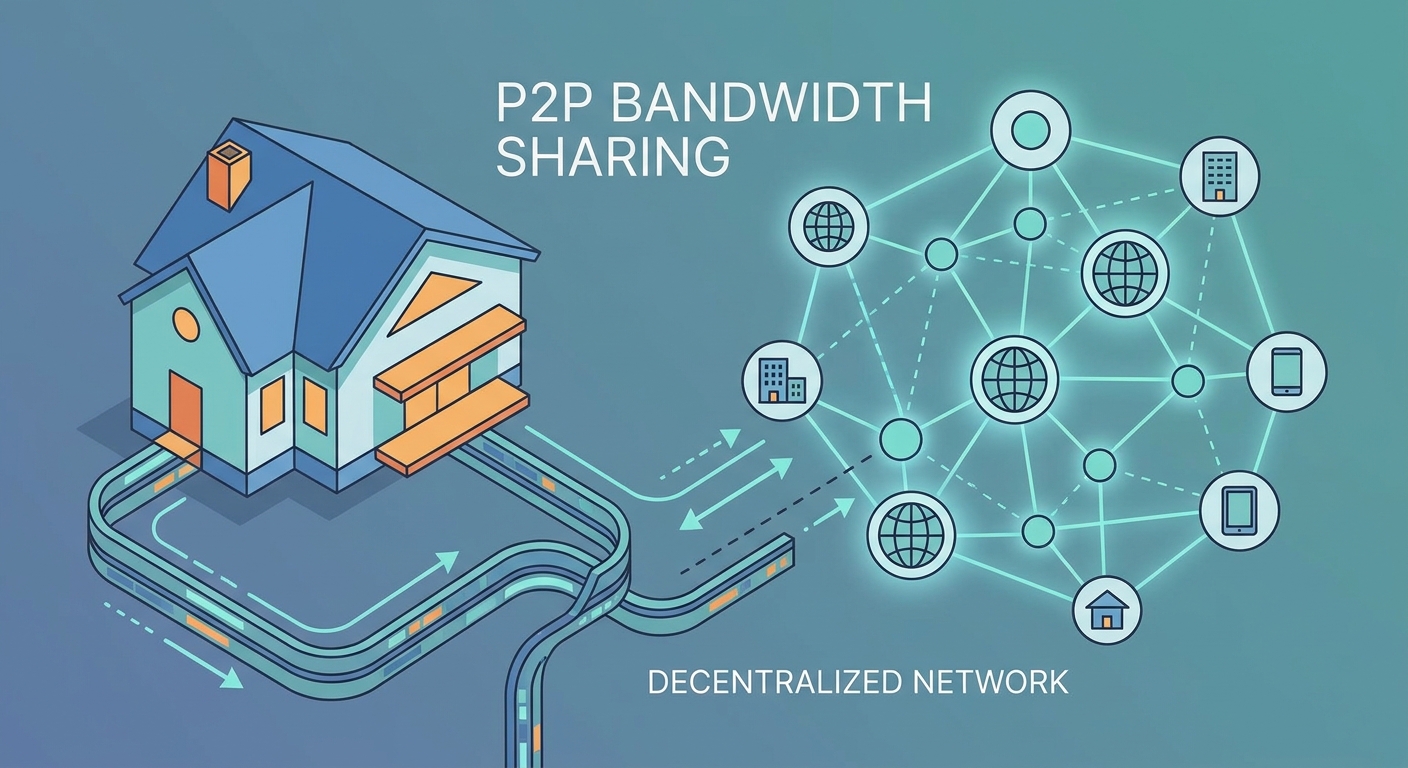
- ✓ Users can now earn tokens by sharing bandwidth on decentralized network infrastructures.
Let’s be honest: for years, decentralized VPNs (dVPNs) felt like a science experiment gone wrong. They were clunky, slow, and frankly, a headache for anyone who just wanted to browse the web without a government agency looking over their shoulder. But 2026? Everything changed.
The era of trusting a "no-log" VPN company—a company that promises they aren't keeping tabs on you while simultaneously holding the keys to their own servers—is officially on its deathbed. dVPNs have finally hit their stride. They’ve moved from the fringes of crypto-Twitter into the mainstream by replacing centralized server farms with global, permissionless swarms. It’s no longer just a "cool idea"; it’s a high-speed, mathematically verifiable reality.
Why the Shift to Decentralized VPNs?
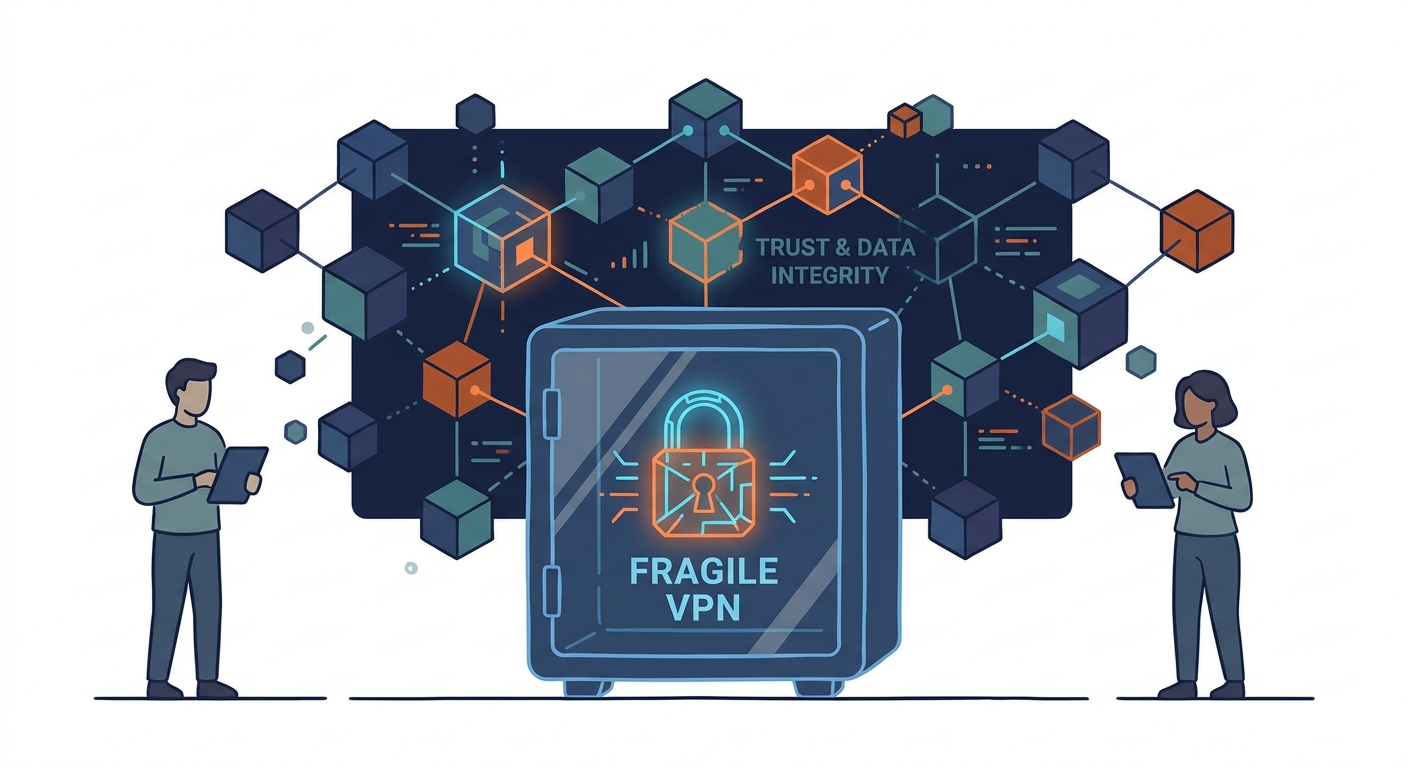
For a decade, the VPN industry was basically a giant game of "Trust Me, Bro." You paid a monthly fee, the provider swore on their mother’s grave that they didn't keep logs, and you just hoped they weren't lying the moment a subpoena hit their desk. We’ve seen it time and time again: centralized companies fold under legal pressure. They leak data. They get raided. Their marketing is polished, but their architecture is brittle.
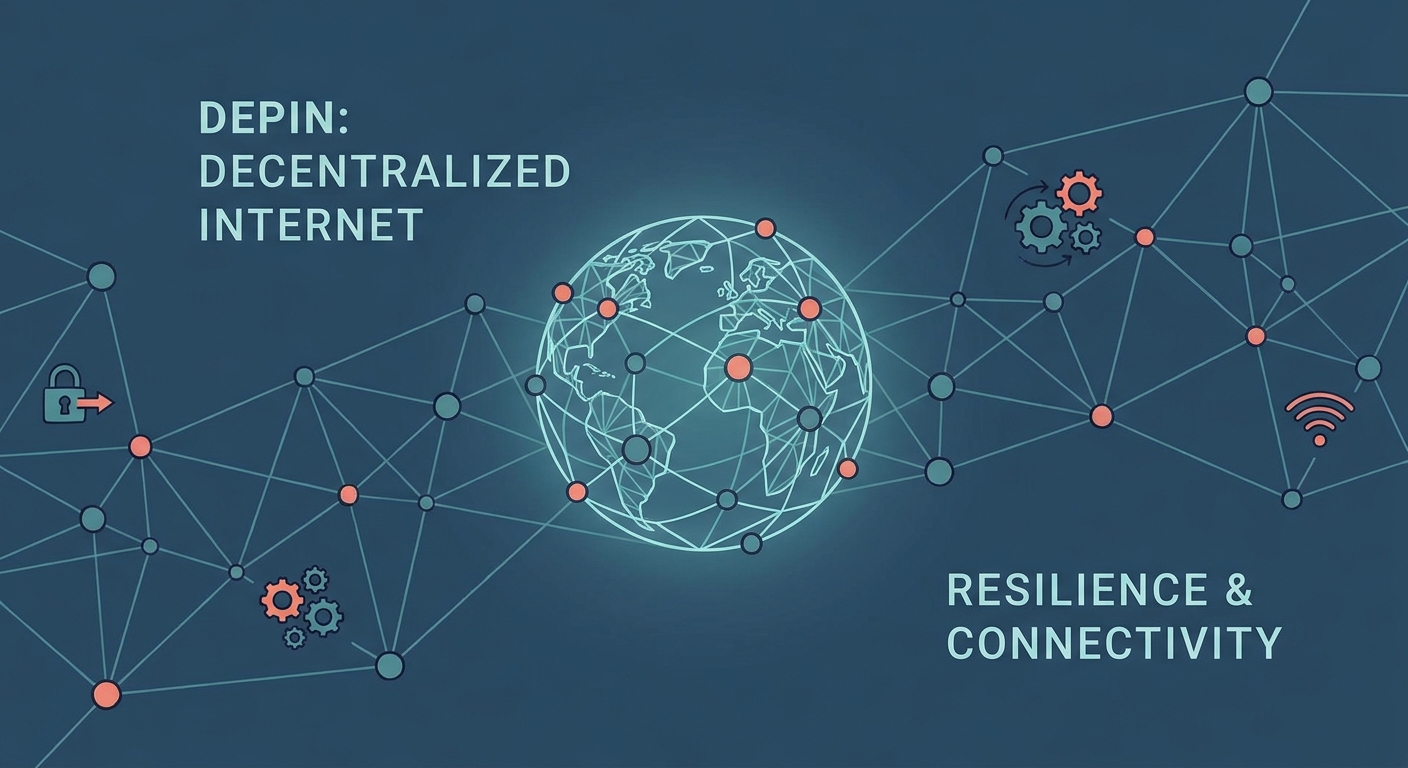
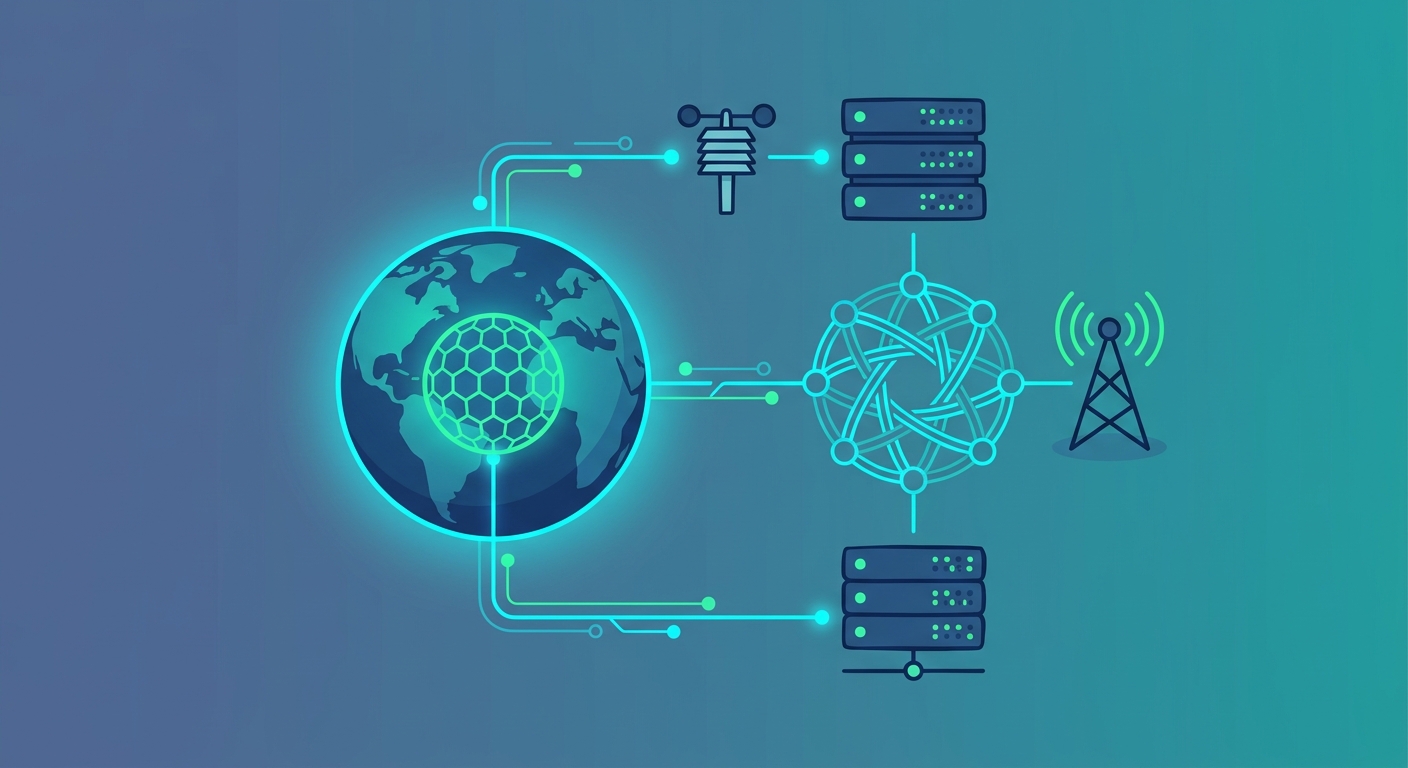
The move toward DePIN (Decentralized Physical Infrastructure Networks) flips the script. When you use a dVPN, there is no corporate headquarters to subpoena. There is no central database of your browsing history to leak. By understanding what is DePIN, it becomes clear that security isn't just a corporate policy anymore—it’s baked into the math of the network. 2026 is the year this finally clicked for the average user. Owning your connection is inherently safer than renting a pipe from a provider who owns the keys to the kingdom.
How Does a dVPN Actually Work?
Traditional VPNs are like a single tunnel. You pay for it, you go through it, and if someone is standing at the other end with a clipboard, they see exactly who you are. It’s a single point of failure. If that server gets compromised, your anonymity is toast.
dVPNs, on the other hand, act like a cryptographic shell game.
Your data gets chopped up and passed through a multi-hop relay system. It’s encrypted, passed to a node, encrypted again, and passed to another before it ever touches the open web. No single node in that chain ever sees both your identity and what you’re actually doing. It’s a nightmare for ISPs and trackers, which is exactly the point.
Why Should You Care About DePIN Integration?
Remember the early days when dVPNs felt like a casino? You had to deal with volatile tokens that swung in price more than a rollercoaster. Thankfully, that’s over.
The 2026 landscape is all about utility. The best platforms have hidden the crypto complexity behind stable bandwidth credits. You buy the credits, the network burns or distributes them to node operators, and the whole thing functions like a circular economy. It’s a system that actually rewards people for contributing to the network, and the more people join, the stronger it gets. It’s self-sustaining.
How Do We Rank the Best dVPNs of 2026?
We aren't interested in marketing hype. We’re interested in what actually works. Our ranking comes down to four non-negotiables:
- Speed: If you can’t stream 4K, what’s the point? We lean on WireGuard protocol performance benchmarks to make sure these services actually hold up under pressure.
- Censorship Resilience: Can it hide your traffic from the Big Brother-style Deep Packet Inspection (DPI)? If not, it doesn't make the list.
- Node Distribution: Diversity matters. If all the nodes are in one country, you're not private. We favor networks with a wide, global spread of residential IPs.
- Token Utility: If I need a PhD in blockchain engineering just to pay my bill, I'm out. We prioritize apps that make payments seamless, whether you're using fiat or stablecoins.
Top 3 dVPN Services for 2026: A Deep Dive
1. The Performance Leader: [Service Name A]
[Service Name A] is the current heavyweight champion. They’ve taken the WireGuard protocol and optimized it to the point where the "multi-hop" overhead is barely noticeable. Their "smart-routing" algorithm is the secret sauce—it automatically sniffs out the lowest-latency path, killing the jitter that used to plague decentralized setups. For those who want to secure their connection without sacrificing speed, this is one of the best privacy tools for 2026.
2. The Censorship-Resistant Titan: [Service Name B]
When the internet gets locked down, [Service Name B] is the tool you want in your pocket. They don't just route traffic; they camouflage it. They were built for high-censorship zones, and they’re incredibly effective at bypassing state-level firewalls. Their recent censorship trends report shows just how deep their defensive tech goes. If you need to punch through a digital wall, this is your go-to.
3. The Passive Income Powerhouse: [Service Name C]
[Service Name C] is the "Airbnb for Bandwidth" dream realized. You don't need a server room to run a node; you can use a Raspberry Pi, an old PC, or even a cloud container. It’s plug-and-play. You define your limits, set your exit policies, and let it run. It’s not going to pay your mortgage, but for those with high-speed, unlimited fiber, it’s a brilliant way to offset your monthly connectivity costs.
Can dVPNs Really Replace Your Legacy VPN?
The "dVPNs are slow" argument is officially dead. With WireGuard integration and smarter relay protocols, the speed gap between a centralized provider and a top-tier dVPN has vanished.
It really comes down to this: do you trust a corporate legal department to protect your data, or do you trust the math? For the privacy-conscious, the answer is obvious.
How to Get Started: Setting Up Your First dVPN Connection
It’s easier than ever. Most services now offer polished, one-click apps that handle all the "scary" blockchain stuff in the background. You download, you sign in, and you’re done. But a word of warning: if you choose to handle your own keys, don't be reckless. Securing your crypto wallet is non-negotiable. Treat those access keys like you would your banking password.
What Are the Risks of Decentralized Infrastructure?
Let's keep it real: the network is permissionless. That means, in theory, a "bad actor" could try to run a node to log traffic. This is why you should only ever use services that require node operators to "stake" tokens. If a node operator tries to get cute and act maliciously, they lose their stake. It’s a financial deterrent that keeps the network honest. Always stick to the big, reputable providers that prioritize cryptographic proof-of-transit.
Frequently Asked Questions
Are dVPNs legal in restrictive internet environments?
Usually, yes. Because they don't rely on a central server, they’re incredibly hard for authorities to identify and block. They don't have a giant "I am a VPN" target on their back like traditional, static-IP services.
Do I need to understand crypto to use a dVPN?
Not anymore. The best services in 2026 use "stable credit" models. You pay with your card, the app handles the crypto back-end, and you never have to touch a wallet or a swap.
Is the bandwidth I sell through a dVPN safe for my home network?
Yes. Reputable providers use containerization. Your VPN node lives in a sandbox, completely isolated from your personal devices and internal data.
Can I really earn a full-time income by being a node operator?
No. Don't quit your day job. It’s great for offsetting your internet bill or making a little side cash, but it’s not a get-rich-quick scheme.
How does dVPN speed compare to traditional VPNs in 2026?
It’s a wash. In many cases, because you can choose nodes closer to your destination, dVPNs are actually faster than traditional VPNs that force you through a limited number of fixed, congested servers.