What is DePIN? A Beginner’s Guide to Decentralized Physical Infrastructure Networks
TL;DR
- ✓ DePIN uses blockchain to build physical infrastructure without relying on centralized corporate giants.
- ✓ The model functions through three layers: physical hardware, middleware, and blockchain settlement.
- ✓ Proof of Physical Work ensures token rewards are granted only for verified, useful contributions.
- ✓ The DePIN flywheel creates a self-sustaining cycle of supply, network growth, and user demand.
We’ve spent decades handing the keys to our digital lives to a handful of corporate giants. AWS, Google Cloud, Verizon—these are the "walled gardens" that own the storage, the compute, and the connectivity we rely on every single day. They hold the power, they set the prices, and they decide who gets access.
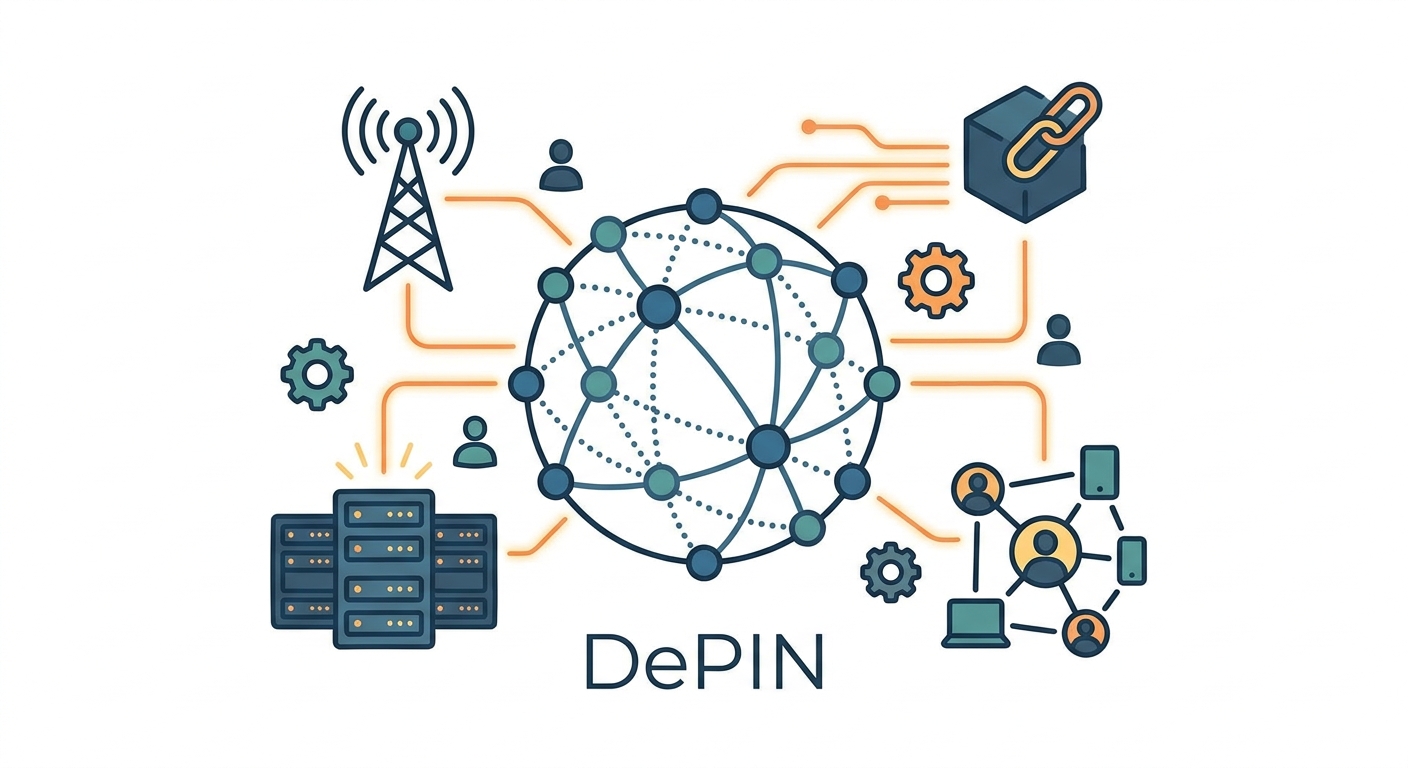
DePIN—short for Decentralized Physical Infrastructure Networks—is the industry’s way of saying: "Enough."
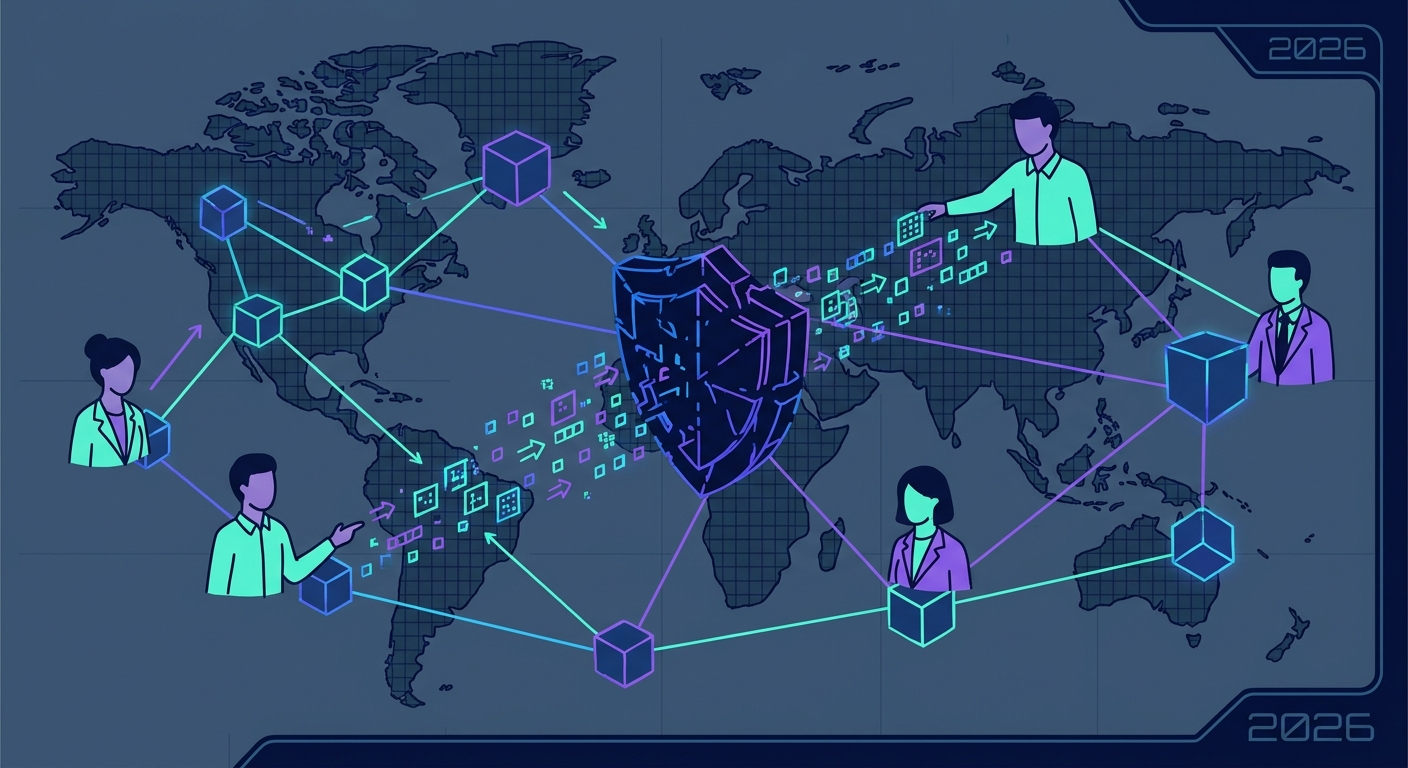
Instead of relying on massive, centralized data centers owned by a single boardroom, DePIN flips the script. It uses blockchain technology to coordinate a global army of individuals to build, maintain, and scale infrastructure. Think of it as the Airbnb model for hardware. You own the gear; you provide the service; the protocol pays you for your trouble. It’s not just tech; it’s a total shift in power.
How Does DePIN Work?
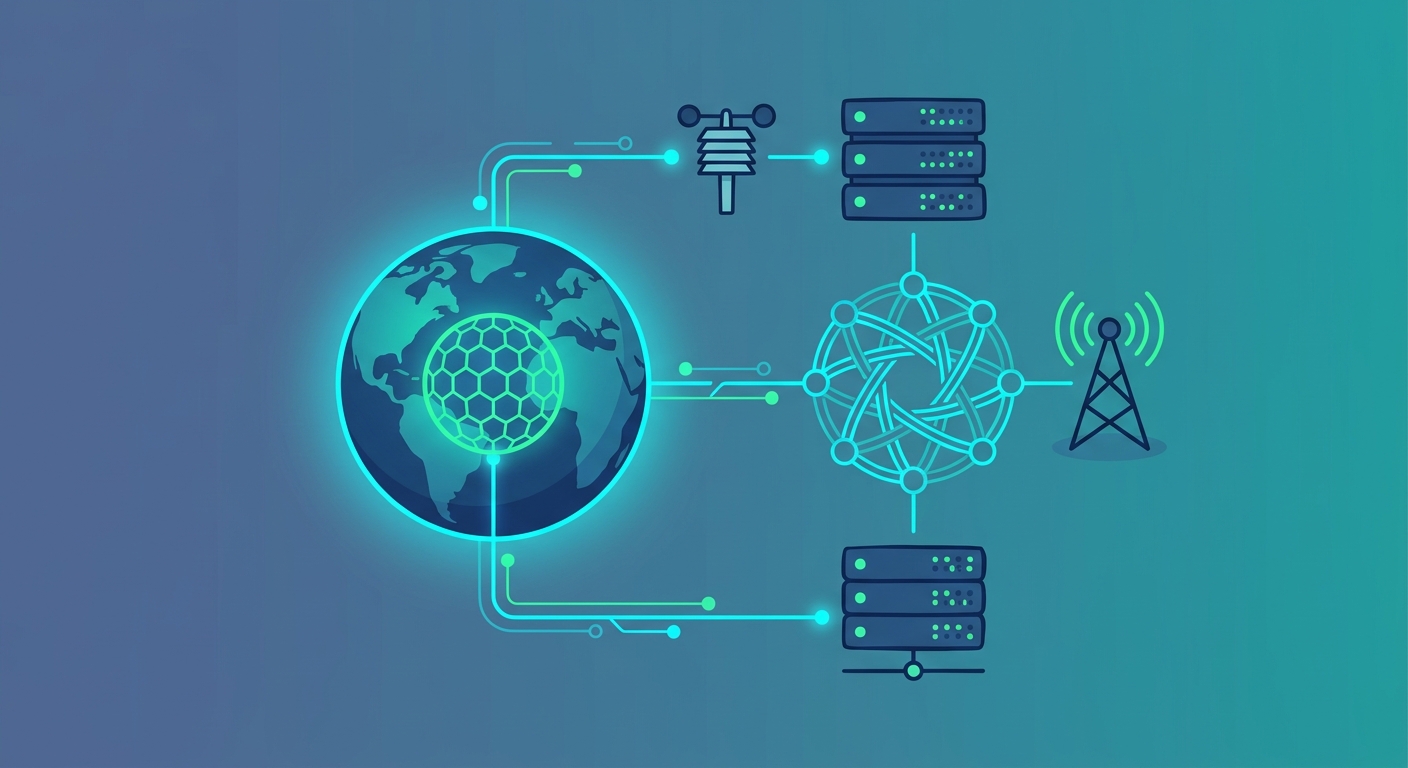
Bridging the gap between the wild, decentralized world of Web3 and the rigid, physical requirements of reality isn't easy. But a solid DePIN project keeps it simple by operating across three distinct layers.
First, you have the Physical Infrastructure layer. This is the tangible stuff—the routers humming in your living room, the high-end GPU in your gaming rig, or the sensors tracking maps from your dashboard.
Second, there’s the Middleware layer. This is the glue. It’s the software protocol that talks to your hardware, manages the flow of data, and makes sure the service you’re providing is actually legit.
Finally, the Blockchain layer. This is your settlement engine. It handles the token rewards, ensuring that when you provide a service, you get paid automatically for your verified contributions.
This "Proof of Physical Work" is the secret sauce. Traditional crypto mining is often just burning electricity to solve abstract math puzzles. DePIN is different. You only get paid if you’re actually doing something useful—like routing traffic or hosting files. If you aren't providing value, you aren't getting the reward. It’s as simple as that.
Why is the "DePIN Flywheel" So Powerful?
If you’ve ever looked at a traditional startup, you know the grind. You need millions in venture capital to buy hardware before you even have a single customer. You’re taking all the risk, and if the market doesn't bite, you're toast.
DePIN does this differently. It uses the "DePIN Flywheel."
It starts with the token. High rewards attract supply—people who believe in the network and are willing to set up hardware to earn their share. As that hardware comes online, the network’s quality, coverage, and speed explode. That performance attracts real-world users and paying customers. As demand grows, the utility of the token rises, which drives the price up. Higher prices attract even more providers. The cycle feeds itself. By offloading the capital costs to the community, DePIN projects can scale at a velocity that would make a traditional CEO’s head spin.
What Are the Two Main Categories of DePIN?
To wrap your head around the landscape, think of it in two buckets: Physical Resource Networks (PRNs) and Digital Resource Networks (DRNs).
PRNs (Physical Resource Networks) are all about geography. Their value is tied to the map. Projects like Helium or Hivemapper only work if people are physically present in specific locations to provide coverage or map streets. If you put a Helium hotspot in the middle of a deserted canyon, it’s a paperweight. It provides zero value to the network.
DRNs (Digital Resource Networks), however, don't care where you are. They aggregate digital resources like computing power or storage, which are the same whether they’re in a basement in Tokyo or a skyscraper in New York. If you’re providing GPU power to a network like Render, the network only cares about your processing capacity. Location is irrelevant.
DePIN vs. Traditional Infrastructure: What’s the Difference?
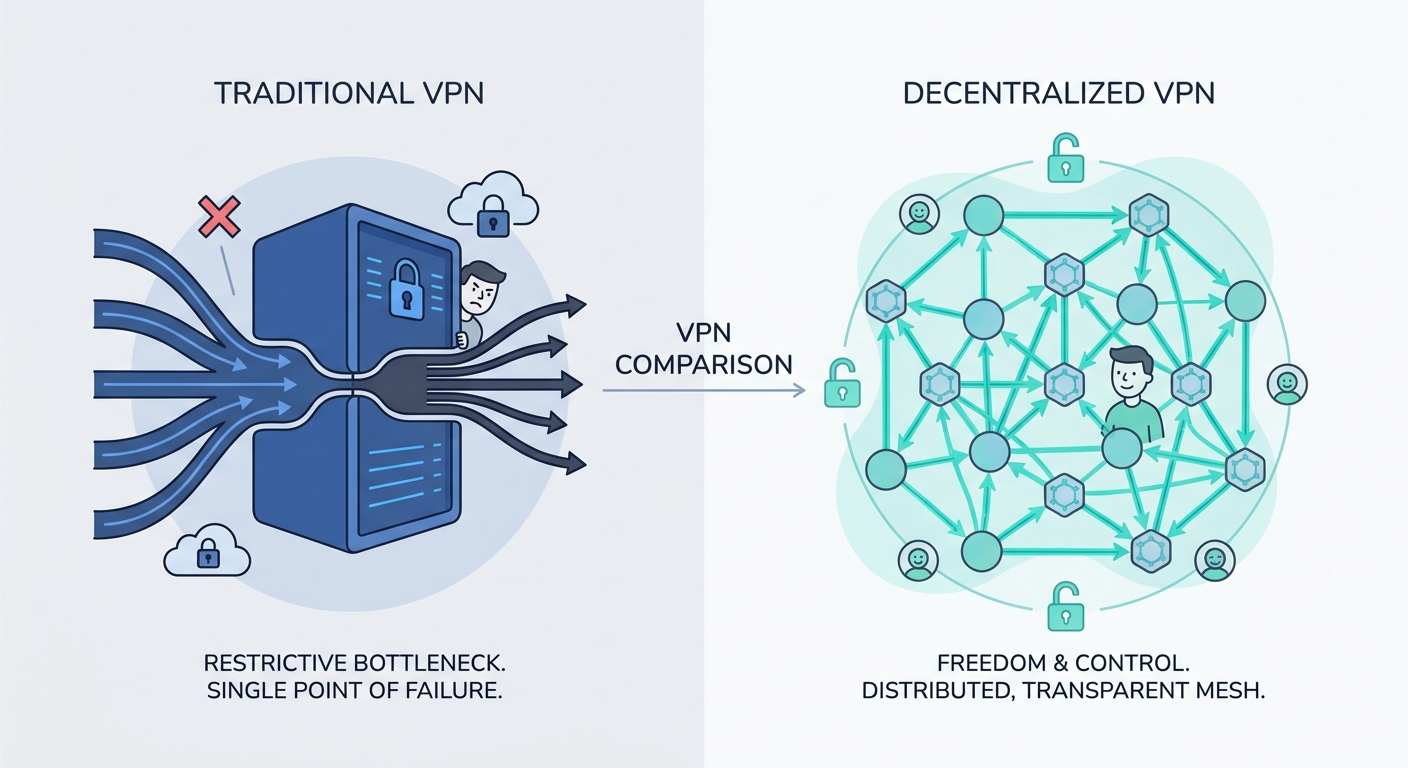
The contrast here is stark. Traditional infrastructure is built on "corporate rent-seeking." A few giants control the gates, the pricing, and the access. If they decide to hike prices or censor your data, what are you going to do? Switch? Good luck.
DePIN brings real competition to the protocol level. Because the infrastructure is decentralized, no single CEO can suddenly decide to jack up prices. The barrier to entry is also pulverized. You don't need a billion-dollar budget; you just need a spare device and an internet connection. For those interested in how these networks are evolving, the Solana DePIN Ecosystem provides a great look at how high-performance chains are powering this movement.
How Can You Monetize Your Idle Hardware?
Most of us have thousands of dollars of computing power sitting idle for 20 hours a day. It’s a digital ghost town. DePIN turns that waste into a revenue stream. You can rent out your unused bandwidth, contribute your GPU cycles to AI training, or lease your storage space to decentralized cloud providers.
For instance, if you are concerned about your digital footprint, you might look into what is a decentralized VPN? to understand how sharing bandwidth can actually improve your privacy. By participating in these networks, you aren't just earning tokens; you are helping build a more resilient, private internet. If you are new to this, there are many ways to enhance your online privacy while participating in these decentralized ecosystems.
What are the Real-World Benefits for Privacy and Security?
Centralized networks are honey pots for hackers. If you control the central server, you control the data, the access, and the kill switch. It’s a single point of failure that is just waiting to happen.
Decentralized infrastructure? It kills that single point of failure.
Imagine a neighborhood running on a decentralized ISP. Because the network is made of dozens of individual nodes owned by the people living there, there is no "head" to cut off. It’s naturally resistant to censorship and natural disasters. If one node goes down, the rest of the network routes around it automatically. It’s a self-healing architecture that traditional ISPs simply can’t match.
What Are the Risks and Challenges of Participating?
Let’s be real. This isn't a "get rich quick" scheme. You face real risks. Hardware depreciates, and there’s always a chance your electricity costs will outweigh your rewards if the token price dips.
Then there’s the "Cold Start" problem. A network is useless without users, but it’s hard to get users without a network. Some projects fail to bridge this gap, leaving early supporters with a bag of worthless tokens. Furthermore, as a16z Crypto’s analysis on the 6 use cases for DePIN highlights, regulatory hurdles remain a significant gray area for hardware compliance and data sovereignty. Proceed with caution.
The Future of DePIN: Where is the Industry Heading in 2026?
As we move through 2026, the "hype" phase of DePIN is dying out, replaced by a laser focus on enterprise-grade utility. We’re past the prototype stage. Now, projects are pushing for Service Level Agreements (SLAs) that can finally go toe-to-toe with the uptime guarantees of the big cloud providers. If you want to keep a pulse on the market, tracking the CoinGecko DePIN category is a helpful way to see which projects are gaining real traction and moving toward mass adoption.
Frequently Asked Questions
Is DePIN just about crypto mining?
No. While both involve hardware, traditional mining is purely about securing a blockchain. DePIN is about providing real-world utility, such as storage, compute, or internet access. You are rewarded for the service you provide to the network, not just for hashing power.
Do I need expensive hardware to participate in DePIN?
It depends on the project. Some, like decentralized storage or GPU compute networks, can run on standard gaming PCs or spare hard drives. Others may require specialized hardware, such as specific 5G radios or GPS-enabled sensors, to ensure the quality of the service provided.
Is DePIN really more efficient than AWS or Google Cloud?
In terms of raw overhead, yes. Because DePIN leverages hardware that already exists, it doesn't have the massive cost of building and cooling giant data centers. However, enterprise giants still hold an edge in reliability and customer support. DePIN is currently closing that gap through better software and protocol-level incentives.
What is the biggest risk for a DePIN project?
The "Cold Start" problem is the greatest hurdle. Projects need to convince enough people to buy and run hardware before there are enough users to make the network valuable. If a project fails to attract users quickly, the token value can plummet, leading to a "death spiral" where hardware providers unplug their devices, causing the network to collapse.