Tokenized Bandwidth Liquidity Pools and Automated Market Makers (AMM)

TL;DR
The Rise of DePIN and the Airbnb for Bandwidth
Ever wonder if that extra internet speed you pay for but never use could actually pay you back? It's kind of like having a spare bedroom and listing it on Airbnb, but instead of guests, you're hosting data bits for the decentralized web.
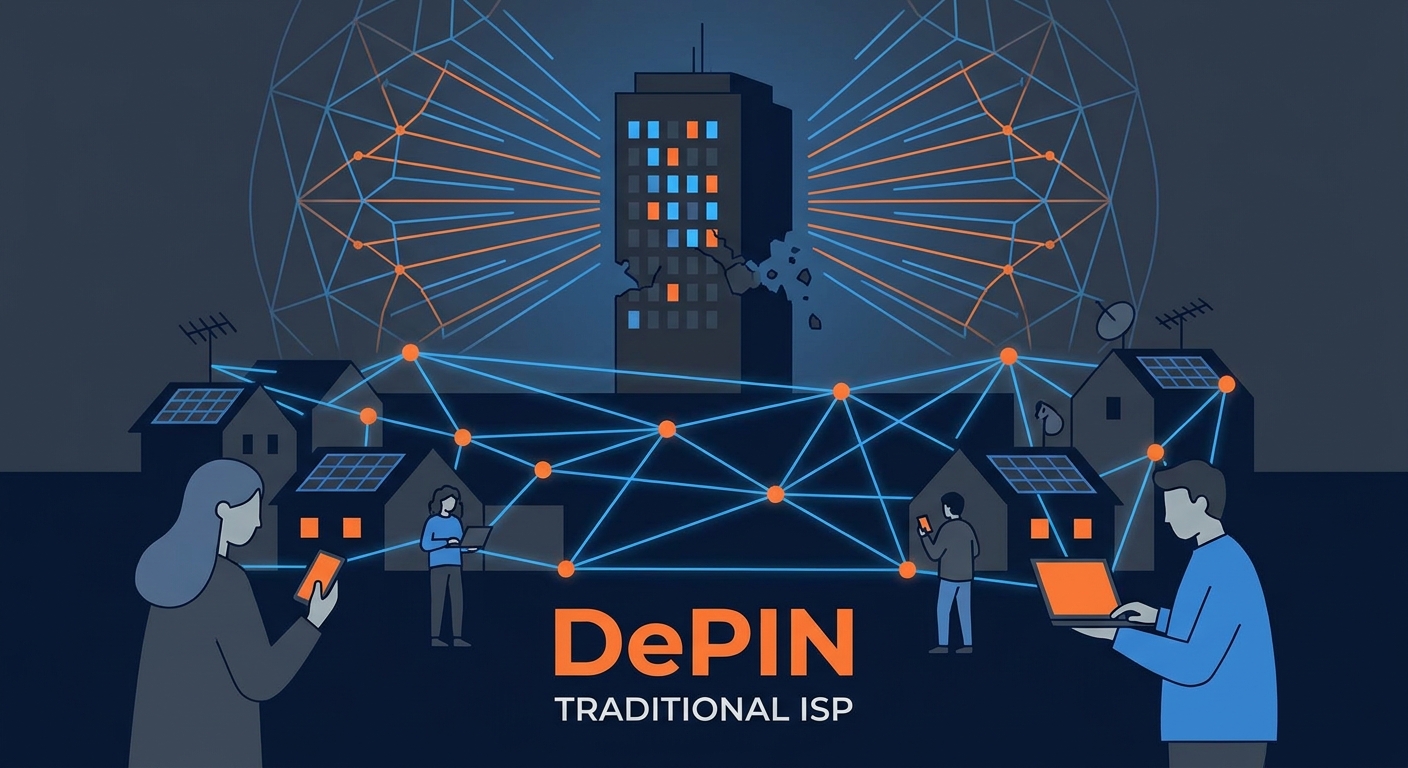
DePIN stands for Decentralized Physical Infrastructure Networks. Basically, it moves us away from those massive corporate data centers and lets regular folks build the network. Instead of a single company owning all the servers, a p2p network of home routers and devices handles the load.
- Sharing is Caring (and Profitable): You can share your unused bandwidth and get crypto rewards in return. It’s a way to monetize an asset you already own.
- No More Corporate Overlords: Since there's no central "boss," the network is much harder to censor or shut down.
- Better Value Flow: These networks use tokenized assets so the value stays with the people actually providing the service.

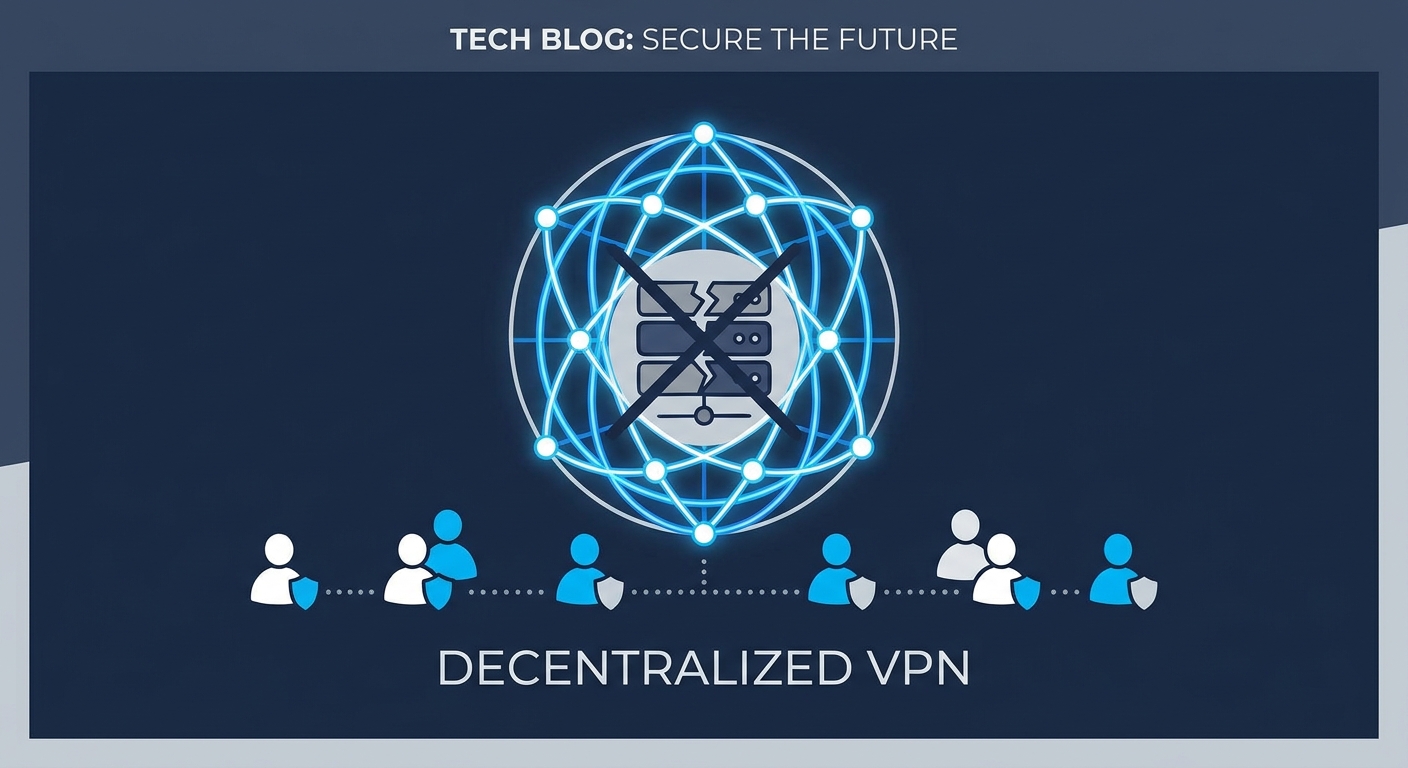
Traditional vpn services often keep logs of what you do, which is a huge privacy bummer. (Found out my company VPN is logging everything I do is this normal ...) Plus, they have "single points of failure"—if their main server goes down, you're stuck.
By using tokenized network resources, we create a distributed vpn node system. There isn't one "off" switch for the government to flip. According to Gemini Cryptopedia, these systems often use automated market makers (amms) to keep things liquid and running 24/7 without needing a middleman to approve every trade. These amms rely on a math formula, usually $x * y = k$, where $x$ and $y$ are the two assets in the pool and $k$ is a constant value that stays the same to set the price.
It’s a total shift in how we think about the internet. Next, let's look at how these "liquidity pools" actually keep the digital lights on.
Understanding Tokenized Bandwidth Liquidity Pools
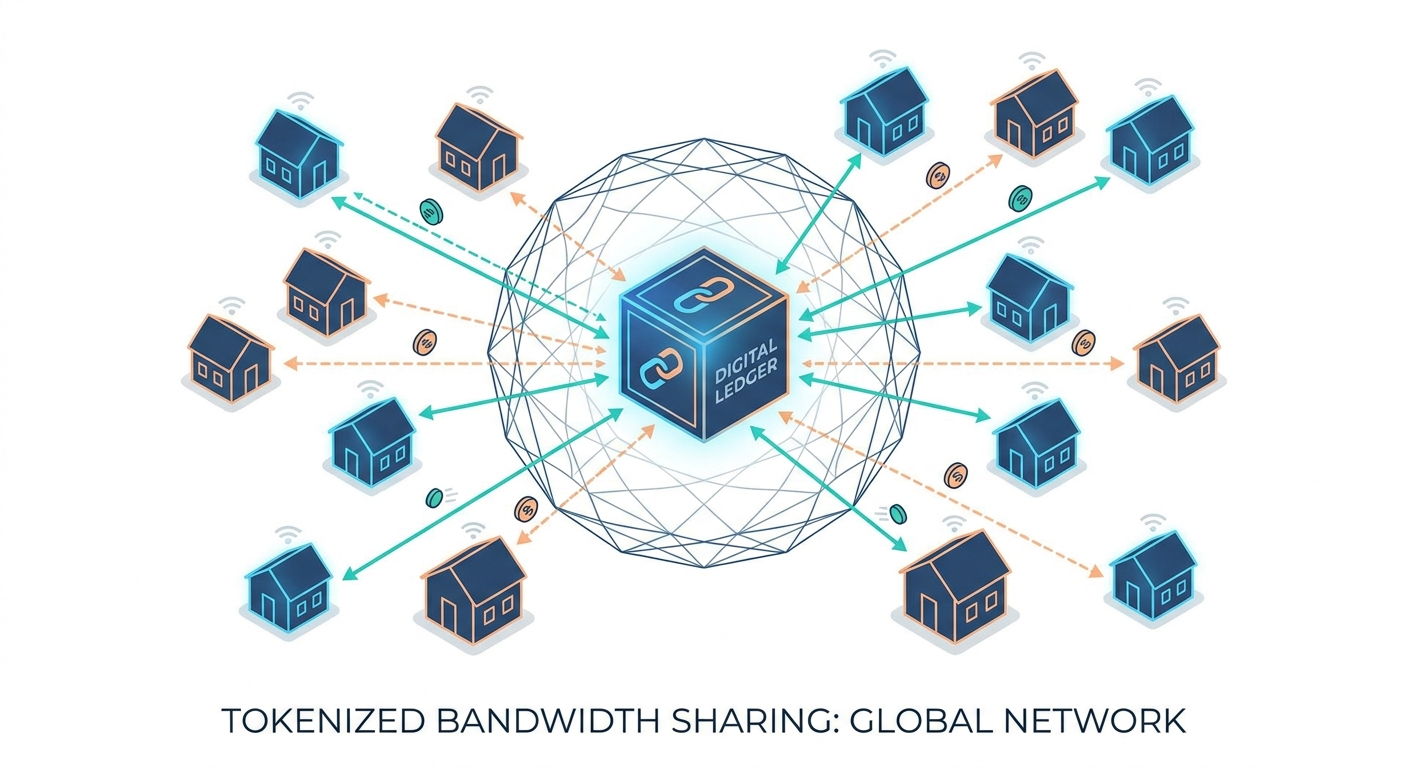
Think of a liquidity pool like a giant, digital communal bucket. Instead of waiting for a specific person to buy your spare bandwidth, you just toss your "bandwidth tokens" into the bucket, and anyone who needs a vpn connection pulls them out automatically.
To make this work, your unused data needs to look like something a computer can trade. This is where tokenization comes in. Your node (like a home router) proves it provided 1GB of traffic, and the network issues an erc-20 token representing that value. To get started as a provider, you first "mint" these tokens by contributing resources or you buy them on an exchange. You also need "payment tokens" like USDC, which you can get by swapping other crypto or using a credit card on a gateway.
- Liquidity Providers (LPs): These are regular folks—maybe you!—who deposit their bandwidth tokens and a stablecoin (like USDC) into a pool. You provide the assets, but the amm protocol itself is the "math bot" that actually manages the price discovery based on the ratio of what's in the bucket.
- Automated Pricing: You don't have to set a price yourself. According to Coinbase, these pools use mathematical formulas to balance supply and demand instantly.
- Earning Yield: Because you're helping the network stay "liquid," you get a cut of the transaction fees whenever someone uses the dvpn. It's truly passive income for your router.

Because amms use economic incentives to ensure there is always "high availability" and uptime, they are becoming huge for mission-critical sectors. In industries like healthcare, where doctors need to access patient records securely from home, these pools ensure there's always a fast, distributed node available. Even in retail, a small shop owner can use a tokenized vpn to process payments without worrying about a central server outage.
I know, "liquidity pool" sounds like something for wall street, but for us, it's just a way to make the internet fairer. At SquirrelVPN, we're always watching these trends because they're the backbone of true digital freedom. It's a bit messy right now, but it's way better than trusting a single corporate provider with all your data.
How Automated Market Makers (AMM) Fix the Network
So, you’ve got these big buckets of bandwidth tokens we talked about earlier. But how do we actually decide what a megabit is worth without some wall street guy in a suit screaming on a trading floor?
That's where the Automated Market Maker (amm) comes in. Think of it as a tiny, tireless math robot that lives inside the blockchain. It doesn't sleep, it doesn't take lunch breaks, and it sure doesn't care about "vibes"—it just follows a formula to keep the internet flowing.
Most of these systems use a classic bit of math called the "constant product formula" ($x * y = k$). It sounds scary, but it's basically just a see-saw.
- Balancing the Seesaw: If a bunch of people suddenly want to buy vpn access in a specific city, they pull "bandwidth tokens" out of the pool and put "payment tokens" (like a stablecoin) in.
- Automatic Price Hikes: As the bandwidth tokens in the bucket get lower, the math robot automatically makes the remaining ones more expensive. This stops the pool from hitting zero.
- No Manual Hassle: In the old days, you'd have to post an "order" and wait for a seller. But as noted earlier, amms let you trade instantly against the pool itself. No waiting, no middleman.
"The constant, represented by 'k', means there is a constant balance of assets that determines the price of tokens in a liquidity pool."
This isn't just for fun; it actually fixes the network when things get wonky. Imagine a huge protest happens or a big sports event kicks off in a region where there aren't many nodes.
- Low Supply = High Rewards: The amm sees the node count is low and the demand is high, so it spikes the price.
- The "Honey" Effect: Suddenly, "bandwidth miners" (regular people with routers) see they can earn 5x the normal rewards by switching their gear to cover that area.
- Self-Healing: New nodes rush in to grab those high rewards, the supply goes up, and the price settles back down.
It’s like a self-correcting map of the internet. In finance, this keeps trading apps from lagging during market crashes. In healthcare, it ensures a rural clinic always has enough "liquidity" to securely beam a high-res X-ray to a specialist in the city without the connection dropping.
Bandwidth Mining and Crypto VPN Rewards
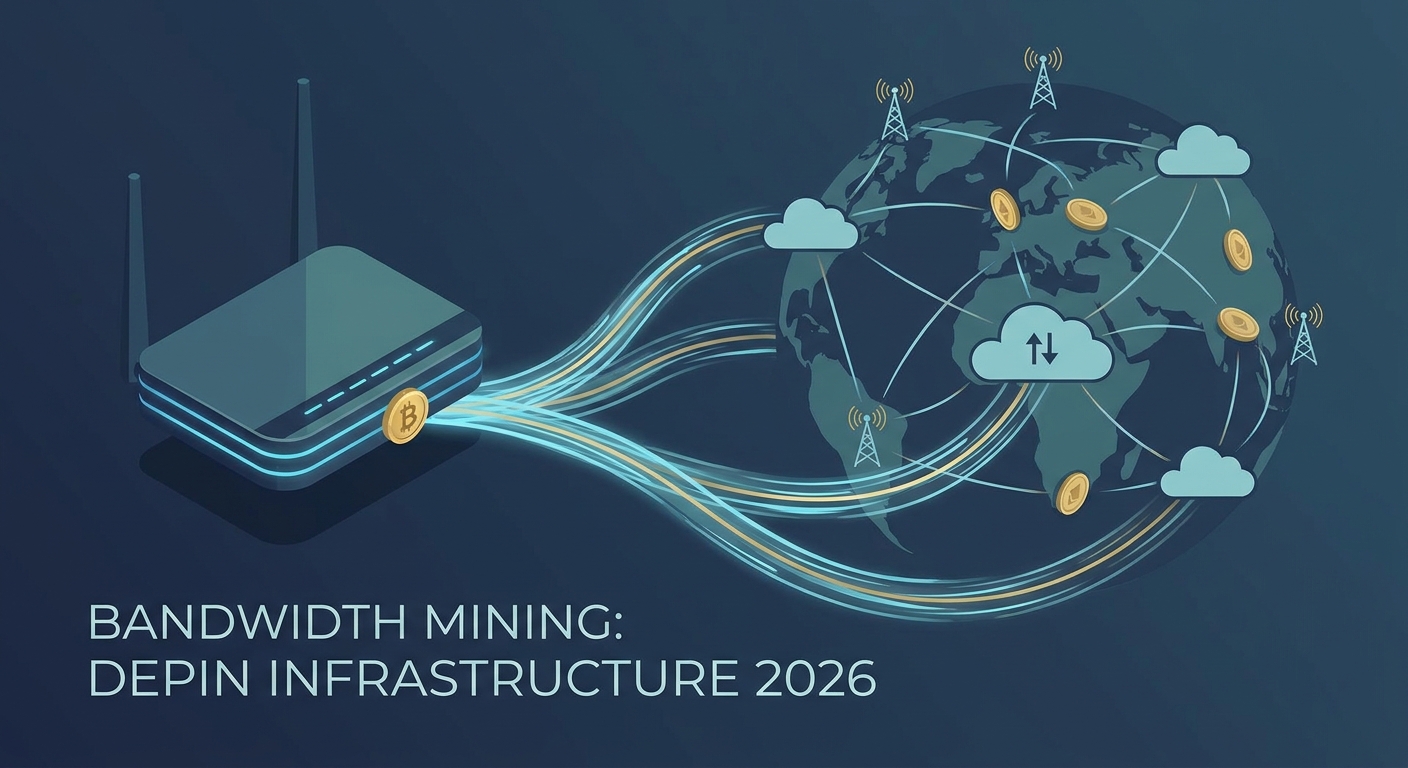
Ever thought your home router could actually earn its keep? Instead of just sitting there blinking, it can join a p2p network where you get paid for the data you aren't using.
To start "mining" bandwidth, you don't need a crazy supercomputer. Most folks just use a dedicated DePIN gateway or even a raspberry pi. The main thing is having a stable connection—if your internet is spotty, the network won't be happy.
- Hardware: A low-power device that stays on 24/7.
- Connection: High upload speeds are the real "gold" here.
- Software: You'll run a node client that handles the encrypted tunneling.
You might wonder, "can't someone just fake how much data they're sharing?" Well, these networks use something called Proof of Bandwidth. Since there is no central boss, other nodes or "validators" in the network perform these checks to make sure you're actually providing the speed you claim.
If you're also acting as a liquidity provider in those pools we mentioned, you gotta watch out for impermanent loss. This is a balancing act where if the price of your bandwidth token surges compared to the stablecoin, you might end up with fewer tokens overall than if you had just held them in your wallet. It’s a bit of a risk, but the fees you collect usually help cushion the blow.

In retail, a shop owner might run a node to offset their monthly internet bill. Meanwhile, in finance, firms use these distributed nodes to ensure their trading bots always have a path to the market, even if a major isp has an outage.
The Future of Censorship-Resistant VPN Technology
So, we’ve reached the end of the road on our little deep dive into the future of the internet. It’s a lot to take in, but honestly, seeing how regular people are starting to take back control from the big corporate isps is pretty exciting.
The magic happens when we stop looking at a vpn as just an app and start seeing it as a living, breathing network. By combining advanced tunneling protocols with those math-heavy amms we talked about, the network becomes "self-healing." If a node goes down in one country, the price of bandwidth there ticks up, and new miners rush in to fill the gap.
- The Decentralized ISP: We’re moving toward a world where you don’t just buy internet from one company; you tap into a global pool of neighbors.
- Resistant to the "Off" Switch: Because there's no central server, it’s incredibly hard for anyone to censor what you’re doing.
- Fairer Rewards: These amm concepts are being adopted across various chains like Ethereum and XRPL.org to provide broader industry context. They use automated rates so liquidity providers get a fair cut without a middleman taking a massive fee.
In finance, this means a trader in a restricted region can still hit the markets. In healthcare, it means a clinic can stay online during a local outage by jumping onto a neighbor's node.
It’s a bit messy and "beta" right now, but it’s the first real step toward an internet that belongs to us. Stay safe out there!