Best dVPNs of 2026: Top-Rated Web3 VPN Providers for Secure Browsing
TL;DR
The traditional VPN model is officially a dinosaur. For years, we’ve been told to fork over our subscription fees to some faceless corporation, trust their "no-logs" marketing banners, and hope they don’t fold under a government subpoena. It was a shaky foundation built on blind faith.
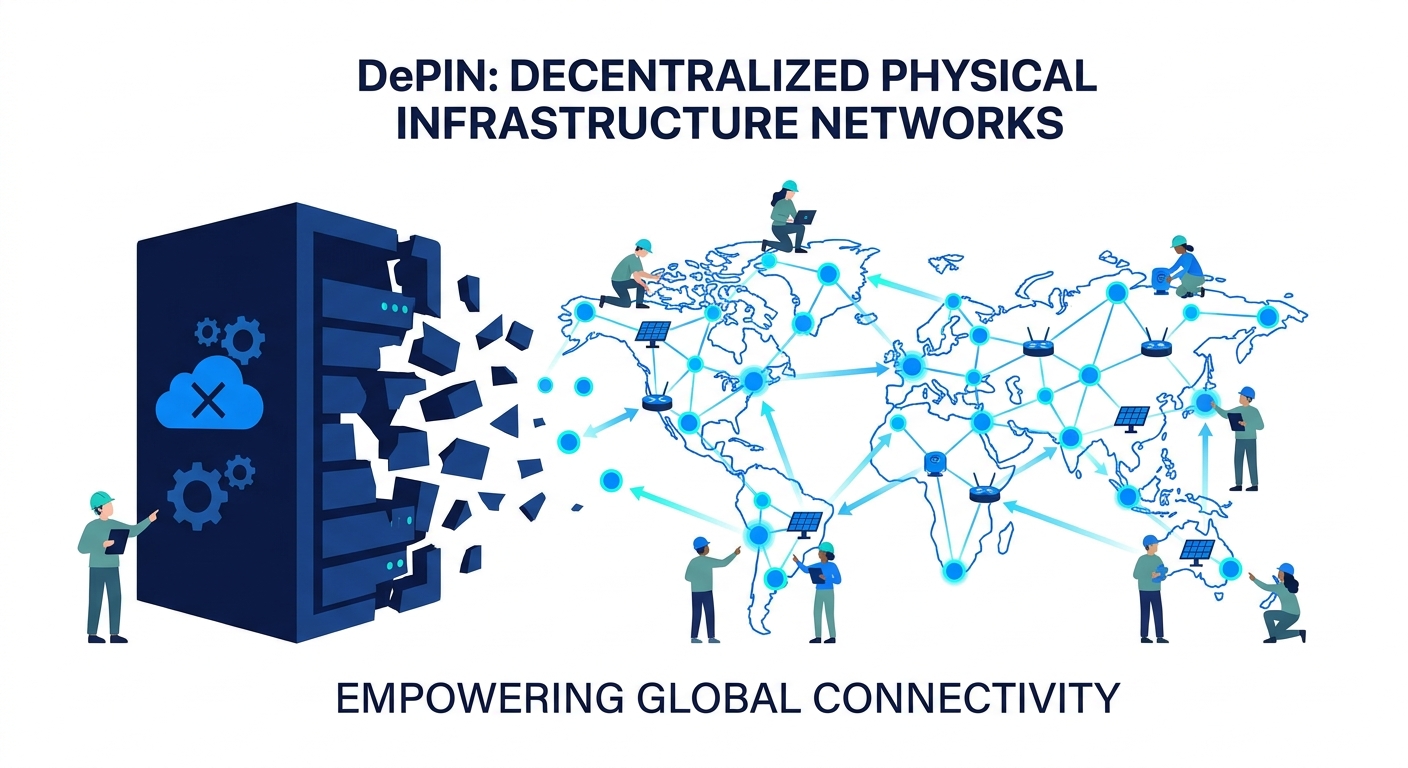
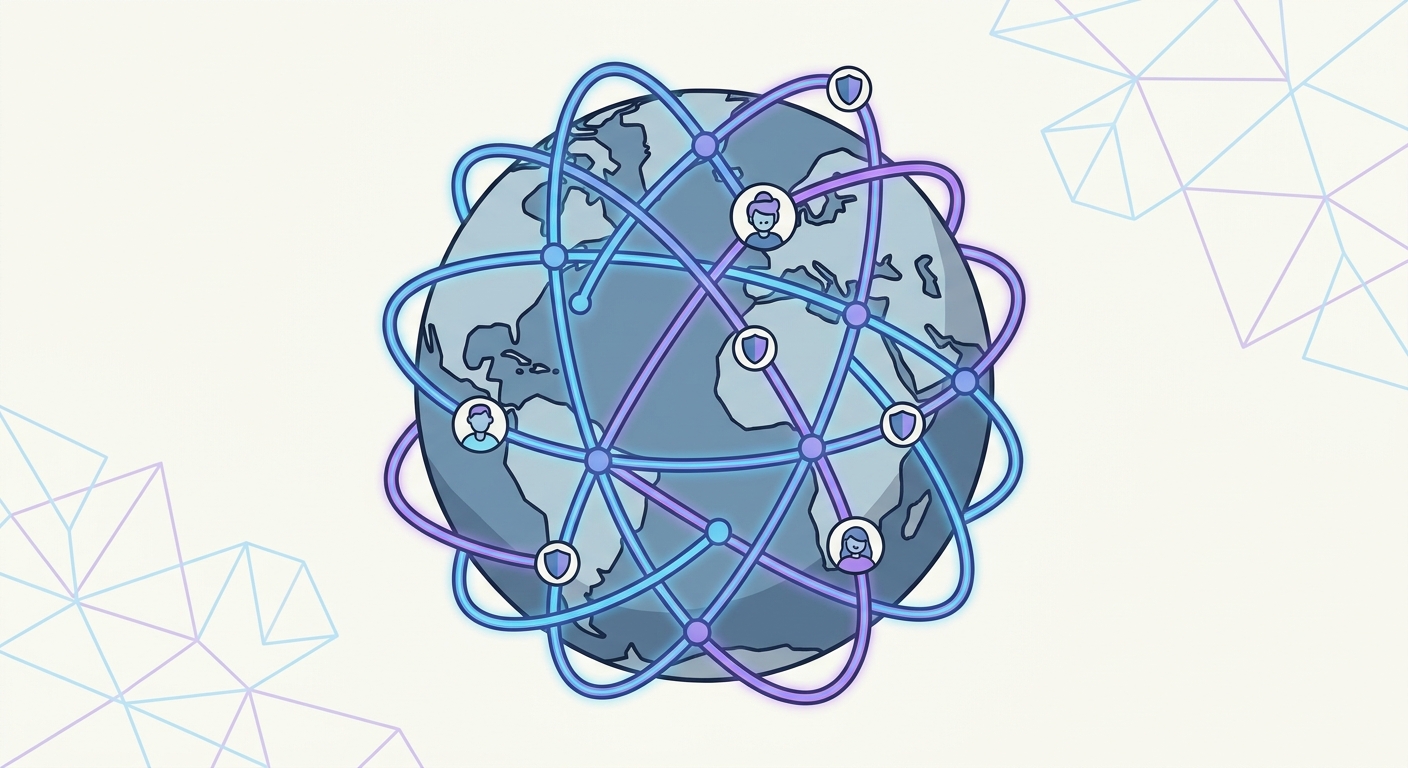
By 2026, that era is ending. We’ve moved into the age of the Decentralized VPN (dVPN). Instead of routing your data through a single company’s data center, dVPNs leverage a global, peer-to-peer mesh. It turns privacy from a corporate promise into a cryptographic certainty. If you’re wondering why this is the biggest shift in decentralized privacy, look no further than the explosion of DePIN (Decentralized Physical Infrastructure Networks). It’s not just tech; it’s a total reclamation of your digital footprint.
What Exactly Is a dVPN?
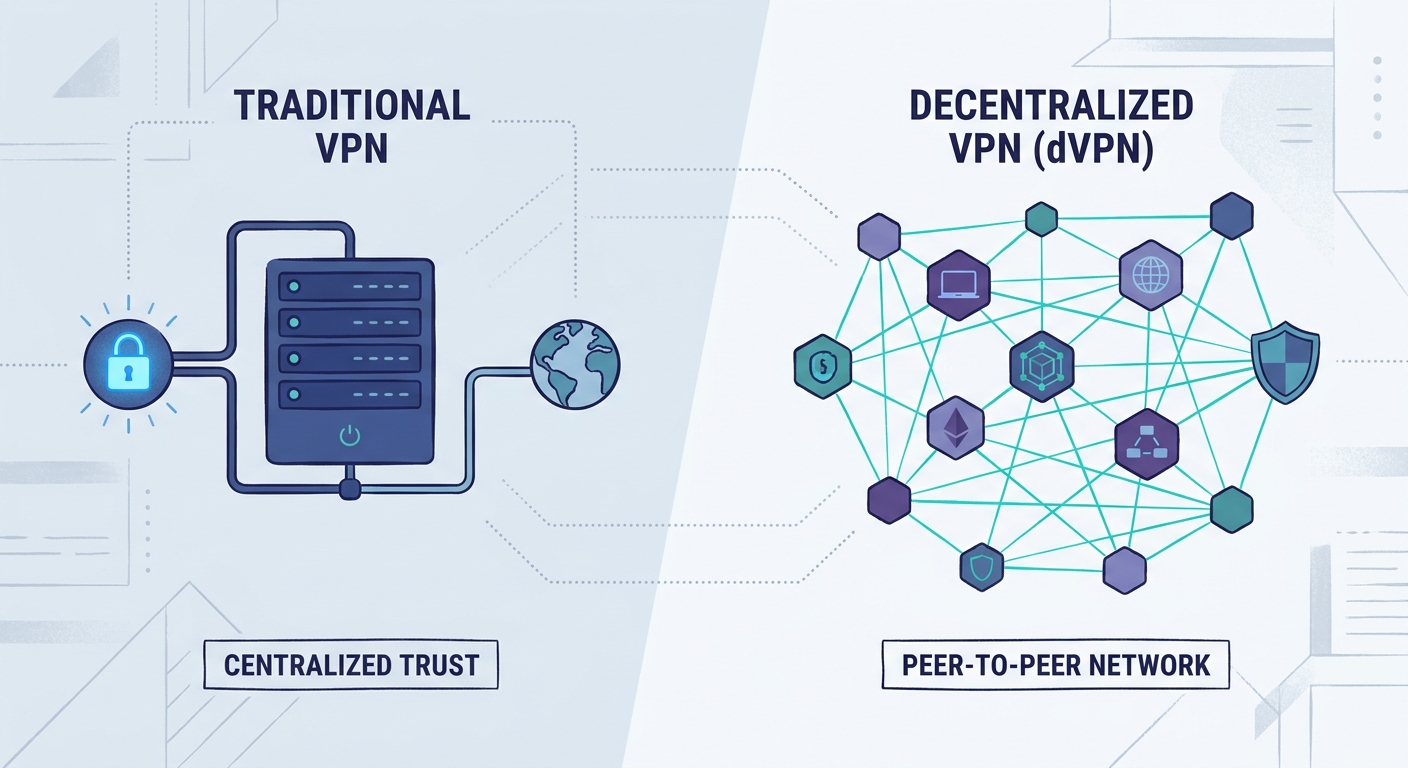
Think of a traditional VPN as a private toll road. You pay the operator, they give you a pass, and you drive through their lane. The catch? The toll booth operator knows exactly what you’re driving, where you’re headed, and how long you stayed on the road. Even if they scream "no-logs" from the rooftops, they’re still a centralized entity. They can be hacked, coerced, or corrupted.
A dVPN is more like a public transit system where every single vehicle is individually owned and encrypted. Your data doesn’t sit on one server. It gets chopped up, scrambled, and bounced through a shifting maze of independent nodes spread across the planet. This detailed analysis of dVPN architecture breaks down how the blockchain acts as a neutral referee. It verifies that your traffic is moving safely without ever needing to know who you are or who is running the node. No master key, no central honey pot for hackers to raid.
How Does a Decentralized VPN Work?
The magic is in the distribution. When you hit "connect," your client isn’t shaking hands with a central hub. It’s negotiating a path through a mesh of stake-backed nodes.
Why Should You Switch in 2026?
This isn’t just about being a privacy nerd. It’s about performance and survival.
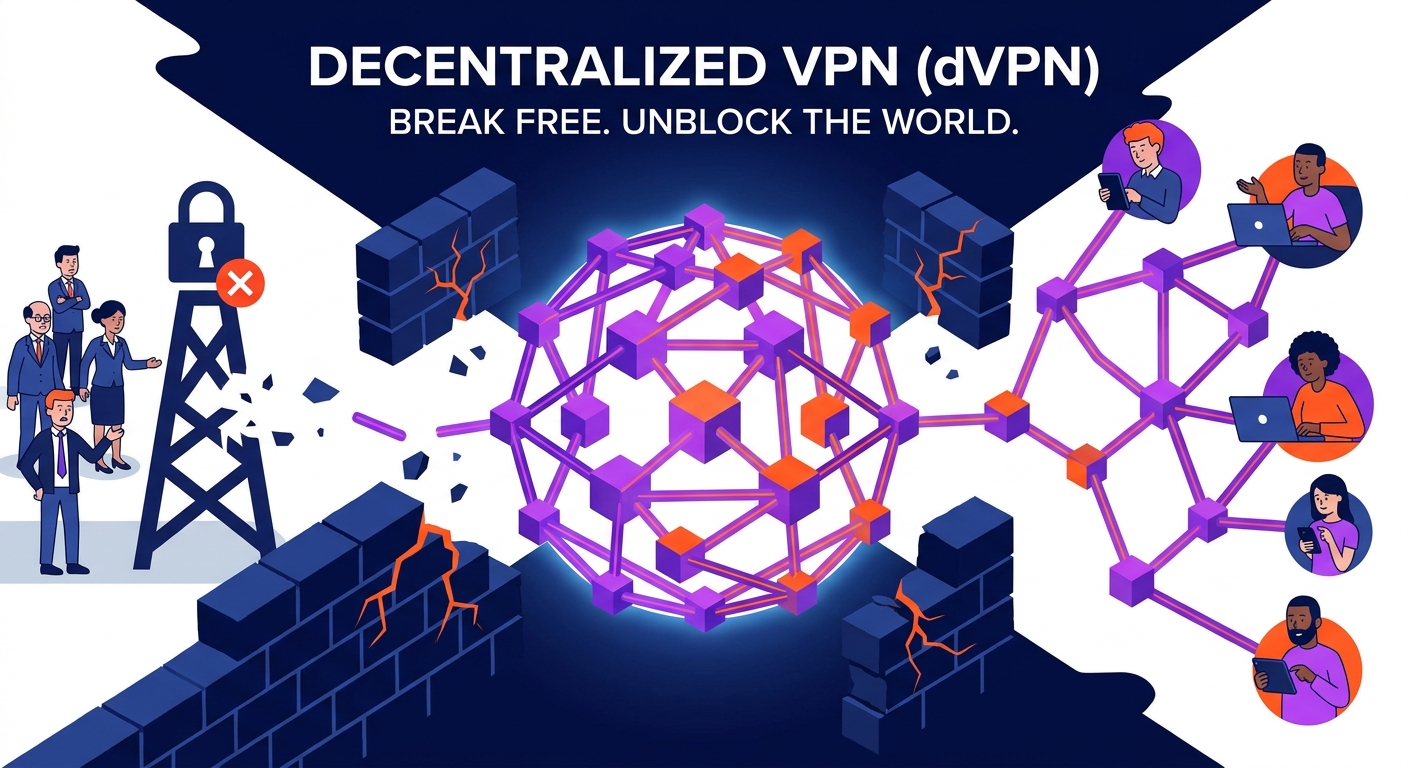
First, let’s talk about censorship resistance. Old-school protocols like OpenVPN are easy for firewalls to spot and squash. But dVPNs? They’re slippery. Because they use a constantly shifting mesh of residential IP addresses, they’re a nightmare for censors to blacklist. If one node gets blocked, the network just routes around it like water flowing around a rock.
Then there’s the trustless architecture. In the Web3 world, code is the only thing that matters. You don’t need to read a "privacy policy" written by a marketing team. You can audit the smart contracts yourself. This is a core pillar of the broader Web3 security landscape that we’ve been tracking for years.
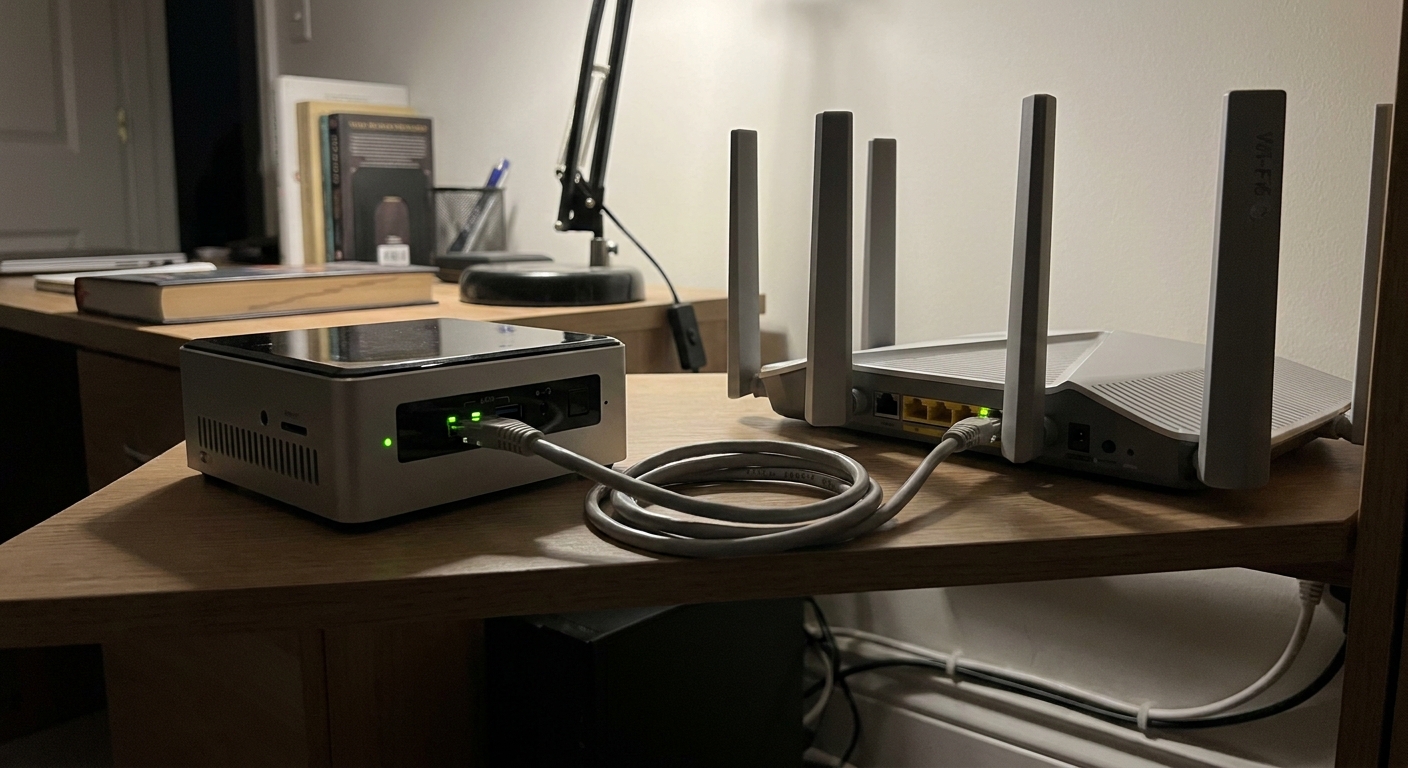
Finally, the economics. It’s the "Airbnb for Bandwidth." You aren't just a customer; you’re a participant. If you decide to run a node, you earn tokens by sharing your idle connection. It’s a way to offset your privacy costs—or even turn a profit—just by keeping your computer on.
The Top-Rated dVPN Providers of 2026
Not all dVPNs are created equal. We’ve ranked these based on node density, real-world UX, and how stable their tokenomics are. If you want to get into the weeds, you can compare technical specifications of top providers to see how they handle speed and latency.
- Sentinel (DVPN): The rugged choice. It has the biggest network of independent nodes. If you’re in a place with heavy censorship, this is your primary tool for staying online.
- Mysterium Network: The "it just works" option. If you hate technical headaches, Mysterium’s interface is as smooth as a standard VPN but keeps the decentralized guts.
- Orchid (OXT): A true pioneer. They use "probabilistic nanopayments," which is just a fancy way of saying you only pay for the exact amount of bandwidth you use. No more wasted subscription money.
- Alpen: The mobile king. If you’re constantly jumping between coffee shop Wi-Fi and 5G, Alpen’s mobile app is the most reliable experience we’ve tested this year.
- PrivaNode: The dark horse. They’ve optimized their routing so well that people are finally shutting up about "dVPNs being slow." It’s fast, period.
The Reality of Performance: Is It Actually Fast?
The biggest myth about dVPNs is that the "multi-hop" routing makes them sluggish. A few years ago, that was fair. In 2026? Not so much. By tapping into high-speed residential nodes instead of congested data centers, many dVPNs are actually beating traditional providers during peak hours. You can look at industry-standard privacy tool benchmarking to see the data for yourself. The best apps now use AI to sniff out the lowest-latency path in milliseconds.
The Risks: What You Need to Watch Out For
Let’s be real. It’s not a magic bullet. The biggest theoretical risk is the "malicious exit node." Since anyone can host a node, there’s a tiny chance a bad actor is lurking. But here’s the thing: good protocols use reputation systems. If a node acts fishy, it gets de-ranked and kicked off the network. Plus, with multi-hop routing, your traffic is so fragmented that even if one node was evil, they couldn't tie your data back to your identity.
Support is another trade-off. You won’t find a 24/7 corporate help desk here. You’re relying on the community and the protocol’s self-healing code. And yes, token prices can swing. If you’re worried about that, look for providers that offer fiat on-ramps.
How to Get Started
Setting this up used to require a PhD in Computer Science. Now? It takes five minutes.
Download the client, link your wallet, and pick a node. Look for high reputation scores and solid uptime. That’s it. You’re done.
Frequently Asked Questions
Are dVPNs safe for non-technical users?
Absolutely. By 2026, most apps have an "auto-node" button. It handles the heavy lifting, picking the fastest and most secure route so you don’t have to think about it.
How do I earn tokens while using a dVPN?
Most apps have a "Node Mode." If you have extra bandwidth, you can share it with the network and get paid in tokens. It’s a great way to subsidize your own usage.
Why would I choose a dVPN over a traditional provider like NordVPN?
Control. A traditional provider has a central office, a central database, and a central point of failure. If they get subpoenaed, they have to hand over logs. A dVPN has none of that. There is no central server to seize.
Can a dVPN be tracked by my ISP?
Your ISP will see you’re connected to an encrypted tunnel, but they won’t see your traffic. Since you’re bouncing through a decentralized P2P mesh rather than a known VPN server IP, your ISP can’t easily throttle or peek at your activity.
Do I need to hold crypto to use a dVPN?
Not anymore. While they started as crypto-only, most top-tier providers now let you pay with a credit card or bank transfer. They handle the crypto conversion in the background, so you get the privacy without the wallet management.