How to Earn Crypto with Bandwidth: A Beginner’s Guide to Bandwidth Mining
TL;DR
Most people think of crypto mining and immediately picture a garage filled with deafening, electricity-guzzling rigs. But there’s a quieter side to the industry—one that doesn't require a small fortune in hardware or a dedicated cooling system. Enter bandwidth mining. It’s essentially the digital equivalent of renting out an empty parking spot, except instead of a car, you’re letting decentralized networks use your idle internet connection.
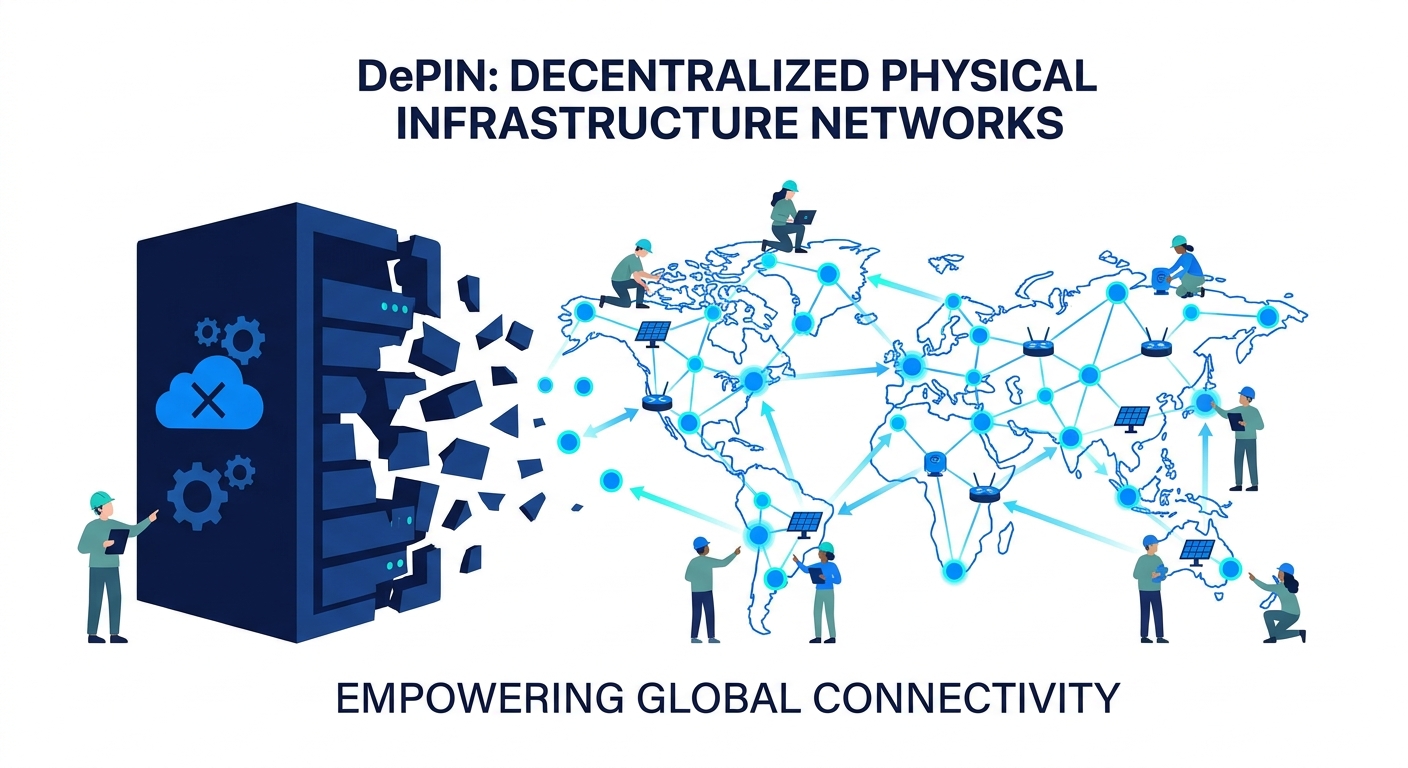
You aren't solving complex math problems here. You’re simply acting as a node, helping these networks with data validation, content delivery, and general security. It’s a cornerstone of what the industry calls DePIN—Decentralized Physical Infrastructure Networks. The pitch is simple: turn your unused data into a trickle of passive income. No high-powered GPUs, no massive upfront capital. Just your existing home Wi-Fi.
The Mechanics: How It Actually Works
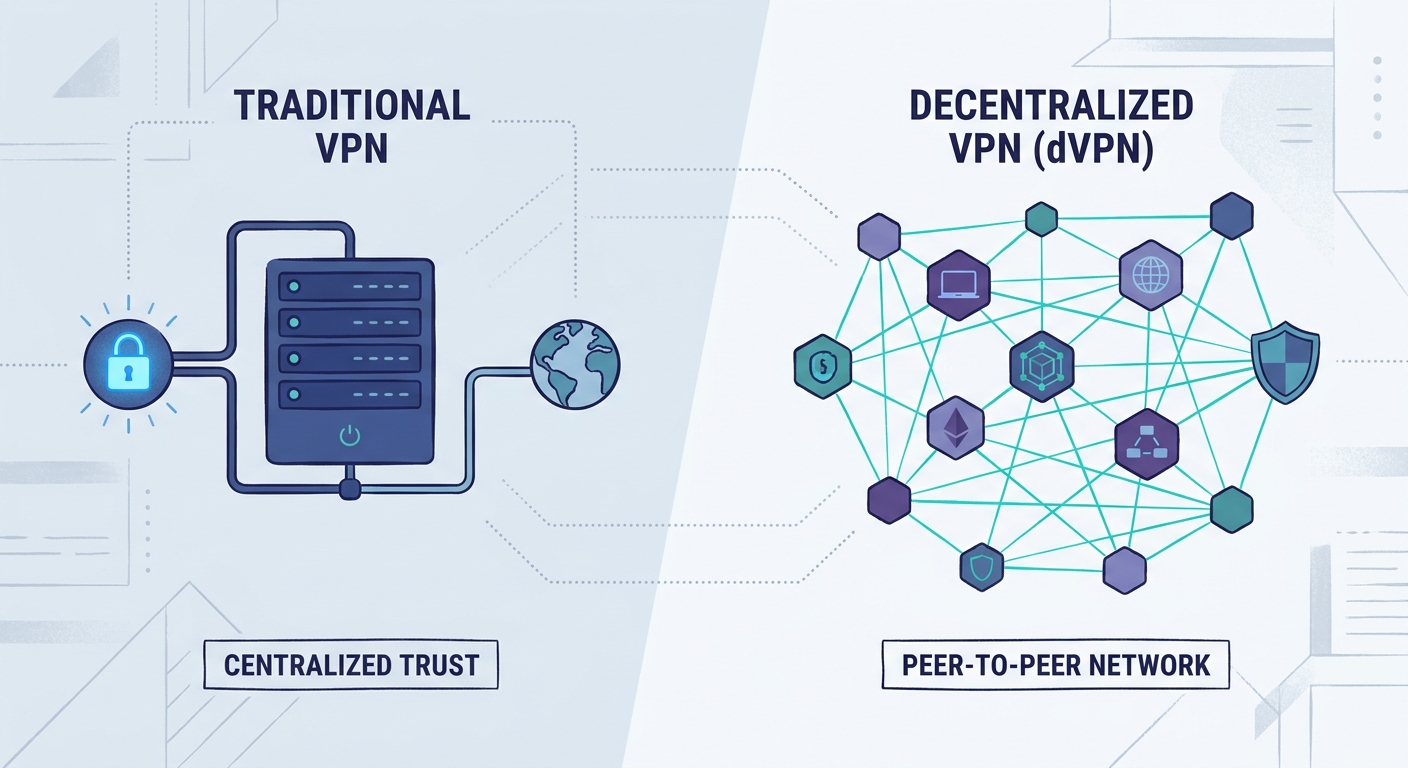
At its heart, bandwidth mining is just routing. You install a piece of software on your computer or phone, and that app turns your device into a gateway. Why do these networks want your connection? Because they need residential IP addresses.
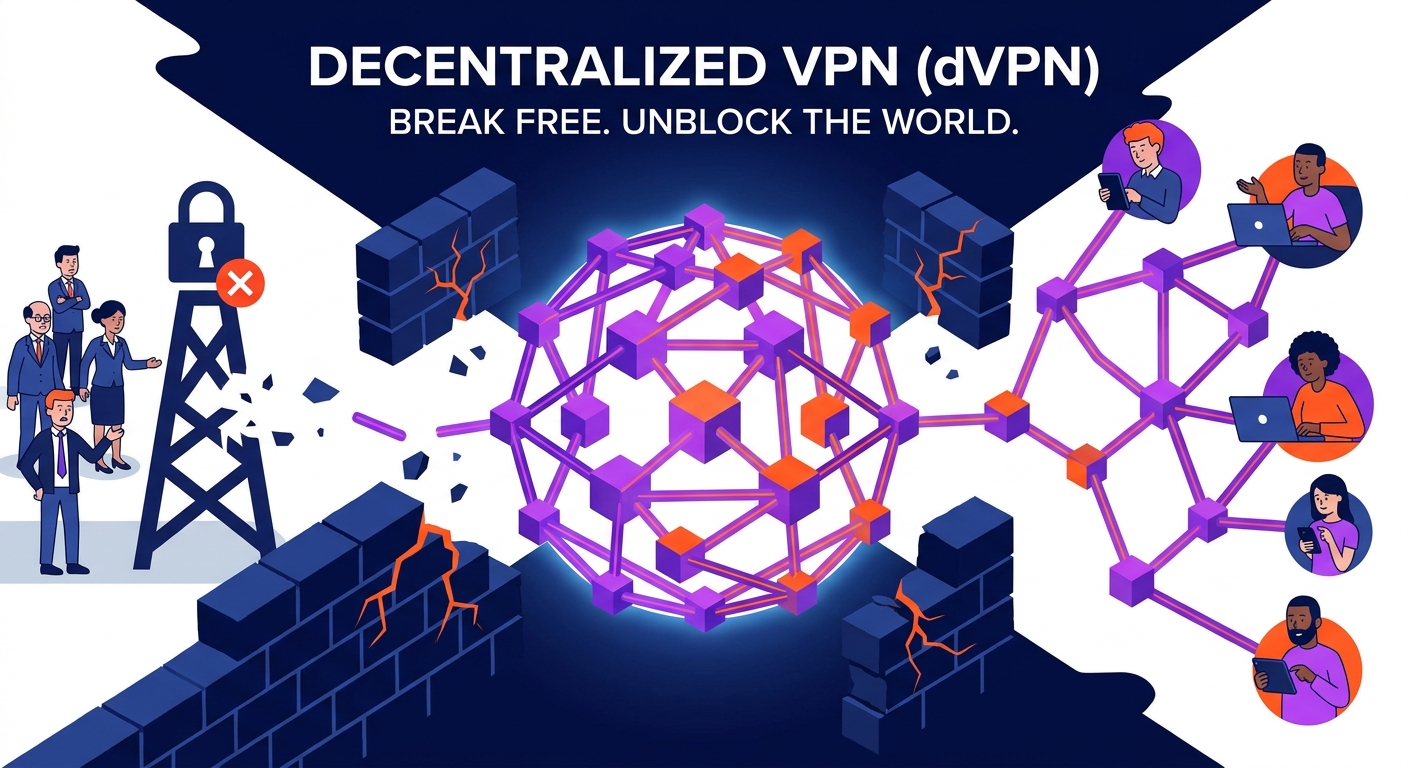
Think about it: if a company is scraping data, running market research, or testing how content loads in different countries, they can’t use a data center IP. Those are easily blocked. They need a "real" connection—the kind you have at home. By routing traffic through your IP, these services can bypass geo-restrictions and get an accurate look at the web.
But don't expect a windfall. Your earnings aren't just based on how long you leave your computer on. It’s a game of supply and demand. If you’re in a region where there’s a high demand for your specific IP, you’ll earn more. If you’re in a saturated market, your earnings will crawl. As of late 2025, the data is clear: desktop systems are the workhorses. They’re stable, they rarely drop the connection, and they generally pull in more than a mobile device that’s constantly switching between Wi-Fi and 5G.

The State of the Market: A Reality Check
If you’ve been following this space, you know it’s been a bit of a bloodbath lately. The "gold rush" phase of 2023 and 2024 has cooled off significantly. A lot of the platforms that were popular just a year ago have either folded or stopped paying out. It’s a smaller, more consolidated field now.
Most people who are still doing this seriously have moved to a multi-app strategy. They run several compatible apps at once, hoping that a few small streams will eventually add up to a decent puddle. Here is how the current landscape looks for the most recognizable names:
| Platform | Status | Estimated Monthly Earning |
|---|---|---|
| EarnApp | Active | ~$9.00 |
| Honeygain | Active | ~$9.00 |
| Repocket | Non-functional | N/A |
| Spider Income | Non-functional | N/A |
| Peer2Profit | Non-functional | N/A |
Take those numbers with a grain of salt. They are averages, and averages can be deceptive. Your actual take-home pay depends entirely on your ISP, your connection speed, and whether the network actually needs your specific corner of the globe at that moment.
How to Play the Game
If you’re going to do this, you might as well do it efficiently. Since the software is lightweight, most people just let it run in the background while they work or browse. But if you want to squeeze out every possible cent, there are a few "pro" tactics that regulars use:
- Stacking Apps: Running multiple, non-conflicting apps simultaneously. It’s the easiest way to maximize your bandwidth utilization.
- Prioritize Hardware: Keep it on a desktop or laptop. Smartphones are convenient, but their connection quality is too volatile for these networks to pay top dollar.
- Network Diversity: If you have access to different internet connections—say, a home network and a separate office line—use both. These networks love variety in IP addresses.
- Referral Grinds: It’s a bit of a cliché, but referral programs are often where the real money is. If you can build a network of other users, your earnings will scale in a way that just sharing your own bandwidth never will.
Beyond Bandwidth: The Bigger Picture
Bandwidth sharing is really just the "entry-level" tier of passive crypto income. If you find this interesting, you’ll eventually stumble upon a wider overview of passive income methods.
It’s worth noting that bandwidth sharing is fundamentally different from things like staking or liquidity providing. Staking is like being a digital security guard—you lock up your assets to help validate a network. It’s a different kind of risk. Liquidity providing, on the other hand, is closer to being a market maker. You’re providing funds for people to trade against, which comes with the nasty reality of "impermanent loss" if you aren't careful. Bandwidth sharing is "safer" in the sense that you aren't risking your principal capital, but the returns are significantly lower.
A Word on Risks and Reality
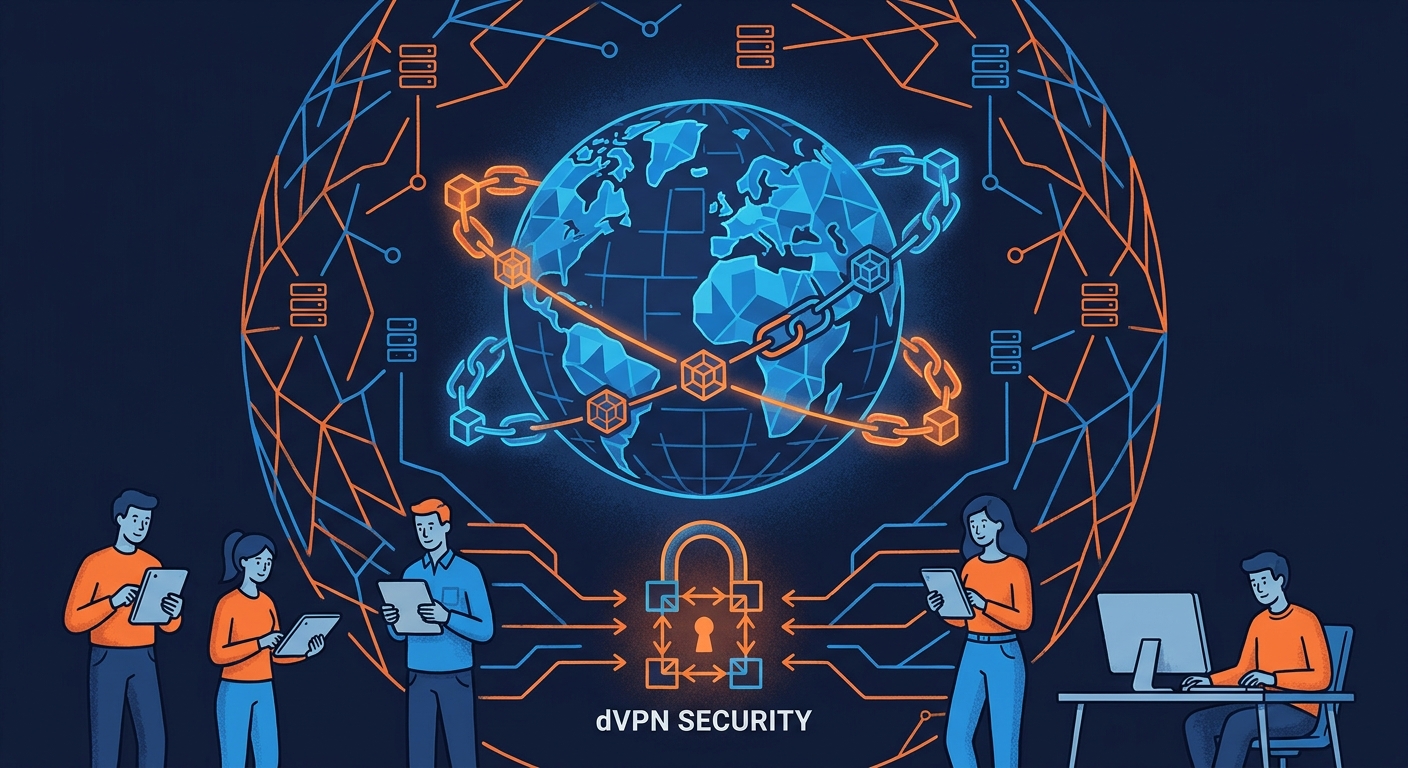
Before you dive in, remember: you are the one responsible for your security. When you open your network to these apps, you are essentially letting strangers route traffic through your home. While most reputable platforms vet their traffic, it’s still a variable you’re introducing to your home network.
Then there’s the tax man. Just because this is "passive" doesn't mean it’s tax-free. In most jurisdictions, these earnings are taxable income. Keep a spreadsheet. Track your payouts. If you treat this like a business, it’s much easier to handle when tax season rolls around.
If you’re curious about the deeper technical or regulatory side of things, checking out the editorial policy or reading up on the background of industry experts can give you a better sense of how the broader market is evolving.
At the end of the day, bandwidth mining is a neat trick. It’s a way to put your idle hardware to work. But don't quit your day job over it. Treat it as a supplemental hobby—a way to stack a few extra sats while your computer is already on—and you won't be disappointed. The market is volatile, the demand is fickle, and the landscape changes fast. Keep your expectations low, your security high, and don't bet the farm on it.