Sybil Attack Mitigation in Permissionless Node Networks
TL;DR
The Identity Crisis in Decentralized Networks
Ever wondered why you can't just "vote" for a new internet protocol or a cheaper data plan? It’s usually because trusting a bunch of random, anonymous computers is a total nightmare for security.
In the world of p2p (peer-to-peer) networks, we face a massive "identity crisis." Since these systems are permissionless—meaning anyone can join without showing an ID—it is incredibly easy for one bad actor to pretend they are actually a thousand different people.
The name actually comes from the 1973 book Sybil, which told the story of a woman with dissociative identity disorder. In tech terms, as noted by Wikipedia, it’s when one entity subverts a reputation system by creating a fleet of fake, pseudonymous identities.
- Direct Attacks: The fake nodes talk directly to honest ones to sway a vote or mess with data.
- Indirect Attacks: The "sybils" use middleman nodes to isolate honest users. This specific type of indirect attack is often called an Eclipse Attack, where the attacker controls everything the victim sees to make them think the whole network agrees on a lie.
- The Goal: Usually, it’s about gaining "disproportionate influence." If a network decides things by majority rule, the person with the most fake accounts wins. In many decentralized networks, the majority (51%) of nodes or computing power dictates the "truth" of the ledger, so controlling that majority lets you rewrite history.

Honestly, the "open" nature of web3 is a double-edged sword. According to Imperva, these attacks are a major threat because generating digital identities is dirt cheap.
In a traditional bank, you need a social security number. In a decentralized bandwidth market or a crypto network, you often just need a new IP address or a fresh private key. This low barrier to entry is great for privacy, but it’s an open invitation for identity farming.
We’ve seen this play out in the real world too. For instance, the tor network was hit in 2014 by an attacker who ran over 100 relays to try and unmask users. Even ethereum classic faced "51% attacks" where attackers used massive influence to rewrite history.
Anyway, if we want these decentralized tools to actually work, we have to make it expensive to be a liar. Next, we'll look at how "Proof of Work" and other hurdles start to fix this mess.
Real World Risks for dVPN and DePIN Users
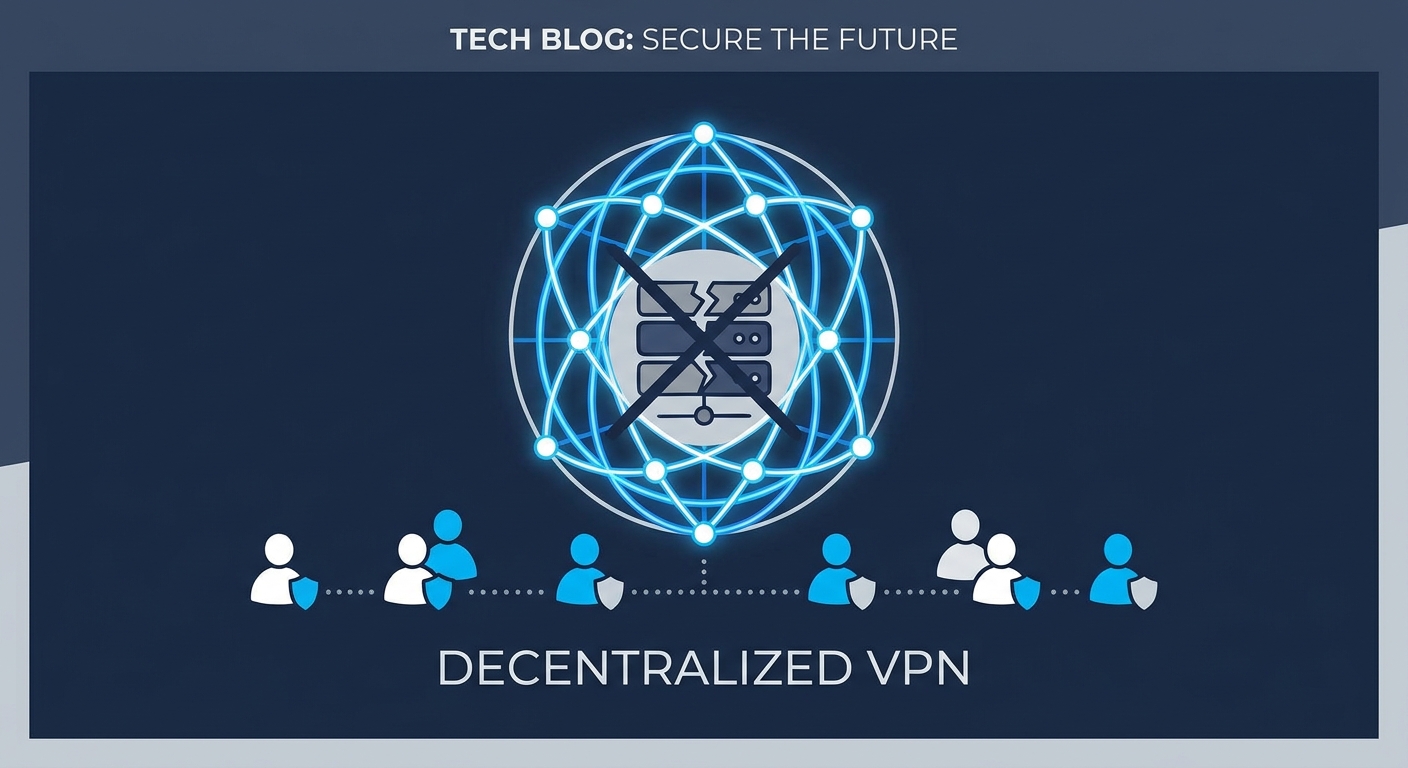
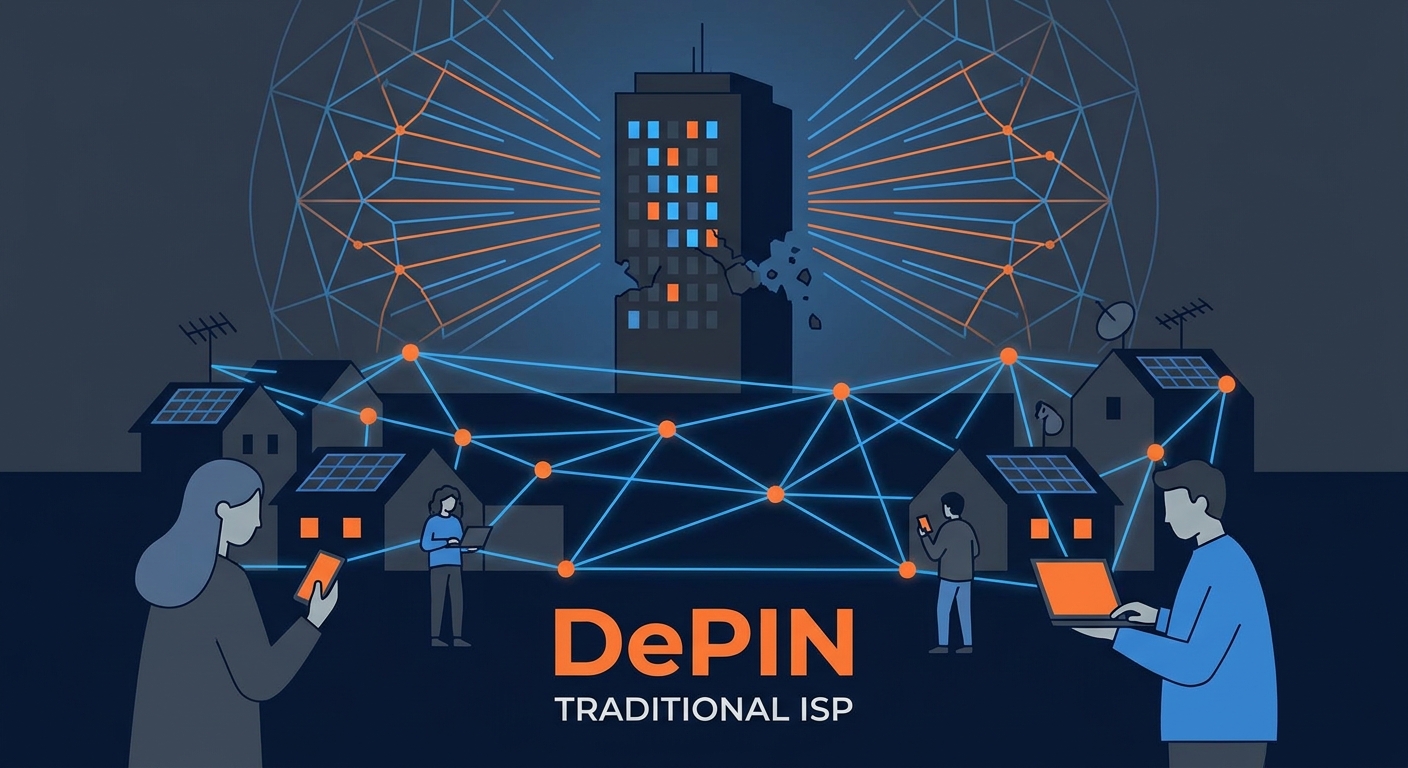
Imagine if you were at a town hall meeting and some guy in a trench coat kept swapping hats to vote fifty times. That is basically a sybil attack in a dvpn or any depin (decentralized physical infrastructure) setup. it's not just a theory—it’s a real risk that can mess with your privacy and your wallet.
In these p2p networks, nodes often vote on things like price or which data is "true." If one person creates a thousand fake nodes, they can outvote everyone else. This lets them:
- Manipulate Prices: They can flood the marketplace with fake nodes to drive prices up or down, messing with the "Airbnb for bandwidth" economy.
- Monitor Your Traffic: If an attacker controls both the entry and exit points you're using, they can see exactly what you’re doing online.
- Block Transactions: As noted by Chainlink, they can even censor transactions or rewrite history if they get enough power (a 51% attack).

We actually have a lot of data on this thanks to the tor network. Even though it's built for privacy, it's been hit hard. In 2020, a threat actor known as BTCMITM20 ran a massive number of malicious exit relays.
According to researchers cited by Hacken, these attackers used "ssl stripping" to downgrade secure connections. They weren't just watching; they were actually rewriting bitcoin addresses in the traffic to steal funds.
A 2021 report mentioned that the actor KAX17 ran over 900 malicious servers just to try and deanonymize users.
When you use a dvpn, you’re trusting the "crowd." But if the crowd is just one guy with a lot of virtual servers, that trust is broken. Next, we’ll see how we actually fight back without needing a central boss.
Technical Mitigation Strategies for Node Integrity
So, we know the "hat-swapping" guy in the trench coat is a problem, but how do we actually slam the door on him without becoming a digital police state? It comes down to making it really, really annoying—and expensive—to be a fake.
If someone wants to run a thousand nodes on a dvpn, we need to make sure that cost isn't just a few clicks, but a massive drain on their hardware or wallet. We're basically moving from a system of "trust me, I'm a node" to "prove you've got skin in the game."
The most classic way to stop a sybil attack is just making it cost money or electricity. In a permissionless network, we use Proof of Work (PoW) to force a computer to solve a math puzzle before it can join the party.
- Computational Tax: By requiring a PoW, an attacker can't just spawn 10,000 nodes on a single laptop; they’d need a server farm, which kills their profit margin.
- Staking as Collateral: Many web3 networks use Proof of Stake (PoS). If you want to provide bandwidth, you might have to "lock up" some tokens. If you get caught acting like a sybil, the network "slashes" your stake—meaning you lose your money.
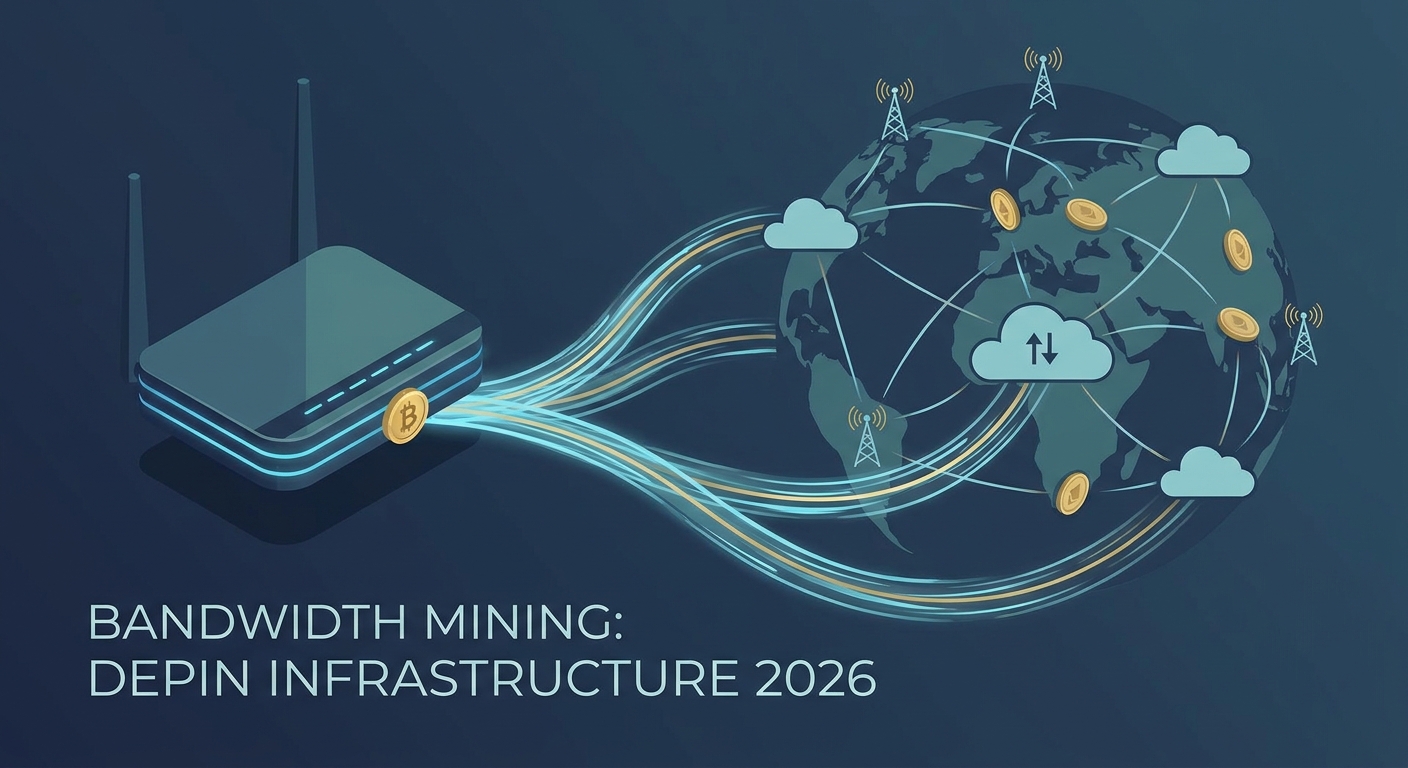
- Bandwidth Mining Rewards: To keep people honest, networks pay out rewards. But if the cost to setup a fake identity (the PoW or stake) is higher than the reward, the attacker just goes home.

Lately, we’ve seen some cooler, more "adaptive" ways to handle this. One big one is the Verifiable Delay Function (VDF). Unlike regular PoW which can be solved faster if you have 100 computers, a vdf is sequential. You can't skip the line by throwing more hardware at it; you just have to wait. This stops sybil attackers because they can't instantly generate thousands of identities—each one requires a non-parallelizable time investment that they can't cheat.
According to a 2025 paper by Mosqueda González et al., a new protocol called SyDeLP uses something called Adaptive Proof of Work (APoW). This is a total game changer for depin and decentralized learning.
Basically, the network tracks your "reputation" on the blockchain. If you've been a good, honest node for a month, the network lowers your PoW difficulty. It’s like a "loyalty program" for your cpu.
- Newbies have to work really hard (high PoW) to prove they aren't a sybil bot.
- Long-term nodes get a "fast pass" because they’ve built up a history of honest behavior.
- Attackers who keep making fresh identities are stuck in the "high difficulty" loop, making their attack way too slow to work.
The SyDeLP study found that this adaptive approach consistently outperforms older methods because it rewards the "good guys" while keeping the "tax" high for newcomers.
This creates a tamper-proof record on the blockchain. If a node starts acting weird, the difficulty spikes back up or they're kicked out. It's not just about one-time entry; it's about constant, automated integrity.
Now that we've got the economic hurdles in place, we need to look at how these nodes actually talk to each other to spot a liar in the crowd. Next up, we'll dive into "Social Trust Graphs" and how your node's "friends" might be the key to your privacy.
Reputation and Social Trust Graphs
Ever feel like you’re the only real person in a room full of bots? That’s exactly what a decentralized network feels like when it’s under attack, but social trust graphs are basically the "vibe check" we use to kick out the fakes.
Instead of just looking at how much money a node has, we look at who its "friends" are to see if it actually belongs in the community.
In a dvpn, we can't just trust a node because it says "hello." We use algorithms like SybilGuard and SybilLimit to map out how nodes connect to each other. The idea is that honest people usually form a tight-knit web, while an attacker’s fake identities are mostly just connected to each other in a weird, isolated bubble.
- The Age Factor: Older nodes that have been providing steady bandwidth for months get more "weight" in the network. It’s like a credit score; you don't give a million-dollar limit to a guy who just opened his first account yesterday.
- Friendship clusters: If a node is only vouched for by other brand-new nodes that all appeared at 3 am last Tuesday, the system flags them as a sybil cluster.
- Pseudonym Parties: This is a social defense where people participate in synchronized digital check-ins to prove they are unique individuals at a specific time, making it harder for one person to be in ten places at once.
- Anonymity vs. Trust: As noted by Wikipedia, these graphs help limit damage while trying to keep users anonymous, though they aren't always a 100% perfect fix.
Honestly, picking a safe node shouldn't feel like a math exam. Consumer-facing tools like SquirrelVPN are starting to implement these complex backend metrics into user-friendly "trust scores" or security ratings. This helps you spot which dvpn providers are actually using these trust graphs versus the ones just winging it.
If a network doesn't have a way to reward long-term "good" behavior, it's basically a playground for attackers. Next, we're gonna look at how we can actually prove someone is a real human without making them hand over their passport.
The Future of Decentralized Internet Access
So, we’ve talked about making nodes pay up or prove their "friendships," but what if the real solution is just proving you’re actually a human? It sounds simple, but in a world of ai and bot farms, "Proof of Personhood" is becoming the holy grail for keeping decentralized internet access fair.
The goal here is a "one human, one vote" type of deal. If we can verify that every node in a dvpn is run by a unique person, the whole sybil threat basically evaporates because an attacker can't just spawn a thousand humans in a basement.
- Biometric verification: Some networks use iris scans or face mapping to create a unique digital "fingerprint" without actually storing your name.
- Pseudonym parties: As mentioned earlier in the article, this involves people showing up (virtually or physically) at the same time to prove they exist as individuals.
- Zero-knowledge proofs: This is the techy part where you prove you’re a real person to the api or network without actually handing over your passport or private data.
According to research by Mosqueda González et al. (2025), combining these identity checks with things like adaptive pow makes the network way more resilient. It’s basically a layered defense—first you prove you're human, then you build up a reputation over time.

Honestly, the future of depin is an ongoing arms race. Attackers get smarter, so devs have to build better "vibe checks" for the network. It’s vital to stay updated on the latest vpn tips and crypto rewards to make sure you’re using a network that actually takes this stuff seriously.
We've covered the tech and the traps—now let's wrap things up with a look at how this all fits into the bigger picture of a truly free internet.
Conclusion and Summary
Honestly, staying safe in a p2p world feels like a never-ending game of whack-a-mole, but understanding these "identity tricks" is your best defense. If we don't fix the sybil problem, the whole dream of a decentralized internet just becomes a playground for the biggest botnet.
- Layered defense is king: You can't just rely on one hurdle. Combining economic costs like staking with "vibe checks" from social trust graphs is how we actually keep the bad guys out.
- The cost of lying: For networks to stay honest, it has to be more expensive to faking an identity than the rewards you'd get from attacking.
- Humanity as a protocol: Moving toward "Proof of Personhood" and zkp tech—as we talked about earlier—might be the only way to truly scale without a central boss watching our every move.
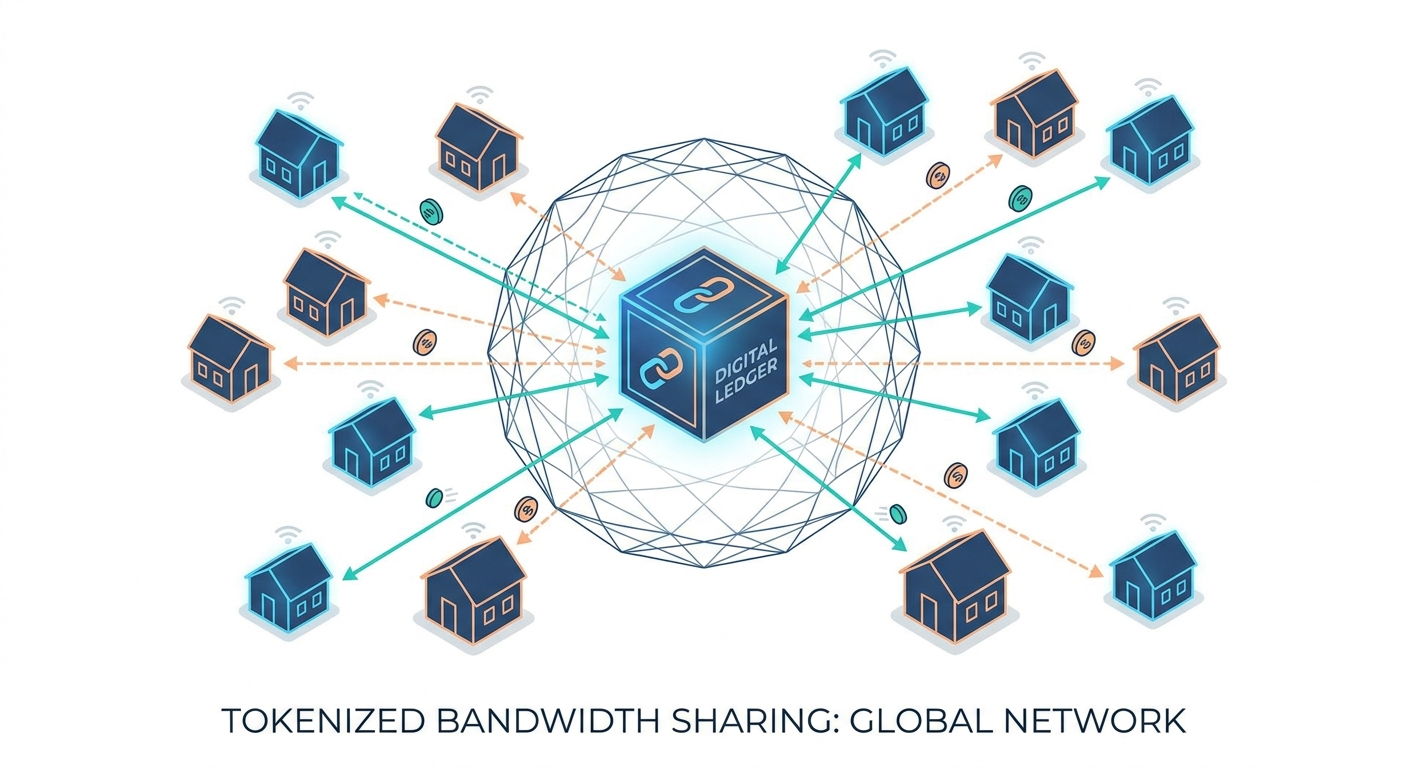
At the end of the day, the value of your tokenized bandwidth or privacy tool depends entirely on node honesty. Whether you're a dev or just someone looking for a better vpn, keep an eye on how these networks handle their "identity crisis." Stay safe out there.