How to Setup a Decentralized Proxy Network and Earn Crypto Rewards
TL;DR
- ✓ Turn your idle home internet bandwidth into a source of crypto rewards.
- ✓ Learn how DePIN technology allows you to monetize your connection safely.
- ✓ Understand the traffic flow of decentralized proxy networks for AI data scraping.
- ✓ Discover why residential nodes are essential for bypassing modern bot detection systems.
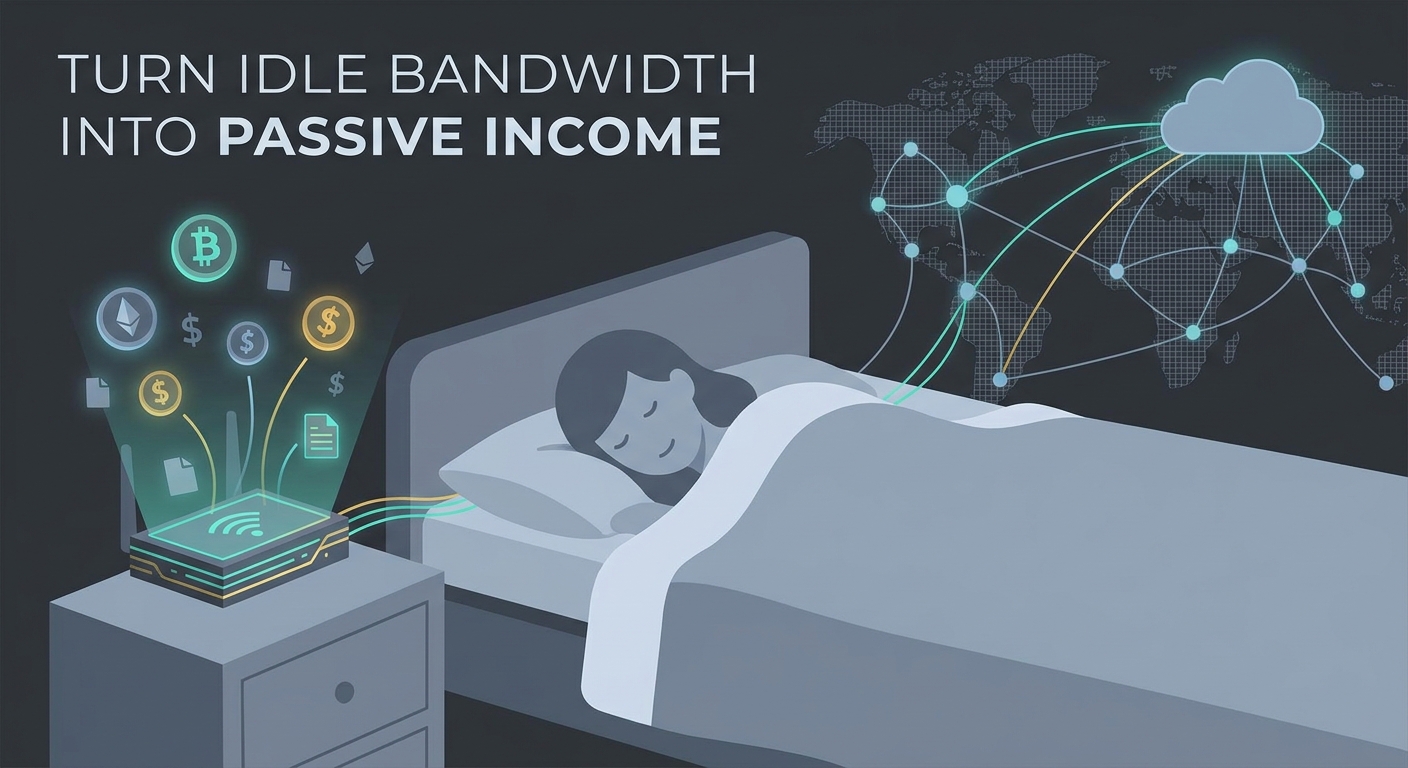
You’re paying for a high-speed internet connection that spends most of its time doing absolutely nothing. While you sleep, work, or doom-scroll, your bandwidth—a resource you pay for every single month—sits there idling.
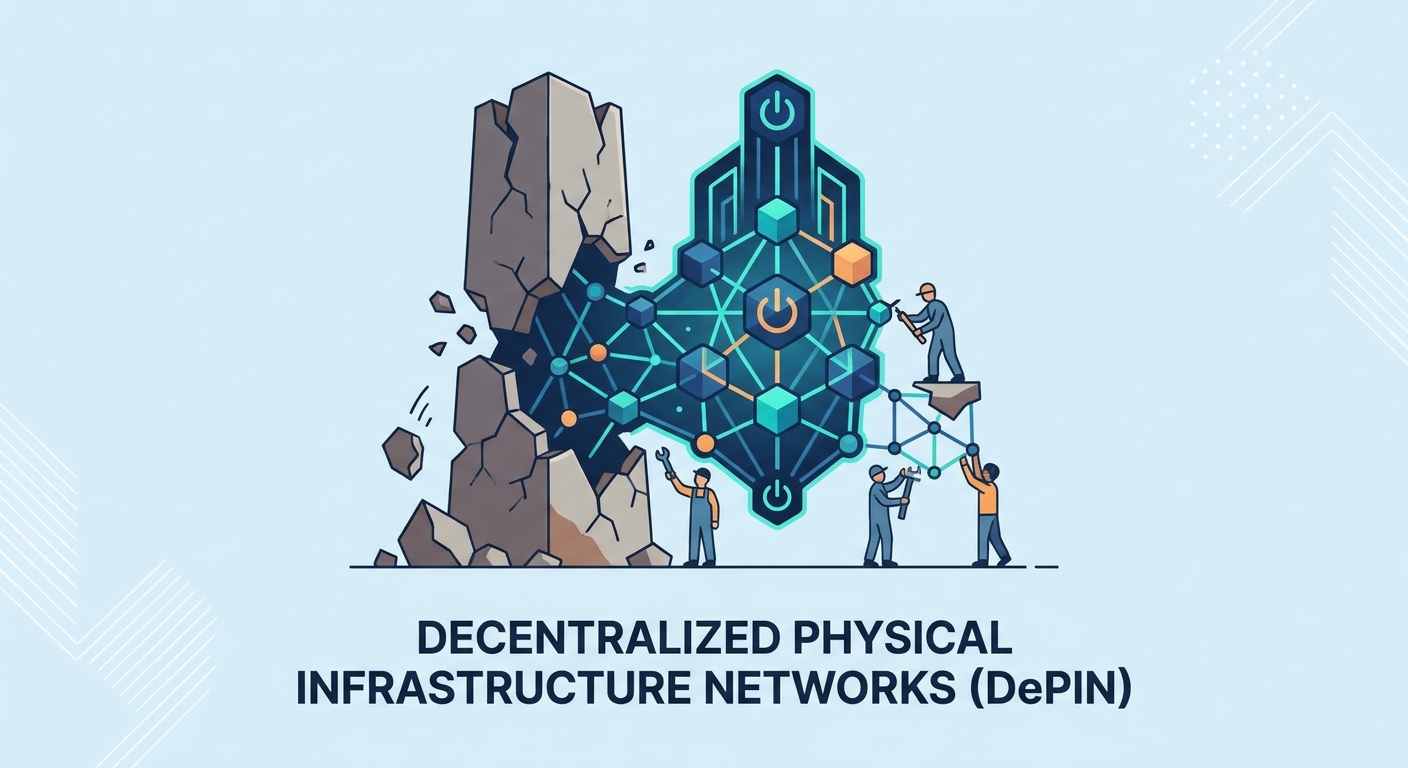
In 2026, the landscape of Decentralized Physical Infrastructure Networks (DePIN) has flipped the script. You shouldn’t view your internet bill as a sunk cost. Instead, treat it like a digital asset. You can now lease your idle bandwidth to AI companies and researchers who desperately need residential IP addresses to bypass bot-detection systems. By joining a decentralized proxy network, you turn your home network into a revenue-generating machine, earning crypto rewards just by staying connected.
The AI Data Bottleneck and Your Idle Bandwidth
The internet is changing, and it’s happening fast. Modern AI models, data-scraping agents, and market research tools have a major problem: they can't get the data they need. Why? Because websites have gotten smart. They flag and block traffic coming from data centers instantly.
To get accurate, localized information, these AI entities need to route their traffic through actual homes—like yours.
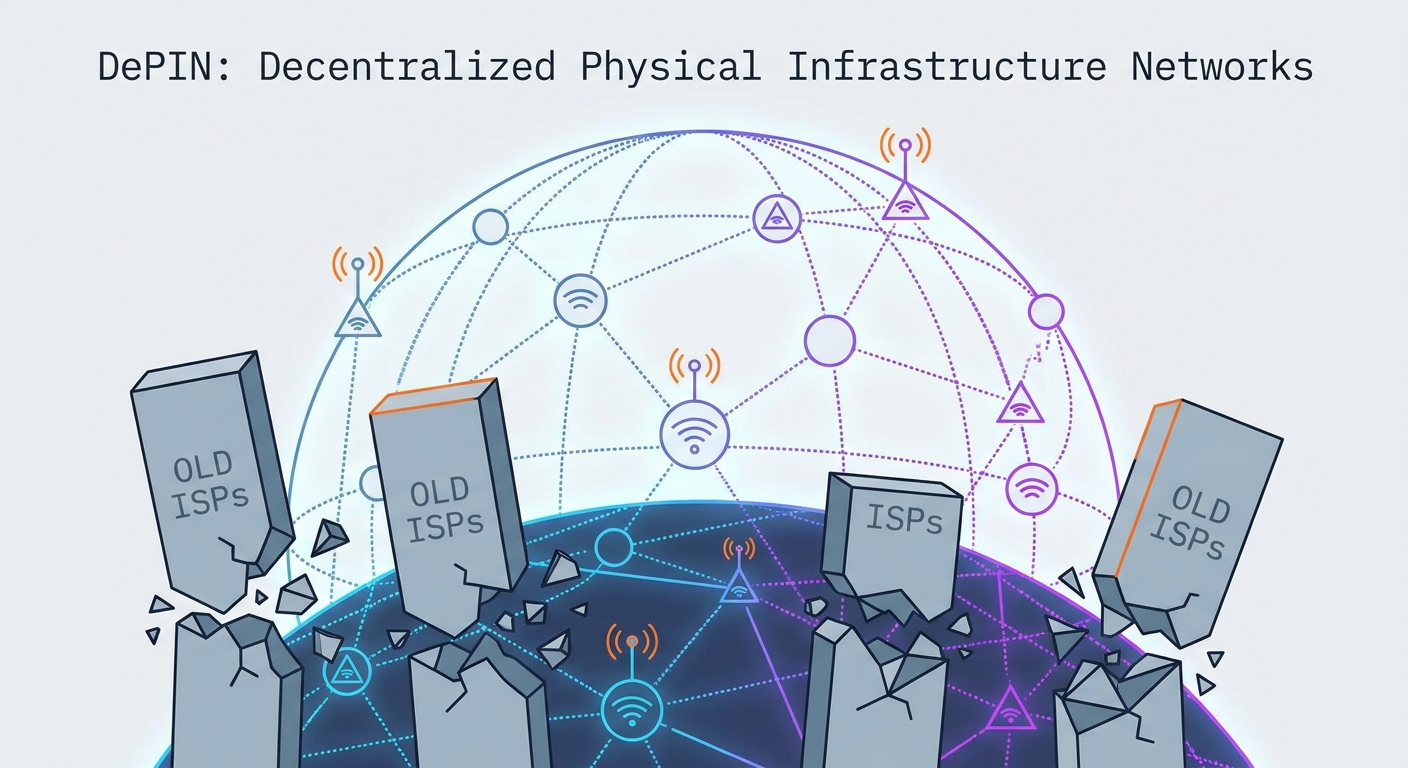
Previously, this was a racket run by massive, centralized proxy providers. They took the lion's share of the profit, leaving the end-user with crumbs. The rise of DePIN changes the math. You aren’t just a consumer anymore; you’re a node operator. You are cutting out the middleman and helping build a more transparent, decentralized version of the web. Think of it as the "Airbnb for Bandwidth." If you have extra megabits, you might as well monetize them.
If you’re just getting your feet wet, start by reading our beginner’s guide to earning crypto in 2026 to understand how these moving parts actually click together.
What is a Decentralized Proxy Network (DePIN)?
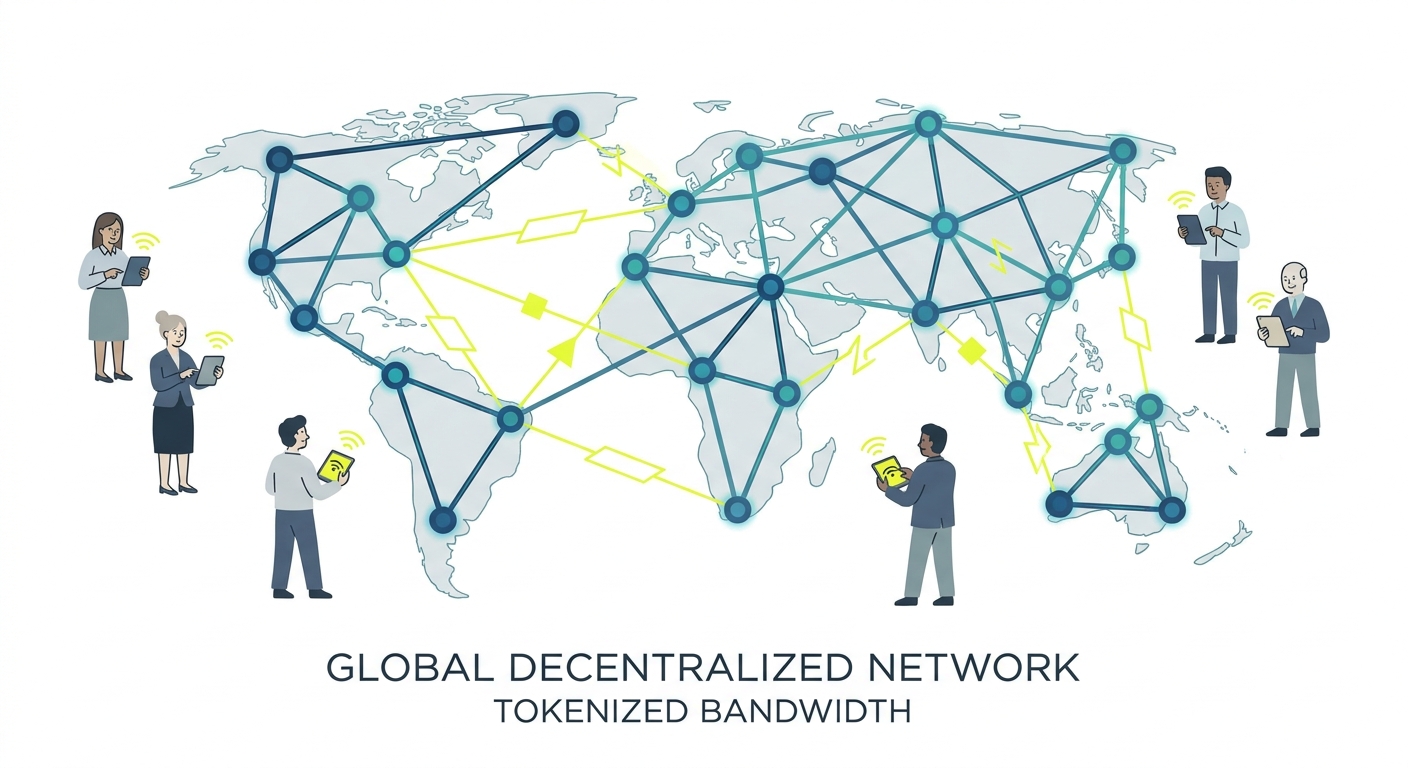
DePIN stands for Decentralized Physical Infrastructure Networks. In simple terms? It means the "proxy server" isn't some massive, corporate-owned data center. It’s a global, distributed network of residential nodes.
When you join, you become a verification layer. You allow others to access the internet from your location, which helps them mask their identity or bypass geo-restrictions. It’s not just a paycheck; it’s infrastructure. By spreading the load across thousands of homes, the network becomes nearly impossible to censor or take down. As you dive into this, remember that your digital footprint matters. Check out our insights on why privacy matters in Web3 before you plug in your devices.
How Does a Decentralized Proxy Work? (The Traffic Flow)
The process is surprisingly smooth. When an AI agent needs to fetch data, it sends a request to the protocol router. That router finds a node—you—that meets the geographic or speed requirements. Your device fetches the data from the website and routes it back to the requester. Your personal info stays out of the loop.
The Security Standard: Why Zero-Knowledge Proofs (ZKP) Matter
The biggest pushback I hear? "What if someone uses my IP to do something illegal?" It’s a fair point. But the industry has grown up.
2026-era protocols rely heavily on Zero-Knowledge Proofs (ZKP). These allow the network to verify that your bandwidth is being used for legitimate, pre-approved purposes without actually exposing your IP address or the specific nature of the traffic to the wrong people. The protocol is basically a bouncer. It checks the IDs of everyone walking through your pipe, making sure no one shady gets in. This technical layer is exactly why running a residential node is now a low-risk side hustle.
Software vs. Hardware: Which Setup is Right for You?
How much effort do you want to put in? That’s the real question.
- Software-Only: These are browser extensions or background apps. It’s the "set it and forget it" method. Download, sign in, and let it run. The barrier to entry is zero. Just know that because these apps fight for resources with your OS, your rewards will be on the lower end.
- Hardware-Based: We’re talking dedicated IoT devices or flashed routers. These are "always-on" machines. The network treats these as "Tier 1" nodes. They don't disconnect, they don't lag, and they earn significantly higher rewards.
How to Setup Your Node: A 5-Step Checklist
- Audit Your Network: Check your ISP’s terms. Most residential plans are fine, but massive, sustained upload traffic can sometimes trigger a flag. Make sure you have unlimited data so you don't get hit with overage fees.
- Protocol Selection: Not all protocols are worth your time. Use DePINscan to find Tier-1 networks. Look for projects with actual network health, clear tokenomics, and a community that isn't just bots.
- Installation/Configuration: Whether it’s an extension or a hardware node, stick to the official docs. Only download from verified sources. Period.
- Optimization: Don't let your node ruin your Netflix night. Most apps let you set a "max upload" limit. Keep this at 50-70% of your total capacity. This keeps your own browsing snappy while still earning.
- Monitoring & Cashing Out: Use a dedicated, non-custodial wallet for your earnings. Track your progress via the CoinGecko DePIN category to keep an eye on what your tokens are actually worth.
Maximizing Rewards: Tips for High Uptime
In the DePIN world, uptime is money. If your node goes offline, your ranking drops. If you want to maximize your output, get off Wi-Fi. Move your node to a wired Ethernet connection. Latency is the silent killer of high-performance proxy nodes. If you’re building on a high-speed chain, check out the Solana DePIN guide to see how these networks use blockchain to track uptime and pay out rewards in real-time.
Are There Risks to Consider?
Let’s be pragmatic. Technology has matured, but the world hasn't. ISP terms of service are still a gray area. While most providers don't care about light usage, they might get annoyed if you're pushing constant, max-capacity throughput 24/7.
Also, remember the crypto factor. You’re being paid in a volatile asset for a stable service. The price of your tokens will swing. It’s part of the game. Finally, consider the ethics. By participating, you’re helping AI access data that’s currently locked behind corporate walls. It’s a win for a more open internet, but go in with your eyes wide open.
Frequently Asked Questions
Is sharing my bandwidth legal?
In most places, you own your connection and can use it as you see fit. That said, double-check your ISP contract for "commercial use" clauses to be safe.
Will this slow down my personal internet connection?
Not if you do it right. By setting bandwidth limits in the node settings, you ensure the proxy only uses your "spare" capacity. Your gaming and streaming shouldn't notice a difference.
What if someone uses my IP for illegal activities?
Reputable DePIN protocols use strict traffic filtering and ZKPs to block malicious actors. They block access to known illegal sites by default, creating a safety buffer for you.
How much can I realistically earn in 2026?
It depends on where you live (US/Western Europe IPs pay more), your uptime, and the price of the token. Don't quit your day job—think of this as a solid, passive supplemental income stream.