The Rise of Tokenized Bandwidth: How DePIN Crypto is Reshaping Web3 Infrastructure
TL;DR
- ✓ DePIN replaces centralized ISP models with resilient decentralized physical infrastructure networks.
- ✓ Token incentives drive a flywheel of node deployment and improved network performance.
- ✓ Tokenized bandwidth creates an enterprise-grade connectivity layer for AI and content delivery.
- ✓ The shift moves the internet from a rented model to a user-owned architecture.
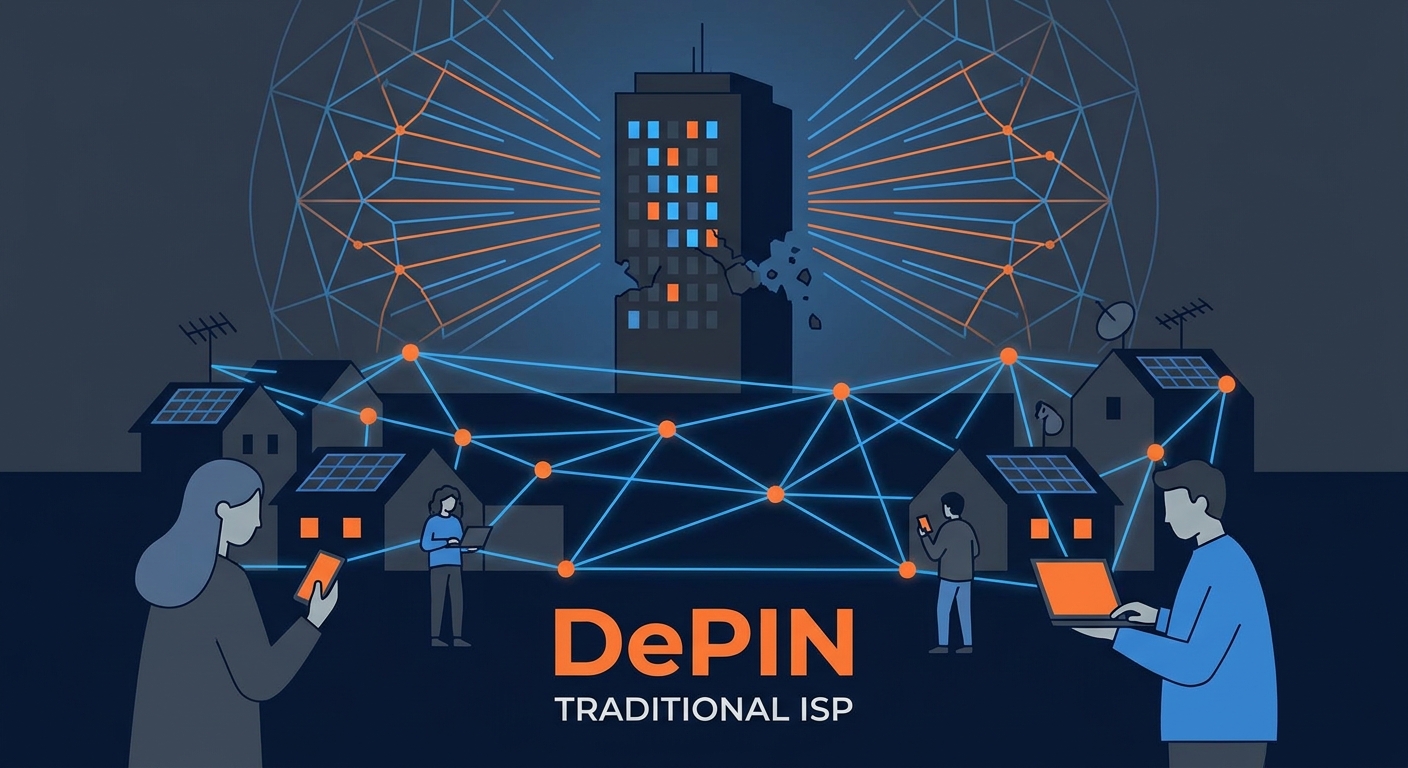
The modern internet is a house of cards. We’re sitting on foundations poured by centralized ISPs decades ago, and frankly, the cracks are starting to show. For years, we’ve just accepted the status quo: a handful of regional gatekeepers holding the keys to the kingdom. They dictate our speeds, they throttle our traffic, and they treat our data like a product to be sold to the highest bidder.
But that era? It's hitting a wall.
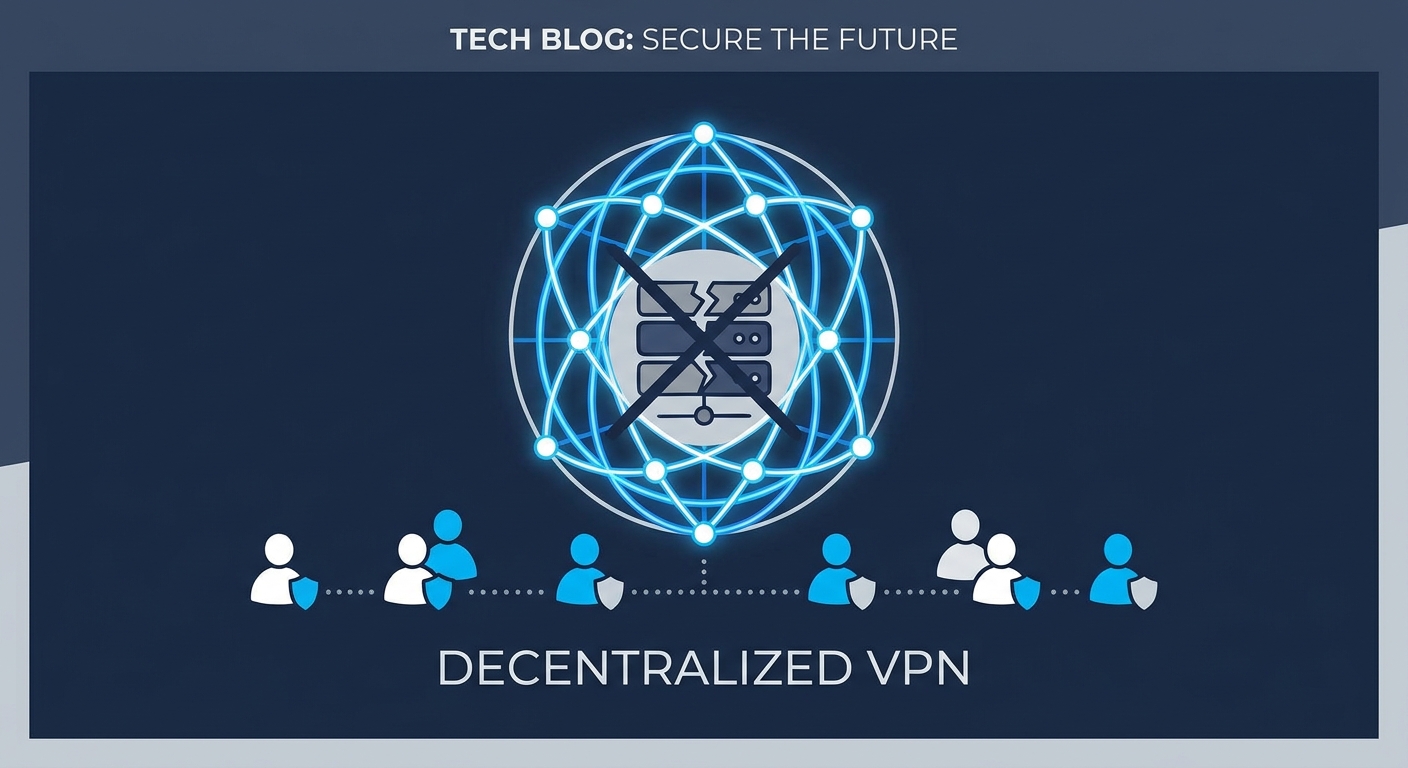
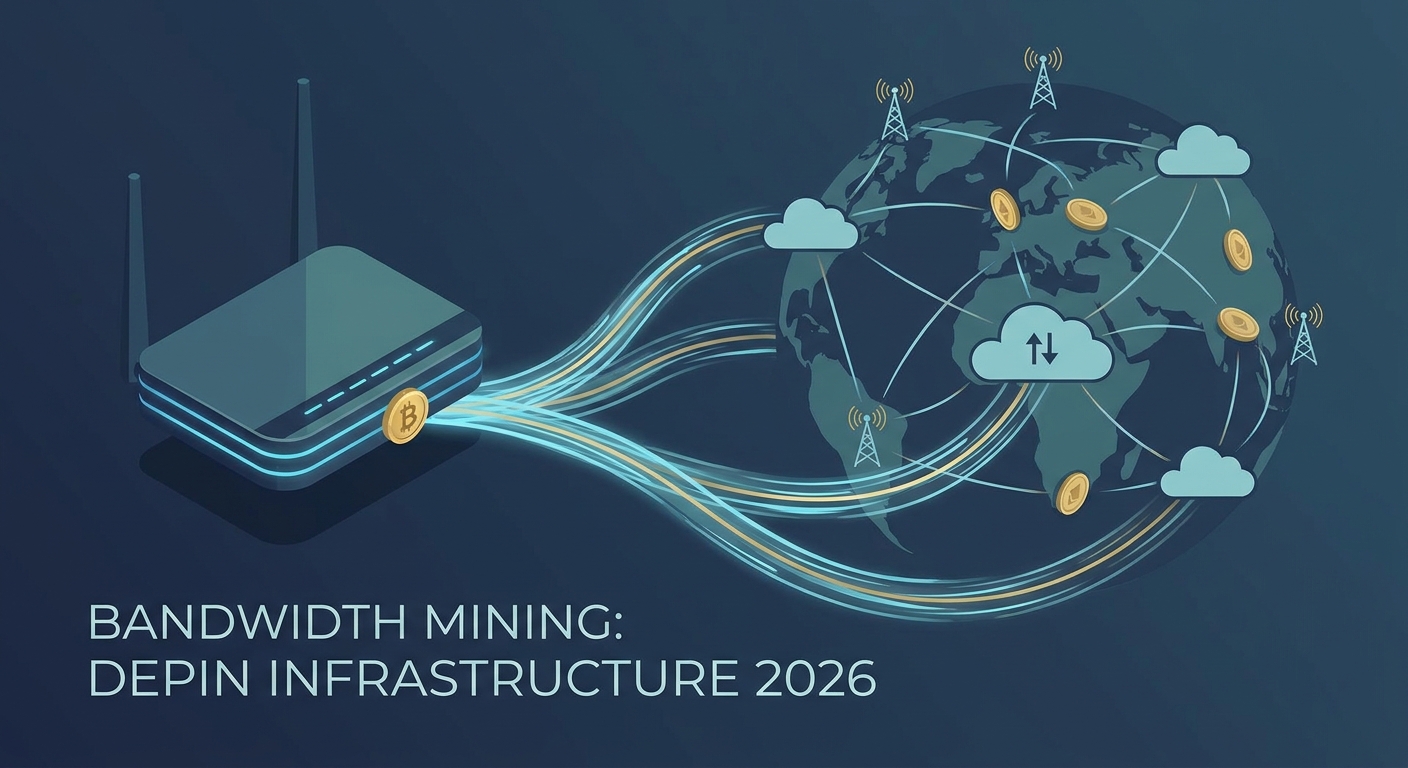
Enter DePIN—Decentralized Physical Infrastructure Networks. It’s a mouthful, sure, but the concept is revolutionary. We’re moving from a "rented" internet to an "owned" one. By tokenizing bandwidth, these protocols aren't just playing with crypto tokens; they’re building a global, resilient, and enterprise-grade connectivity layer. This isn't some fleeting web3 trend. It’s the backbone for the next generation of decentralized AI and content delivery.
Why the Internet Architecture is Breaking
Let’s be honest: the ISP model is fragile. It’s not just a theory; it’s a daily headache. We’re trapped in a system defined by single points of failure. One hiccup at a regional data center, and suddenly half your city is offline.
Then there’s the issue of control. Centralized providers have become the de facto censors of the digital age. They throttle what they don't like and monitor who they want. It’s a walled garden, and we’re the ones paying the upkeep.
The shift toward tokenized bandwidth is essentially a fight for autonomy. By incentivizing everyday people to share their idle internet capacity, we’re creating a distributed web that doesn't just "work"—it adapts. We aren't trying to rip out the fiber-optic cables under the ocean. We’re building a decentralized overlay that sits on top of them, optimizing, securing, and democratizing access to the connectivity we already have.
What Exactly Is DePIN, and How Does It Tokenize Bandwidth?
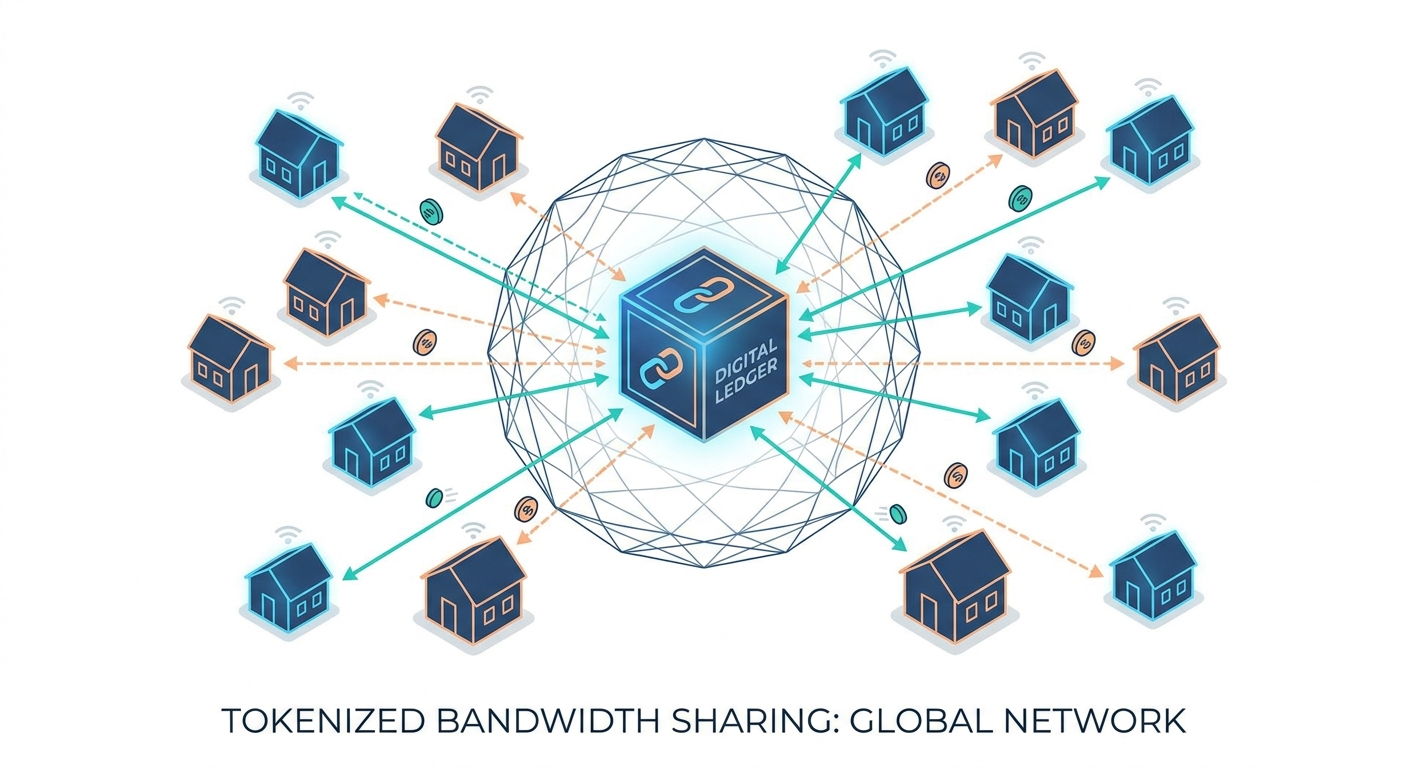
At its heart, DePIN is just the marriage of blockchain incentives and real-world hardware. Think of it as a flywheel for efficiency.
The cycle is straightforward. Tokens act as the spark, pulling in node operators who set up the necessary hardware. As the network grows, density increases. More nodes mean lower latency and better availability. That performance brings in the big players—enterprise consumers—who pay for the service. That revenue fuels the token incentives, and the whole thing keeps spinning.
By 2026, the vibe has shifted. We’re long past the days of speculative "get rich quick" mining. The focus now? Utility. The industry isn't asking, "How many tokens can I farm?" anymore. They’re asking, "How much throughput can this network handle for a global AI model?"
How Does Proof of Bandwidth Actually Work?
Trust has always been the biggest hurdle in decentralized networking. How do you know a node is actually moving the data it claims to move? Thankfully, we’ve ditched the bloated, inefficient mess of traditional Proof of Work. We’ve leveled up.
Today’s protocols rely on cryptographic proofs. We don't need a central middleman watching the pipes; the math does the heavy lifting.
This is where Zero-Knowledge Proofs (ZKPs) change the game. ZKPs let a node prove it successfully relayed a data packet without actually seeing what’s inside that packet or knowing who sent it. It’s the technical equivalent of a sealed envelope that verifies its own contents. This is the cornerstone of how a privacy-first internet works. By separating service verification from content inspection, DePIN protocols