DePIN Explained: How P2P Internet and Tokenized Networks Are Decentralizing Access
TL;DR
- ✓ DePIN replaces centralized tech giants with community-owned physical infrastructure networks.
- ✓ Token incentives create a flywheel that rewards users for sharing bandwidth and compute power.
- ✓ Decentralized networks solve the AI data crisis by providing scalable and uncensorable resources.
- ✓ The model shifts from corporate-owned silos to a peer-to-peer stakeholder economy.
DePIN—short for Decentralized Physical Infrastructure Networks—is the loudest wake-up call the tech industry has had in a decade. It’s the shift from a world where a handful of Silicon Valley giants own the fiber, the towers, and the data, to a world where you own the backbone.
If you’ve ever wondered what is DePIN?, stop thinking about it as "blockchain" and start thinking about it as a digital landlord revolution. You’re moving from a closed-gate ecosystem to a peer-to-peer reality where you aren't just a user; you’re a stakeholder.
Why Is Centralized Infrastructure Falling Behind?
For years, we’ve played by the "hub-and-spoke" rules. A massive ISP or cloud provider builds a data center, digs the trenches for fiber, and then charges you a premium for the privilege of using it. It’s a model that served us well when the internet was a niche toy, but today? It’s crumbling under its own weight.
The biggest culprit is the "AI Data Crisis." Artificial intelligence is a hungry beast. It requires massive, verified, and geographically diverse data to avoid becoming a hallucinating mess. Centralized servers are stuck in fixed locations, trapped in corporate silos. They simply cannot scale to meet the demand. As noted in this Chainlink DePIN Deep Dive, the physical limitations of legacy hardware are creating a massive bottleneck. When a project relies on a centralized provider, they’re at the mercy of that provider's uptime, regional blocks, and pricing whims. DePIN cuts out the middleman, creating a flow of resources that is cheaper, more resilient, and—most importantly—uncensorable.
How Does the DePIN Flywheel Actually Work?
The magic of DePIN isn’t just in the tech; it’s in the incentive loop. It swaps "corporate capital expenditure" for "community-driven supply." You provide the resource—bandwidth, storage, or compute power—and the protocol pays you for it. Simple.
This isn't just about gambling on token prices. It’s about utility. Early projects were obsessed with hype cycles, but the industry has matured. We’re seeing a shift toward "burn-and-mint" models. Think of it like this: an AI firm needs massive bandwidth to scrape data. They pay for that access, and that payment is used to buy and burn tokens or pay out the node operators. It links network usage directly to token value. No speculation, just a self-sustaining engine.
The "Airbnb for Bandwidth": Is P2P Internet the Future?
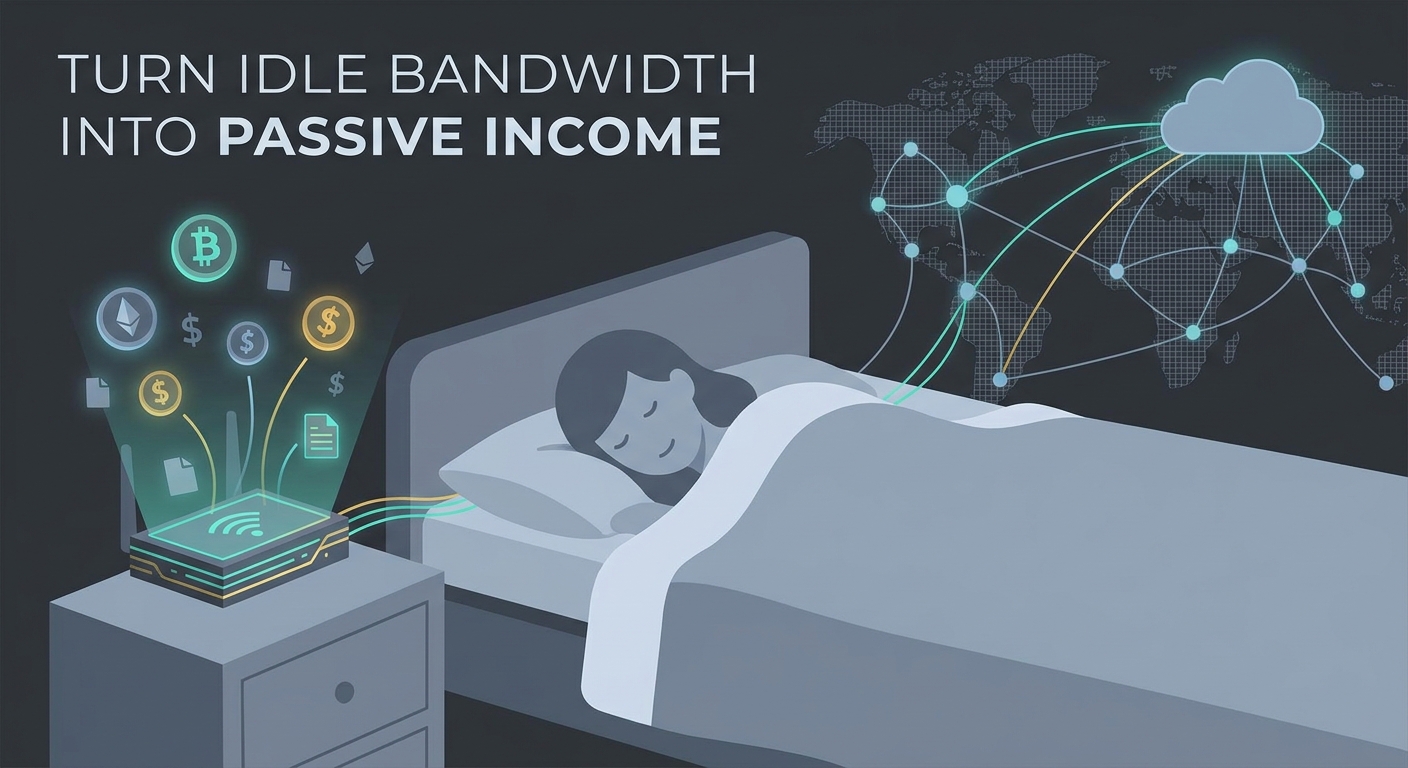
Your home internet connection isn’t just a monthly bill anymore. It’s an asset. Decentralized bandwidth sharing is basically the "Airbnb for your Wi-Fi." You run a node or a browser extension, and suddenly, you’re allowing the network to route traffic that businesses use for market research or AI training.
This is a game-changer for the dVPN sector. Standard "no-log" VPNs ask you to trust a company. They say they don't keep logs, but they're still a single point of failure that can be subpoenaed or breached. In a decentralized VPN, your traffic is split, routed through a mesh of nodes. No single entity holds the keys. For anyone navigating a fragmented, censored web, understanding why privacy matters in 2026 is the first step toward taking back your digital sovereignty.
Which DePIN Projects Are Redefining Utility in 2026?
The "whitepaper phase" is over. We are now in the era of actual deployment. Here’s who’s moving the needle:
- Bandwidth Sharing: Projects like Grass.io have cracked the code with their browser-extension model. It’s the easiest entry point in the industry. You literally install it and monetize your idle bandwidth. No server rack required.
- Wireless Networks: Helium is still the gold standard. They’ve proven that individuals can set up 5G or IoT hotspots to build a community-owned alternative to the telecom giants.
- Compute Power: Networks like Akash or Render are democratizing GPU access. For AI developers, this is a lifesaver. They can rent compute power at a fraction of what AWS or Google Cloud charges.
Usability Scorecard
| Project Type | Ease of Entry | Passive Income Potential | Real-World Impact |
|---|---|---|---|
| Bandwidth Sharing | Very High | Low-Moderate | High (AI Data) |
| Wireless Hotspots | Low | Moderate-High | High (Connectivity) |
| Compute/GPU | Moderate | Moderate-High | Very High (AI Training) |
How Can You Turn Your Idle Assets into Passive Income?
If you leave your computer running while you work, you’re sitting on potential revenue. The shift from specialized gear to simple software has changed the game.
- Identify the Resource: Do you have "always-on" internet? Look into bandwidth sharing. Do you have a high-end GPU collecting dust? Check out decentralized compute networks.
- Verify the Security: Don't just install anything. Check the docs. Are they open-source? Have they been audited? If the answer is no, walk away.
- Start Small: You don't need a warehouse full of hardware. Start with a single node. Keep an eye on your performance. If it slows down your actual work, adjust your settings.
- Manage Expectations: If a project promises you’ll get rich overnight, it’s a trap. Sustainable DePIN projects pay for actual utility. If the utility isn't there, the money isn't either.
What Are the Real Risks and Challenges?
It isn't all sunshine and decentralized rainbows. There are real hurdles to clear.
- The "Scam Stigma": Because it's easy to launch a token, the market is flooded with vaporware. Focus on projects with transparent teams and real, measurable usage.
- Regulatory Hurdles: Regulators are waking up. Projects that were built to be truly decentralized from day one will be the ones that survive the coming legal scrutiny.
- Security Considerations: A decentralized network is only as secure as the nodes that run it. You are responsible for your own digital hygiene. As highlighted in Hacken's Guide to DePIN, you need to be vigilant about what software you run and what permissions you grant.
- Network Maturity: We are still early. Expect bugs. Expect downtime. Only participate if you understand the mechanics and can handle the volatility.
Frequently Asked Questions
Is DePIN just another crypto bubble, or is it here to stay?
Unlike the speculative tokens of 2021, DePIN is rooted in physical infrastructure. Bandwidth, compute power, and verified data are the commodities of the modern age. As long as the internet exists, the demand for these resources will exist. The industry has finally pivoted from "price-first" to "utility-first."
Is it safe to share my internet bandwidth with a P2P network?
If you stick to reputable, audited platforms, the risk is negligible. Most of these networks use high-level encryption to ensure your IP is shielded and used only for legitimate tasks. Always vet the privacy policy before you hit "install."
How much can I actually earn by sharing my bandwidth?
Don't quit your day job. This is supplemental income—a way to offset your utility bills or earn a little extra on the side. Earnings fluctuate based on regional demand and how much bandwidth you can actually provide.
Do I need specialized hardware to participate in a DePIN network?
Not necessarily. While some wireless networks require their own hardware, the most accessible projects run on hardware you already own—your laptop, your phone, or even a browser extension.