Maximizing Your Node-Based VPN Service: A Guide to Bandwidth Monetization in 2026
TL;DR
- ✓ Turn your idle home internet connection into a passive AI-powered revenue stream.
- ✓ Learn how DePIN infrastructure utilizes your bandwidth for enterprise-grade data scraping.
- ✓ Understand the role of Zero-Knowledge Proofs in securing your decentralized network node.
- ✓ Discover why residential IP addresses are highly valued for modern AI training models.
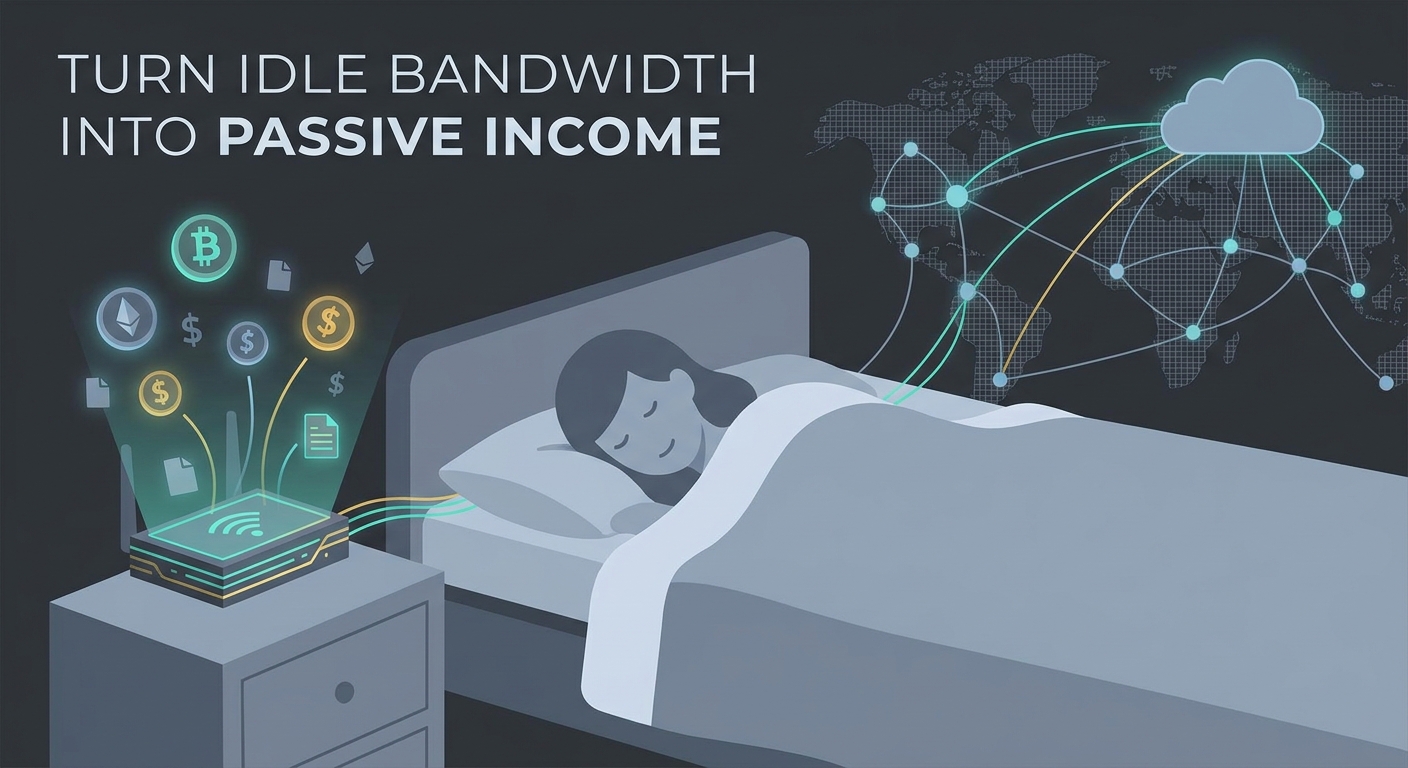
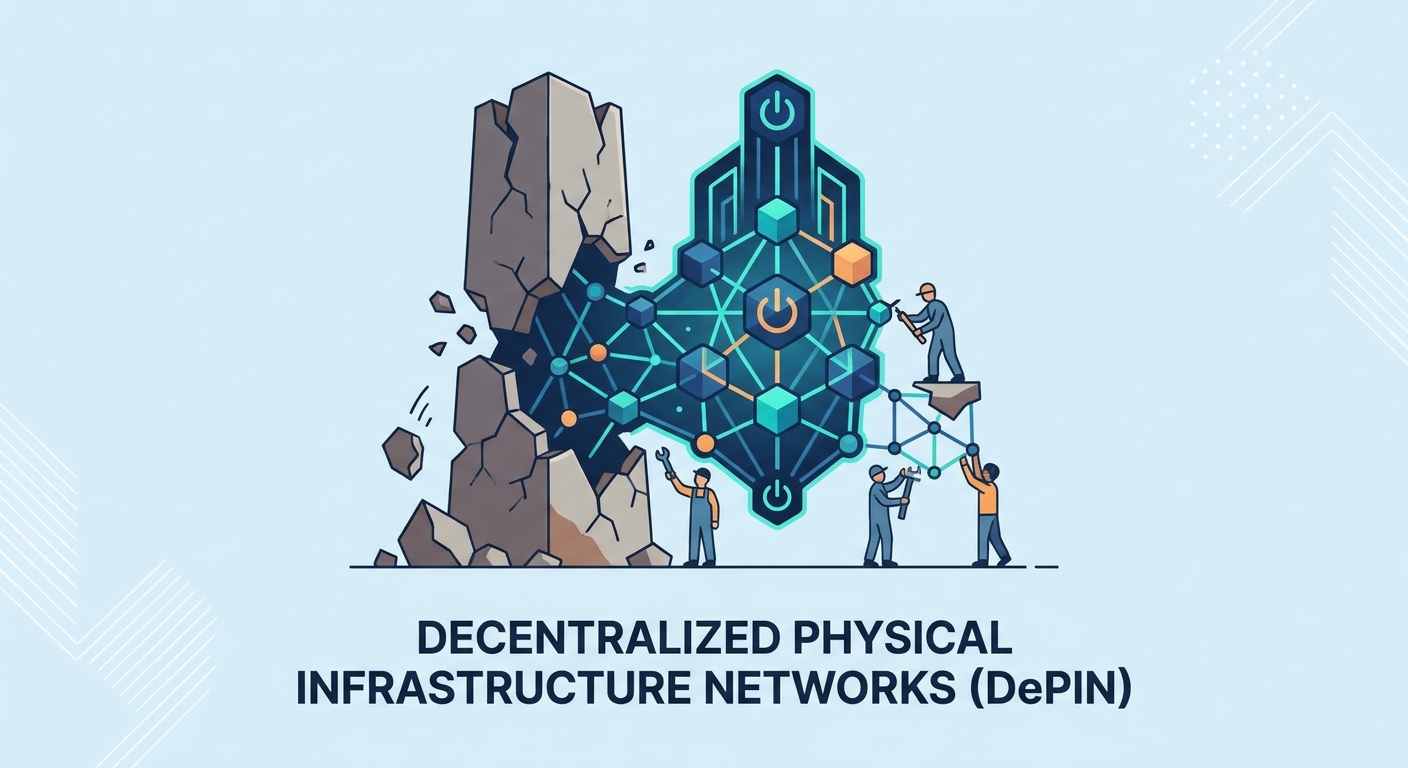
By 2026, your home internet connection isn’t just for binging Netflix or clearing out your inbox; it’s a legitimate, high-value asset in the global AI supply chain. Data centers are drowning under the massive data demands of modern machine learning models, and they’re desperate for a way out. The solution? Decentralized Physical Infrastructure Networks—or DePIN.
When you sign up as a node operator, you’re basically leasing your excess bandwidth to enterprise-grade scrapers and AI training protocols. You’re turning your home router into a passive revenue stream. If you want to get a handle on where this industry is heading, take a look at this DePIN Sector Overview. It does a great job of explaining how individual hardware contributions are quietly eating the lunch of massive, centralized server farms.
The Evolution of Bandwidth Monetization
Remember the early days? Clunky browser extensions, security software constantly flagging your connection, and earnings that barely covered a cup of coffee. Thankfully, those days are over. The landscape has matured into a serious, sophisticated ecosystem. If you’re just getting your feet wet, you should start by understanding what a node-based VPN is. It’ll help you see how these networks function as decentralized proxies rather than those old-school, single-tunnel VPNs.
The biggest shift in 2026 isn’t some new software update; it’s the move to dedicated node infrastructure. Modern dVPNs are leaning heavily into Zero-Knowledge Proofs (ZKPs). Think of it as a bouncer for your bandwidth. Instead of just letting traffic flow blindly, your node uses ZKPs to verify that every data packet is legitimate and "clean" before it hits the open web. This validation layer is the secret sauce. It’s what gives enterprise clients the confidence to use decentralized networks, knowing their traffic isn't being routed through a botnet or some sketchy, tainted IP address.
Understanding the "Geo-Earnings" Model
Ever notice how your neighbor pulls in three times the rewards you do, even though you’re both on the same fiber plan? It’s not magic. It’s geography.
In 2026, demand is driven by the need for "local" data. If an AI model is training for the EU e-commerce market, it needs to see the internet exactly the way a person in Berlin or Paris sees it. Residential IP addresses in the US, UK, and EU are gold dust. They’re effectively unblockable. While a big data center’s IP gets flagged and blocked by anti-bot systems in seconds, your home router provides a clean, residential fingerprint that major websites actually trust.
When you host a node, you aren't just selling "bandwidth." You’re selling access to your specific corner of the world. It’s not about the total volume of data you push; it’s about the "quality" of your exit node. If your IP is fresh and located in a Tier-1 market, your earnings potential is just fundamentally higher than someone stuck in a saturated, low-demand region.
Addressing the Security Paradox
Let’s talk about the elephant in the room: liability. The number one question I get is, "What if someone uses my connection for something illegal?" It’s a fair concern. For years, that fear kept the average user from touching decentralized networks with a ten-foot pole.
The good news? Modern dVPNs solved this. They use strict traffic isolation. The protocol makes sure your hardware is only touching verified, non-malicious stuff—think market research, SEO data collection, or AI training validation. Before you jump in, it’s worth checking out the security features of our network to see how these protocols sandbox traffic and guard your IP reputation. In 2026, the risk is mitigated by that same ZKP validation mentioned earlier. If a request doesn't pass the network’s integrity check, it never even touches your node. It’s blocked at the gate.
Hardware vs. Software: The ROI Reality
The days of running a node on a dusty, overheating laptop are numbered. Sure, you can do it, but the pros in 2026 are switching to "DePIN-ready" routers. These are dedicated gateways designed to handle the constant, low-latency traffic that enterprise clients demand.
The ROI math is pretty simple. A dedicated router sips electricity compared to a laptop, and it doesn't crash during a Windows update. Stability is the metric that matters most. If your node drops offline, you lose your spot in the queue for the high-paying jobs. If you’re interested in the macro trends driving this, take a look at this DePIN research and trends report. It’s a great deep dive into why hardware-based nodes are becoming the standard for anyone taking this seriously.
Maximizing Your ROI: Strategy for 2026
"Passive income" is a bit of a misnomer. While the software does the heavy lifting, you’re still an infrastructure manager now. If you want to climb into the top reward tiers, you need to focus on these three pillars:
- Uptime is King: Your node needs to be alive 24/7. Get a decent UPS (Uninterruptible Power Supply) to keep things running when the power flickers. A reboot is a lost opportunity.
- Kill the Latency: If you’re serious, hardwire your node to your modem with an Ethernet cable. Wi-Fi is the enemy of high-demand bandwidth. Latency kills your rating.
- Pick Your Network Carefully: Not all dVPN projects are built the same. Look for a network with a clear roadmap for enterprise adoption—that’s where the real money is. If you’re ready to start contributing to a serious ecosystem, you can join our node network and get set up today.
Integrating DePIN into Your Infrastructure
We’re watching a new layer of the internet get built in real-time. By hosting a node, you’re basically a micro-ISP. When you look at your setup, try not to see it as just another piece of tech. See it as a critical piece of the puzzle that lets the AI models of tomorrow actually function. If you want to see how all these pieces fit—from wireless bridging to decentralized computing power—the Titan Network Learning Hub is an incredible resource.
Stop thinking of yourself as a "crypto-miner." You’re an infrastructure provider. When you align your setup with the long-term health of the network, you win. The goal is simple: provide stable, reliable, and verified data routes. When the network succeeds, the value of your contribution goes up, and the demand for your bandwidth grows right along with it.
Frequently Asked Questions
Is it safe to share my bandwidth with a dVPN?
Yes, provided you use a reputable network. Modern dVPN protocols use traffic filtering and ZKP-based verification to ensure that your internet connection is never used for malicious or illegal activities, isolating your home network from the traffic passing through your node.
How much money can I realistically make hosting a node in 2026?
Earnings are highly variable and depend on your geographic location, connection speed, and uptime. Operators in high-demand regions (US/EU) with stable residential IPs generally earn significantly more than those in saturated or low-demand regions. It is best viewed as a way to offset your internet costs rather than a "get rich quick" scheme.
Do I need specialized hardware to participate?
While you can start with software nodes on a computer, dedicated "DePIN-ready" routers are the industry standard for 2026. They offer superior uptime, lower power consumption, and more stable connection quality, which are all key factors in maximizing your reward bracket.
What is the difference between a traditional VPN and a node-based dVPN?
A traditional VPN is a centralized service where you pay for privacy. A node-based dVPN is a decentralized infrastructure where you provide the exit point for the network. Instead of paying a subscription, you are incentivized by the network to provide the bandwidth that allows other users to access the internet securely.
How do I ensure my node stays in the "High-Demand" category?
Focus on maintaining 99.9% uptime and low latency. Ensure your node is hardwired via Ethernet rather than using Wi-Fi, and keep your software or firmware updated to the latest version to ensure you are compatible with the latest enterprise-grade data requests.