Decentralized Tunneling Protocols and Onion Routing Integration
TL;DR
Introduction to the new age of p2p privacy
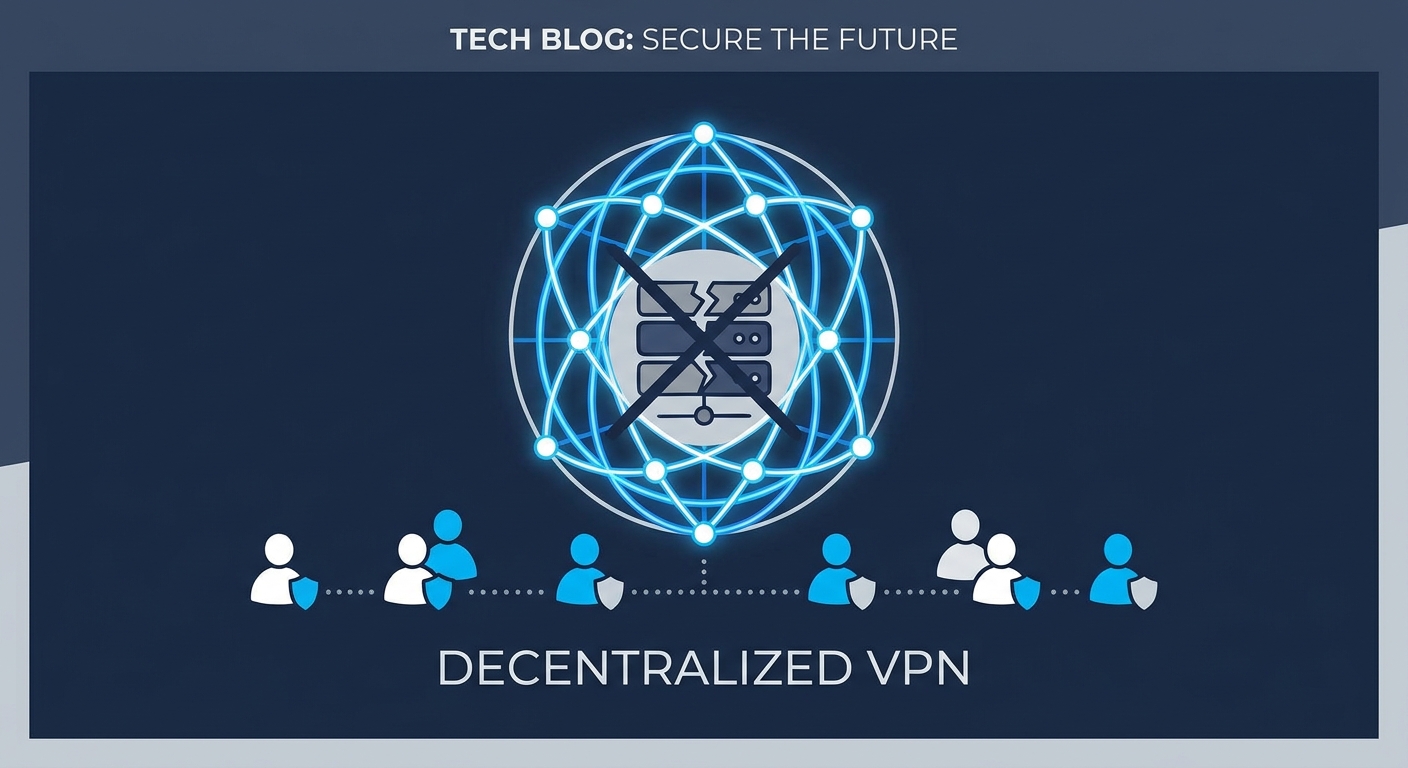
Ever felt like your vpn is just a shiny lock on a glass door? You click "connect" and hope for the best, but the truth is traditional vpn services are basically just middle-men holding your encryption keys—meaning they could technically see everything if they wanted to.
The "gold standard" we've used for years is starting to show some serious cracks. Here is why the old way is getting risky:
- Centralized Honey Pots: When one provider owns all the servers, a single hack or subpoena exposes everyone. It's like putting every medical record in one unlocked cabinet.
- The "No-Logs" Lie: Many companies claim they don't watch you, but according to a 2023 report by Consumer Reports, many popular vpns actually lack transparency in how they handle your data traffic.
- Geoblocking Arms Race: Streaming sites and banks are getting way better at spotting data center IPs. Since they know these addresses belong to vpn companies, they just block them, making your "hidden" connection useless for retail or finance apps. (ThreatsDay Bulletin: New RCEs, Darknet Busts, Kernel ...)
We need something that doesn’t rely on trusting a single ceo. Moving toward p2p networks means your traffic isn't just sitting on one server—it’s scattered across a global mesh. Let’s look at how we actually build that.
Understanding decentralized tunneling protocols
Ever wonder how your data actually travels when there's no big central server to boss it around? Think of a decentralized tunneling protocol like a digital relay race where nobody knows who started the run or where the finish line is.
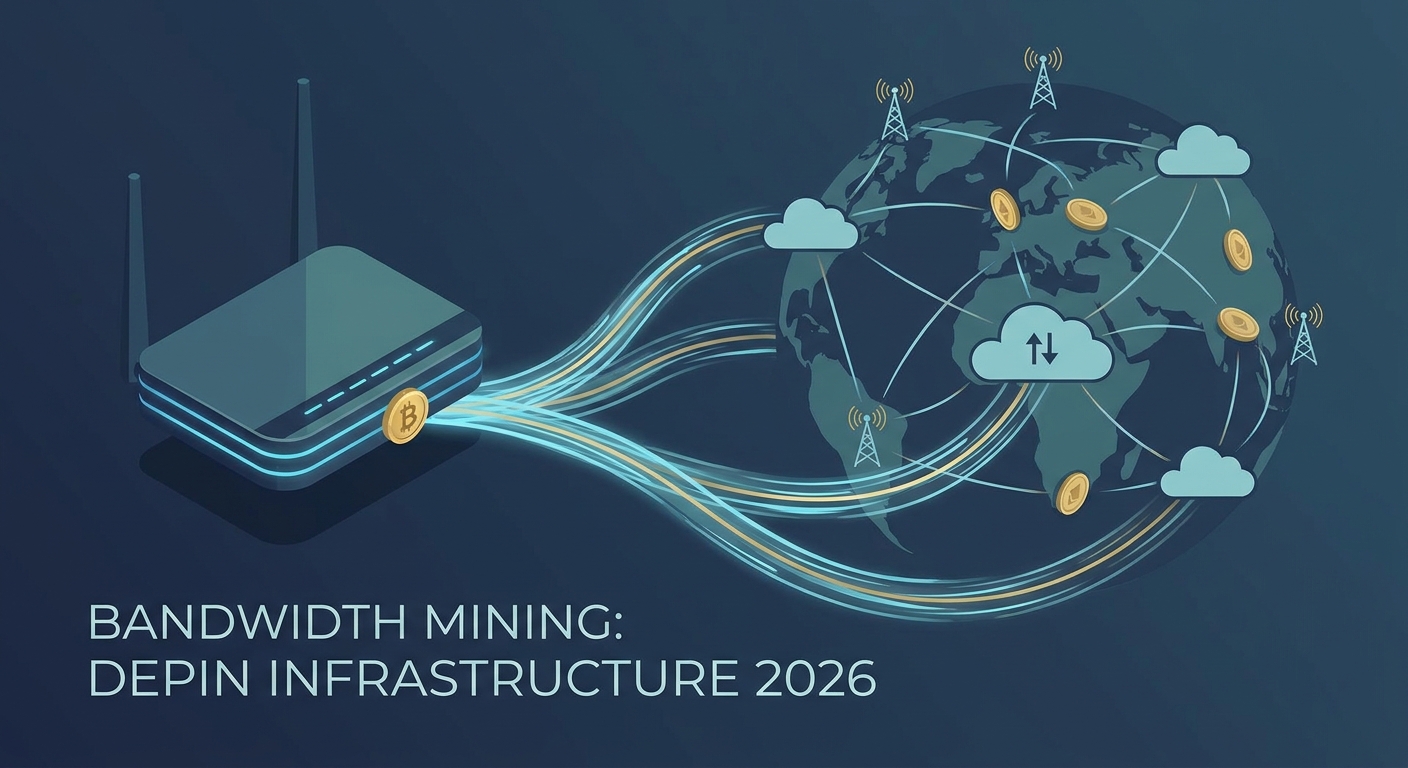
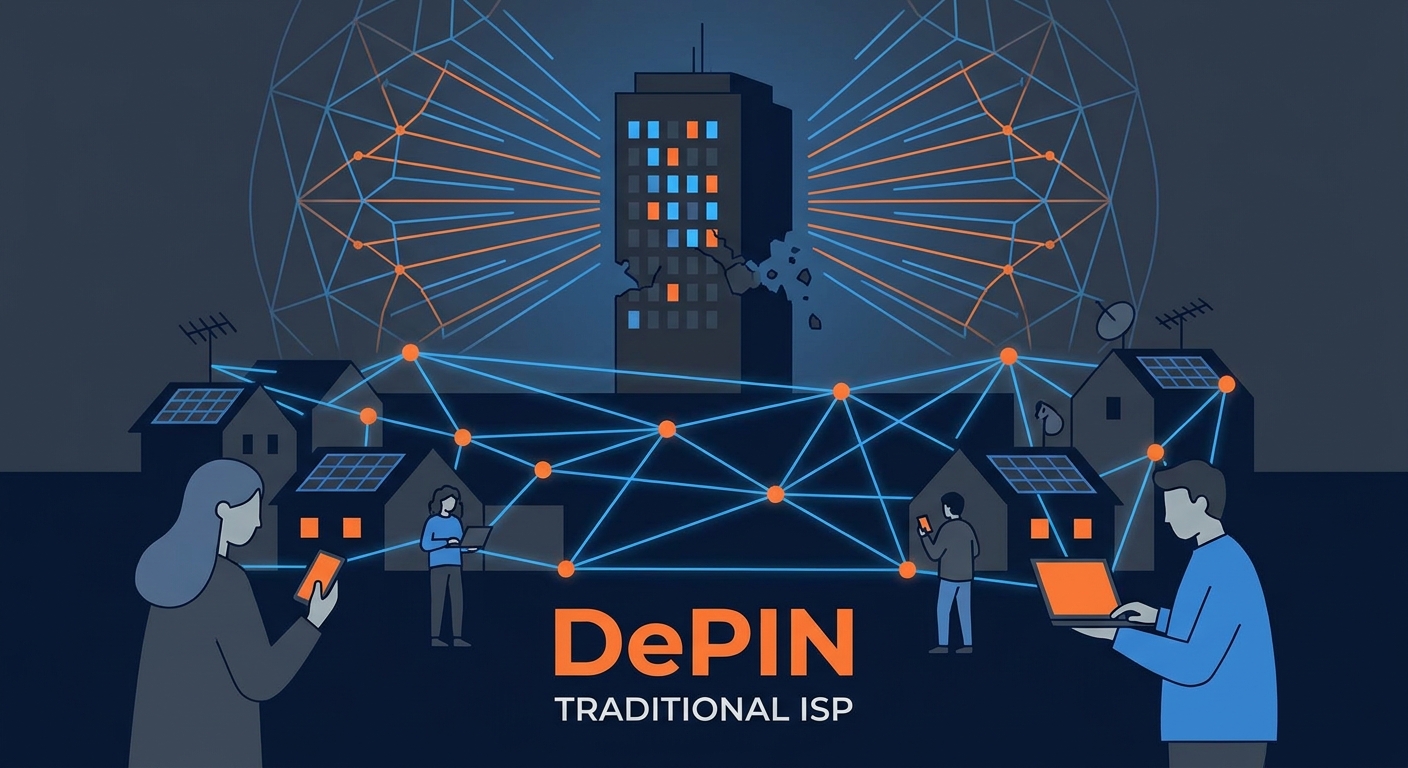
In a traditional setup, you're basically on a highway with one toll booth. In a DePIN (Decentralized Physical Infrastructure Network), your data gets chopped into tiny encrypted "packets" and tossed into a global mesh of nodes. This "Airbnb for bandwidth" model is the heart of depin—instead of a corporation owning the wires, regular people share their home internet.
- Encapsulation: Your original data is wrapped in multiple layers of encryption. It's like putting a letter inside three different locked boxes before mailing it.
- Dynamic Routing: Instead of taking the same path every time, the network picks the best route on the fly. If a node in Germany goes offline, your traffic just hops through a laptop in Japan or a router in Brazil.
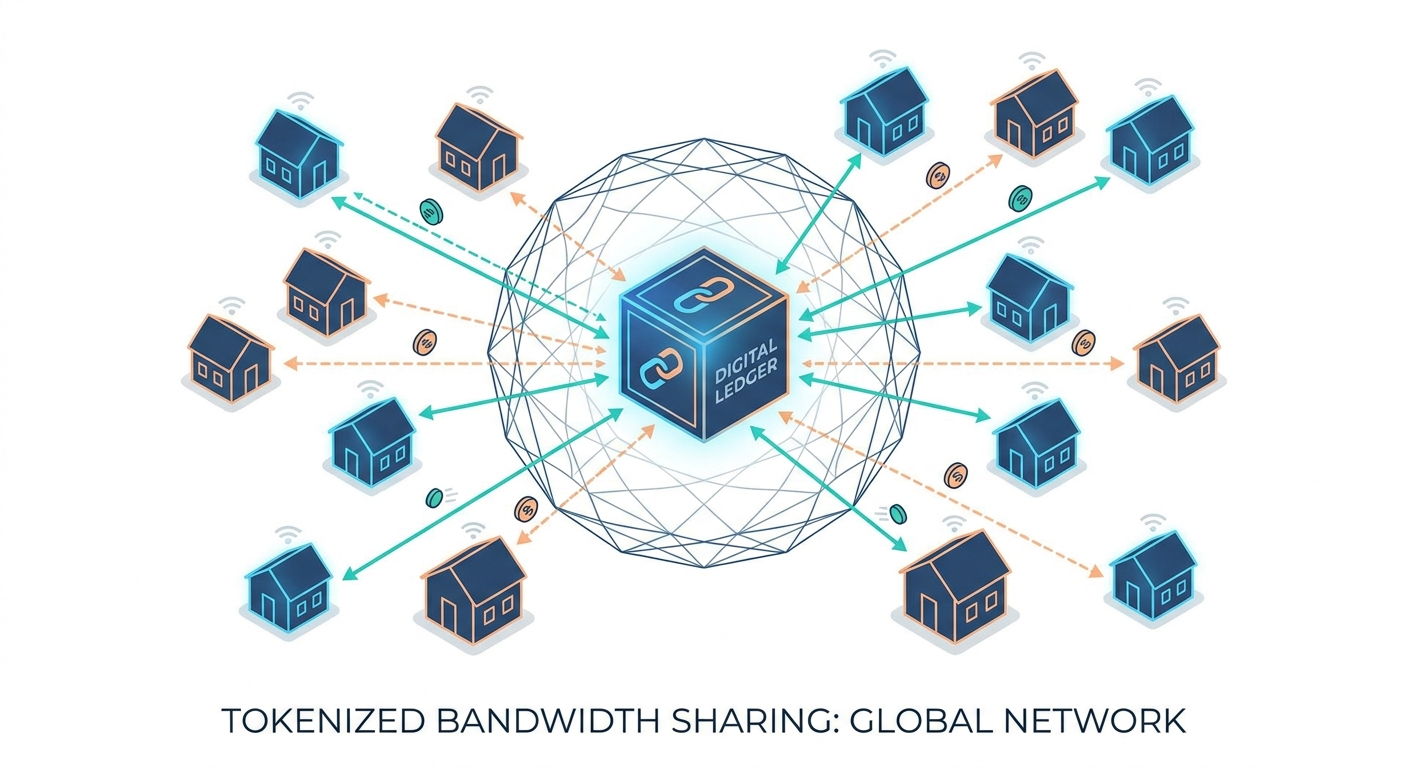
- Proof of Bandwidth: This is the "trust but verify" part. Since there's no boss, the blockchain uses a Proof of Bandwidth system. It's a technical handshake where the network verifies that a node actually transmitted the data it claimed to before it gets paid. This keeps the relayers honest.

Why would someone in Canada let your Netflix traffic pass through their home internet? Simple: they get paid in crypto tokens. By sharing extra speed they aren't using, everyday people earn rewards. According to research by Deloitte (2023) on decentralized infra, these incentive models are what make the network grow fast and stay resilient against blocks.
Next, we'll see how adding "onion layers" makes this even more private.
The magic of onion routing integration
Imagine your data is a tourist trying to cross a border without being followed. Instead of taking a direct bus, they hop between three different taxis, and each driver only knows where they picked you up and the next street corner to drop you off.
That’s basically onion routing in a nutshell. When you mix this with a p2p network, you get a "trustless" system where no single person has the full map of your journey. In a standard vpn, the provider sees everything. But with onion routing integration, your data is wrapped in multiple layers of encryption—hence the name.
- The Entry Node: This guy knows who you are (your IP) but has no clue what you're looking at because the data is still heavily encrypted.
- The Middle Relay: This node is the most "blind." It just passes traffic from point A to point B without knowing the start or the end of the chain.
- The Exit Node: This is where the final layer is peeled off. It sees the destination (like a retail site or a medical database) but doesn't know which user sent the request.

Even if you aren't a tech wizard, using these protocols is getting easier because of client-side automation. Most modern apps handle these complex multi-hop paths for you. Tools like SquirrelVPN are good examples of how this tech is being packaged into simple "one-click" interfaces so you don't have to be a coder to stay safe.
Whether you're a remote bookkeeper protecting sensitive finance files or just someone who doesn't want their ISP selling their browsing history, these layers are your best friend. Next, we'll talk about the technical hurdles and how the blockchain manages this mess.
Challenges in merging dVPN with onion tech
Let’s be real—privacy usually comes with a tax, and in the world of onion routing, that tax is paid in latency. While it sounds cool to bounce your data like a pinball across the globe, each "hop" adds a delay that can make a high-speed fiber connection feel like dial-up from 1998.
Merging dVPNs with onion tech isn't just a plug-and-play situation. You’re dealing with some heavy technical hurdles:
- The Multi-Hop Lag: Every time your data hits a new node, it has to be decrypted and re-encrypted. If you're a radiologist sending huge imaging files or a gamer in a high-stakes match, those extra milliseconds are a nightmare.
- Node Reliability: Unlike a corporate server in a chilled data center, a p2p node might be someone’s home router. If they trip over the power cord, your "tunnel" collapses and the network has to scramble to find a new path.
- Blockchain Orchestration: To keep things running, the blockchain acts as the "brain." It uses smart contracts to handle the handshake between you and the nodes. It also manages node reputation—if a node drops too many connections, the smart contract lowers its score so it gets less traffic (and less money).

A 2024 report by the Open Technology Fund notes that while onion routing is the gold standard for anonymity, the overhead often results in a 30-50% drop in throughput compared to standard tunnels.
It’s a constant balancing act between being invisible and actually getting work done.
The future of web3 internet freedom
So, where does all this leave us? We’re basically standing at the edge of a new internet where you don't have to just "trust" a vpn company's pinky promise that they aren't looking at your data.
The shift toward a decentralized isp alternative is about taking the power back from big telcos and central servers. When we use p2p bandwidth sharing, we create a network that's almost impossible to kill because it lives everywhere at once—on a enthusiast's raspberry pi in Seoul or a laptop in a small retail shop in Rome.
- Beating the blocks: Traditional vpns get blacklisted because their IPs come from known data centers. In a web3 world, you're using residential IPs, making your traffic look like any other neighbor's.
- Privacy by design: By using the blockchain layer to manage connectivity, your identity is tied to a decentralized identifier (did) or a wallet, not a credit card or email address. Smart contracts handle the payments and reputation automatically, so no human ever needs to see your account details.
- Industry impact: This isn't just for techies. A 2023 report by Juniper Research suggests that as edge computing and decentralized networks mature, they could significantly reduce data breach costs for small businesses by removing central points of failure.
It’s not perfect yet—the "latency tax" is real—but the trade-off for true digital freedom is finally becoming worth it. Whether you're a journalist or just someone who wants to browse without being a product, the future looks decentralized. It’s time we stop asking for privacy and start building it ourselves.