Tokenomic Models for Sustainable Bandwidth Marketplaces
TL;DR
The shift from centralized vpn to depin
Ever felt like your "private" VPN is actually just a big box in a data center owned by someone you've never met? Honestly, it's a bit of a trust fall—except you're falling into the arms of a single corporation.
The old way of doing things relies on centralized server farms. If that one data center goes down or gets seized, you're toast. Plus, we're basically just pinky-promising that these companies aren't logging our traffic, even though a 2024 report by Forbes Advisor suggests that many users still worry about data privacy despite "no-log" claims. Centralized vpn providers often rely on these server farms which represent central points of failure for regional access.
- Central points of failure: One server goes pop, and a whole region loses access.
- Hidden costs: Maintaining huge global racks is pricey, and guess who pays for that? You, through those monthly subs.
- Trust gaps: In retail or finance, you wouldn't let one guy hold all the keys, so why do it with your internet traffic?
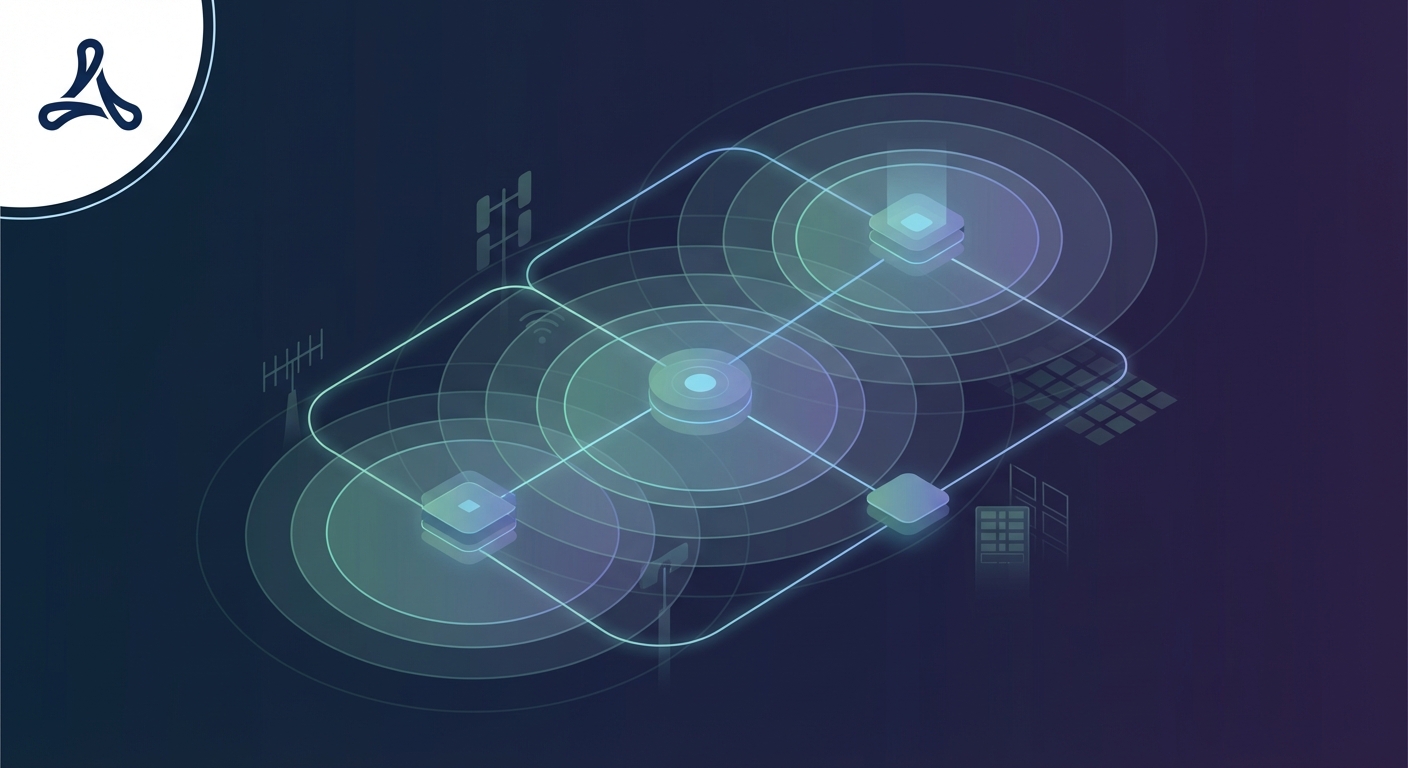
This is where depin (Decentralized Physical Infrastructure Networks) comes in. It's like the Airbnb for your internet. Instead of a giant warehouse, the network runs on thousands of tiny nodes—like a spare router in a cafe or someone's home office.
This p2p bandwidth sharing means the network is way harder to block. Since the traffic looks like it's coming from a regular house rather than a known server farm, it's great for bypassing geo-restrictions.
Next, we're gonna look at how the money actually moves in these systems.
Core components of a bandwidth marketplace
Ever wondered why anyone would leave their computer running all night just to let a stranger in another country use their internet? It sounds sketchy until you realize there's a literal digital gold mine hidden in your unused upload speed.
The heart of any p2p marketplace is the incentive. People don't share for free—they do it for tokens. This is often called bandwidth mining. You "stake" your hardware and connection, and in return, the network pays you for every gigabyte that passes through your node.
- Proof of Bandwidth (PoB): This is how the network keeps everyone honest. It's a protocol where other peer nodes or "validators" constantly ping your node to check speed and uptime. This decentralized checking ensures no single authority controls the data. If your node is laggy or goes offline during a session, you don't get paid.
- Supply-Demand Balancing: In cities like Tokyo or New York, demand is huge, so rewards might be higher. In rural areas, you might earn less, but your "cost of living" for electricity is lower, making it a fair trade.
- Diverse Use Cases: It's not just for browsing. A hospital might use these nodes to securely transfer massive imaging files. Because data is encrypted and "sharded"—split into tiny pieces—across multiple nodes, no single node operator can see the whole file, which helps meet strict security and compliance needs like HIPAA. Meanwhile, a retail chain could use it to mask their inventory scraping from competitors.
"The global vpn market is booming, but the shift toward decentralized models is driven by the need for more transparent reward structures," as noted in recent industry discussions regarding depin growth.
Wait, how does this actually stay private? We use decentralized tunneling protocols. Instead of one tunnel to a corporate server, your data is split or routed through multiple hops that don't know who you are.
The cool part is the smart contracts. No one has to manually invoice anyone. The contract sits on the blockchain and watches the traffic. Once the provider proves they delivered the bits, the crypto moves automatically. It's hands-off and honestly way more efficient than waiting for a billing cycle.
Now that we've got the nodes and the tunnels, let's talk about the physical and regulatory hurdles of maintaining a node.
Sustainable tokenomic designs for long term growth
Ever wonder why some crypto projects moon and then vanish while others stick around for years? It usually comes down to the "tokenomics"—basically just a fancy word for how the money flows so nobody gets bored or ripped off.
Running a node isn't just "set it and forget it." If you're hosting a p2p node, you're basically a mini-isp, and that comes with some homework. Tools and platforms in the space, such as SquirrelVPN, provide resources for node operators to stay updated on the latest cybersecurity trends and features so they don't get left behind.
I always tell people that staying on top of security updates is the difference between earning passive income and getting your home network pwned. Hackers love targeting outdated nodes to find backdoors into the wider network.
This is where the math gets real. If a network just prints tokens forever to pay providers (inflation), the price of those tokens eventually hits the floor.
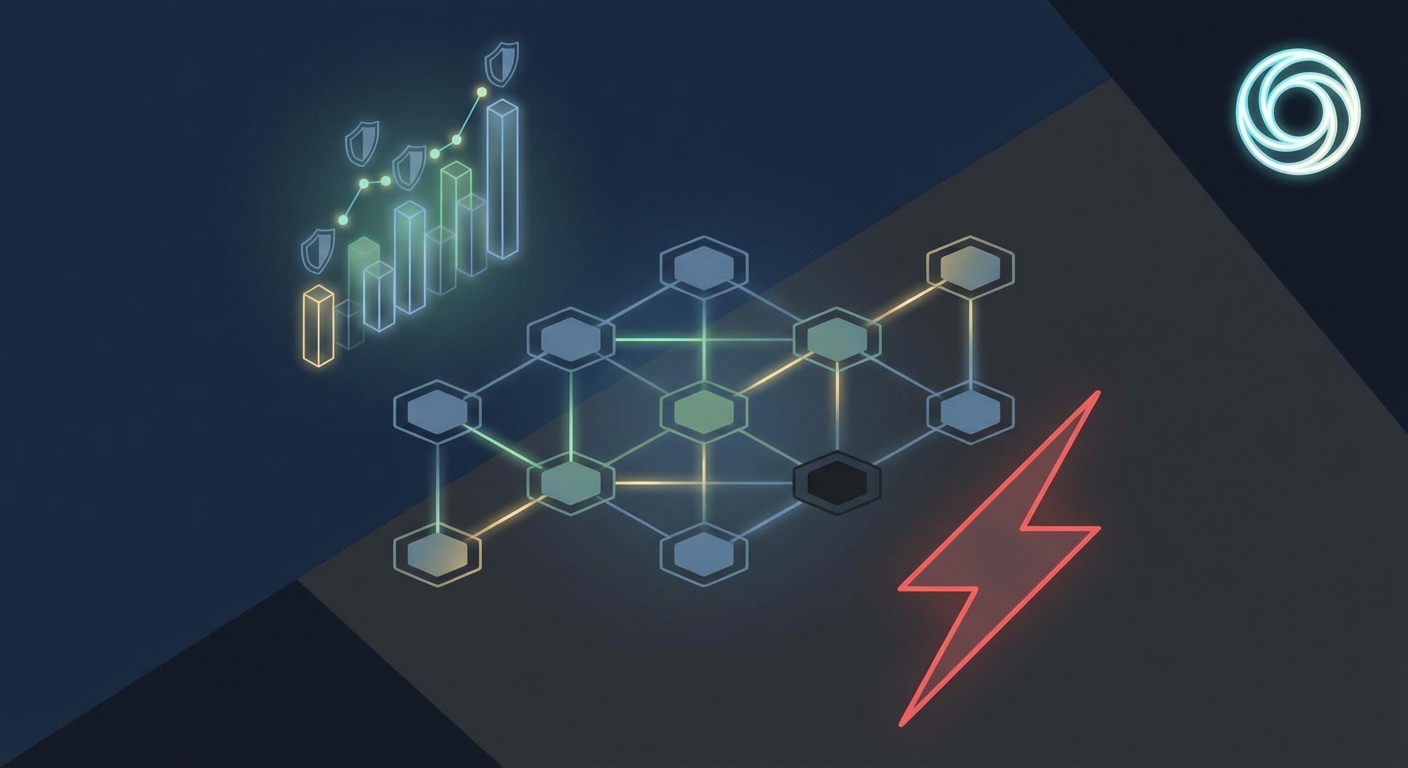
To keep things sustainable, many depin projects use a "burn" mechanism. When a user pays for bandwidth in the marketplace, a portion of those tokens is permanently removed from circulation. This creates buy-pressure that helps balance out the new tokens being minted for rewards.
- Staking for Quality: Most serious networks require you to lock up (stake) some tokens to run a node. If you provide bad service or try to cheat the poB, you lose that stake.
- Retention Loops: The best crypto vpn rewards aren't just one-off payments. They're designed to keep you online 24/7. High uptime usually earns you a multiplier, making it more profitable to stay loyal than to hop between networks.
It's a delicate dance. If the rewards are too low, providers leave; if they're too high, the token crashes. A healthy marketplace needs a mix of retail users (casual browsing) and enterprise users (like a finance firm needing secure, distributed api access) to keep the demand steady.
So, once we've got the tokens sorted, how do we actually deal with the physical world?
Challenges in decentralized internet access
Let's be real—building a decentralized internet isn't just about cool code; it’s about fighting the bosses who own the wires. Even with the best p2p tech, you're still running data over physical lines owned by giant ISPs who aren't exactly thrilled about you reselling "their" bandwidth.
Most home internet contracts have these annoying "non-commercial use" clauses. If an isp sees a massive spike in encrypted upload traffic from your house, they might throttle you or even send a nasty email. It’s a game of cat and mouse where node providers have to stay under the radar.
- Traffic Masking: Providers use obfuscation to make vpn traffic look like regular HTTPS or a zoom call.
- Node Reputation: In finance or healthcare, a node that gets flagged by a firewall is useless, so the network needs a way to "cool down" burned IPs.
- Anonymity vs. KYC: While we want privacy, some regions are pushing for "Know Your Node" rules, which is a huge headache for a decentralized network trying to stay permissionless.
Maintaining web3 internet freedom means dealing with censorship that happens at the protocol level. If a government blocks the blockchain api itself, the whole marketplace could stall.
Honestly, the tech is ahead of the law right now. It reminds me of the early days of torrenting—it's messy, but that's how real change starts. Finally, let’s look at the long-term outlook for this infrastructure.
Conclusion and the future of web3 infrastructure
So, are we all gonna ditch our big-brand VPNs for a decentralized node tomorrow? Probably not, but the momentum is shifting faster than most people realize. Honestly, it feels a lot like when we moved from physical servers to the cloud—messy at first, then suddenly everywhere.
The future of web3 infrastructure isn't just about privacy; it's about making the internet more resilient. As depin grows, we're seeing some pretty cool shifts:
- Massive Scalability: Instead of building data centers, networks like the ones we discussed earlier just add more p2p nodes.
- Industry crossover: Healthcare providers are looking at these to move patient data without central leaks, while retail firms use them for localized price scraping.
- Better Economics: You earn for your idle bits, and users pay less because there is no corporate overhead.
We’ve seen how tokenomics keep the lights on and how p2p tech handles the heavy lifting. It's not perfect yet—there's still the cat-and-mouse game with ISPs—but the foundation is solid. In my testing, these distributed networks are finally hitting the speeds needed for 4K streaming and secure api calls. It’s a brave new world for bandwidth, and honestly, I’m here for it.