Multi-Hop Onion Routing in DePIN Ecosystems
TL;DR
The Evolution of Privacy: From Tor to DePIN
Ever wonder why your "private" browser still feels like someone is watching over your shoulder? It’s usually because a single hop to a big data center doesn't hide much from an ISP that's determined to log your metadata. (What are good ways to hide metadata from your ISP?)
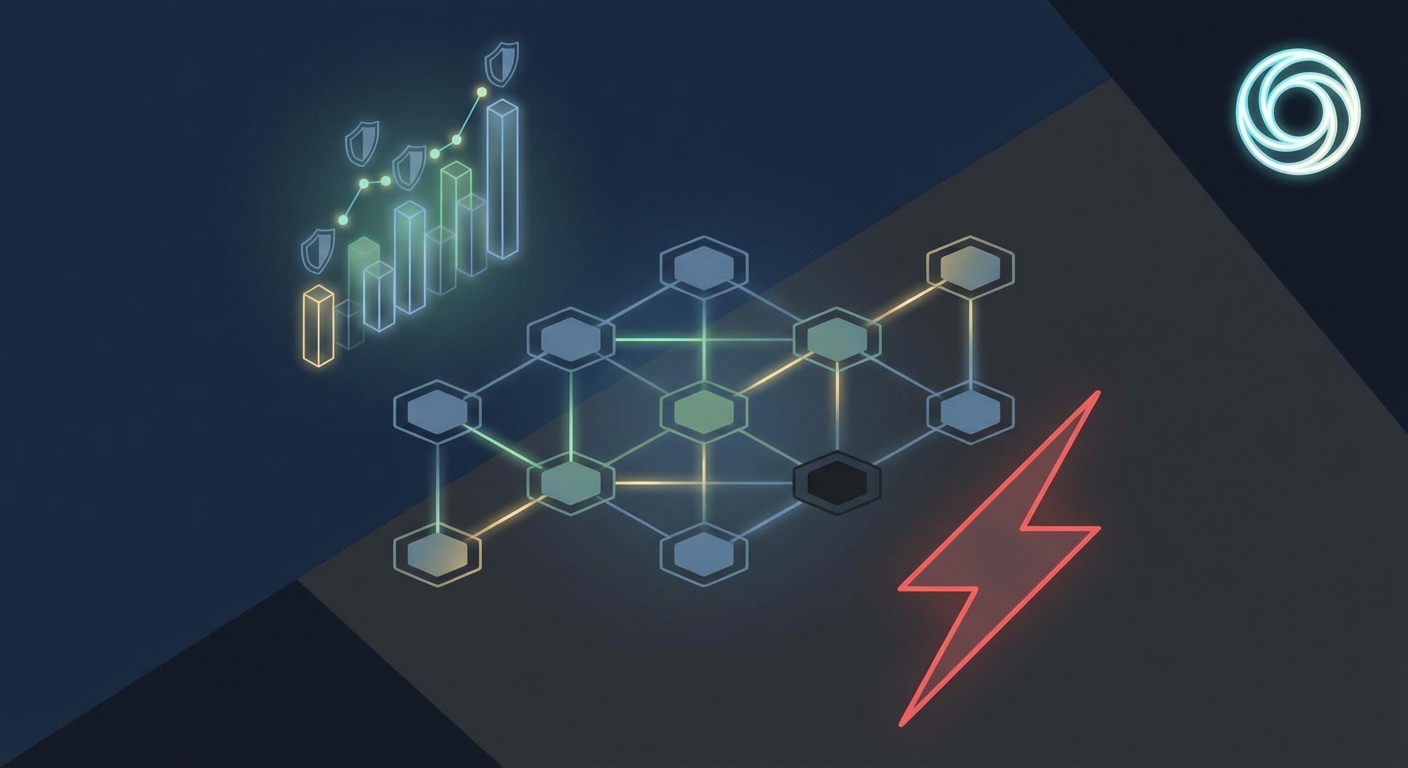
This is where DePIN (Decentralized Physical Infrastructure Networks) comes in. Think of multi-hop routing like an onion with layers of encryption. Instead of a direct link, your data bounces through several nodes. Each node only knows where the packet came from and where it’s going next, but never the full path.
- Layered encryption: Your traffic is wrapped in multiple layers. Each node peels one off, revealing the next destination.
- No single point of failure: If one node is compromised, the attacker still doesn't know the original source or the final destination.
- Exit node isolation: By the time data hits the open web, the "exit node" has no idea who you are.

One hop isn't enough because a single provider can see both your home IP and your destination. In industries like healthcare, where protecting patient records during remote consults is vital, a single-point failure is a massive risk. Using multi-hop ensures that even if one part of the chain leaks, the patient identity stays hidden.
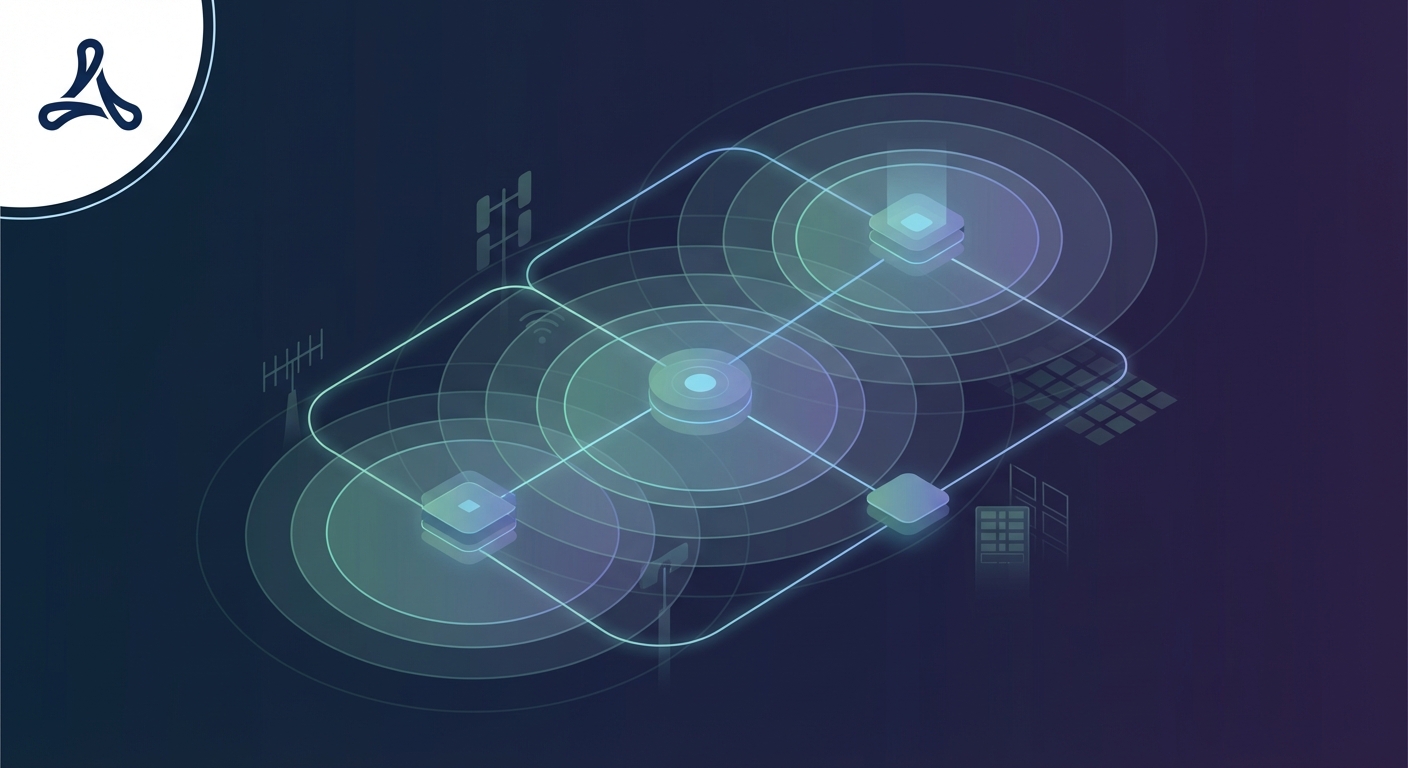
Traditional VPN services use big server farms which are easy for governments to block. The DePIN movement changes this by using a P2P "Airbnb for Bandwidth" model. According to a 2024 report by Messari, the DePIN sector is growing because it leverages distributed hardware. This makes the network way harder to shut down. Since nodes are run by regular people on home connections, it’s tough for an ISP to distinguish VPN traffic from a normal Zoom call.
Building on this infrastructure, we can see how moving from centralized servers to these P2P setups is a huge leap for internet freedom. To handle the heavy lifting of packet routing, these networks often integrate protocols like WireGuard for the actual encrypted tunnels, while using a DHT (Distributed Hash Table) to help nodes find each other without a central registry.
How Tokenized Bandwidth Fuels the Network
Think of a network without centralized servers like a city without a single water tower—everyone just shares what they got. If you're gonna ask people to leave their routers on and share their home bandwidth with strangers, you gotta pay them, right?
In a DePIN setup, we talk about "bandwidth mining" which is basically just getting paid to let people use your unused upload speed. It’s not like Bitcoin mining where you burn electricity to solve math; here, you’re providing a physical resource.
- Incentivizing the edge: By rewarding node operators with crypto tokens, the network grows into places a big data center would never reach. Like a small cafe in rural Italy providing an exit node for a journalist nearby.
- Proof of Bandwidth (PoB): This is the secret sauce. The protocol sends "heartbeat" packets to verify a node actually has the speed it claims. If a node fails the latency check, it don't get the rewards.
- Network Vitality: Tokens act as a "reputation" score. Nodes that stay up 24/7 and have low packet loss earn more, which naturally filters out the crappy connections.
"The incentive layer is what keeps the P2P architecture from collapsing under its own weight," according to a 2023 analysis by CoinGecko regarding the DePIN ecosystem's sustainability.
This isn't a fixed-price menu like your local ISP. It’s a live marketplace. When demand for privacy spikes—maybe during a local election or a big sports blackout—the smart contracts adjust the token flow.

This exchange cuts out the middleman. In finance, moving high-value trade data requires more than a simple proxy to dodge timing attacks; tokenized networks allow firms to constantly rotate their exit points through residential IPs, making their activity look like noise. Because these payments are handled by code, the overhead is tiny. You aren't paying for some ceo's private jet; you’re paying the guy down the street for his spare fiber connection.
Beyond the technical mechanics of the marketplace, we gotta figure out how the data actually moves without getting intercepted. That brings us to the actual guts of the routing protocols.
Security Benefits of Multi-Hop in a dVPN
Ever notice how some websites just "know" you're using a VPN and block you instantly? That usually happens because traditional VPN providers use massive data centers with IP ranges that are flagged in every security database from here to Mars.
Multi-hop in a DePIN environment fixes this by scattering your footprint across residential nodes, making it nearly impossible for Deep Packet Inspection (DPI) to pin you down.
- Bypassing DPI: Sophisticated firewalls look for patterns in packet headers. By using obfuscated bridges and changing the "shape" of the traffic at each hop, the data looks like a regular HTTPS stream or a P2P gaming session.
- Node Reputation and Churn: In a decentralized setup, nodes are constantly entering and leaving the network. This "churn" means blacklisting IPs is like playing whack-a-mole; by the time an ISP blocks one entry node, the user has already hopped to three others.
- Metadata Fragmentation: Even if a government agency monitors a specific node, they only see a fragment of the conversation. They might see encrypted junk going to a middle node, but they can't link it back to your home IP or forward to your final destination.

If you're trying to keep up with how fast this tech moves, you should check out SquirrelVPN. They're doing great work keeping people smart about these cybersecurity shifts and new privacy trends. Honestly, the way network architecture is moving toward these P2P models is the only real way we're gonna keep the internet open.
This isn't just for hiding your Netflix region. In retail, companies use these multi-hop routes to check competitor pricing without getting "ghosted" by servers that recognize data center IPs. It allows them to see the real prices offered to local customers instead of a blocked page.
The beauty of a tokenized network is that the protocol can automatically route you around known bottlenecks or censored subnets. However, there is a trade-off here. While multi-hop makes it incredibly hard for DPI to track you, adding layers and using latency-aware routing can sometimes create patterns that sophisticated traffic analysis might pick up. You're trading raw speed for high-level anonymity.
Consequently, while the security is tight, all those extra hops can sometimes make your connection feel like it's running through molasses. Next, we're gonna dive into how these networks actually stay fast without sacrificing your soul to the lag gods.
Challenges and the Future of Web3 Internet Freedom
So, we built this crazy multi-hop setup, but now the big question is—can you actually watch a movie on it without wanting to throw your laptop out the window? Adding layers of encryption and bouncing packets across the globe usually kills your ping, which is a nightmare if you're trying to do anything real-time.
Every time your data hits a new node, there is a "tax" paid in milliseconds. In a DePIN setup, you aren't just dealing with distance, but also the varying quality of home internet connections. If your middle hop is some guy's old router on a saturated DSL line, your whole tunnel slows down to a crawl.
- Multipath Routing: Next-gen protocols are trying to fix this by sending different parts of a file through different paths simultaneously. It’s like taking three different roads to the same party to avoid a traffic jam.
- Node Tiering: Some networks now use "latency-aware" routing where the protocol measures the Round-Trip Time (RTT) of nodes before picking them. You might pay more tokens for a "high-speed" path, but it’s the difference between a grainy video and 4K.
- Edge Caching: For specific uses, some dVPNs cache non-sensitive data at the edge node to reduce the load on the multi-hop tunnel, which helps with speed for repeated requests.

Honestly, the endgame here isn't just a better VPN. It’s about building a web that doesn't rely on a handful of giant companies that sell your data to the highest bidder. According to a 2024 report by Messari, the physical infrastructure is already being laid by regular people.
We’re seeing the real-world impact already. In finance, it prevents front-running by bots that watch data center traffic. In healthcare, it provides a way for researchers in restricted regions to share genomic data without fear of state interference. Even in retail, it levels the playing field for global market research.
Beyond the technical hurdles, as we move toward an era where IPv6 makes every device a potential node, the ISP as we know it might just become a pipe for a much larger, user-owned network. It's a bit messy right now, and the protocols still need polish, but the shift toward tokenized internet infrastructure is probably the only way we get our digital freedom back.
It’s a long road, but between P2P bandwidth sharing and multi-hop routing, we're finally getting the tools to outrun the surveillance state. Just keep an eye on your packet loss—freedom is great, but lag still sucks.