Critical CitrixBleed Vulnerability Under Active Exploitation Prompts Urgent Security Patch for NetScaler Gateways
TL;DR
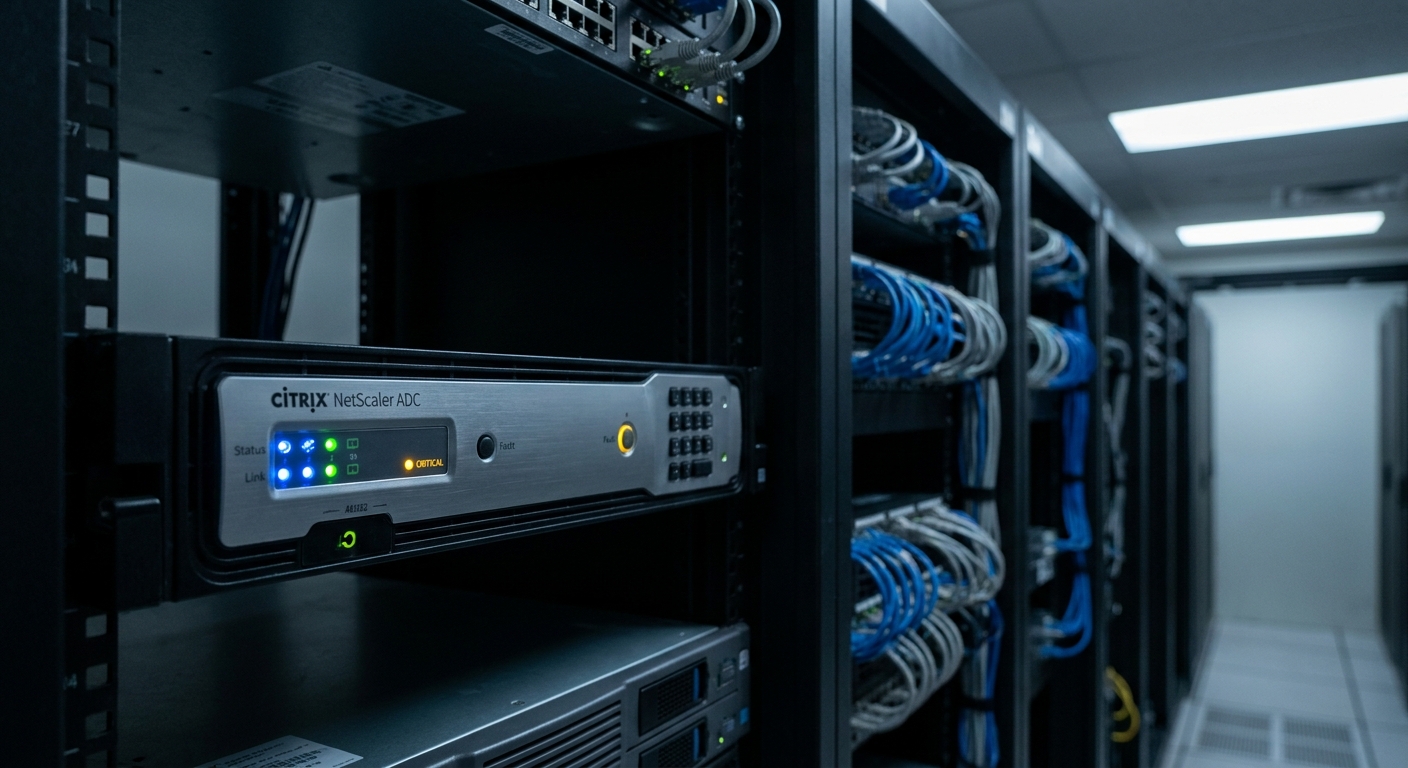
If you’re running Citrix NetScaler ADC or Gateway appliances, stop what you’re doing and check your patch logs. Right now. We are looking at a brutal one-two punch of vulnerabilities—CVE-2026-8451 and the older, but still dangerous, CVE-2025-5777—that are currently being chewed on by threat actors. These aren't just theoretical risks; they’re being used to bypass authentication and hijack sessions, and CISA has already shoved them into their Known Exploited Vulnerabilities (KEV) Catalog.
The core of the problem? These appliances are leaking memory like a sieve. Unauthenticated attackers are siphoning off sensitive data—session tokens, MFA credentials, you name it—directly from memory. They don’t need a password. They don’t need an invite. They just need to poke the right endpoint, and the appliance hands over the keys to the kingdom.
The Anatomy of the Breach: CVE-2025-5777 and CVE-2026-8451
Let’s talk about "CitrixBleed 2," or CVE-2025-5777. This one is nasty because it’s so simple. By firing off a malformed, incomplete POST request to /p/u/doAuthentication.do, an attacker can scrape 127 bytes of memory per request. It sounds small, but it’s enough to snag SAML StateContext and active session tokens. Splunk Research has been tracking this since mid-June 2025, noting that attackers are using automated scripts like HeadlessChrome to do the heavy lifting at scale.
Then there’s the newer headache: CVE-2026-8451. This is a pre-authentication memory-overread flaw with a CVSS score of 8.8. It targets the SAML parser, specifically playing games with the NSC_TASS cookie. As Tech Insider pointed out, the speed of weaponization here was terrifying—honeypots were catching exploitation attempts within 24 hours of the vulnerability going public on June 30, 2026.
Impact and Mitigation: What You Need to Do
Because these flaws hit before authentication, your standard perimeter defenses are effectively blind. You can’t firewall your way out of this. Here is the breakdown of the threat:
| Vulnerability ID | Primary Vector | Impact |
|---|---|---|
| CVE-2025-5777 | /p/u/doAuthentication.do |
Session token/MFA theft |
| CVE-2026-8451 | SAML Parser (NSC_TASS) | Memory-overread/Data leakage |
If you want to keep your network from being ransacked, you need to move fast. Here is your checklist:
- Patch, Patch, Patch: Don't wait for the weekend. Deploy the emergency updates Citrix released on June 30, 2026. There is no middle ground here; if you aren't patched, you're exposed.
- Kill the Sessions: This is the part people forget. Even if you patch the hole, the attacker might already be sitting inside with a stolen token. You need to globally terminate all active sessions to flush out any unauthorized access.
- Hunt for the Weird Stuff: Use Splunk Research’s network monitoring guide to look for the specific telemetry these exploits leave behind.
- Audit Your Logs: Look for incomplete POST requests or HTTP responses that seem suspiciously large. Those are the tell-tale signs of a memory-overread attack in progress.
The Escalation Cycle
We’ve seen this movie before. Security researchers have been warning since early 2026 that NetScaler flaws are the canary in the coal mine for massive exploitation waves. The moment a Proof-of-Concept (PoC) hits the wild, the floodgates open. Automated, opportunistic attacks follow almost immediately, turning a "critical vulnerability" into a "full-blown incident" overnight.
The fact that CISA has flagged these is a massive red flag for both federal and private sectors. There is no "workaround" that lets you keep the lights on without risking your infrastructure. You have to patch. If you don't, you’re leaving the door wide open for attackers to bypass your MFA and maintain a persistent foothold in your network.
If you suspect you’ve already been hit, don't panic—just get methodical. Splunk Research’s web-based detection guidance is an excellent resource for identifying the specific HTTP request structures used in these attacks. Feed that data into your SIEM and see if anything looks out of place.
At the end of the day, these appliances are the front door to your most sensitive resources. When the door has a broken lock, you don't just put up a sign saying "please don't enter"—you fix the lock. Patching is the only way to close the door, and session invalidation is the only way to make sure the intruders currently inside are kicked to the curb. Stay vigilant, stay updated, and don't assume you're safe until the patches are verified and the sessions are dead.