dVPN vs. Traditional VPN: Why Web3 Privacy is the Future of Decentralized Internet Access
TL;DR
- ✓ Traditional VPNs rely on corporate trust rather than verifiable technical privacy.
- ✓ dVPNs leverage decentralized nodes to eliminate single points of failure and data logging.
- ✓ Trustless architecture replaces legal promises with code-enforced security protocols.
- ✓ Decentralized networks protect users from metadata analysis and government subpoenas.
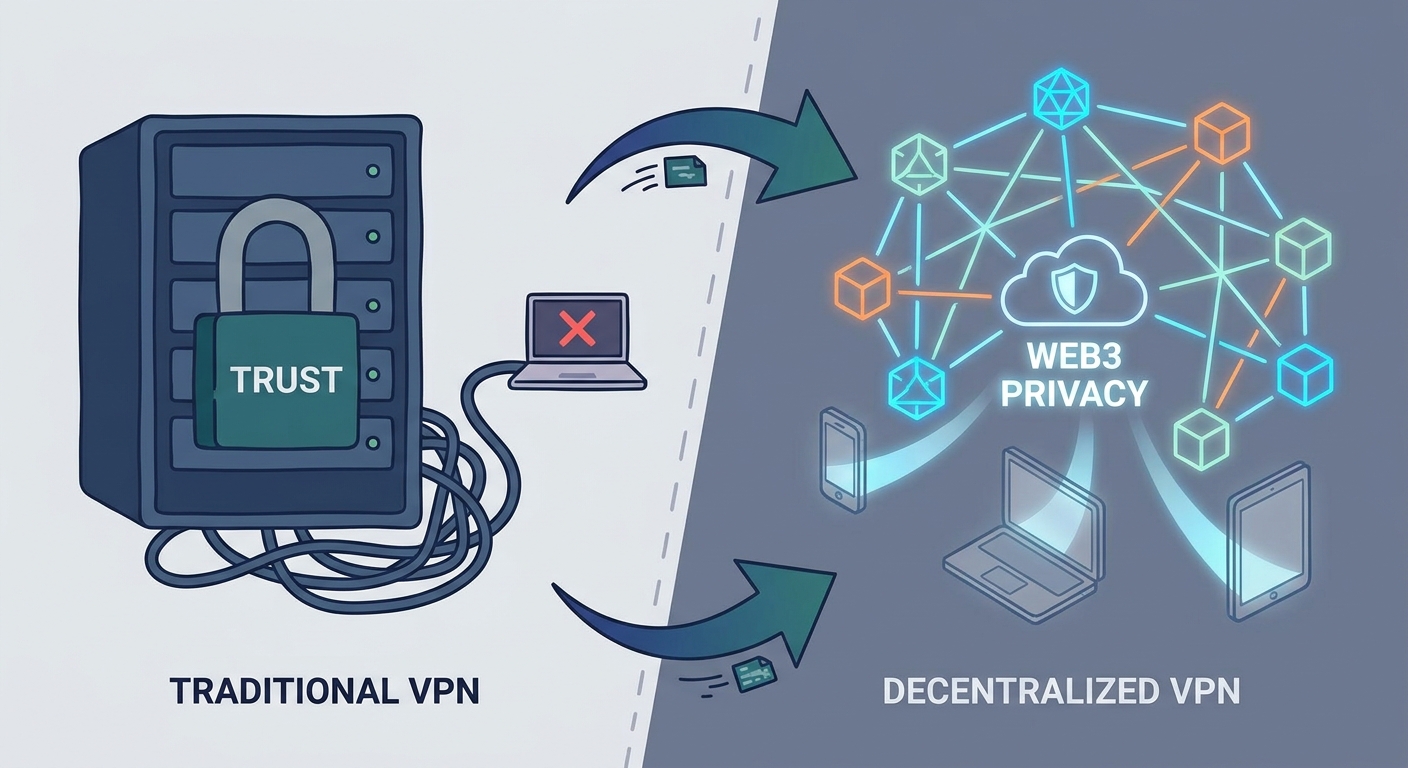
The difference between a traditional VPN and a decentralized VPN (dVPN) isn't just technical—it’s philosophical. It’s the difference between a promise and a proof.
Most traditional VPNs ask you to trust their marketing. They slap a "no-logs" badge on their website, promise they’re the good guys, and hope you don't look too closely at their corporate structure. But in an age where digital surveillance is baked into the very foundation of the web, "trust me" isn't a security strategy. It’s a vulnerability. dVPNs swap that fragile, human-centric trust for something much harder to break: architectural reality. We’re moving away from privacy based on corporate policy—which can be overturned by a single subpoena—toward privacy enforced by code, peer-to-peer relay networks, and immutable ledger verification.
The Privacy Dilemma: Your VPN is Likely a "Black Box"
For years, the VPN industry has sold us a "black box" model. You download a pretty app, pay your ten bucks a month, and assume you’re invisible. But how do you actually know? You don’t. You’re taking a company’s word for it. When you peel back the curtain, you often find these companies are based in "Five Eyes" jurisdictions, or they’re running massive, centralized server farms that are just begging to be compromised.
The industry leans hard on "no-logs" marketing to keep you sleeping soundly, but as explained by privacy experts at PrivacyTools, a no-logs policy is just a legal document. It’s not a technical barrier. If a government shows up with a court order, or if a hacker compromises a central database, that "no-logs" promise evaporates instantly. True privacy isn't about what a company claims they do with your data; it’s about them being physically unable to reach your data in the first place.
Traditional VPNs: Swapping One Gatekeeper for Another
When you connect to a centralized VPN, you’re essentially just switching your ISP for a new middleman. Your data still funnels through servers owned, managed, and monitored by one single entity. If that entity gets subpoenaed, hacked, or decides to go rogue, you’re exposed. The "trust us" model is a structural weak point.
Centralized providers create a "honey pot" of metadata. Even if the content of your traffic is encrypted, the timing and volume of your data packets can be analyzed to deanonymize you. Plus, these providers are prime targets for "man-in-the-middle" attacks. If you’re looking for a standard, high-speed solution and just want to get around a geo-block, you might secure your connection today via our standard services, but you need to go in with your eyes open: you’re trading convenience for a very specific, centralized risk profile.
What is a dVPN and How Does it Redefine Trustless Architecture?
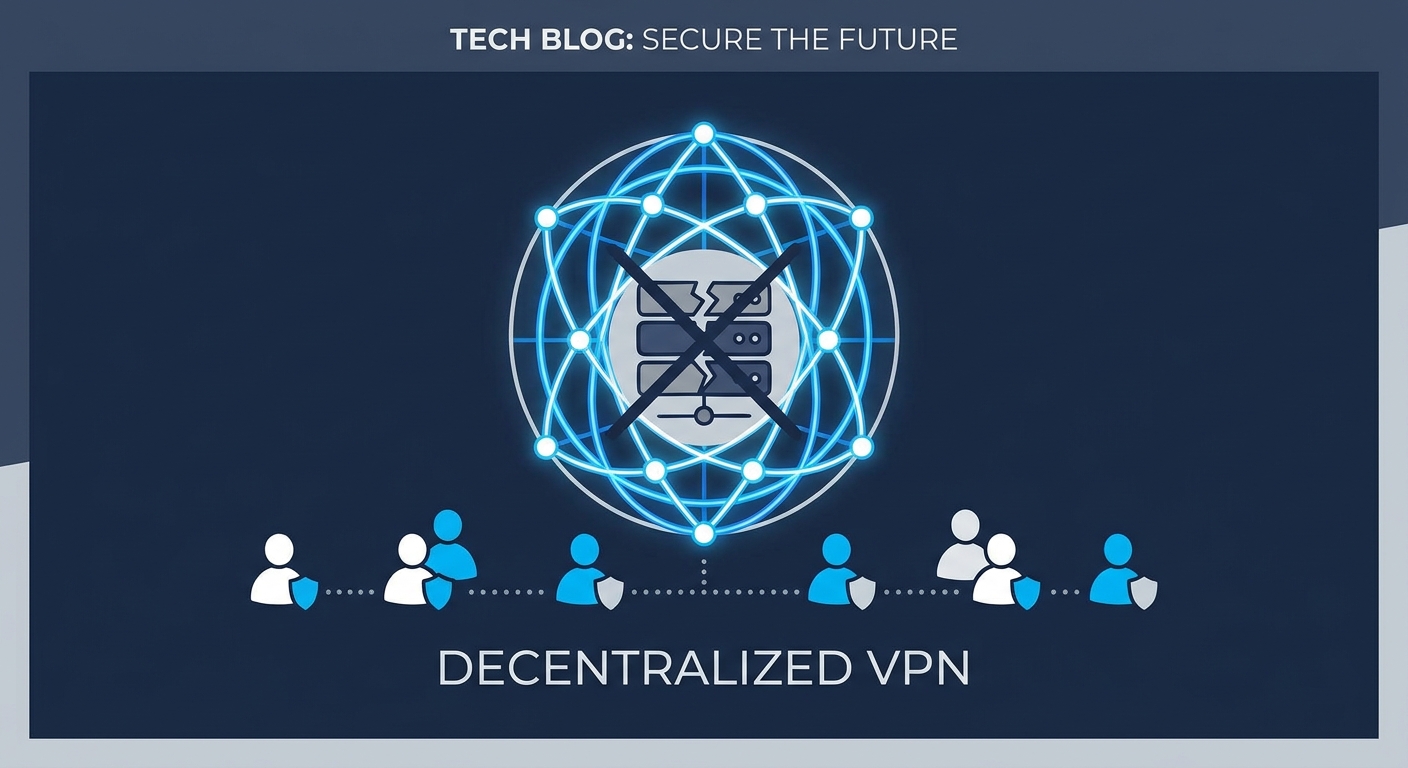
A dVPN shifts the burden of trust from a boardroom to a decentralized web of individual nodes. Instead of routing your life through a corporate server farm, a dVPN client connects you to a relay of independent, globally distributed nodes. These are run by individuals and organizations who have no central authority over them.
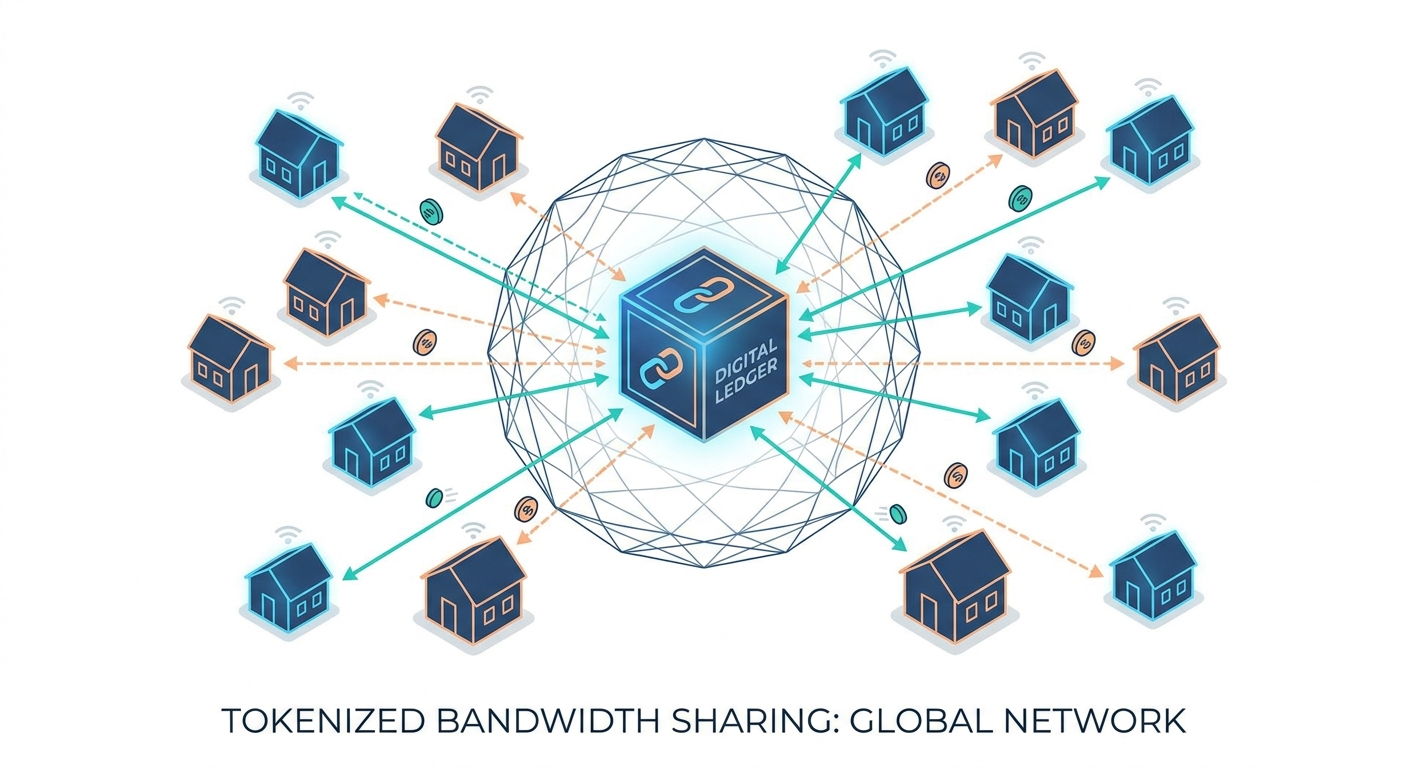
The blockchain acts as the backbone here, verifying the integrity of the nodes and making sure bandwidth providers get paid without needing a bank or a middleman. By using multi-hop routing, your data is chopped up and passed through an entry, relay, and exit node. No single point in that chain knows both your identity and your destination. It’s a game of "who knows what," and in this setup, nobody knows enough to compromise you.
How Do dVPNs Fit Into the DePIN Revolution?
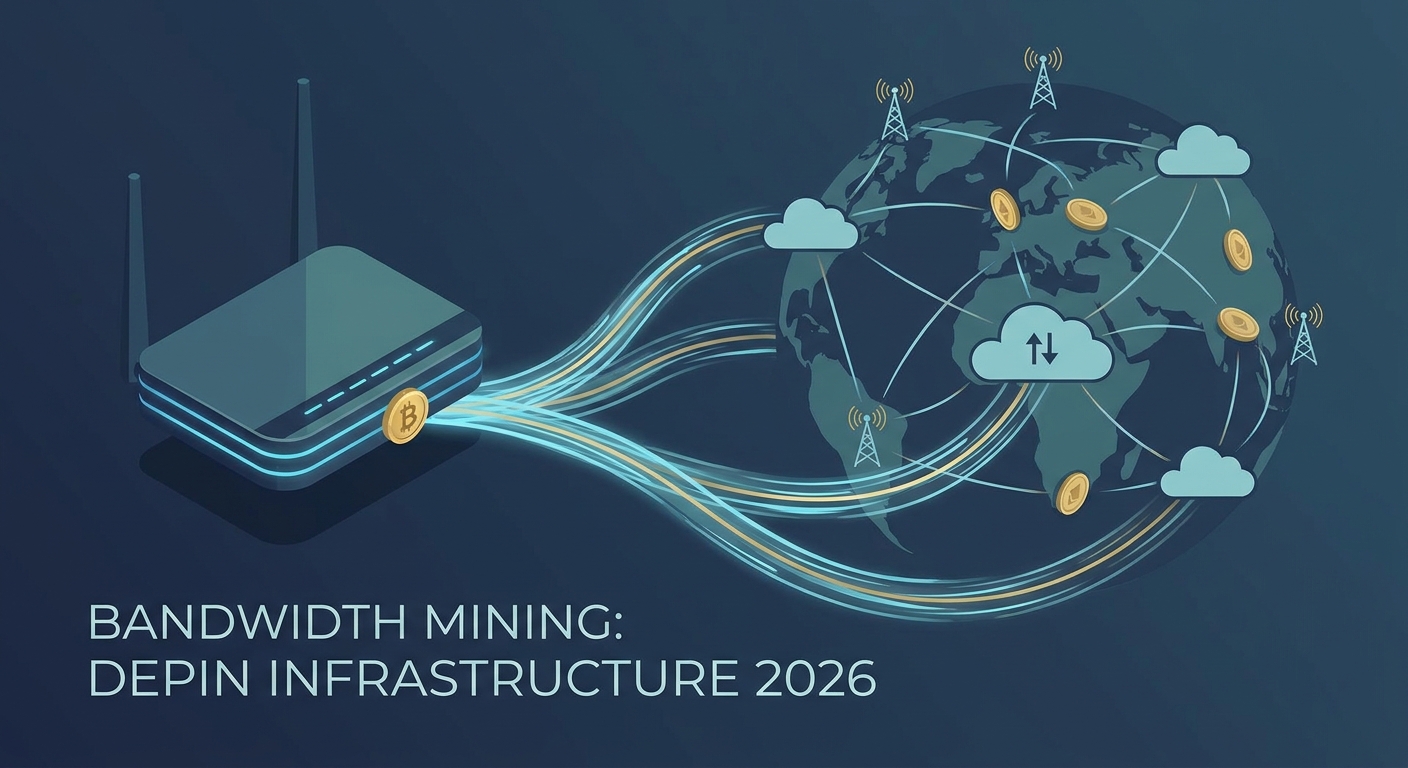
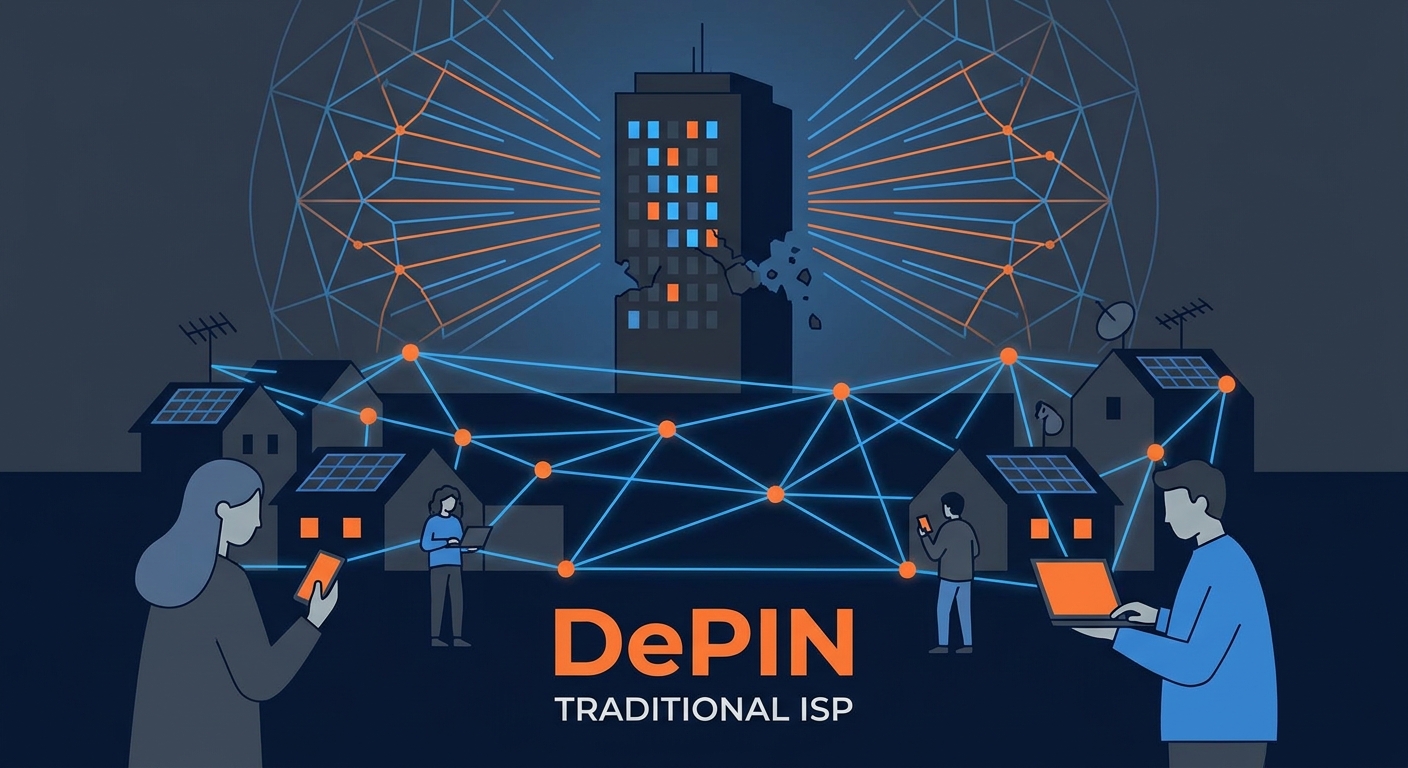
dVPNs are the poster child for the DePIN (Decentralized Physical Infrastructure Networks) movement. As noted in this analysis of distributed infrastructure, DePIN is all about turning everyday hardware into a revenue-generating machine. With a dVPN, your router or that idle laptop in your closet becomes a node.
This creates a brilliant incentive: bandwidth mining. Node operators get paid in tokens for providing fast, reliable connectivity. It’s a crowdsourced model that scales organically based on actual demand, rather than waiting for a corporation to decide where to drop their next expensive server rack. It’s the democratization of the internet’s infrastructure.
Is Your Connection Actually Secure? The Hidden Risks of Decentralization
Don't mistake decentralization for a magic wand. It doesn't eliminate risk; it just changes the threat model. The "exit node" is the most critical point. Because the exit node is the final bridge to the open web, that operator could theoretically see unencrypted traffic.
This is why, no matter what VPN you use, end-to-end encryption (HTTPS/TLS) is non-negotiable. If you browse an insecure site, you’re vulnerable—period. Furthermore, you have to be smart about the nodes you choose. Just like you’d check a seller’s reputation on a marketplace, look for dVPN providers that require "staking." If a node operator has to lock up their own tokens as collateral, they’ve got skin in the game. They’re much less likely to try anything funny.
Can a dVPN Match the Performance of Centralized Servers?
Let’s be real: performance is the biggest hurdle. Centralized VPNs have the luxury of enterprise-grade hardware and fiber lines optimized for speed. dVPNs, on the other hand, rely on a messy, beautiful, heterogeneous network of home connections. Latency can be a bit of a rollercoaster.
If you’re a hardcore gamer or you need to stream raw 4K content without a single frame drop, traditional services still have the edge. But for day-to-day browsing, research, and fighting censorship? The gap is closing fast. The trade-off is simple: you’re choosing the rugged, resilient privacy of a decentralized network over the "speed-first" convenience of a corporate data center.
Censorship Resistance: Why dVPNs Are Harder to Block
One of the best things about the dVPN model is how tough it is to kill. Traditional VPNs are easy to block because they use known server IP addresses. An authoritarian firewall just has to blacklist those IPs, and the service goes dark.
A dVPN is a living, breathing, constantly shifting P2P mesh. There’s no "master list" of servers for a censor to target. If the network functions like the multi-hop routing protocols used by the Tor Project, it becomes a game of cat-and-mouse that the censor almost always loses. By the time they block one node, the network has already rerouted your traffic through a thousand others.
How Do You Get Started Without a Computer Science Degree?
Five years ago, you needed a PhD and a command line to run a dVPN. That’s not the case anymore. The barrier to entry has plummeted. We’ve moved past the era of complex wallet configurations and scary terminal windows. Today, many dVPN clients offer "one-click" experiences that hide all that messy blockchain logic in the background.
That said, there’s still a slight usability gap compared to the ultra-polished apps from the corporate giants. If you’re feeling a little lost, you can explore our comprehensive setup guides to bridge the gap between "I just want it to work" and "I need to know my data is safe."
Is 2026 the Year You Should Switch to a dVPN?
The choice between a centralized VPN and a dVPN boils down to your personal threat model. If you’re just trying to watch a show from another country, a high-quality centralized VPN is usually fine.
But if you’re a journalist, an activist, or just someone who realizes that "trusting the provider" is a dinosaur of a security strategy, 2026 is the year to make the jump. We’re moving toward a future where the internet isn't owned by a handful of gatekeepers. dVPNs are the first step in taking that territory back. Start small. Experiment. Keep your software updated. At the end of the day, true privacy isn't a product you buy—it’s a habit you build.
Frequently Asked Questions
If a dVPN is decentralized, who do I complain to if my connection drops?
There is no central customer support desk. Troubleshooting is community-driven, often occurring in open-source forums or Discord channels. You are essentially managing your own infrastructure by choosing which nodes to trust, which empowers you but also requires a higher level of digital self-reliance.
Are dVPNs legal?
The technology is neutral. Using a P2P network to encrypt your traffic is legal in most jurisdictions. However, you are still responsible for your actions. Using any VPN—centralized or decentralized—to engage in illegal activity remains illegal. Always check your local laws regarding encryption and internet access.
Do I need crypto to use a dVPN?
While many dVPNs were built on crypto-native foundations, the industry is rapidly adopting fiat-on-ramps. You can now pay for decentralized bandwidth using traditional credit cards or digital payment methods, with the platform handling the token conversion in the background.
Is a dVPN really more private than a "No-Logs" centralized VPN?
Yes, because of the architectural difference. A "no-logs" policy is a promise that can be broken. A dVPN uses cryptographic proofs and decentralized node distribution, meaning the provider cannot log your activity even if they wanted to, because they do not have the central infrastructure to do so.
What is the biggest hurdle for dVPN adoption today?
The biggest challenge remains the balance between performance and user interface. While the technology is more secure, it is still slightly more complex to manage than traditional one-click apps. As the node ecosystem matures, however, these performance and usability gaps are closing every month.