Tokenomics Design for Sustainable Bandwidth Marketplace Liquidity

TL;DR
The Rise of the Bandwidth Sharing Economy
Ever wondered why your home internet sits idle while you're at work, even though you're paying for every megabit? It’s a waste, honestly. Centralized vpns aren't much better—they're just huge targets for hackers and government snoops since all your data hits one single point.
That's where DePIN (Decentralized Physical Infrastructure Networks) comes in. We’re moving toward a p2p model where regular people share bandwidth.
- Resilience: No single server to kill; if one node drops, the packet just reroutes.
- Privacy: No big company logs your traffic because the network is distributed.
- Efficiency: Use existing hardware instead of building massive data centers.
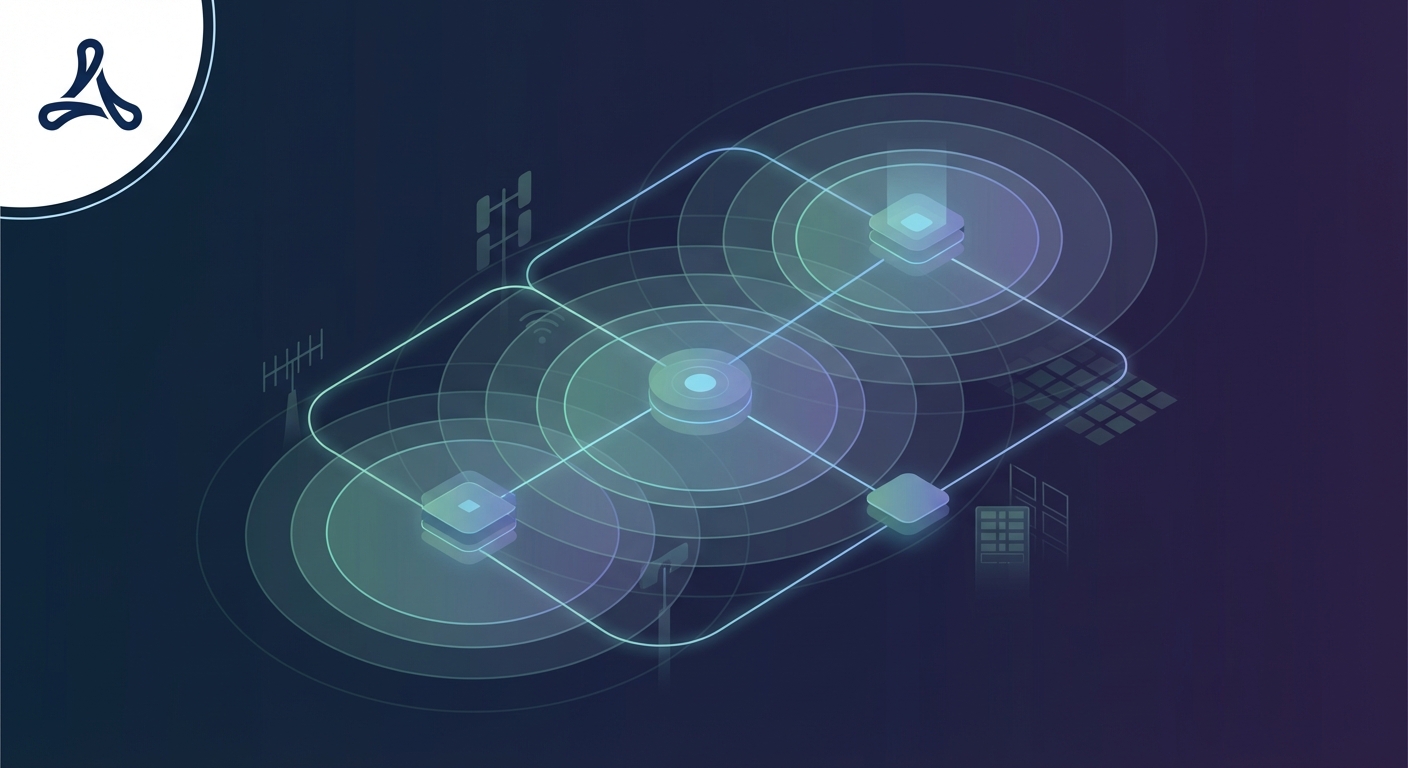
The infrastructure works by turning your unused connection into a node. Instead of a corporate data center, the network is powered by thousands of individual users. As the diagram below shows, this creates a circular economy where supply meets demand without a middleman.

According to Token Terminal, rethinking tokenomics is how we actually scale these systems so they're sustainable for the long haul.
Next, let's look at the actual components that make these marketplaces work.
Core Components of a Bandwidth Marketplace
Think about a marketplace where you're not just buying a subscription, but actual packets of data from a guy in Berlin or a neighbor down the street. It's basically digital logistics on a micro scale.
For this to work, you need distributed vpn nodes acting as the backbone. These aren't big server racks; they're home routers or old laptops.
- Censorship resistance: In places with heavy firewalls, users need tokenized resources to hop across borders without a central company getting blocked by the gov.
- Liquidity: You can't have a 5-minute lag because no one is online in a specific region. The market needs enough "sellers" at all times to keep the tunnel open.
- Node Incentives: Providers earn tokens for uptime, not just usage, to ensure the network doesn't go dark at 3 AM.

How do you know if a node is actually fast or just lying? You need a "Proof of Bandwidth" protocol. This is handled by a decentralized consensus layer—basically, other nodes or specialized "oracle" peers perform automated checks on each other. They measure throughput and latency without needing a boss to oversee it.
"A node's reputation is tied to its verifiable data throughput, preventing bad actors from spoofing performance."
We use on-chain verification to measure this. If a node claims 100Mbps but delivers 10, the protocol slashes their stake. This stops sybil attacks where one person pretends to be a hundred nodes to game the system.
Next, we'll dive into the tokenomics engine that keeps the money moving.
Designing the Tokenomics Engine
Building a marketplace for bandwidth is tricky because if you just print tokens to pay people, the price crashes and everyone leaves. It’s the classic "farm and dump" problem that kills most depin projects before they even get off the ground.
Most early networks make the mistake of high initial rewards. Operators join, grab the tokens, and sell them immediately. To stop this, we need to move toward fee-based revenue where the user actually pays for the tunnel they're using.
- Bandwidth Mining: Early on, you give rewards for uptime to ensure coverage. This applies to everyone from residential users to small office setups.
- Staking: Operators should stake tokens to prove they aren't running a sybil attack. If their node drops packets or fails a latency check, they lose that stake.
- Quality Assurance: By tying rewards to actual throughput, you filter out the junk nodes that just sit idle on a 1mbps connection.
The goal is to balance the supply. When a user buys a web3 vpn session, they pay in fiat or stablecoins, but the protocol "burns" the equivalent value in native tokens. This creates a deflationary pressure that fights the inflation from new node rewards.

As mentioned earlier, rethinking tokenomics is how we scale these systems. If more people use the network for privacy, more tokens get burned. It keeps the economy honest and ensures the guy hosting a node in his basement actually gets paid something that holds value.
Next, let's look at how this infrastructure actually changes the way we use the internet.
The Future of Web3 Internet Freedom
The internet’s becoming a series of walled gardens, honestly. If we don't fix how we connect, the idea of a "free web" is just marketing fluff. DePIN infrastructure is the secret sauce here because it moves the power away from big isps.
Staying ahead of the curve means more than just clicking "update" on your software. It’s about the shift from rented infrastructure to owned nodes.
- Infrastructure-led Privacy: Because the network is p2p, features like obfuscated servers happen naturally. Data hops through residential ips, making it way harder for firewalls to flag the traffic as a vpn.
- Decentralized Masking: Instead of relying on a single company's "stealth mode," the network uses the diversity of its nodes to mask digital footprints.
- Resilient Routing: Since there's no central hub, the protocol can use dynamic port hopping across different physical locations to bypass throttling.

I've seen too many people get lazy with their setup only to find their p2p speeds tanking because they ignored how the underlying network actually routes.
Next, we’re going to look at the technical bottlenecks that stand in the way of this going mainstream.
Challenges in Blockchain Bandwidth Monetization
Building a bandwidth marketplace isn't just about the tech; it’s about fighting the physics of a messy internet. If we can't nail the latency, users just go back to centralized providers.
The biggest headache is the p2p lag. When you route through a home node, you're at the mercy of their upload speed.
- Latency trade-offs: Decentralization adds hops, period. We need better packet-level optimization to keep it snappy.
- Compliance: isps aren't always happy about p2p sharing, and navigating those rules is a minefield for regular folks.
- UX barriers: If a user needs a degree in cryptography to buy bandwidth, the project is dead on arrival.

As previously discussed by Token Terminal, keeping the tokenomics sustainable is the only way this survives the long haul. Honestly, if we don't solve these bottlenecks, the dream of a truly open web stays just that—a dream.