Understanding Tokenized Bandwidth: How DePIN Incentives Drive Global Connectivity
TL;DR
- ✓ DePIN protocols transform idle home internet connections into liquid global assets for users.
- ✓ Tokenized bandwidth creates a decentralized marketplace for secure and censorship-resistant network routing.
- ✓ Node providers earn cryptographic rewards by sharing their unused bandwidth with the network.
- ✓ Decentralized infrastructure removes reliance on central ISPs to build a more resilient internet.
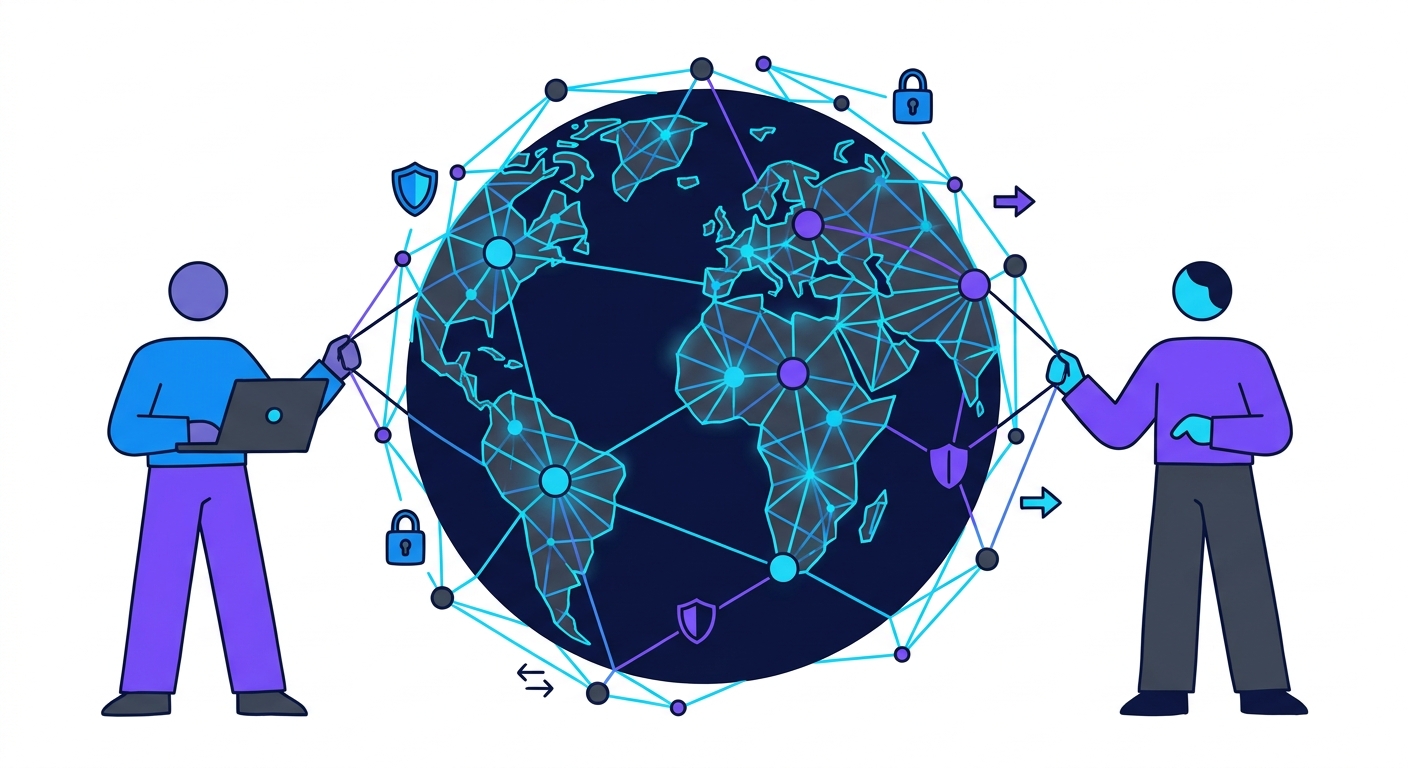
The internet is breaking up with its gatekeepers. For decades, we’ve been shackled to a handful of massive ISPs that dictate our speeds, our costs, and our access. But a quiet revolution is happening under the hood. We’re turning idle home internet connections into a global, liquid asset. This is the era of tokenized bandwidth.
By plugging into Decentralized Physical Infrastructure Networks (DePIN), you aren't just earning a few extra bucks. You’re helping build a web that actually belongs to the people who use it—a resilient, censorship-resistant backbone that no single corporate monopoly can switch off.
The Web Needs a Reboot
For as long as most of us can remember, the internet has relied on a fragile, hub-and-spoke model. A few giants hold the keys to the kingdom. If a central server rack goes dark or a single major fiber line gets snipped, entire regions go silent. It’s a bottlenecked, expensive, and outdated way to run a global network.
Fortunately, we’re seeing a massive shift. We’re moving away from the "crypto-gambling" phase of the last decade and into an era of real-world utility. As the state of the market shows, the focus has pivoted to solving actual, physical routing problems.
Think of tokenized bandwidth as the "Airbnb for Bandwidth." You likely pay a premium for a high-speed connection that sits mostly empty while you’re at work or asleep. DePIN protocols unlock that wasted value. If you want to get your head around how this actually works, our guide on what is DePIN breaks down the mechanics without the fluff.
The Anatomy of Tokenized Bandwidth
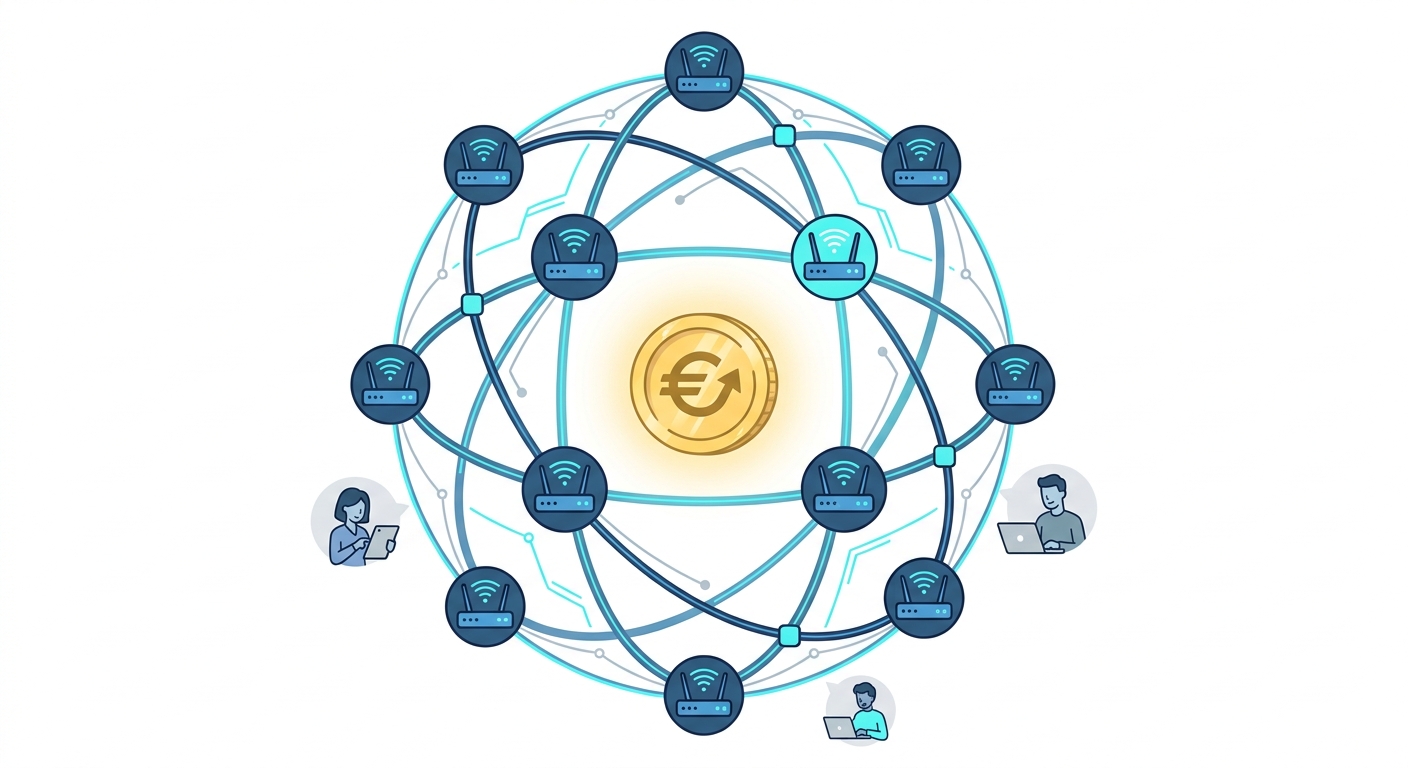
So, what is it really? At its simplest, it’s a marketplace. When you run a node, you’re turning your home router into a secure relay. Researchers, privacy-conscious users, or data centers can rent that capacity to route their traffic.
The process is surprisingly elegant. You offer up your idle gigabytes, and the protocol pays you in cryptographic tokens. Forget the energy-hungry mining of the past; this is about providing a tangible service. It’s verification, it’s routing, and it’s essential. As the demand for a neutral, open internet grows, so does the value of the network. This isn't just theory—it’s an economic model built on necessity.
Why DePIN is the Future of Global Connectivity
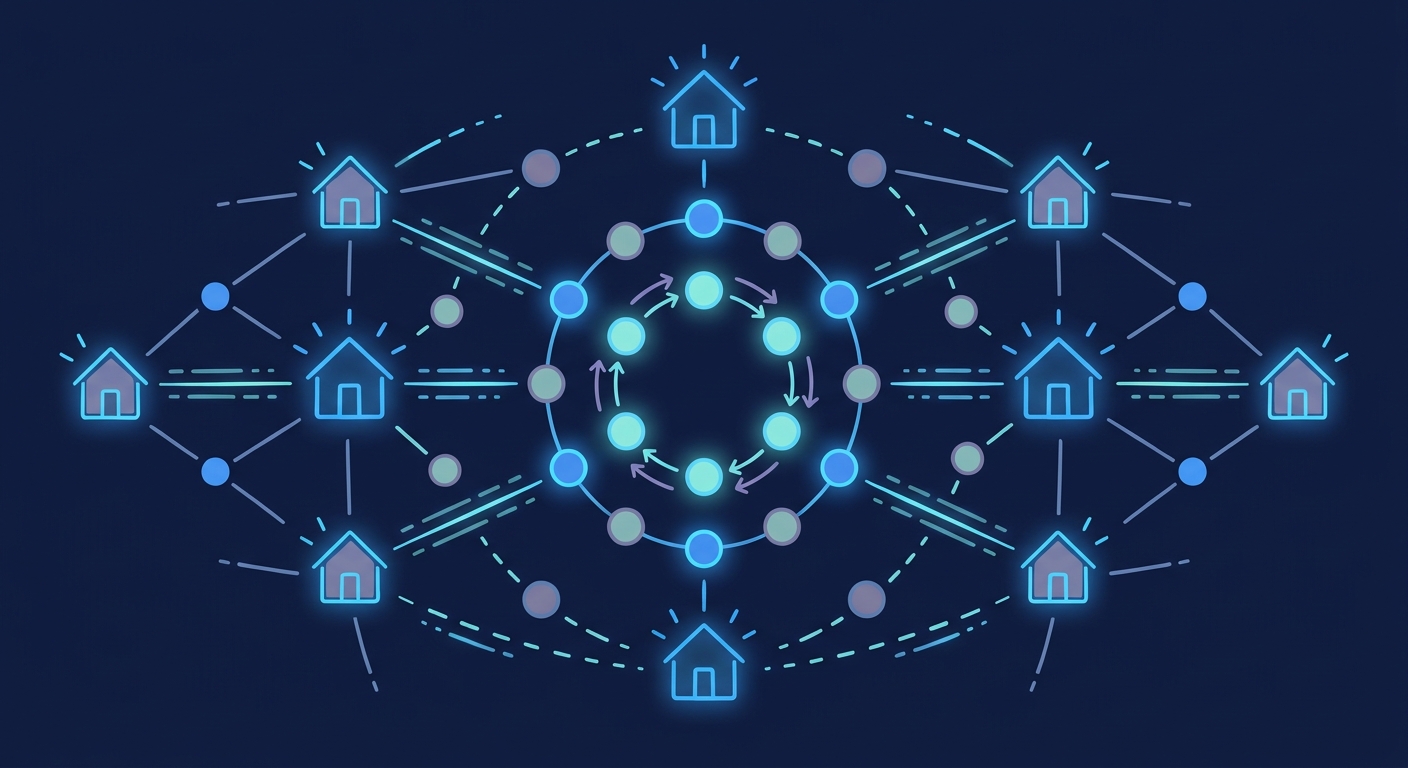
The genius of a decentralized network is its stubbornness. It’s incredibly hard to kill. Because the infrastructure is spread across thousands of independent homes rather than a single corporate data center, there is no single point of failure. If one node drops, the traffic just zips around to the next one.
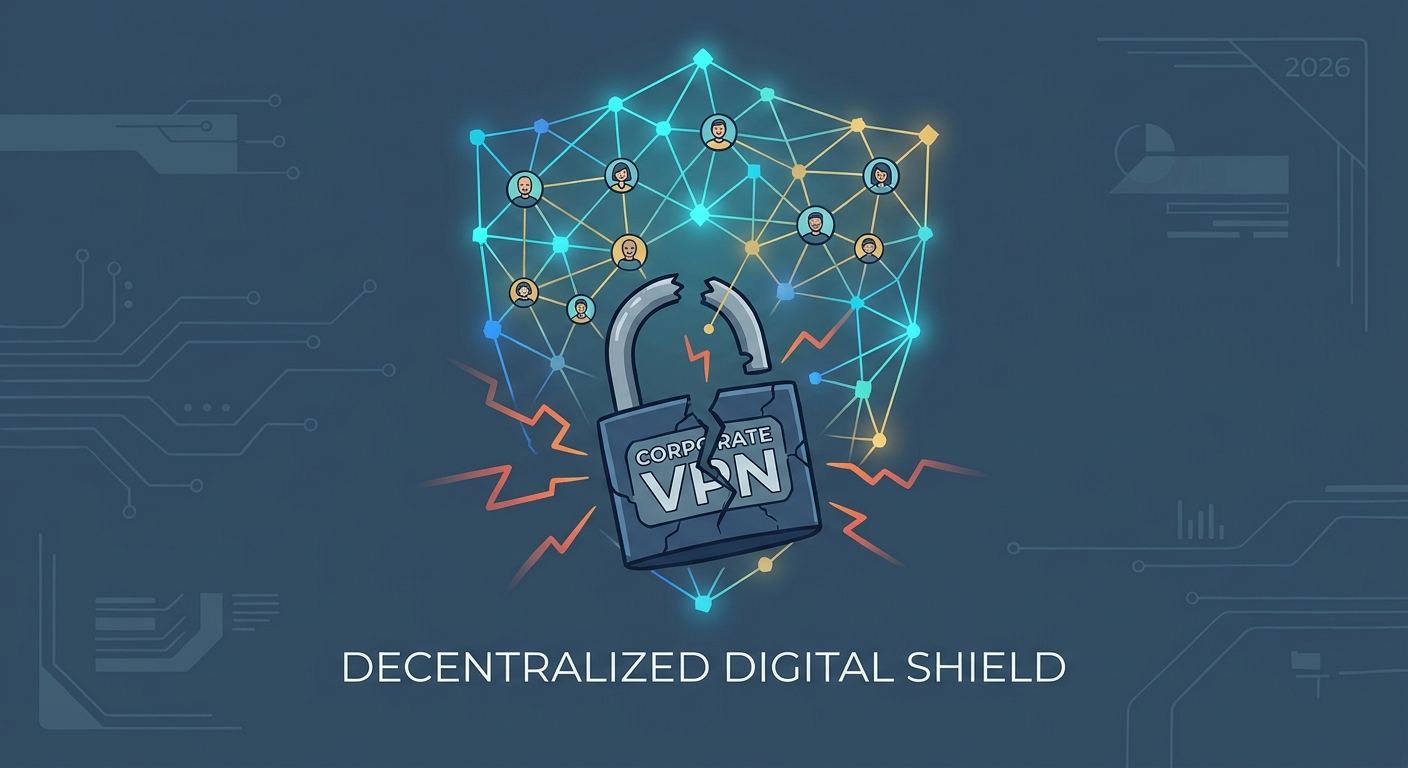
This is why decentralized VPNs (dVPNs) are becoming a lifeline for people in regions where the internet is heavily censored. You can’t shut down a network that has no headquarters.
The incentives are the "fuel" that keeps the engine running. By paying node operators, these networks guarantee that bandwidth is available even in places where ISPs refuse to invest. It’s working, too. Even the big institutional players are starting to realize that decentralized infrastructure is cheaper and more reliable than playing the legacy hardware game.
Privacy by Design: The Zero-Knowledge Shield
"Wait," you might be thinking, "if I’m sharing my internet, can people see my browsing data?"
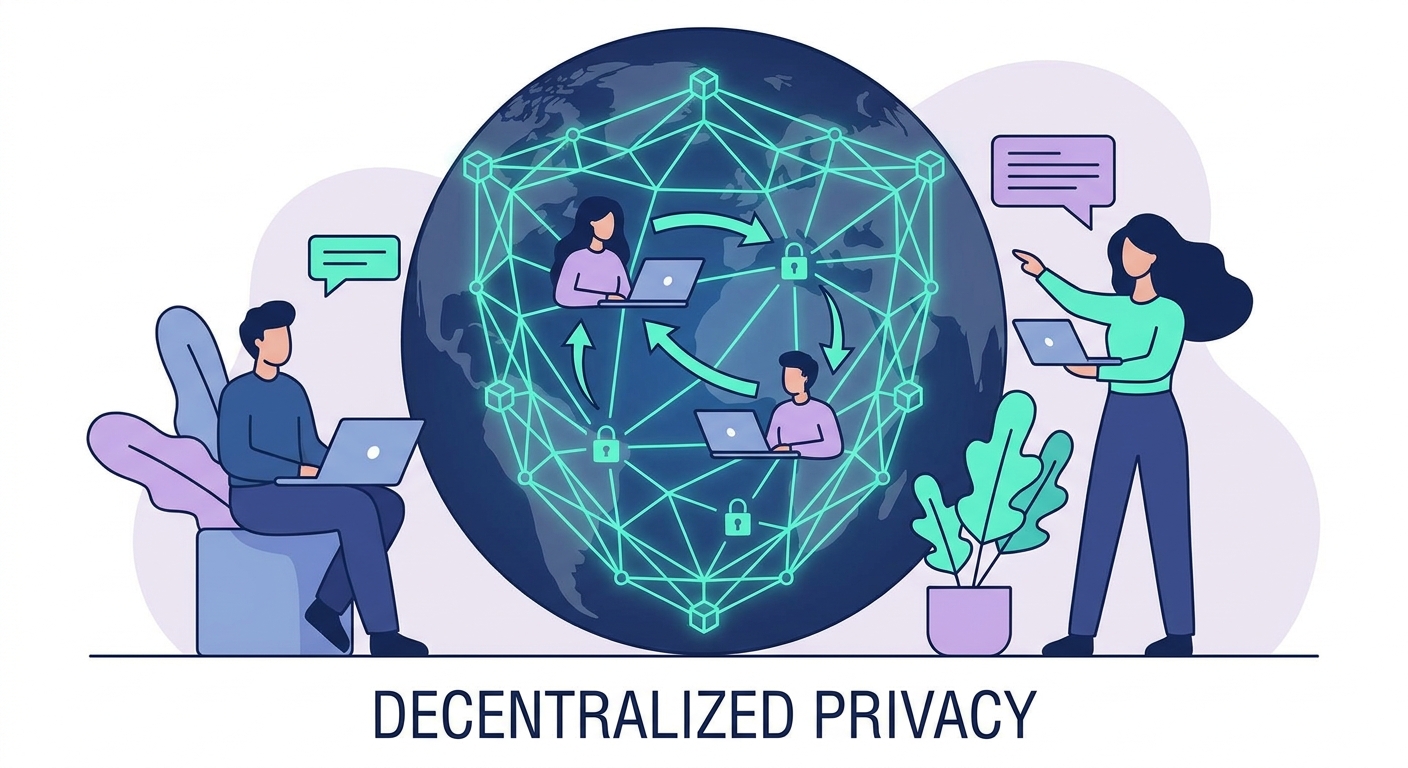
In 2026, the answer is a hard no. We use Zero-Knowledge Proofs (ZKPs) to keep things airtight. ZKPs allow the network to confirm your node is providing high-quality, legitimate bandwidth without ever looking at the actual data passing through.
As the Ethereum Foundation’s resources on Zero-Knowledge Proofs explain, this is cryptographic magic. You’re just a secure pipe. You’re blinded to the data, and the data is blinded to you. Your personal activity remains entirely yours.
Getting Your Hands Dirty: How to Start
You don’t need a degree in computer science to participate anymore. The barrier to entry has evaporated. Most people just download a client, fire up a node, and let it run in the background.
If you’re ready to dive in, our Airbnb for Bandwidth: A Beginner’s Guide covers all the hardware and software basics.
Keep in mind: this is a performance-based game. The nodes that stay online and offer the lowest latency earn the most. If you want to see which protocols are actually paying the best rewards, check out our list of the best decentralized VPNs of 2026.
Beyond the Home: Why Businesses are Moving In
It’s not just for home users. Small businesses are getting sick of being squeezed by enterprise ISP contracts. By tapping into decentralized bandwidth pools, they can route non-critical traffic, perform SEO analytics, or secure remote operations for a fraction of the cost of a traditional VPN subscription. It’s agile, it’s secure, and it’s changing how companies view their infrastructure budget.
A Word of Caution
Look, it’s not all sunshine and rainbows. You need to keep your eyes open.
First, check your local ISP’s terms of service. Most are fine with it, but you don't want to get flagged for a policy you didn't read. Second, remember that crypto markets are volatile. While the best protocols have built-in stabilizers to keep rewards steady regardless of token price, you should treat this as a long-term utility play, not a "get rich quick" scheme.
Frequently Asked Questions
Is sharing my bandwidth through a DePIN network illegal or against my ISP's Terms of Service?
Generally, no. Sharing your connection is usually fine. However, check your specific ISP contract. Most "unlimited" plans are perfectly compatible with decentralized routing, but you should always stay within your monthly data caps.
How do I ensure my personal browsing data remains private while I'm a node?
You’re just a relay. The data is end-to-end encrypted between the sender and the destination. You couldn't see it even if you tried.
How much can I realistically earn by becoming a bandwidth provider in 2026?
It depends on where you live, your connection speed, and the current demand for the protocol you’ve chosen. It’s a great way to offset your internet bill, but it’s not a replacement for a 9-to-5.
What happens to the network if the token price drops?
The healthy projects have shifted to "utility-backed" models. If the service itself is useful, businesses will keep paying for it regardless of what the token is doing on an exchange. That demand creates a floor for the network's value.
The Bottom Line
We’re moving past the hype and into the age of utility. Web3 is finally doing what it promised: building real, functional infrastructure that solves human problems. By participating in these networks, you’re helping dismantle the monopolies that have held the web hostage for too long.
Ready to start? Explore our list of the best decentralized VPNs of 2026 to get your first node running. If you want to see the big picture, check out this foundational overview of DePIN. The future of the internet isn't in a corporate data center—it's in your living room.