The 2026 Guide to Node-Based VPN Services: Security, Speed, and Rewards
TL;DR
- ✓ Decentralized VPNs replace centralized servers with secure peer-to-peer residential node networks.
- ✓ Residential IPs prevent blacklisting and provide superior anonymity compared to traditional data center VPNs.
- ✓ Users can monetize their idle internet bandwidth through tokenized DePIN marketplace economies.
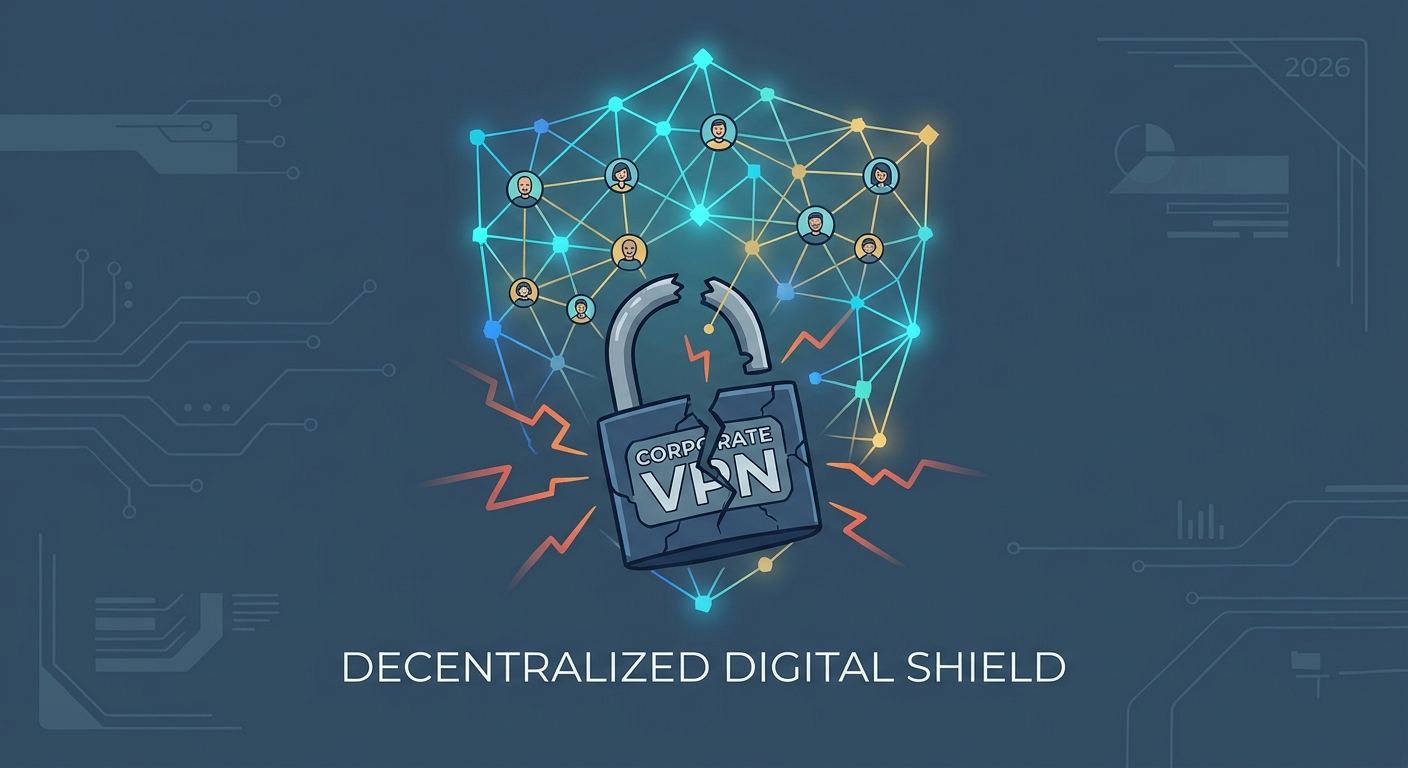
- ✓ Modern dVPNs eliminate single points of failure by removing corporate intermediaries from traffic routing.
The digital privacy game has changed. Forget everything you thought you knew about "no-log" policies. By 2026, trusting a centralized corporation to guard your data is like handing your house keys to a stranger and hoping they don't make copies. The era of the server farm is dying. We’ve moved into the age of the Decentralized Physical Infrastructure Network—or DePIN, if you want to sound like a crypto-insider.
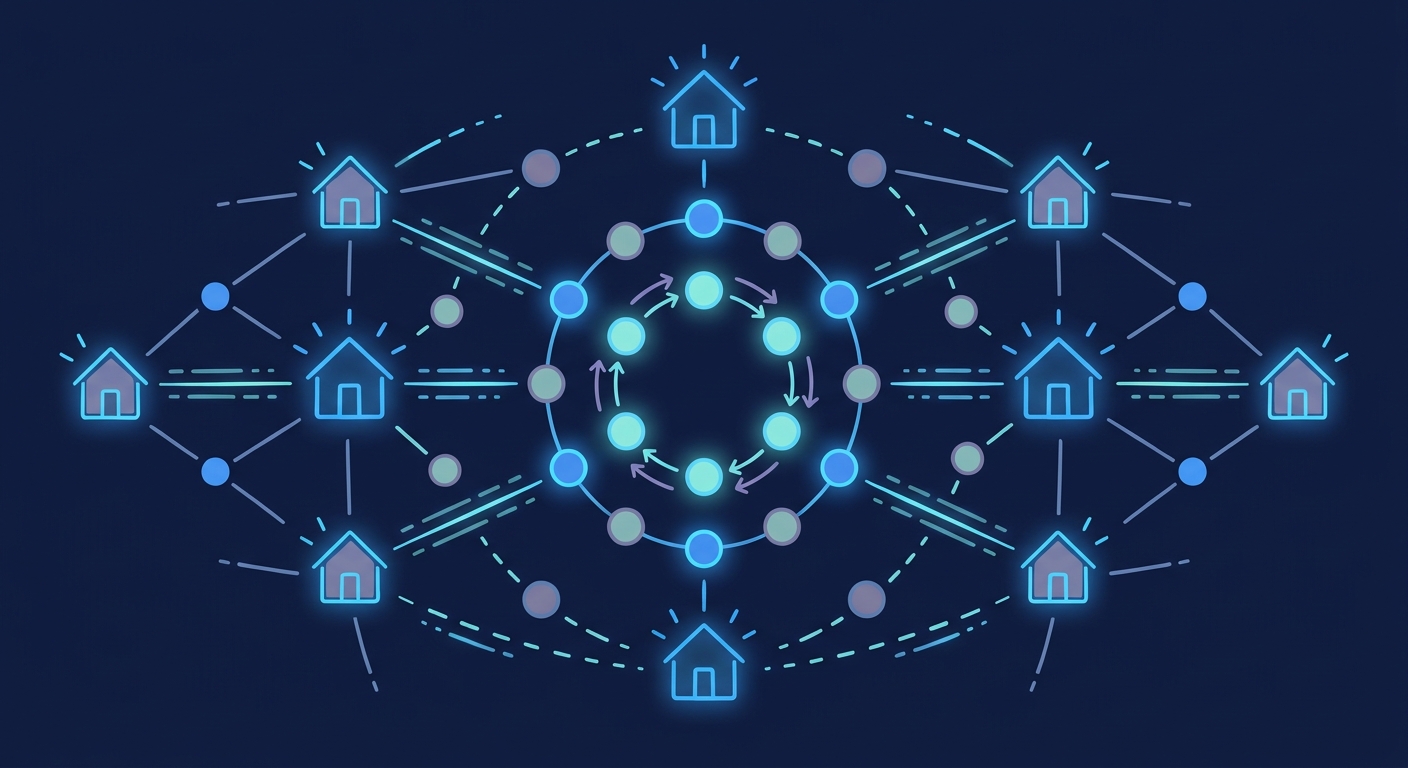
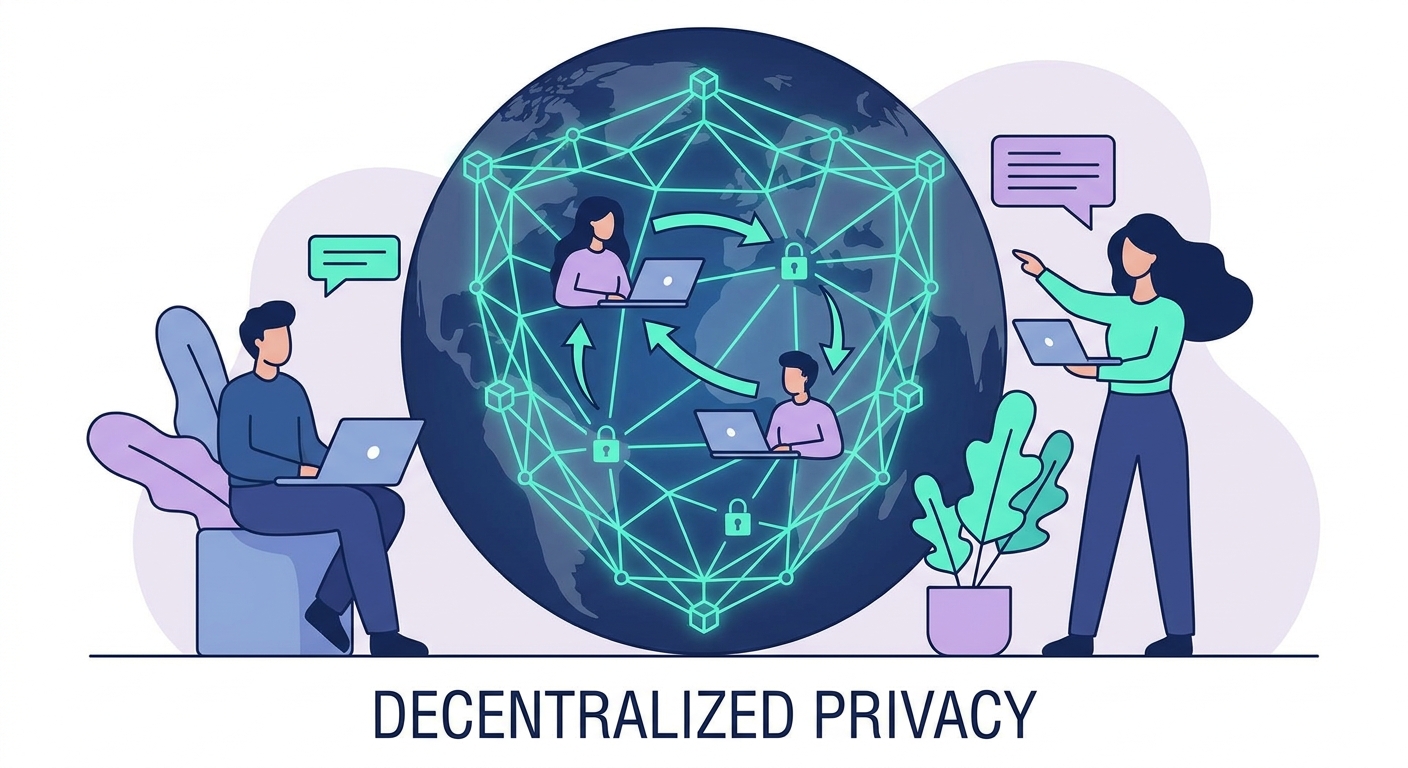
Instead of routing your traffic through massive, vulnerable data centers, you’re now tapping into a global, user-powered mesh of residential connections. By using decentralized VPN (dVPN) technology, you’re effectively hiding in plain sight. You aren't just another faceless user in a corporate data silo; you’re a ghost bouncing through real home networks. Modern streaming giants and ISPs spend millions trying to blacklist data center IPs, but they can't block the entire residential internet without breaking the web itself.
This isn't just about privacy. It’s about the new tokenized economy. Your idle bandwidth? That’s a commodity now. According to the latest industry analysis from Messari, individual users are becoming the backbone of global connectivity. We are collectively saying goodbye to the "trust me" model that gave us a decade of broken promises and data leaks.
Why Traditional VPNs Are Losing Their Edge
For years, the "no-log" marketing sticker was the gold standard. You paid your monthly fee, clicked "connect," and prayed that the company behind the curtain was telling the truth.
That model is a liability now.
Centralized companies are magnets for trouble. They’re prime targets for subpoenas, state-sponsored hacks, and corporate buyouts. If a government wants your data, they don't need to break the encryption; they just walk into the CEO’s office with a warrant. One office, one server, one point of failure.
Then there’s the IP blacklisting problem. Streaming services and major websites have gotten frighteningly good at spotting traffic coming from data centers. If you’re using a legacy VPN, you’re surfing with an IP address that’s already been flagged, throttled, or flat-out blocked. It’s like trying to sneak into a club while wearing a neon sign that says "VPN USER."
Residential IPs are the only way to stay invisible in 2026. Because these IPs belong to real homes, they’re treated as "trusted" by the web. When you hop onto a node-based VPN, you look like a local. You aren't a customer of a privacy service; you’re just another neighbor checking the weather.
How Does a Node-Based VPN Actually Work?
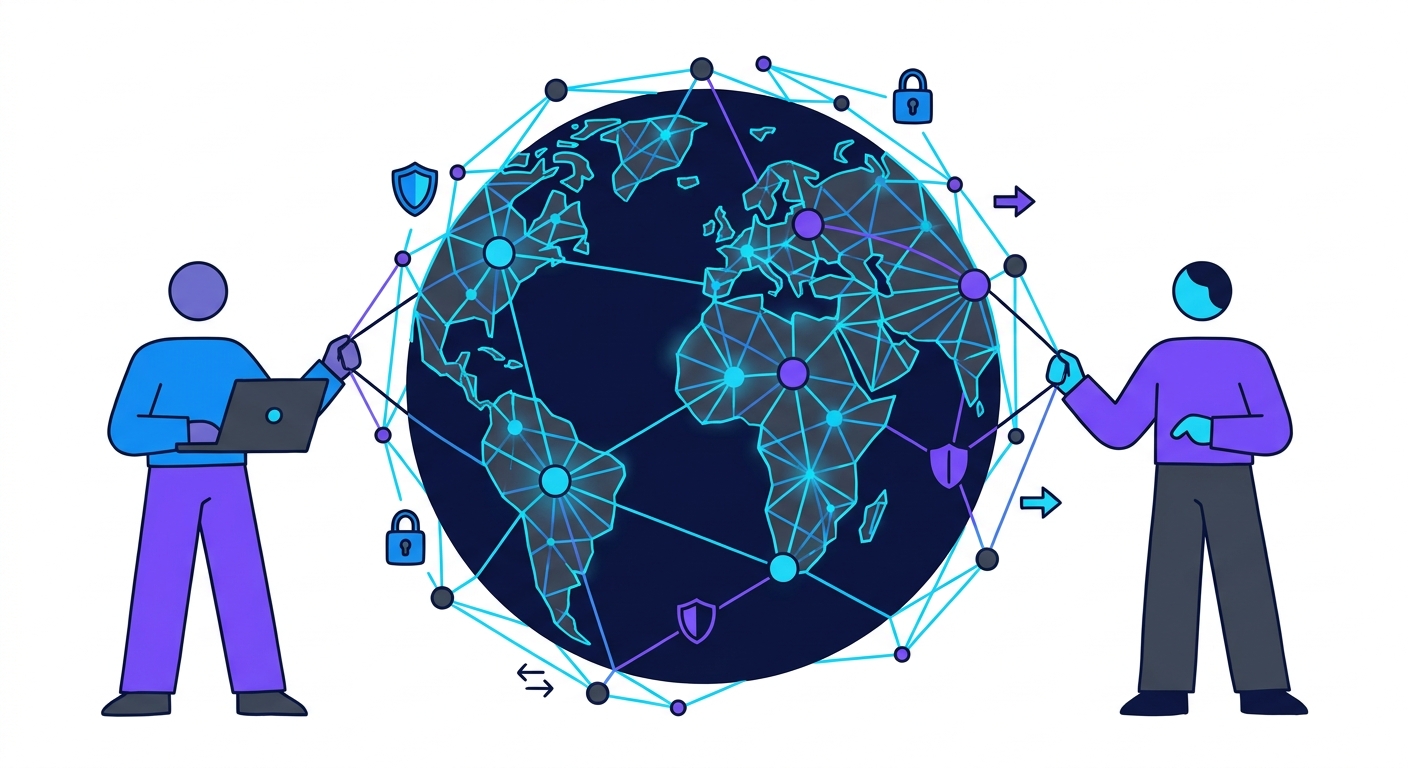
Think of a node-based VPN as a Peer-to-Peer (P2P) mesh. There’s no single gateway. When you connect, your device picks a "local entry node" to wrap your data in encryption. From there, it zips through the mesh, eventually popping out through a "residential exit node" in the country of your choice.
The middleman is gone. Smart contracts handle the relationship between you and the node operator. It’s code, not a contract, that manages the handshake.
Because the network is distributed, there’s no central database to raid. There’s no "log" to subpoena because the activity is scattered across a hundred different nodes.
Is Your Privacy Verifiable or Just Marketed?
Marketing fluff is dead. In 2026, if you can’t prove it, it didn't happen.
Legacy VPNs demand blind faith. dVPNs demand you look at the math. By relying on open-source code and public, auditable blockchain ledgers, these projects allow you—or any developer with a keyboard—to verify exactly how your data is handled. You don't read a brochure; you read the code on GitHub.
The shift toward auditable infrastructure means the network simply doesn't have the capacity to "hide" logs. If a node operator tried to sniff your traffic, the community-driven validation process would catch them, flag the node, and kick them off the network. It’s a self-correcting ecosystem where privacy is enforced by profit incentives and cold, hard code.
The Economics of Bandwidth: Can You Really Get Paid to Surf?
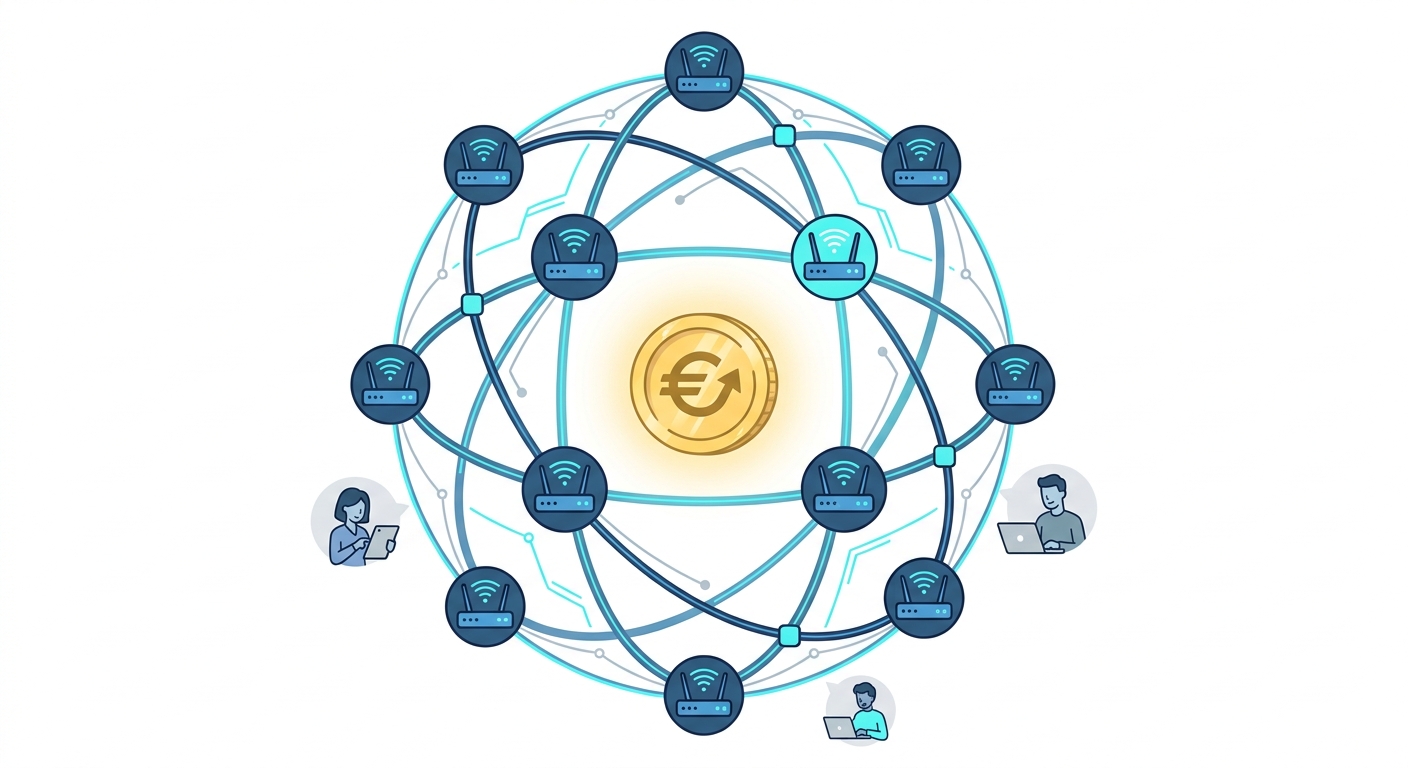
This is the "Airbnb for Bandwidth" model. If you have a stable home internet connection, you’re sitting on a goldmine. By running a node, you become a micro-ISP. You let others route their traffic through your connection, and in exchange, you earn tokens. Those tokens can be swapped for stablecoins or used to cover your own connectivity costs.
You aren't just a consumer anymore. You’re a participant.
It’s a circular economy. The network gets stronger as more people join, and the costs aren't being siphoned off by some boardroom in a tax haven.
The Truth About Latency: Is Decentralized Speed Worth It?
Let’s be real for a second. Is a dVPN going to be as fast as a massive, optimized data center for your ping? Probably not. If you’re a pro gamer needing sub-10ms response times, you might stick to your current setup.
But for 95% of the internet? It’s perfect. Streaming 4K, bypassing censorship, or just browsing the web—you won't notice the difference. You’re trading a few milliseconds of latency for the most robust, residential-grade anonymity on the planet. For most of us, that’s a bargain.
Censorship Resistance: A Case Study in Global Connectivity
Governments and censors dream of blocking static IP ranges. That’s why they target cloud providers like AWS or Google. But how do you block millions of individual, rotating residential connections? You can't.
According to data from OONI Explorer, censorship is getting smarter, using deep packet inspection (DPI) to hunt for VPN traffic. dVPNs beat this by blending in. Because you’re routing through a real home, your traffic looks like any other household connection. You aren't a red flag; you're just noise in the system.
How to Get Started: A 10-Minute Setup Guide
The days of needing a degree in computer science to set up a private connection are over. Modern clients have made this seamless.
- Choose your provider: Find a protocol that fits your needs. Check out the best decentralized VPNs for 2026 to see which ones have the most active nodes in your region.
- Setup your wallet: Most apps now create a non-custodial wallet for you instantly. You own the keys; you own the privacy.
- Download the client: Install the app. It’ll handle the heavy lifting, scanning for the fastest, most reliable nodes automatically.
- Connect: Click the button. You’re live. Your traffic is moving through the mesh, and you’ve got a residential IP.
Frequently Asked Questions
Is a dVPN legal to use in my country?
A dVPN is just a tool for private communication. In most places, that’s perfectly legal. However, the internet is a patchwork of local laws, so do a quick check on your regional regulations regarding encryption before you dive in.
Can I get banned by my ISP for sharing my bandwidth as a node?
Most modern protocols use smart filters to stop malicious or illegal traffic from ever touching your connection. While there’s always a theoretical risk, it’s tiny with reputable protocols. If you're paranoid, run your node on a secondary connection or dedicated hardware.
Are dVPNs faster than traditional centralized VPN services?
For raw gaming speed? Maybe not. For everything else—especially bypassing geo-blocks and streaming—dVPNs often win because you aren't using a "blacklisted" IP address.
Do I need advanced crypto knowledge to manage a dVPN node?
Not even a little bit. The software handles the blockchain, the payments, and the verification behind the scenes. If you can use a banking app, you can run a node.
How does multi-hop routing improve my anonymity?
Multi-hop is the "double-lock" of the VPN world. By bouncing your traffic through two or more nodes in different countries, you break the chain of evidence. Even if one node were compromised, the attacker would only see a tiny, useless fragment of your data path. It’s mathematically brilliant.